
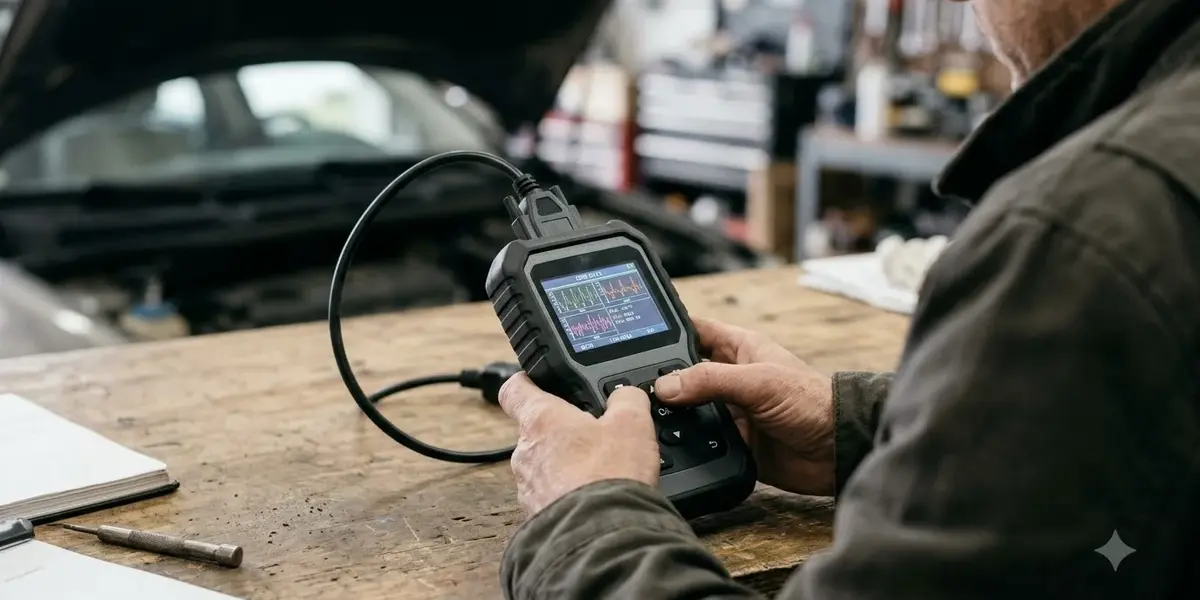

Engine ticking is a light, fast tapping from the top of the engine, and low engine oil is its most common cause. Worn lifters, a clogged oil passage and an exhaust leak can make a similar sound. Start with the oil level, because it is the quickest and cheapest check.
Many cases of engine ticking are harmless on a cold start, but a steady tick that grows or comes with a warning light needs a professional inspection. This page explains each likely source so you can narrow the cause before you book a shop visit.
This page is general information, not a diagnosis. A sound alone cannot confirm the cause, so ask a certified technician to inspect any tick that is steady or getting worse.
Engine Ticking Versus Engine Knocking
Engine ticking is a lighter, faster tap, while engine knocking is a heavier sound. According to the MechanicBase diagnostic guide, ticking usually points to the top end of the engine, while a deep knock points to a rod or bearing noise lower down.
| Sound | Where it comes from | When it appears |
|---|---|---|
| Ticking | Top of the engine, often near the valve cover | Idle, cold start or steady light tap |
| Knocking (detonation) | Inside the cylinders | Often under load, such as hard acceleration |
| Deep knock | Bottom end, rod or bearing | Constant and heavier than a tick |
If the tap is light and stays about the same under load, it is more likely ticking. A heavy, deep knock is a separate problem, so read about engine knocking causes and sounds and get a professional inspection right away.
Common Causes of Engine Ticking
The most common cause of engine ticking is a low oil level, and oil pressure problems come next. According to Cars.com, a low level, the wrong oil weight, a clogged filter or a bad oil-pressure sending unit can starve the lifters of oil.

- Low engine oil level, the most common cause
- Wrong oil weight for the engine or the season
- Clogged oil filter or old, contaminated oil
- Bad oil-pressure sending unit (see the oil pressure sensor replacement guide)
- Worn oil pump, an expensive repair
- Worn lifters or a clogged lifter oil port
- Exhaust leak at the manifold or a pipe joint, plus spark plug or wire arcing and belt-driven accessories rubbing
Some of these causes of engine ticking are cheap to check, such as the oil level and grade. Others, such as a worn pump or lifters, need a technician and can cost much more.
Lifter Tick: The Steady Click Near the Valve Cover
A lifter tick is a steady click usually heard near the valve cover at the top of the engine. A faulty hydraulic lifter often keeps ticking at any temperature, which separates it from a harmless cold-start noise.
Lifter leaks can come from normal wear at high mileage. A clogged inlet port can also add to engine ticking when oil is not changed regularly, so a neglected oil schedule can be part of the problem.
Repair is where costs climb. Cars.com notes that lifter replacement may require removing the cylinder head, which is expensive. MechanicBase recommends replacing a faulty lifter and considering the others at the same time.
Fuel Injector Noise: Normal Tick or Real Problem
Some early direct-injection engines tick from the injectors by design, so a light, even tick is not always a fault. Engine ticking from the injectors becomes a concern when it comes with lost power, rough running or a warning light.
- An even, fast tick with normal power and no warning light is often normal for that engine design.
- Rough idle, misfires or lost power point to the ignition or fuel system, so read the stored codes.
- A check engine light means you should read the trouble codes before any further testing.
Exhaust Leak Ticks That Sound Like Engine Trouble
An exhaust leak at the manifold or a pipe joint can sound like an internal tick, and it is often most noticeable at lower RPM on a cold engine. Soot stains and hairline cracks near the joints help confirm the leak.
Cars.com lists a leak between the engine and manifold, or between the manifold and exhaust pipe, as a cause. MechanicBase adds that a leaking manifold ticks most at lower RPM, which helps you tell engine ticking from an internal lifter sound.
- Let the exhaust cool completely before touching anything, then start the engine cold and listen along the manifold.
- Look for soot stains around the manifold flanges, gaskets and pipe joints.
- Use a flashlight to check for hairline cracks in the manifold.
- Have a technician confirm the leak, since the manifold may need to come off for repair.
Oil Level, Oil Pressure and Cold-Start Ticks
Check the oil level first, because a low level is the most common cause of engine ticking. Wait a couple of minutes after you shut the engine off so the oil drains back into the pan, then read the dipstick.
- Park on level ground and turn the engine off.
- Wait a couple of minutes, then pull the dipstick, wipe it and read the level.
- Do not overfill. Cars.com advises staying no more than a quarter past the bottom of the recommended range.
- If the oil keeps dropping after you top it up, a leak is likely.
Use the grade listed in your owner’s manual. The U.S. government’s fueleconomy.gov viscosity guide says the manufacturer’s recommended grade matters, and a mismatch such as 10W-30 in an engine designed for 5W-30 can lower gas mileage by 1% to 2%. That page covers fuel economy, not engine damage.
Engine ticking that fades shortly after start-up, especially in cold weather, may be normal. Colder weather may call for a lighter oil that circulates faster. If the tick continues once the engine is warm, the cause needs a check, and an oil and filter change is worth doing when the oil looks old.
Dash gauges can also mislead when you investigate engine ticking. The gauge is not always accurate, so do not rely on the needle alone. On many gauges the needle sits near straight up or halfway when pressure is normal, and normal oil pressure values differ by engine.
What to Do Next and When to Stop Driving
Check the oil level, read any stored codes and note when the engine ticking happens before you decide whether to keep driving. Stop the engine if an oil warning light is on or the tick grows fast. If a warning light came on right after an oil change, read what to check when the check engine light comes on after an oil change.
| Symptom | Likely source | First check |
|---|---|---|
| Tick after cold start that fades within minutes | Cold oil or normal start-up noise | Oil level, then watch whether it returns |
| Steady tick at any temperature | Worn lifter or low oil pressure | Oil level and codes, then book an inspection |
| Tick louder at lower RPM on a cold engine | Exhaust leak | Soot marks and hairline cracks at the manifold |
| Light tick with normal power | Injector noise on some direct-injection engines | Codes and a power check |
| Oil level keeps falling | Oil leak | Look for the leak, then book service |
Ask for an ASE-certified technician, and get a full estimate before any work begins. A technician can check the lifters, oil pressure and exhaust with the engine running, which is hard to do safely at home.
Frequently Asked Questions
Is engine ticking dangerous?
Not always. A light tick can have a simple cause, such as cold oil or a low level. A steady tick can signal low oil or lifter wear, so check the oil level now and have a steady or worsening tick inspected soon.
Can I drive with a ticking engine?
After you confirm the oil level is full, a light tick with no warning light may allow a short, gentle drive to a shop. Stop driving if an oil or check engine light comes on, if the tick grows fast, or if you hear a deep knock.
Does an oil change fix engine ticking?
It can, if old or contaminated oil, a clogged filter or the wrong grade caused it. Use the viscosity in the owner’s manual. An oil change will not repair a worn lifter or a failed pump.
Why does my engine tick only when cold?
Engine ticking that fades within a short time after start-up, especially in cold weather, may be normal. Cold oil is thicker and takes a moment to reach the top of the engine. If the tick continues once the engine warms up, check the oil and have it inspected.
How do I know if it is an exhaust leak?
Listen along the manifold with a cold engine, look for soot stains near the joints and check for hairline cracks with a flashlight. An exhaust leak is often most noticeable at lower RPM. Have a technician confirm it before you buy parts.
Is injector noise normal?
Some early direct-injection engines tick from the injectors by design. An even tick with normal power and no warning light is often normal for that engine. Rough running, lost power or a check engine light means you should read the stored codes first.
If engine ticking is steady, grows over time or comes with low oil or a warning light, have a certified technician check the engine before you spend money on parts. An early check shows whether the cause is simple or serious.
