


A normal transmission temperature for most automatic transmissions falls between about 175°F and 220°F (80°C to 104°C), though the exact figure depends on the vehicle. Keep the reading in that band and the fluid can do its job. Readings above it call for a closer look.
Some trade references point to about 170°F as the temperature where factory fluid lasts longest. Your owner’s manual or service information always sets the normal transmission temperature for your car, because specifications vary by make and model.
What Is a Normal Transmission Temperature?
For most automatic transmissions, a normal temperature sits between 175°F and 220°F, or 80°C to 104°C, according to an editorial range published by SlashGear. Transmission fluid lubricates the internal parts and carries heat away from them, so a normal transmission temperature reading shows how hard the unit is working. That range is a general guide, not a single manufacturer specification.
| Temperature | What the sources say |
|---|---|
| About 170°F | Trade baseline where factory fluid is expected to last longest |
| 175°F to 220°F | Editorial range for normal, ideal operation |
| Above 250°F | Fluid can harden and crack rubber seals |
| Above 290°F | Transmission can slip, and seals and clutches can fail |
The 170°F figure comes from a 2003 trade article that describes it as the normal operating temperature for factory-fill fluid. Readings in the 175°F to 220°F band are the ones the editorial range treats as ideal, so a normal transmission temperature inside it is a good sign on most cars.
Why the Normal Range Varies by Vehicle
The normal transmission temperature varies by make, model and transmission design, so the figure in your owner’s manual or service information takes priority over any general range. Carmakers set their own operating targets, and the same general range can be too wide or too narrow for a specific gearbox.
- Owner’s manual: lists the fluid type and any normal transmission temperature guidance for your car
- Service information: the manufacturer’s workshop data, which repair shops use for specifications
- Transmission design: a heavy-duty unit and a compact car automatic can have different limits
- Cooling equipment: some vehicles add a transmission cooler, which changes how fast heat leaves the fluid
If a manufacturer figure is lower or higher than the editorial range, follow the manufacturer figure. The general normal transmission temperature range is useful for spotting a problem, but it cannot replace the specification for your own vehicle.
How Heat Damages Transmission Fluid
Heat speeds up oxidation in transmission fluid, and a 2003 Motor magazine article reports that fluid life is cut in half for each 20°F rise above about 170°F. Oxidation is the chemical breakdown of the fluid, and it is the reason a hot transmission wears out its fluid faster than a cool one.
According to Motor magazine’s transmission service article, factory fill could last about 100,000 miles if the normal operating temperature stays near 170°F for most of that time. Once operating conditions regularly push the fluid higher, that life shrinks quickly.
The article gives a sharp example. A transmission that averages more than 300 degrees could use up its fluid in less than 1,000 miles. Rocking a vehicle out of snow, it adds, could cause that damage in a matter of minutes. Severe service also shortens the schedule, with the change interval dropping to as few as 12,000 miles.
- About 170°F: the reference point for roughly 100,000 miles of factory fluid life
- Each 20°F above that point: fluid life is cut roughly in half
- Severe service: change intervals can drop to about 12,000 miles
The same article notes that some carmakers promise change intervals as long as 100,000 miles, but those promises assume normal service. A vehicle used for towing puts a greater strain on the transmission and its fluid. Check your own maintenance schedule for the interval. A normal transmission temperature protects the fluid over time, so keeping heat down is the simplest way to stretch its life.
What Causes Transmission Temperature to Rise
Towing heavy loads, driving in hilly areas and frequent stop-starting are the high-stress conditions most often linked to a hot transmission. SlashGear lists several causes of an overheating transmission, and most of them come down to maintenance habits or the cooling system.
- Low or old fluid, from not checking the level or skipping fluid changes
- Failed transmission sensors, which can make the reading unreliable
- Radiator or cooling system problems, including engine overheating, which leave less room to move heat out of the fluid
- Hot weather, which raises the starting point for every reading
- Heavy towing, hill driving or frequent stop-starting, which add load to the unit
Driving style can contribute as well, according to the same article. A transmission that works hard for long periods runs hotter than one that sees gentle, steady use, so smooth driving helps keep a normal transmission temperature.
How to Check Transmission Temperature With an OBD2 Scanner
Standard OBD2 does not define a transmission fluid temperature reading, so a scanner shows it only when the manufacturer defines its own code for your vehicle. The standard set of OBD2 gauges leaves transmission temperature out, so each automaker defines its own item, and the names are not consistent.
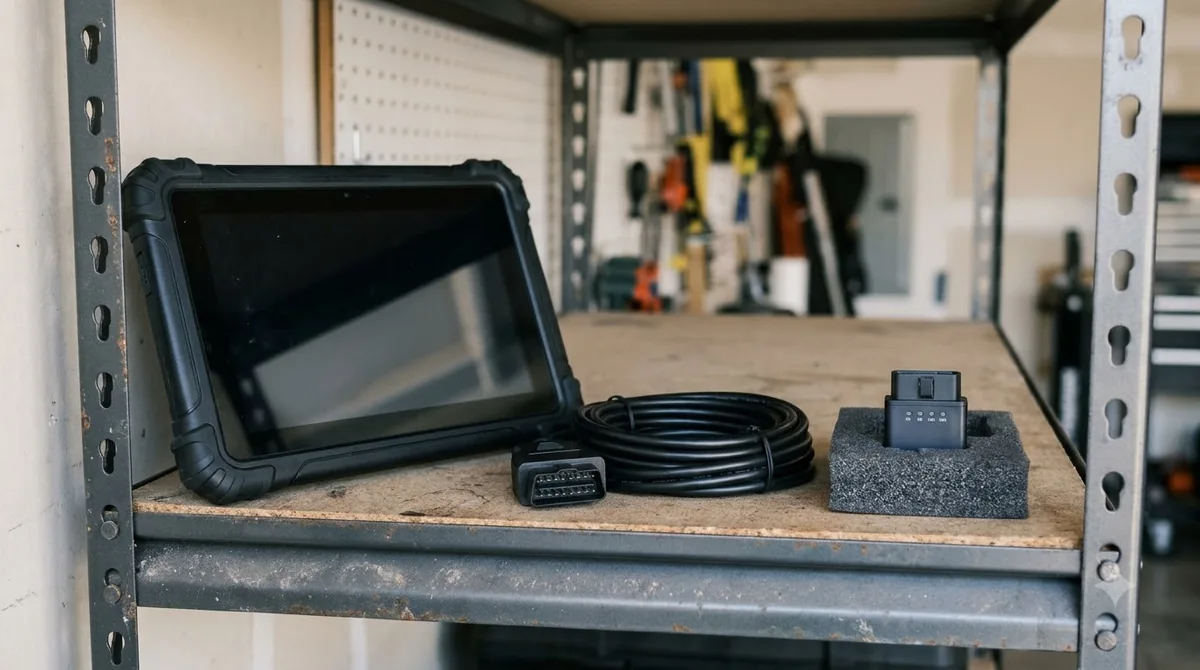
An OBDLink support article on transmission temperature gauges notes that manufacturers are not required to use the same PID name. The same reading can therefore appear under different labels from one brand to the next.
The reference gives examples. Ford lists a transmission fluid temperature item that can display in Fahrenheit. GM lists several items titled transmission fluid temperature, so you may need to try more than one. Toyota offers two options, labeled A/T 1 Pan and A/T 2 Torque.
Two practical points help when you chase a normal transmission temperature reading. A basic scanner may not list these manufacturer items at all, and a first-time user can follow a guide on how to use an OBD2 scanner before hunting for them. Engine coolant temperature is a different reading, so do not confuse the normal engine coolant temperature range with the transmission figure. If a brand shows several transmission temperature options, try the others, and check any value against a known source before you trust it.
When a High Reading Is a Warning Sign
Act when readings stay above your vehicle’s normal transmission temperature range, because sustained heat does more harm than one brief spike. The 250°F seal threshold and the 290°F slip threshold give a practical scale, and a reading that climbs toward them needs attention.
- Confirm the reading against your owner’s manual or service information.
- Check the fluid level and condition using the method your manual describes.
- Look at the cooling system and any transmission sensor faults, since both are named as causes.
If the fluid is old, the severe-service interval may already have passed, so a fluid check is a sensible next step. This article does not diagnose a specific fault. A shop with the right service data can trace a problem that a general normal transmission temperature figure cannot explain, such as a unit that already shows transmission slipping.
Frequently Asked Questions
Is 200°F too hot for an automatic transmission?
No. 200°F falls inside the 175°F to 220°F editorial range that SlashGear describes as ideal for most automatic transmissions. The figure in your owner’s manual still decides, because some vehicles publish a narrower or different target. A reading that stays near 200°F during normal driving is generally within the normal transmission temperature range.
At what temperature do transmission seals start to fail?
According to SlashGear, above 250°F the fluid can harden and crack rubber seals. Above 290°F, the article says the transmission can slip and seals and clutches can fail completely. These are editorial thresholds, not manufacturer limits, so use the service information for your model whenever you have it.
How often should transmission fluid be changed under severe use?
A 2003 Motor magazine article says the change interval can drop to as few as 12,000 miles under severe service. Towing is one example of the extra strain it describes. Your owner’s manual gives the interval for your vehicle, and it is the better guide if your schedule differs from the article.
Does a hot transmission always mean a failing transmission?
No. Sources list failed sensors, cooling system problems, hot weather and demanding driving as causes of high readings. A reading above the normal transmission temperature is a reason to check the fluid, the cooling system and the sensors, not a confirmed diagnosis. Repeated readings above the specified range deserve a closer look from a qualified shop.
Where can I find the correct transmission temperature for my car?
Start with the owner’s manual, then check the manufacturer’s service information. Specifications vary by make, model and transmission design, so a general normal transmission temperature range is only a starting point. If a scanner shows a transmission fluid temperature value, compare it with the manufacturer figure before you decide anything.
Treat heat as a warning sign, not a number to chase. A normal transmission temperature inside your manufacturer’s range with clean fluid is the goal, and any sustained climb above that range is the moment to check the fluid, the cooling system and the sensors.
