
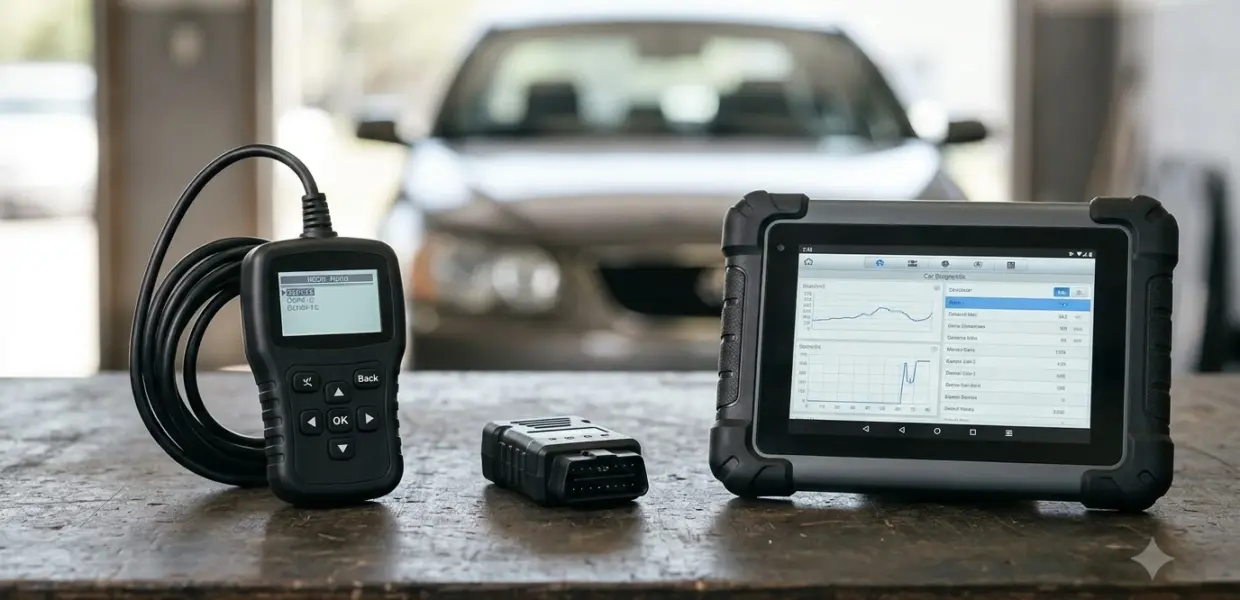

P0868 is a generic OBD-II trouble code that means transmission fluid pressure is low. Your car’s control module sets it when hydraulic pressure in the transmission falls below the level it expects. Treat the code as a warning that needs a check, not a small nuisance.
Causes and fixes vary by make, model and year, so the diagnosis matters more than the code alone. The sections below cover symptoms, likely causes, the order a technician usually checks them, and when driving becomes a risk.
What the P0868 Code Means
P0868 means the transmission has detected low fluid pressure in its hydraulic system. Fluid pressure is what allows the transmission to shift gears, so low pressure can cause shifting problems.
According to Kelley Blue Book’s trouble code guide, the P0868 code indicates an issue with transmission fluid pressure, specifically that the pressure is low. Transmission fluid provides the hydraulic pressure needed for gear shifts, so the code is a direct sign that the shifting system is not getting enough pressure.
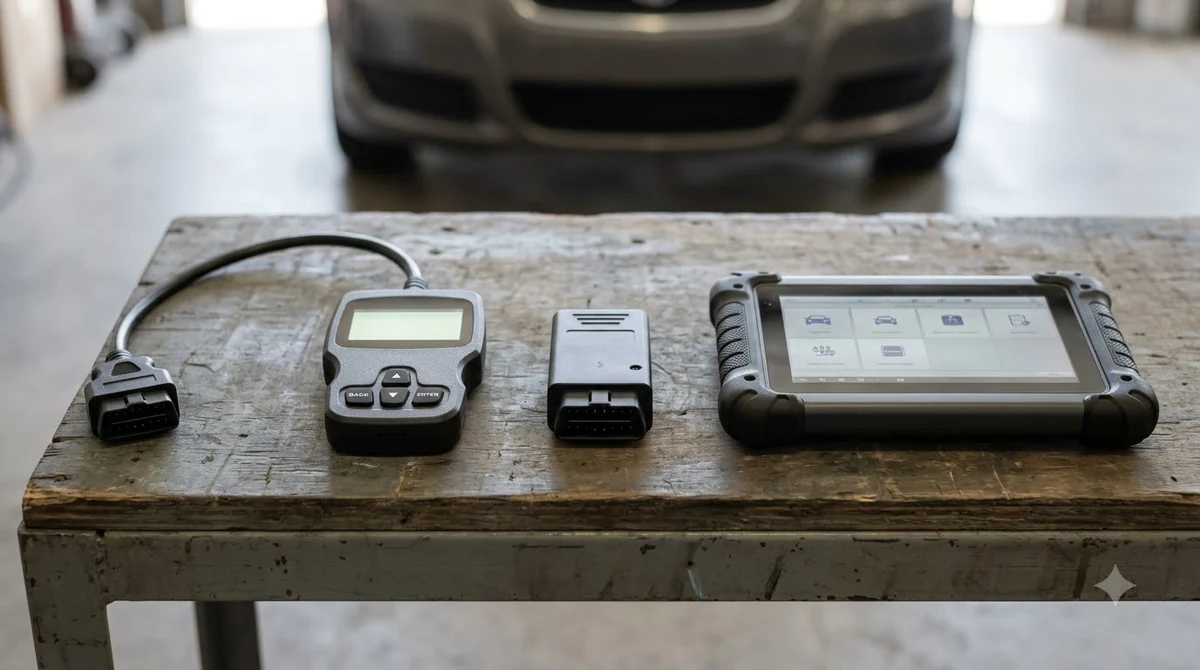
Some manufacturers name the same code in their own terms. A 2023 Hyundai bulletin, for example, lists P0868 as Transmission Fluid Pressure (TFP) Sensor Low. The sensor and the fluid pressure it reports are both part of the diagnosis, so the code alone does not tell a technician where the fault sits. The generic P0700 transmission control code is another code a scan may show for the same system.
Because the code is generic, the same P0868 can appear on different makes with different underlying faults. Treat it as the starting point of a diagnosis, not the final answer.
Symptoms That Usually Come With P0868
A lit check engine light is one of the most prominent signs of a P0868 code, often alongside shifting problems. The light is one of the most prominent symptoms, but it rarely tells the whole story. Other signs depend on how far pressure has dropped and how the transmission reacts.
- The check engine light is on.
- Gears slip (see transmission slipping causes), or the transmission does not shift at all.
- The transmission overheats, which can cause damage.
- Some models enter limp mode to protect the transmission.
Limp mode is a protective setting. A car that enters it needs diagnosis before you rely on it for daily driving, even if it seems to run normally after a restart.
Symptoms can be intermittent. Write down when the light came on, what the car was doing and the outside temperature. That record helps a technician reproduce the fault.
Causes Behind Low Transmission Fluid Pressure
The first cause to check is low transmission fluid, which often comes from a leak. Sensors, pumps and wiring can also set the code, so the fluid level alone does not settle the question.
Pressure cannot build properly when there is not enough fluid in the system. That is why the level check comes first. The guide lists the following causes for P0868.
- Low transmission fluid level, which may result from leaks.
- Dirty or contaminated transmission fluid.
- Damaged wiring.
- A defective temperature or pressure sensor for the transmission fluid.
- A failed pressure pump.
- A faulty powertrain control module, which the guide calls extremely uncommon.
Start with the cheap, easy checks before any expensive part is considered. The control module is the least likely cause on that list, so replacing it first is hard to justify without test results that point to it.
How a Technician Narrows Down the Fault
A technician usually checks the fluid level first, then the fluid condition, then sensors and wiring, and leaves the control module for last. Each step rules out a simpler cause before a more complex one.
Kelley Blue Book’s guide describes diagnosis in roughly this order, although it does not publish a formal step-by-step procedure. Use the following sequence as a checklist for what a shop should cover.
- Check the transmission fluid level, and fix any leaks before adding fluid.
- Check the fluid condition, and replace it if it is dirty or contaminated.
- Inspect the pressure sensor, the pressure pump, the connections and the wiring.
- Consider the control module last, since the guide calls its failure extremely uncommon.
Procedures differ by vehicle, so follow the manufacturer’s method for checking the fluid. A reading taken under the wrong conditions can mislead the diagnosis from the start.
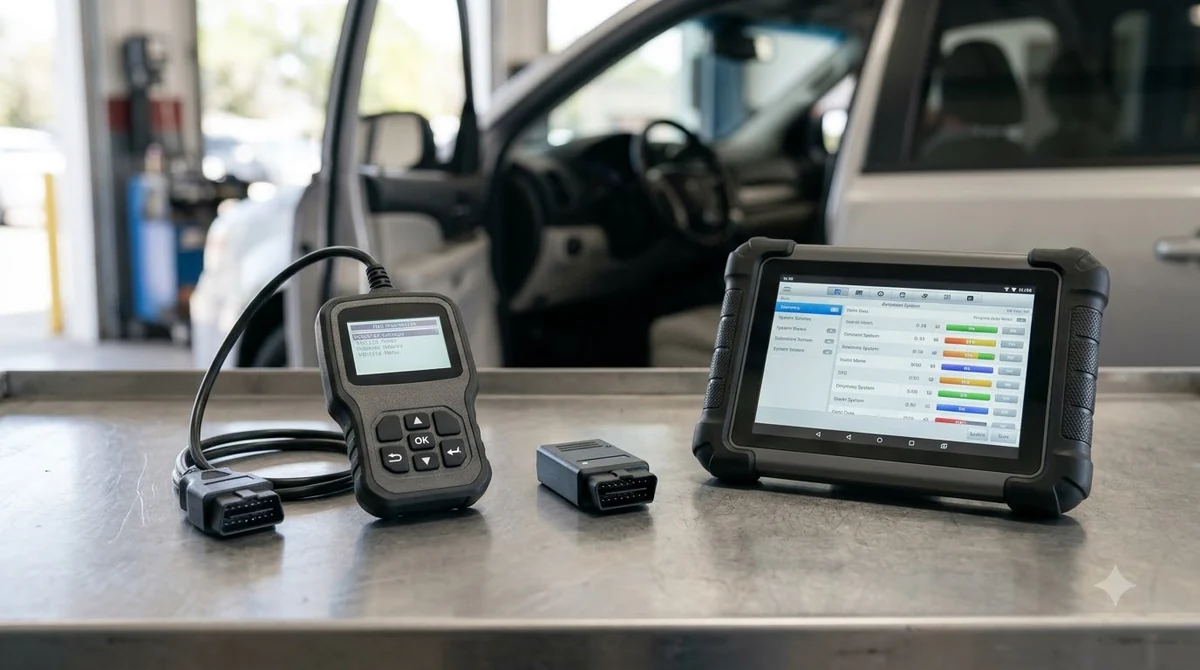
Diagnosis can be difficult, and the guide recommends an expert for complex cases. If a basic fluid check and visual inspection find nothing, the next step is a shop with scan tools that can read live data from the transmission, the kind covered in the OBD2 scanners with live data picks.
Can You Keep Driving With a P0868 Code?
Driving with a P0868 code depends on how the car behaves, and long trips are not advised until a shop has checked it. The guide advises against long drives even when the vehicle still runs.
- If the car will not shift out of first gear, it may only be driven at very low speed.
- If the transmission is overheating, driving may not be possible.
- If the car is in limp mode or has serious drivability problems, call a repair shop before driving.
- If the car drives normally with the light on, book a diagnosis soon rather than waiting.
Keep any necessary trip short and stay off the highway. Overheating can cause damage, so a short, careful drive to a shop is the safer choice. Note any warning messages and when they appeared, so the shop can match them to the stored code.
Manufacturer Service Bulletins Can Name P0868 Too
Some manufacturers list P0868 in service bulletins, which can point to a known fix for specific model years. Hyundai’s TSB 23-AT-004H on NHTSA lists P0868 as Transmission Fluid Pressure (TFP) Sensor Low.
That bulletin was published in May 2023 for certain 2021 to 2022 Santa Fe and Sonata models with the 2.5T engine, and certain 2022 Santa Cruz models. It applies only when Recall 236 or Service Campaign T8N has already been performed. In that case P0868 appears with high pressure electric oil pump codes, namely P1C2D03 (motor position sensor) and P193B79 (pump performance), and the bulletin covers replacing the 8-speed wet dual clutch transmission. It is an example of how bulletins work, not a fix for your car.
Bulletins are tied to model year, engine and transmission type, so a dealer service department can check whether any bulletin applies to your vehicle identification number before parts are replaced.
Questions to Ask Before Approving Repairs
Before approving a P0868 repair, ask the shop what it tested, what it found and why the next part is needed. A clear answer shows whether the diagnosis went beyond the code.
- Did you check the fluid level and condition, and did you look for leaks?
- Did you test the pressure sensor and its wiring?
- Did you check the pump and the connections, not only the code?
- Did you check for service bulletins that match my vehicle?
- Can you show me the readings or the leak you found?
If the answer is only that the control module must be replaced, ask for the evidence. The guide describes module failure as extremely uncommon, so a second opinion is reasonable before a costly replacement.
Frequently Asked Questions
Is P0868 the same on every vehicle?
P0868 is a generic code, so its basic meaning is the same across makes. The causes, sensor naming and service bulletins can differ by make, model and year, so the diagnosis must match your specific vehicle.
Will clearing the code fix the problem?
No. Clearing the code only removes the warning. If low fluid, a leak or a faulty sensor is still present, the code is likely to return, so the underlying cause still needs repair.
Can I add transmission fluid myself?
You can check the level if you know the manufacturer’s method. Do not refill until you have found and fixed any leak, because adding fluid to a leaking system hides the problem and does not solve it.
Does P0868 always mean the transmission is failing?
No. The guide lists low fluid, dirty fluid, damaged wiring, sensor faults and pump faults as causes. Many of these are not internal transmission failures, which is why diagnosis should come before any major repair.
Does a P0868 code always need a dealer?
Not always. The guide notes that diagnosis can be difficult and recommends an expert for complex cases. A general repair shop with scan tools can handle the basic fluid and wiring checks, and a dealer can check bulletins for your vehicle.
Can the code come back after a repair?
Yes, if the underlying cause was not fixed. Ask the shop to confirm the repair by clearing the code and road-testing the car, then watch for the light returning over the next several drives.
If the light is on but the car drives normally, schedule a fluid check and diagnosis soon. If it slips, overheats or enters limp mode, stop driving and call a shop before going any further.
