
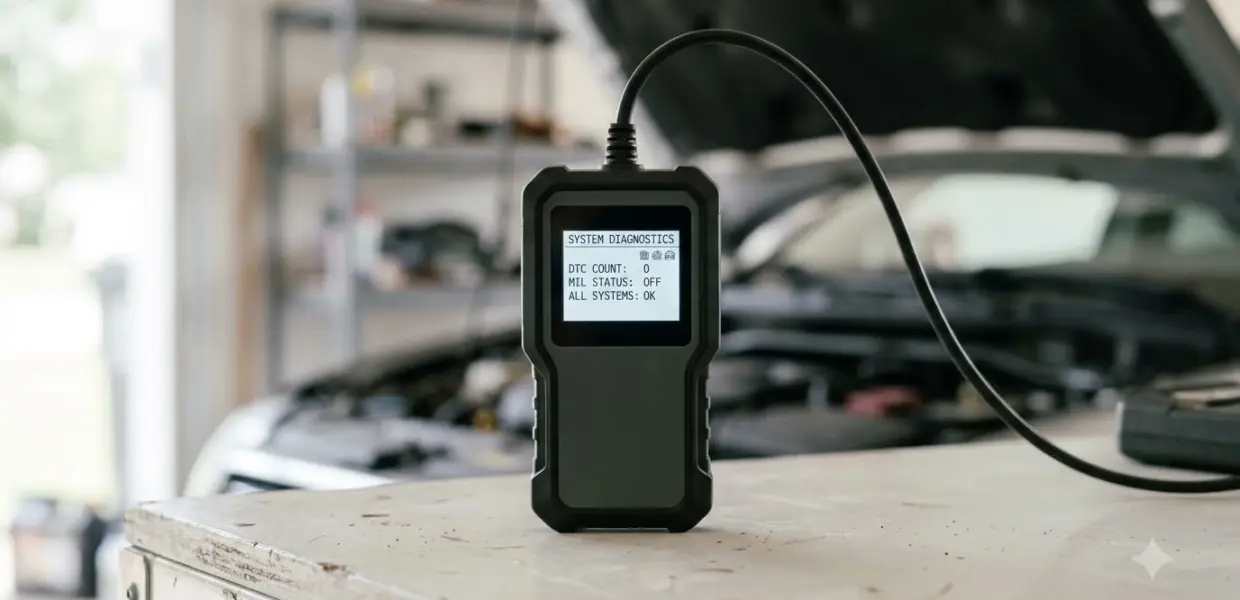

P0740 is a generic OBD-II code for a fault in the torque converter clutch circuit. It means the transmission control computer saw an abnormal signal from the clutch control solenoid. The fix depends on the cause, and checking fluid and wiring first can save you money.
The P0740 code does not always mean the transmission is failing. A solenoid, wiring or fluid problem can set it, and those repairs cost far less than a rebuild. Read the code again after each repair to confirm the fault is gone.
What the P0740 Code Means
P0740 is a generic code for a malfunction in the torque converter clutch (TCC) circuit. The control module sets it when the signal from that circuit stays abnormal for a set period.
The TCC is a lockup clutch inside the torque converter. At steady cruising speed, the control module uses the TCC solenoid to lock that clutch, which reduces slip and helps efficiency. When the circuit reads open, shorted or out of range, the module sets the code.
According to MechanicBase’s P0740 summary, the powertrain control module sets the code after it reads an abnormal signal from the torque converter clutch circuit for a set period. The same source notes that some manufacturers define this code differently, so the exact fault depends on your make and model.
Common Causes of P0740
The first cause to check is usually the TCC solenoid, but wiring damage, low fluid, a bad torque converter and a faulty control module can also set the code. A related code, P0741, covers torque converter clutch performance and shares several of these causes.
MechanicBase lists six common causes. Work through them from the cheapest checks to the most expensive parts, because a wiring or fluid fault can look like a failed solenoid.
- A defective TCC solenoid
- A malfunctioning torque converter
- An electrical fault in the wiring or connectors
- An incorrect transmission fluid level
- Internal transmission damage
- A faulty powertrain control module (PCM)
Fluid and wiring are the cheapest checks. One repair-advice site says low or dirty fluid can keep the torque converter clutch from engaging properly, which is why the fluid check comes early in any P0740 diagnosis. If the fluid has never been serviced, note its age and mileage, since that history helps the technician judge how much the fluid may contribute.
Symptoms That Often Come With P0740
The most common symptoms are a check engine light, harsh or erratic shifting, and reduced fuel economy. Engine stalling and transmission overheating are also listed for this code. If the shifting also feels like slipping between gears, compare it with our guide to transmission slipping.
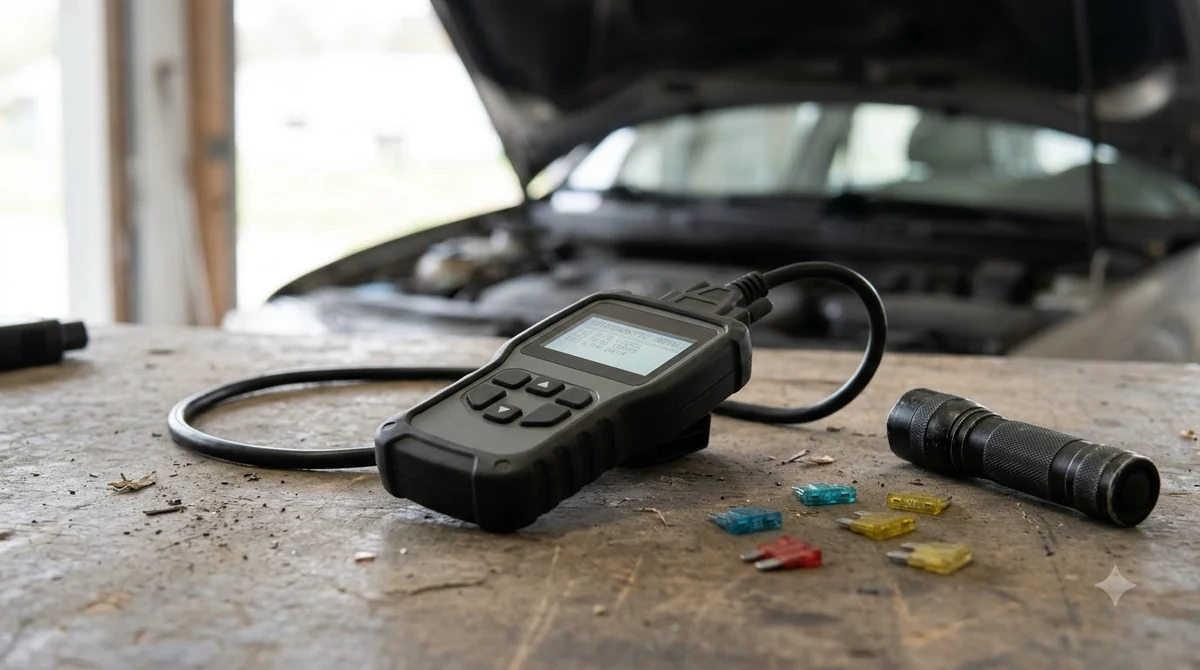
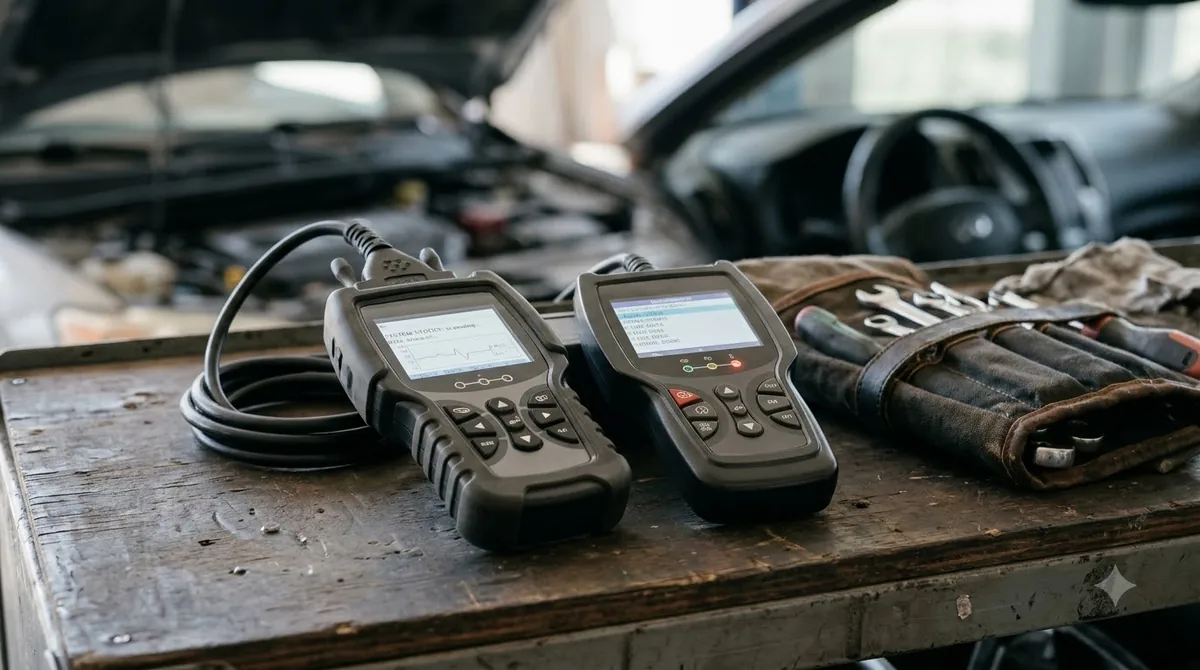
Symptoms alone do not confirm the code, because other transmission faults can cause the same feel. Read the stored code with a scan tool, and keep any freeze frame data for the technician. Note when the symptom happens, such as cold starts, highway cruising or light throttle, because that detail helps the technician link it to the clutch circuit.
- Check engine light on
- Erratic or harsh shifting
- Engine stalling
- Transmission overheating
- Reduced fuel economy
- A car that will not move because the clutch does not engage or release
How to Diagnose P0740 Step by Step
To diagnose P0740, check for other codes, inspect the fluid, examine the wiring, then test the TCC circuit with a multimeter and the wiring diagram.
Follow the order below. A cheap check can rule out an expensive part, and a diagnosis that skips the fluid and wiring often ends with a part that did not fix the fault.
- Check for other trouble codes. A second code can point to a shared wiring fault or a control module problem.
- Check the transmission fluid level and condition. Top off or service the fluid as the vehicle’s maintenance guide describes if the level is low or the fluid looks degraded.
- Inspect the transmission wiring harness. Look for corrosion, fraying, pinched wires and loose connectors.
- Test the TCC solenoid circuit. Use a digital multimeter and the wiring diagram to check the solenoid and its connections.
- Compare each reading with the factory specification. Resistance differs by vehicle and by temperature, so use the figure in the factory service information.
Testing the Solenoid and Its Wiring
Resistance is not one number that fits every vehicle. Many transmissions use a solenoid pack, so confirm which solenoid the control module commands before you test it.
Compare your reading only with the spec for your make, model and transmission, taken at the temperature the spec states. A number from a forum thread is not a reliable test value.
How to Fix P0740 and What Repairs Cost
Fixing P0740 depends on the cause. One repair-cost reference puts a TCC solenoid replacement at $55 to $555, while a torque converter or transmission job costs far more (see our torque converter repair cost guide for that part).
As of 2026-11-06, the ranges below come from one repair-cost reference, MechanicBase. They have not been confirmed against a second full source, so treat them as rough estimates. Parts, labor and shop rates vary by vehicle and region, and the generic transmission code is explained in our P0700 code guide.
| Repair | Estimate range | When it applies |
|---|---|---|
| Fluid service | $50 to $350 | Low or degraded fluid |
| Electrical repair | $50 to $550 | Damaged wiring or loose connectors |
| TCC solenoid replacement | $55 to $555 | Solenoid fails the resistance or circuit test |
| PCM update or replacement | $550 to $2,500 | Control module fault after other checks pass |
| Torque converter replacement | $450 to $1,550 | Converter fault after the solenoid and wiring pass |
| Transmission rebuild or replacement | $1,250 to $5,500 | Internal transmission damage |
The cheaper repairs sit at the top of the diagnosis list for a reason. Because wiring and fluid faults can mimic a failed solenoid, the cheaper checks come first.
When to Stop Driving and See a Mechanic
MechanicBase advises you to stop driving once the code appears, because continued driving can cause transmission failure and erratic shifting.
The EPA brochure on the check engine light gives the general rule for the warning light. A steady light means the system found a problem that needs service soon. A blinking light means a severe problem, such as a misfire that can damage the catalytic converter, so you should minimize driving and avoid high speed or heavy loads.
- Stop soon if the transmission slips, shifts harshly or stalls.
- Minimize driving at once if the check engine light blinks.
- Avoid towing or carrying heavy loads until a shop has read the code.
- Keep the stored code and any freeze frame data for the technician.
If the light goes out after a repair, the system has cleared the fault, but the repair still needs to be confirmed. Ask the shop to read the code, check the fluid and wiring, and show the test results before you approve a transmission job. Keep a record of the date, mileage and symptoms you noticed, so the shop can compare them with the stored code.
Frequently Asked Questions
Can I drive with a P0740 code?
MechanicBase says to stop driving once the code appears, because continued driving can cause transmission failure and erratic shifting. If the check engine light blinks, minimize driving and avoid high speed or heavy loads. Have a shop read the code and confirm the cause as soon as you can.
Does low transmission fluid cause P0740?
It can. Low or degraded fluid can keep the torque converter clutch from engaging properly, so the fluid level and condition are among the first checks. Follow the vehicle’s maintenance guide, and look for leaks if the level is low.
Is P0740 the same on every car?
No. P0740 is a generic code, and some manufacturers define it differently. The likely cause, the test values and the repair steps depend on the make, model and transmission, so use the factory service information for your vehicle.
How do I know if the TCC solenoid is bad?
A solenoid test uses a digital multimeter and the wiring diagram to measure resistance and compare it with the factory spec at the stated temperature. A reading outside that spec, or an open circuit, points to the solenoid or its wiring.
Can I clear P0740 myself?
A scan tool can clear stored codes, but the code and the light return if the fault is still present. Clear the code only after the cause is fixed, then drive normally and check that the light stays off.
Will a solenoid replacement always fix P0740?
Not always. A solenoid swap can leave the code in place when the wiring, fluid or torque converter was the real problem. Test the circuit before buying parts, and ask the shop to show its results.
An unexplained code is a reason to get a proper diagnosis before you approve a transmission job. Start with the cheap checks in order: other codes, fluid, wiring, then the solenoid. Only if those pass should the torque converter or control module be the next test, and a rebuild should be the last step, not the first.
