

Transmission slipping means the engine speed climbs while the car fails to speed up as it should. Most cases point to low or burnt fluid, a worn internal part or a control fault, so a shop should check it soon.
Some low-mileage GM automatics can feel firm or slip briefly while they adapt, so timing and symptoms matter. The sections below help you tell normal adaptation from a real fault before you book a repair.
What transmission slipping feels like and what it means
Transmission slipping means the engine RPM rises without a matching increase in vehicle speed, often on acceleration or during a shift. The clearest sign is that the revs climb while the car does not pick up speed.
The Mechanicbase transmission slipping guide lists other symptoms that often appear with slipping, including a burnt smell, grinding noises, dashboard warning lights, and slow or delayed shifting. Any of these alongside slipping calls for prompt inspection.
Slipping is different from a harsh shift. A harsh shift feels abrupt, while slipping means the engine speed and the road speed do not line up, which is the pattern to report to a shop.
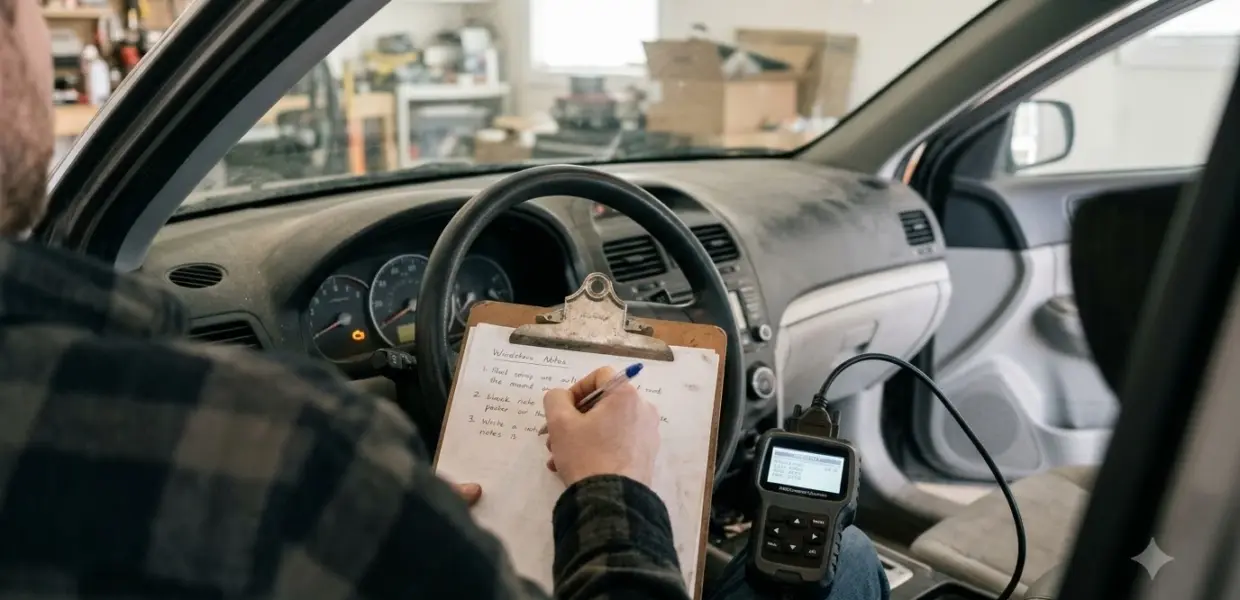
Transmission slipping often shows up first as a change in how the car accelerates, so note the first time you notice it. Write down the speed, the temperature and what the car was doing, since those details help a shop reproduce the problem.
- Engine RPM rises without a matching gain in vehicle speed
- A burnt smell from the transmission
- Grinding noises
- Dashboard warning lights
- Slow or delayed shifting
Common causes of transmission slipping
Low transmission fluid is the most common cause, according to the Mechanicbase article, followed by burnt fluid, worn bands, a faulty torque converter and faulty shift solenoids. Each cause reaches the gears in a different way.
| Cause | What it does | Who should check it |
|---|---|---|
| Low fluid | Reduces the pressure needed to engage gears | Check the level if your car allows it |
| Burnt fluid | Loses effectiveness after overheating | A shop checks the smell and color |
| Worn bands | Can slip when worn; less common in newer transmissions | A shop diagnoses; replacement may need a rebuild |
| Torque converter | May not build the pressure needed to transfer torque | A shop diagnoses |
| Shift solenoids and wiring | Control when the gears change | A scan for stored codes and a wiring check |
| Worn clutch in dual-clutch gearboxes | Slips in dual-clutch units such as some VW and BMW models | A shop diagnoses |
The table is a guide, not a diagnosis. A low fluid level and a faulty solenoid can feel similar from the driver seat, which is why the checks below matter before any part is replaced.
A shop will weigh these causes together, because transmission slipping can come from more than one cause at a time. Several of these parts sit inside the transmission, so a visual check rarely settles the question.
Use the table to ask better questions at the shop, not to settle the cause on your own. A clear list of symptoms makes the diagnosis faster and cheaper to confirm.
Check the fluid and codes before you guess
Start with the simple checks you can do safely at home. Low fluid is the most common cause, so checking the level and condition is the first step when your car allows it.
- Read the owner’s manual section on transmission fluid for your model.
- Check the fluid level and color if your car has a dipstick, and follow the manual for the check method.
- Note the smell, the noise, and when the slip happens, such as cold starts or hard acceleration.
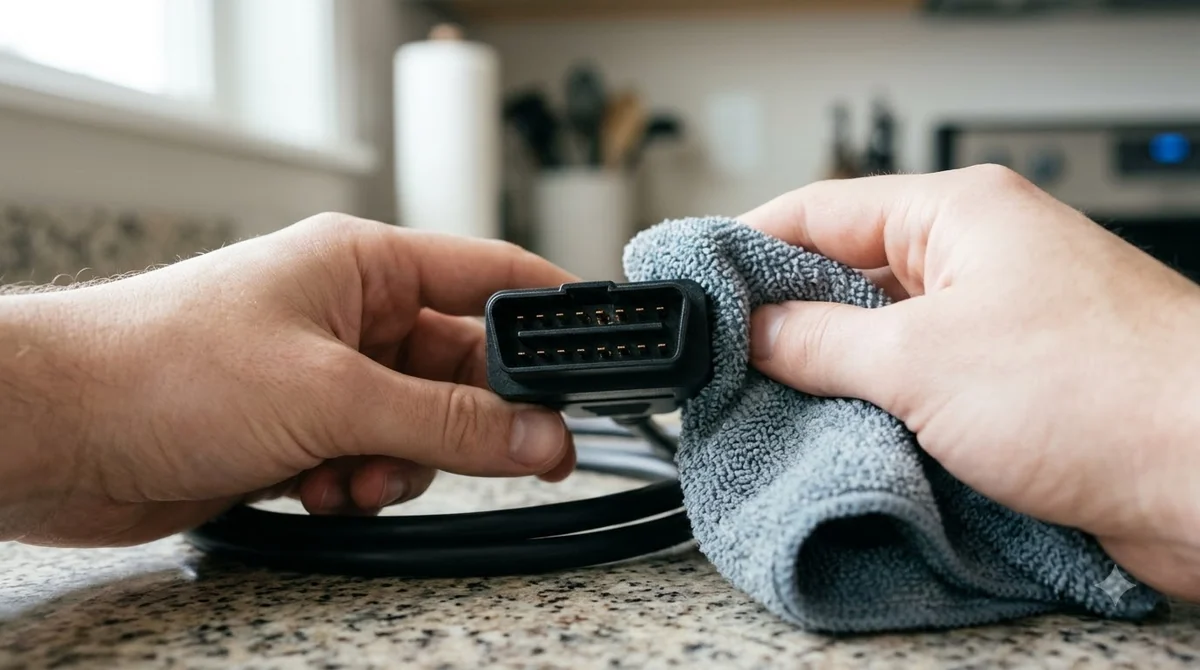
- Scan for stored codes with an OBD2 scanner and write them down.
- Book a shop visit and bring those notes with you.
A burnt smell with dark fluid points toward the overheating problem the article describes, and the guide compares the smell to burnt toast. The transmission is a sealed system, so fluid that keeps dropping points to a leak that needs repair, not only a top-up. Stored codes can point to solenoids or the control circuit, so they belong in the shop conversation.
Keep the fluid check and the code scan in the same visit, so the shop can match the stored codes with what you saw. That record also helps if transmission slipping returns after a repair.
Is slipping normal on a low-mileage GM transmission?
GM bulletin 16-NA-019 says some low-mileage 8-speed automatics can feel firm, slip or flare while an adaptive function refines shift quality. The bulletin defines low mileage as about 5,000 miles or less, or a recent valve body, clutch repair or transmission replacement.
The bulletin lists many Cadillac, Chevrolet and GMC models across several model years, and it says some customers may comment that shifting feels too firm. It is a dealer bulletin, so it describes adaptation and does not promise that every slip is normal.
Adaptive functions learn from driving, so the first few hundred miles can feel different from later ones. That is the reason the bulletin separates low-mileage cars from cars that have been driven longer.
This bulletin does not cover every transmission. Check your VIN, model and transmission code against the bulletin before you assume it applies, and treat a slip that continues beyond the adaptive period as a fault to inspect.
If your car matches the bulletin, ask the dealer whether the adaptive procedure applies to your vehicle before you pay for repairs. Owners outside the bulletin list should rely on the owner’s manual and a shop diagnosis instead.

When transmission slipping means stop driving
Stop driving and arrange a tow if the slipping is severe or the engine revs without any speed gain, because the Mechanicbase guide says heat can burn the fluid and damage other expensive parts. Driving with a slipping transmission is not recommended.
- Slipping with a burnt smell: stop driving and have it inspected.
- Grinding or lurching with slipping: arrange a tow.
- Warning light plus slipping: book a shop visit before any road trip.
A short drive to a nearby shop is a different decision from a long trip. Keep the drive short, avoid heavy acceleration, and plan the route before you leave.
If transmission slipping starts during a trip, pull over safely when you can and avoid repeated hard acceleration, which adds heat. Plan longer gaps at lights and merges, since the car may not respond as you expect.
Can you fix transmission slipping yourself?
Topping up fluid can help only when the level is low and your owner’s manual gives the correct fluid type. Internal faults such as worn bands, a torque converter or solenoids need diagnosis, and often more than a top-up. If the diagnosis points to the converter, read what a failed torque converter costs to fix before the shop quotes the job.
The trade-off is cost against risk. A fluid check takes little time, while a delayed repair can let heat spread to other parts, as the Mechanicbase article warns. Choose the fluid only after you have checked the manual.
A recurring transmission slipping problem needs a diagnosis, because the same symptom can return from a part that was never replaced. Ask the shop what they tested, not only what they replaced.
Note the car maintenance history, including the last fluid service and any recent repairs. A shop will ask for that history first, and a clear record can save time at the counter.
Frequently Asked Questions
Is transmission slipping dangerous?
It can be. The Mechanicbase article says driving with a slipping transmission is not recommended, because heat can burn the fluid and damage other parts. Get it inspected before a long trip.
What is the most common cause of transmission slipping?
Low transmission fluid is the most common cause, according to the article, because low fluid reduces the pressure needed to engage gears. Check the level first when your car allows it.
Does transmission slipping always mean a rebuild?
No. The article says worn bands are less common in newer transmissions, and that replacing them can require a full rebuild. Diagnosis decides whether the cause is fluid, a solenoid or an internal part.
Can a GM transmission slip while it learns?
GM bulletin 16-NA-019 says some low-mileage 8-speed automatics may feel firm, slip or flare while an adaptive function refines shift quality. Check your VIN and model against the bulletin before you assume it applies.
How long can I keep driving with transmission slipping?
The article advises against driving with a slipping transmission, so keep trips short and get an inspection as soon as you can. The safest choice is to avoid driving it at all until a shop has checked it.
Does a burnt smell confirm transmission slipping?
A burnt smell is one of the symptoms the article lists, and it points to overheated fluid. It does not confirm the cause alone, so a shop should check the fluid and any stored codes.
Treat transmission slipping as a warning, not a fault to ignore. Book an inspection soon, bring notes on when the slip happens, and ask the shop for stored codes and the fluid condition before approving any major repair.
