

Limp mode is a protective state that cuts engine power when your car detects a fault. Its job is to limit damage and let you reach a safe spot or a service center, not to keep the car running normally.
Limp mode is a warning that something needs checking, not a fix in itself. Treat it as serious until a technician or scan tool has found the cause.
This article is general information, not a diagnosis of your car. Behavior differs by maker and model, so check your owner’s manual and a qualified mechanic before you drive farther.
What Is Limp Mode and Why Do Cars Have It?
Limp mode is a computer-activated state that restricts engine power and switches off non-essential functions when a fault is detected.
The engine control unit, or ECU, decides when to switch it on. The aim is to let the engine run just well enough to drive slowly and stop somewhere safe, so a small fault does not turn into a costly failure.
Manufacturers use other names for the same protection, including limp home mode and fail-safe mode. The exact behavior depends on the car, but the goal is the same: protect the engine and drivetrain while you get to a safe place.
Why the Check Engine Light Usually Comes On
A check engine light or transmission warning light is on in nearly every reduced-power case, so it is the first clue to follow. If your dashboard shows a Reduced Engine Power message, see what the Reduced Engine Power message means.
Sensors monitor engine temperature, electrical voltage and fluid levels. When a reading falls outside its normal range, the ECU can trigger limp mode and turn on a warning light on the dashboard.
Write down what the dashboard shows when the car changes behavior. A stored fault code gives your mechanic a starting point, and the code still matters even if the light goes off later. A generic transmission fault is covered in the guide to transmission control fault codes.
What Triggers the Warning?
Common causes include damaged wiring, low fluid levels, overheating and faulty sensors, while transmission problems and low oil pressure are more serious.
Several faults can trigger limp mode, and the same warning light can come from different problems. The table groups the usual causes by how seriously the sources treat them. Transmission faults sit in the serious group, and a guide on what causes transmission slipping covers the symptoms.
| Cause | How serious | What to know |
|---|---|---|
| Damaged wiring or loose connections | Less serious | Often fixed by repairing the connection itself |
| Faulty sensor, such as a dirty mass airflow sensor | Least serious | If the light clears and the car drives normally, a sensor is likely the cause |
| Low engine oil, coolant or transmission fluid | Less serious | Top up to the correct level and look for leaks |
| Overheating from a cooling system fault | Can be serious | Stop the engine as soon as it is safe |
| Low oil pressure | Serious | Can quickly destroy an engine |
| Transmission clutch or solenoid fault | Serious | The gear may stick in second or third |
| Engine misfire from worn spark plugs | Varies | A scan tool is needed to confirm the cause |
| Faulty battery | Generally not a trigger | Other electrical faults can still trigger it |
Some guides also list brake problems and engine failure as serious causes. A warning that comes with changes in braking or engine noise needs prompt inspection.
What Power Loss Feels Like and How Fast You Can Go
In limp mode the car usually slows to around 35 to 50 mph and limits engine speed, with the exact limits depending on the maker.
Expect a noticeable loss of power. The typical effects are these.
- Top speed often capped at about 35 to 45 mph, though one guide cites 40 to 50 mph.
- Engine speed limited to roughly 2,000 to 3,000 rpm.
- Transmission held in second or third gear, with upshifts blocked.
- Air conditioning and other non-essential functions switched off.
- Check engine or transmission light on, sometimes flashing.
A real example shows how strict the limits can be. In a 2018 Kia owner letter for certain 2016 to 2018 Optima models, the company said a blinking warning light and limp home mode would cap engine speed at about 1,800 to 2,000 rpm, or roughly 65 mph or less. The letter warned that driving for an extended number of miles could cause severe engine damage and stall. That letter covers one model, so treat it as an example, not a rule for every car.
Hybrids and Electric Cars
Hybrids have a combustion engine, so they can enter limp mode much like a gasoline car. Fully electric cars have no engine, and they use a similar failsafe called turtle mode instead.
Turtle mode usually starts when the battery charge is low. Most makers do not publish a trigger level, but KBB calls 10 percent a rough rule of thumb, and speed can drop as low as 20 mph. Adding charge usually ends it. If the gauges show plenty of charge, pull over and restart the vehicle.
What to Do When the Warning Appears
Pull over safely, switch the engine off and check the basics before you decide whether to keep driving.
- Ease off the throttle and move to a safe spot out of fast traffic.
- Look at the other dashboard lights, such as oil pressure, coolant temperature, battery and transmission.
- Switch the engine off once you are safely stopped.
- Check the oil, coolant and transmission fluid levels using your owner’s manual, since the method varies.
- If the engine is hot, wait before opening anything, and never open a hot radiator cap.
- Check the air filter and its hoses for debris if you can reach them safely.
- Call for a tow if you cannot find a clear cause, the light keeps returning or the car feels unsafe.
Do not keep driving just to see whether the problem goes away. When the cause is unclear, arrange a tow to a repair shop, because the cause may be serious.
How to Get Out of Limp Mode
You can often clear limp mode by turning the engine off, waiting at least 60 seconds and restarting, but the underlying fault still needs repair.
This is a reset, not a repair. Sources do not agree on the wait time. Some suggest 10 to 20 seconds, while KBB’s limp mode guide recommends at least 60 seconds, so use the longer wait if you are unsure.
- Pull over somewhere safe, then switch off the engine and the ignition.
- Wait at least 60 seconds.
- Restart the car and check whether the light has cleared and the car drives normally.
- If the limit returns, stop and call roadside assistance rather than repeating restarts.
Restarting may let the computer reboot and clear the fault, but that does not mean the problem is solved. This state can return once the engine heats up, and a mechanic can still read stored codes even after the light goes off.
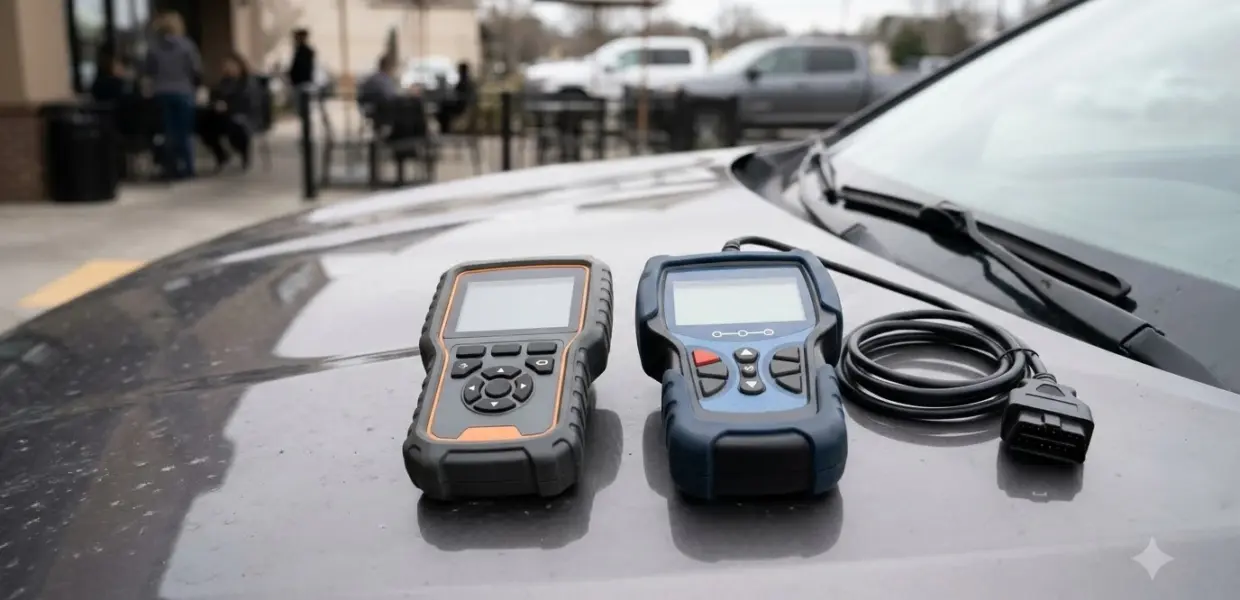
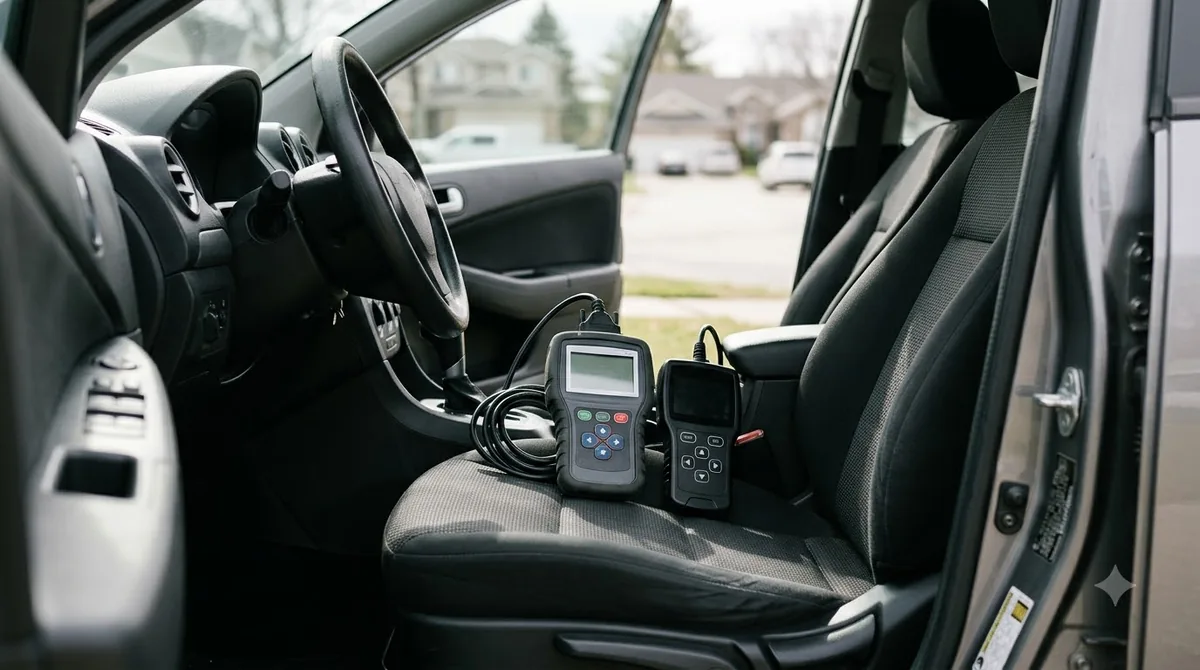
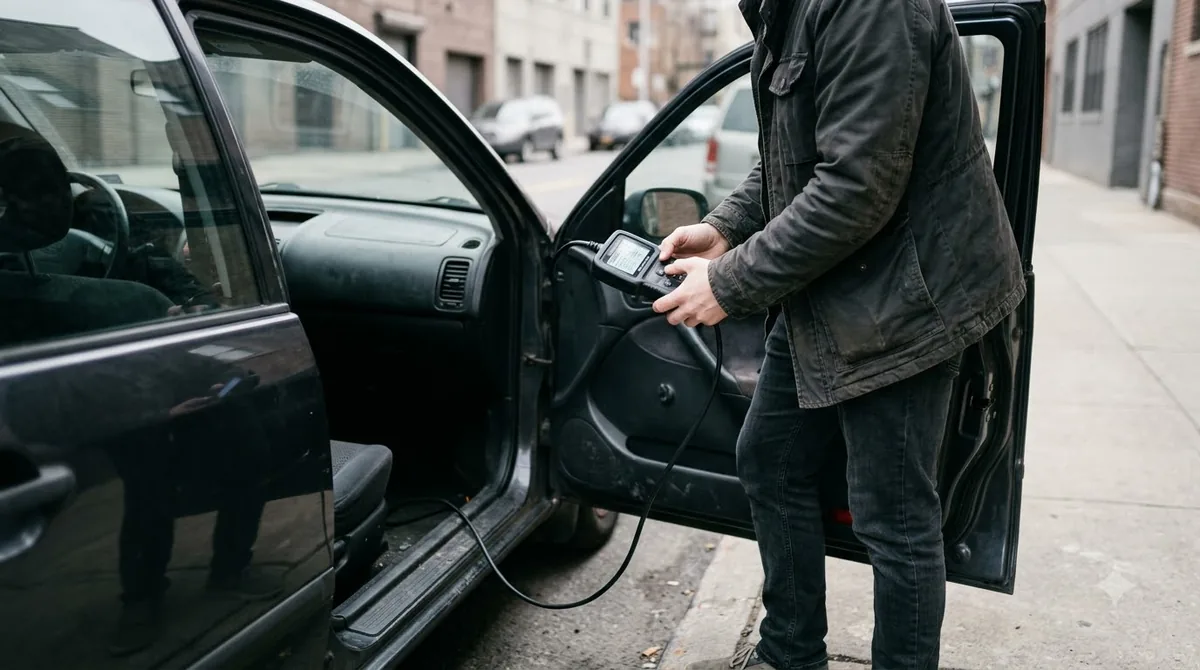
To read those codes yourself, use an OBD-II reader or scan tool. Basic readers work on nearly every passenger car from the 1996 model year onward, according to Cars.com, so they are a practical first check. For help choosing one, see OBD2 scanners that read stored codes.
When Reduced Power Becomes a Safety Risk
Driving in limp mode is generally not safe, and only a short drive to a safe place makes sense for a minor cause.
- Stopping in fast-moving traffic is more dangerous than driving slowly, so pull over as soon as it is safe.
- A short drive may be harmless for a minor cause, but it can cause costly damage if the fault is serious.
- Bypassing or overriding the mode can cause more serious and costly damage.
- Low oil pressure can quickly destroy an engine, so stop driving as soon as possible.
- Never open a hot radiator cap, since scalding coolant can spray out.
If the mode returns after a reset, treat it as a repeat fault, not a nuisance. Ignoring it can increase the final repair bill, because the underlying problem may get worse with each drive.
Frequently Asked Questions
Can you drive a car in limp mode?
Only for a short distance to a safe place or a repair shop. Driving in limp mode is generally not safe, because the fault may be serious even when the car still moves. Check the car before driving farther, and call for a tow if you are unsure.
Does limp mode damage the engine?
It can, if the fault is serious or the car is driven for a long time in that state. Low oil pressure can quickly destroy an engine, and a Kia owner letter warned that extended driving in limp home mode could cause severe engine damage and stall.
How fast can you go in limp mode?
Speed is usually capped around 35 to 50 mph, and sources vary by maker and model. Engine speed is also limited, often to about 2,000 to 3,000 rpm, so acceleration and highway merging become difficult. Drive gently and stay off fast roads.
Do electric cars have limp mode?
Fully electric cars have no engine, so they do not enter a typical reduced-power mode. They use a similar failsafe called turtle mode when the battery is low, which can reduce speed as low as 20 mph. Adding charge usually ends it.
Does a reset fix limp mode?
No. Turning the engine off and restarting can clear the fault for a while, but the underlying problem remains. If the light returns, get the car checked, because a mechanic can read stored trouble codes even after the light goes off.
Can a bad battery cause limp mode?
A faulty battery generally does not trigger limp mode, although other electrical faults can. Damaged wiring or loose connections are common examples, so have the electrical system checked if the warning returns.
Limp mode is a warning, not a fix. If the light returns or the car feels slow or unsafe, stop driving and have a qualified mechanic read the codes. The meaning of each warning light differs by model, so keep your owner’s manual in the car.
