
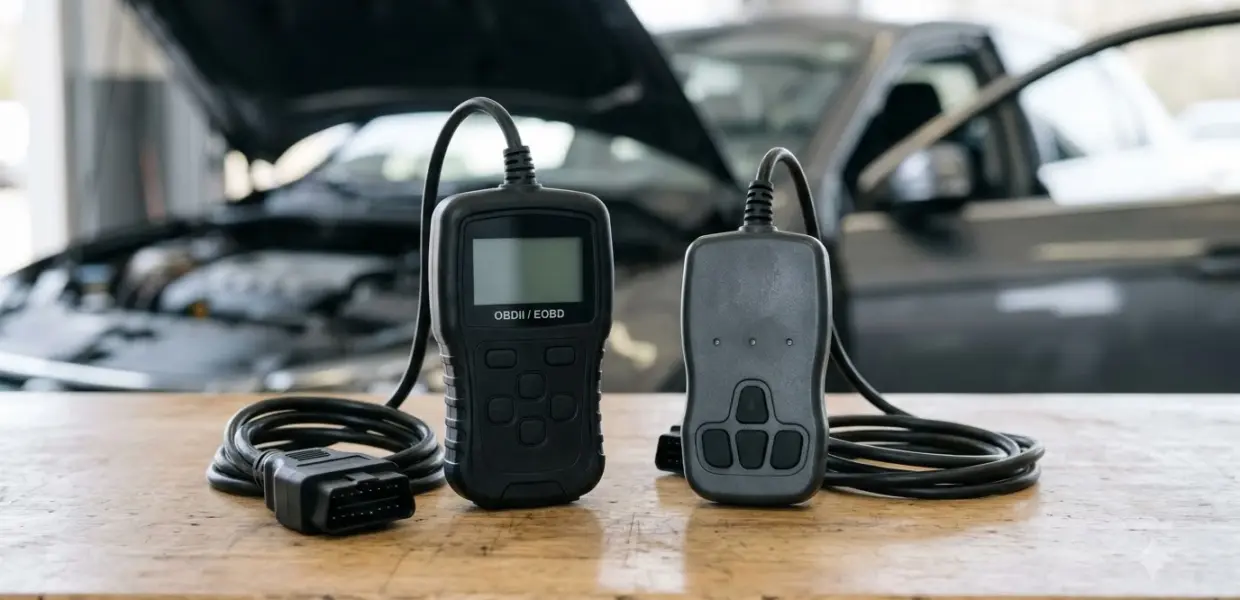

A P0137 code means the engine computer has detected a low voltage signal from the oxygen sensor on bank 1, sensor 2, the sensor mounted after the catalytic converter. It describes a circuit reading, not a confirmed failure.
Wiring damage, an exhaust leak or a lean-running engine can trigger the same reading as a bad sensor. Testing the circuit before buying parts saves money.
This article is general information only. Check your vehicle’s service information and have a qualified technician perform any repair work.
What the P0137 Code Means
P0137 is the engine computer’s report of a low voltage signal from the oxygen sensor on bank 1, sensor 2, which sits after the catalytic converter. Bank 1 is the side of the engine that holds cylinder 1, and sensor 2 is the downstream sensor, so it reads exhaust that has already passed the converter. According to one generic code guide, the engine computer detects this low-voltage signal from the Bank 1 Sensor 2 oxygen-sensor circuit.
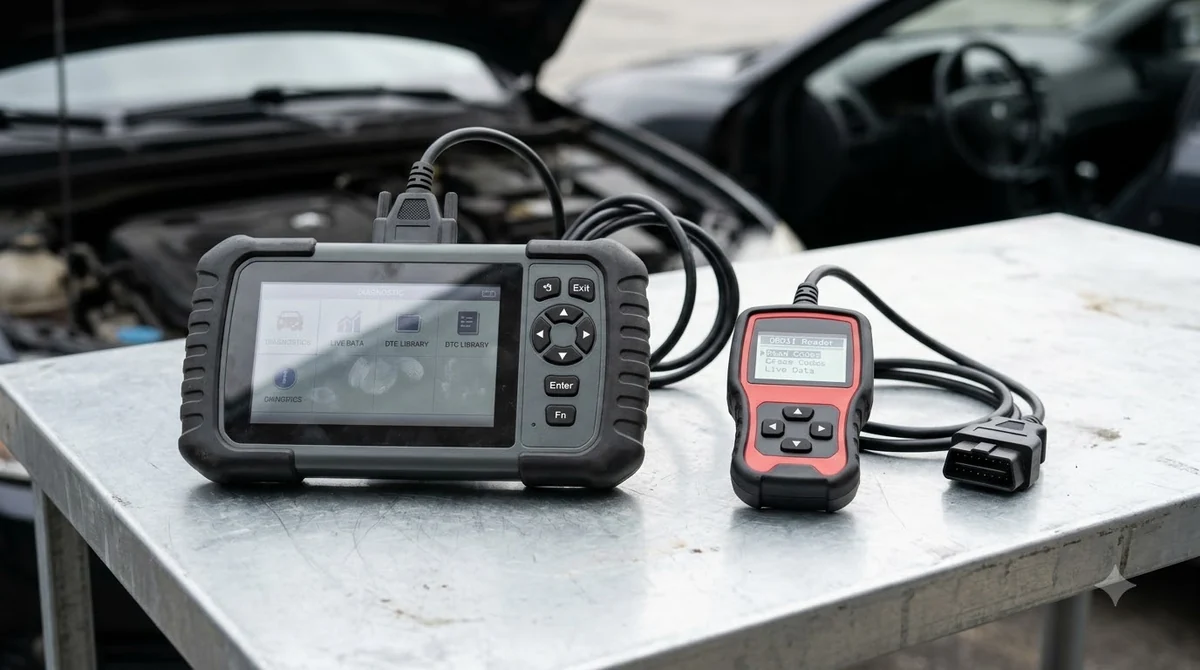
Subaru uses the same wording in its service bulletin 09-115-24, which lists P0137 as O2 Sensor Circuit Low Voltage Bank 1 Sensor 2. The fault can sit in the sensor, the wiring or the exhaust, so the code alone does not show which part has failed.
The same guide states that a P0137 code does not prove the sensor or the catalytic converter has failed. Treat the code as the start of a diagnosis, not the answer. The upstream sensor has its own codes, such as the P0133 slow response code, and catalytic converter efficiency has another family, such as the P0420 catalytic converter efficiency code.
Common Causes of a P0137 Code
A faulty downstream sensor, damaged wiring, an exhaust leak, a lean-running engine or an uncommon computer fault can each set a P0137 code, so testing should come first.
- A faulty downstream oxygen sensor, the most direct cause.
- Damaged wiring or a connector, including shorts, opens, corrosion and loose connections.
- An exhaust leak near the sensor.
- A lean-running engine, which can leave extra oxygen in the exhaust.
- An engine computer fault, which one guide calls uncommon.
Manufacturer Bulletins That Name the Same Code
Some manufacturers publish bulletins on the same fault. GM service bulletin 18-NA-009 covers 2016 and 2017 Buick Enclave, Chevrolet Traverse and GMC Acadia vehicles with the LLT engine. It says a power steering leak from the hose above the bank 1 oxygen sensor harness can contaminate the wiring and skew the readings.
The fix in that bulletin starts with inspecting the power steering inlet hose for leaks. If fluid is found on the hose leading to the sensor harness, the bulletin calls for replacing the bank 1 sensor, the inlet pipe or hose and the engine wiring harness. If no leak is found, the bulletin says to follow the normal diagnostics.
Jaguar Land Rover bulletin LTB00671NAS4 covers a different cause for heated oxygen sensor codes on 3.0L supercharged V6 models. It says water contacting the heated sensing element can cause thermal shock. Check whether your code appears in that bulletin’s table before applying its fix.
Symptoms and Whether You Can Drive
A steady Check Engine Light may be the only sign of a P0137 code, and a car that runs normally can usually wait for a prompt repair. Possible signs include:
- A steady Check Engine Light, sometimes the only symptom.
- A failed emissions test.
- A change in fuel economy or engine performance, depending on the vehicle and the cause.
The driving rule for a P0137 code depends on how the engine behaves. If the light is steady and the engine runs normally, you can usually arrange a prompt repair without stopping right away. If the engine misfires, loses power or runs poorly, diagnose those symptoms before driving far.
How to Diagnose a P0137 Code
Start by saving freeze-frame data, then inspect the connector, wiring and exhaust before testing the sensor circuit with live data. Work in this order so the test results point to the right part.
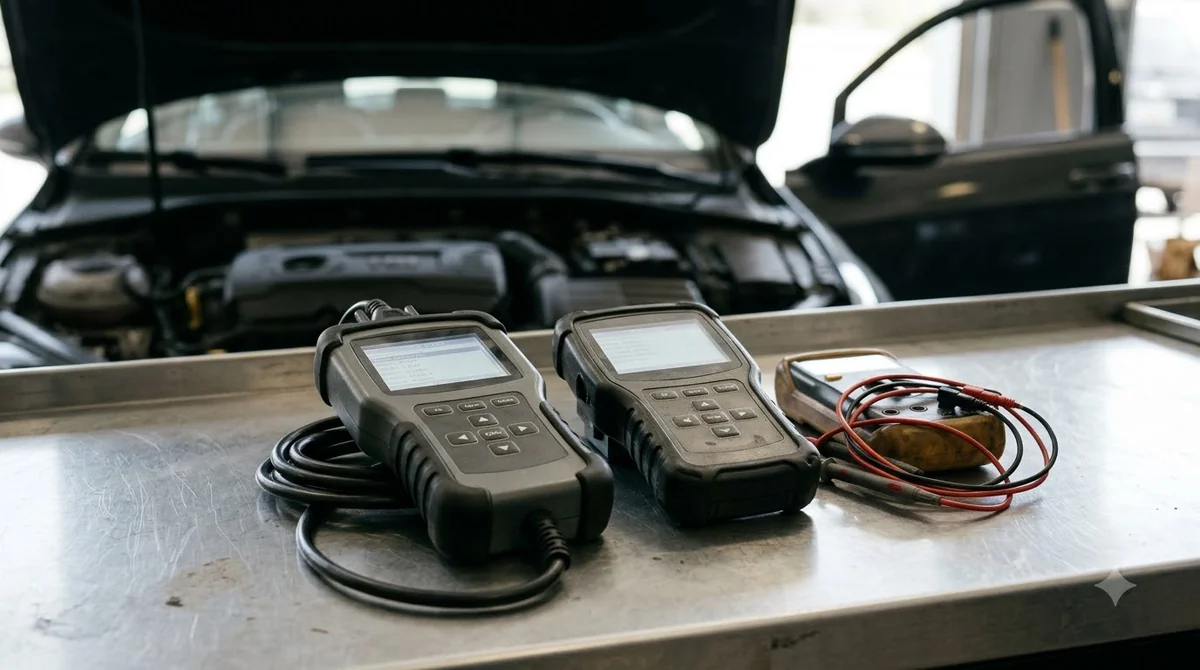
- Scan for all codes and save the freeze-frame data before clearing anything.
- Confirm the sensor location in the vehicle’s service information.
- Inspect the sensor connector and wiring for shorts, opens, corrosion or loose contacts.
- Check for an exhaust leak near the sensor.
- Review live sensor data under the conditions the service procedure specifies.
- Test the circuit and the sensor as the procedure specifies, using a multimeter or an oscilloscope (for the basics, see how to test an oxygen sensor).
- After repair, clear the code, run the applicable drive cycle and confirm the code does not return.
Voltage limits differ by manufacturer and calibration. Published threshold figures for this code conflict from one source to another, so use the values in your vehicle’s service information rather than a general number.
Record the sensor readings before and after each change you make, so you can tell whether a wiring repair or a leak fix actually changed the signal. Keep the freeze-frame data with the work order so the next technician sees the original conditions.
Repair Options and Costs
An oxygen sensor replacement costs about $440 to $523 before diagnosis, according to one repair guide citing RepairPal, and it only makes sense after testing confirms a failed sensor. That guide does not date its figure, so ask a shop for a current written quote.
The same guide gives no price for wiring, exhaust leak or computer repairs. Ask the shop to price the diagnosis separately from any parts, and compare the quote with the oxygen sensor replacement cost guide.
Subaru bulletin 09-115-24 describes a 2024 oxygen sensor design change for P0137 and related codes on 2020 to 2024 Legacy and Outback 2.5L, 2017 to 2024 Impreza and Crosstrek, 2019 to 2023 Forester and 2022 to 2023 BRZ models. Part numbers did not change, and the new sensor is identified by the Denso number engraved on it. The bulletin says the new sensors use an optimized coating to help prevent cracking inside the sensor, which reduces the chance of short or open circuits. The service procedure stayed the same.
The bulletin lists warranty labor of 1.0 hour for rear oxygen sensor replacement and 1.2 hours for the front sensor. Those are warranty labor times, not shop prices, and they apply only to the models listed in the bulletin.
P0137 Compared With Other Bank 1 Sensor 2 Codes
P0137 and P0138 point to opposite voltage faults on the same sensor, P0140 means no activity was detected, and P0141 heater circuit code points to the heater circuit. The table below lists the Subaru bulletin wording for each.
| Code | Bulletin wording | Fault type |
|---|---|---|
| P0137 | O2 Sensor Circuit Low Voltage Bank 1 Sensor 2 | Low voltage signal |
| P0138 | O2 Sensor Circuit High Voltage Bank 1 Sensor 2 | High voltage signal |
| P0140 | O2 Sensor Circuit No Activity Detected Bank 1 Sensor 2 | No signal activity |
| P0141 | O2 Sensor Heater Circuit Bank 1 Sensor 2 | Heater circuit |
Use the table to understand the fault type, not to pick a part. The P0137 code still needs its own test before anything is replaced.
Frequently Asked Questions
Does a P0137 code mean the catalytic converter is bad?
No. A P0137 code reports a low voltage signal from the sensor circuit and does not prove that the sensor or the catalytic converter has failed. Wiring, an exhaust leak or engine condition can cause the same reading. Test those causes first, and only consider converter work if the tests point to it.
Can I clear a P0137 code myself?
You can clear it with a scan tool, but save the freeze-frame data first. Clearing removes the stored code only and does not repair the fault. If the cause is still present, the code can return after a drive cycle, so confirm the repair before you call the job done.
Do I need a scan tool to read a P0137 code?
A basic code reader shows the code, but a scan tool that displays freeze-frame data and live sensor values is needed for the full diagnostic steps. Without live data, it is hard to see how the sensor behaves under the test conditions the procedure specifies. A reader that only shows the code gives you the label, not the evidence.
Does a P0137 code always mean the sensor must be replaced?
No. Sensor replacement should follow testing that confirms a failed sensor. Wiring problems, exhaust leaks and engine conditions can also set the code, so a new sensor may not fix it. Ask the shop to show the test results that support any part they recommend.
Can a P0137 code cause a failed emissions test?
It can. A failed emissions test is one of the listed possible symptoms of this code, so a stored P0137 code and a steady light should be addressed before inspection. Inspection rules vary by state, so check your local requirements before you test.
Before you buy parts, write down the code, the freeze-frame data and the live sensor readings, then take them to a shop. A shop that can explain the test results is worth more than a part swap based on the code name alone.
