
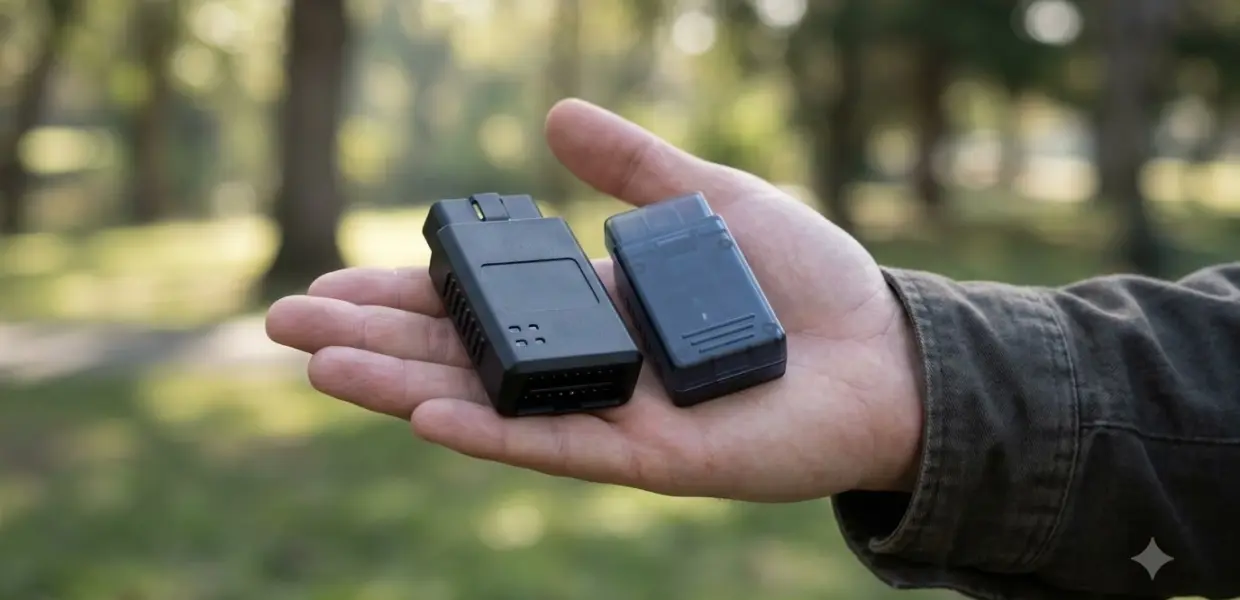

P0141 is an O2 sensor heater circuit malfunction on Bank 1 Sensor 2, the downstream oxygen sensor. The heater is supposed to warm the sensor quickly, so the engine computer sets this code when it does not reach operating temperature in time.
Check the wiring, the heater fuse and the engine ground before you blame the sensor. Subaru models in a listed range also have a sensor change that matters for the repair.
This article explains common P0141 causes and checks. It does not estimate repair cost, and it cannot confirm which part has failed on your vehicle.
P0141 Code Meaning for Bank 1 Sensor 2
P0141 is an O2 sensor heater circuit malfunction on Bank 1 Sensor 2, the downstream oxygen sensor. The engine computer sets it when the heater does not bring the sensor to operating temperature in time.
The code is about the heater circuit, not about the sensor signal. A P0141 tells you the heater side is not behaving, so the first checks look at power, ground and wiring rather than the sensor reading itself. The upstream sensor can set a signal fault instead, such as the low-voltage reading described in P0131 oxygen sensor low voltage.
Anyone looking up the code meaning should note the sensor position. Bank 1 Sensor 2 sits after the catalytic converter on Bank 1, and that position is why the code is handled as a downstream sensor fault.
The rule for setting the code is simple to state. Mechanicbase says the computer sets it when the heater takes too long to bring the sensor up to operating temperature. A heater that responds slowly and a heater that never responds can both meet that rule, which is why the symptom alone is not enough to pick a cause.
Heater circuits warm the sensor because a cold oxygen sensor does not report a useful signal. That is also why this code is a heater fault and not a mixture fault, which is an important difference from codes that describe air-fuel ratio.
What Usually Causes P0141
The usual causes of P0141 are a defective heater, damaged wiring or connections, and a bad heater fuse. A fault in the powertrain control module is listed as a rare cause.
- A defective oxygen sensor heater
- Damaged circuit, wiring or connections
- A bad fuse in the heater circuit
- A PCM issue, listed as rare
Because wiring damage and a bad fuse can set the same code as a dead heater, the code alone does not prove the sensor failed. Start with the cheapest checks and move toward the sensor only when they pass.
A PCM fault is listed last and described as rare. Treat it as an explanation of last resort, after the wiring, fuse, ground and sensor checks have all passed. Jumping to the computer first usually costs time without answering the question.
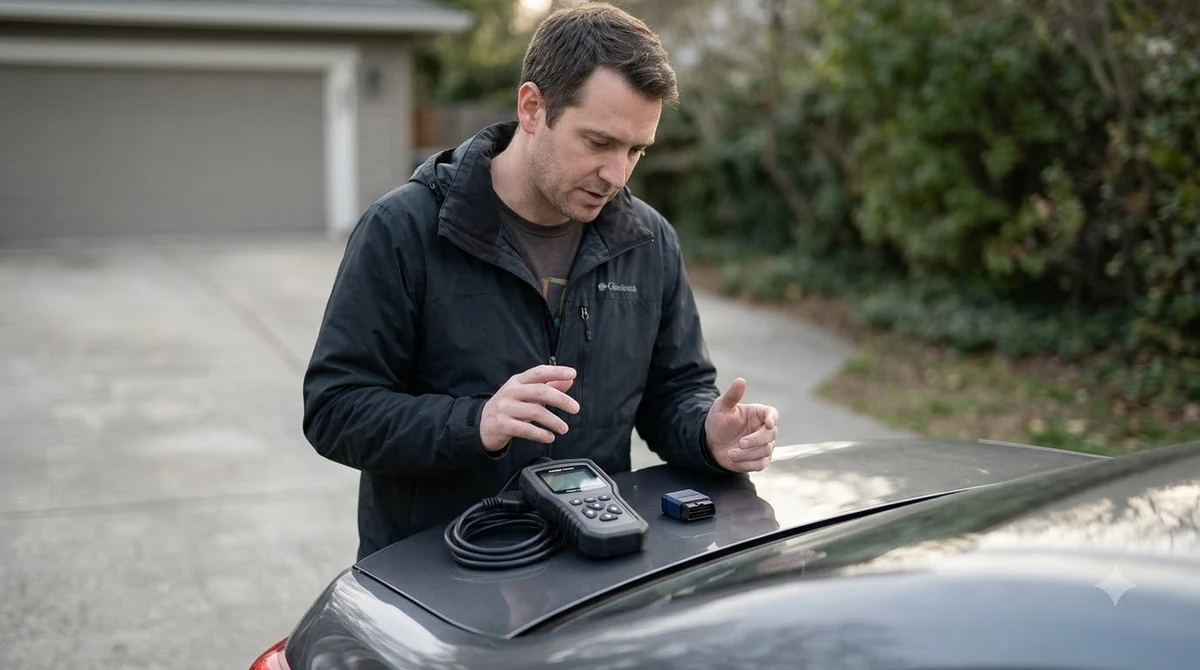
Heat and vibration near the exhaust can stress the wiring around the sensor. A harness that has been rubbed or pinched there may fail intermittently, which is why a visual inspection matters before any test.
Symptoms and How Serious P0141 Is
This code often shows only a check engine light, although poor fuel economy and a failed emissions test can follow. Mechanicbase rates the code as medium severity, which means it should be checked soon rather than ignored.
- Check engine light on
- Poor fuel economy
- A failed emissions test
Mechanicbase notes that many drivers keep driving with this code on. The same page warns that a lit check engine light can hide other faults, so scan for additional codes before you assume this one is the only problem.
Because the symptoms are few, many owners notice the light before anything else. A scan for stored codes, along with the freeze frame data, shows whether the light is only this code or part of a larger pattern. That single step decides how much of the checklist you need.
How to Fix P0141 Step by Step
To fix this code, scan for other codes, inspect the wiring, check the heater voltage with the harness unplugged, then check the fuse and the engine ground. Replace the sensor only after those checks point to it.
Gather a few tools before you start: a scan tool that can read live data, a digital multimeter, and the service manual for your vehicle. Write down each reading as you go, because the order of the checks matters and a note makes it easier to compare results.
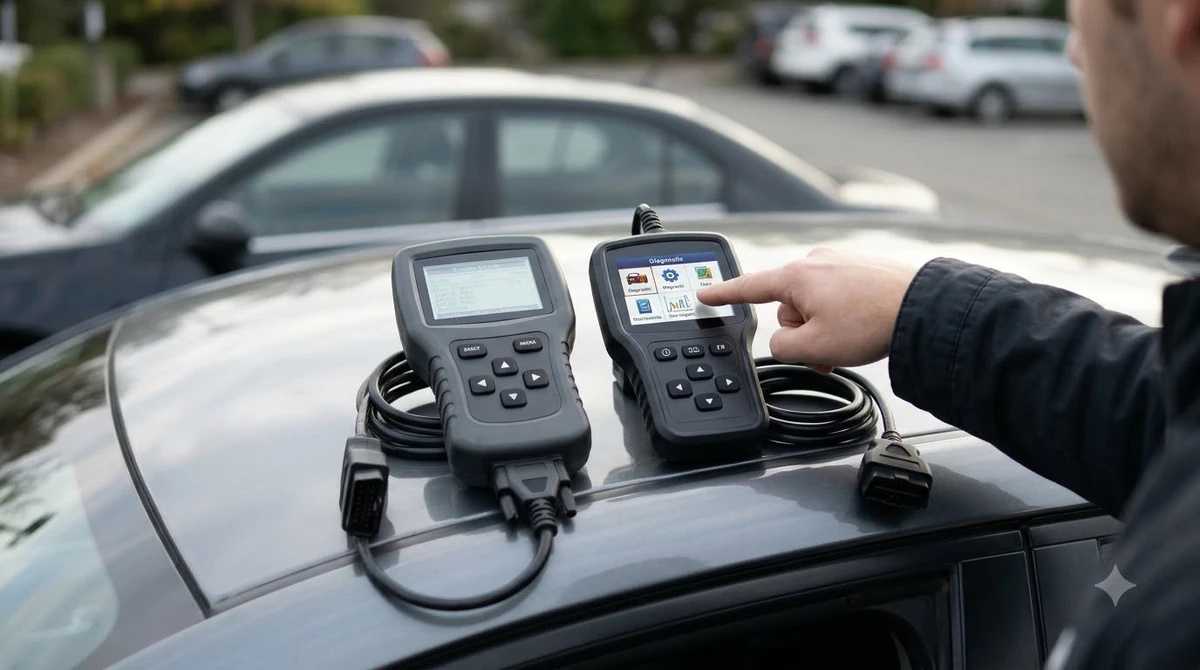
The order below follows the diagnostic sequence that Mechanicbase describes. It starts with the checks that cost the least time and end with the sensor.
- Scan for other codes and address those first, since they can change the diagnosis.
- Inspect the wiring and connectors around the oxygen sensor, and repair any damage you find.
- With the harness disconnected, turn the ignition on without starting the engine, and test the voltage at the sensor against the specifications in the service manual.
- If no voltage reaches the heater circuit, check the heater fuse.
- Check the engine ground connection for looseness or corrosion.
If the voltage test shows power at the heater circuit, the wiring and ground have already passed their checks, which narrows the field. Repeat the connector and ground inspection after any repair, since a loose or corroded connection can come back on its own.
If the wiring, fuse and ground all pass, the sensor is the next suspect. The Mechanicbase page does not give a heater resistance test or a full replacement procedure, so use the service manual for the resistance values and removal steps for your vehicle.
What a Blown Fuse Does and Does Not Tell You
A blown heater fuse points to a short or a failing sensor, not a finished diagnosis. Mechanicbase advises that replacing a blown fuse alone is usually not enough, because the fuse is often blown by a bad sensor or a short circuit.
Mechanicbase lists a bad heater fuse as a cause and as a check. Read the fuse as a clue about the circuit, not as the repair itself, and keep the old fuse in a safe place until the diagnosis is complete so the circuit history is not lost.
If a new fuse blows again soon after installation, treat that as a sign of a short. Find the short before you install a third fuse, because repeated blowing is the clue that the circuit itself is at fault.
When a Subaru Bulletin Changes the Sensor Repair
Subaru bulletin 09-115-24 describes new Bank 1 Sensor 2 oxygen sensors for P0141 and related codes. The Subaru bulletin 09-115-24 lists the applicable models and says the replacement procedure is unchanged.
| Model group | Years listed | Note |
|---|---|---|
| Legacy and Outback 2.5L | 2020 to 2024 | Applicability block in the bulletin |
| Impreza and Crosstrek | 2017 to 2024 | Applicability block in the bulletin |
| Forester | 2019 to 2023 | Applicability block in the bulletin |
| BRZ | 2022 to 2023 | Confirm the year by VIN |
The bulletin also tells technicians to always refer to the applicable service manual and review the full requirements of the repair, including safety precautions, special tools and one-time-use parts. A short bulletin does not replace that manual.
The bulletin says the part numbers have not changed. The new sensors are identified by the Denso part number engraved on the sensor, so compare that number with the old one before you install anything. For the 22690AB08A part, the bulletin lists Denso number 150200-9011 as the new part and 150200-9010 as the old.
The bulletin includes warranty labor times for Subaru dealers. Those figures apply to dealer claims and are not a repair price for owners, so ask a shop for a written estimate based on its own diagnosis.
The bulletin is written for professional technicians, and it says not to assume it applies to your car just because a condition is described. If your vehicle is outside the listed range, the bulletin does not apply, and the general P0141 checks above still do.
Related Guides
Frequently Asked Questions
What does P0141 mean?
P0141 means the heater circuit of the Bank 1 Sensor 2 oxygen sensor is not working properly. The computer sets it when the sensor does not warm up in time, and the heater side is the focus of the checks.
Can I drive with this code?
Mechanicbase rates the code as medium severity and notes that many drivers keep driving with it. A lit check engine light can hide other faults, so scan the car and fix the cause soon.
Does a blown fuse fix P0141?
Not by itself. A blown heater fuse is often a symptom of a bad sensor or a short. Find the cause, then install the fuse, and check that it does not blow again.
Does every P0141 need a new sensor?
No. Wiring damage, a bad fuse or a poor ground can set the same code. The sensor is the suspect only after those checks pass, and the Subaru bulletin applies only to listed models.
Is P0141 the same as P0135?
P0135 is a related heater code, and it is a separate fault. Read the code description on your scan tool to confirm which sensor each code names, rather than assuming they are the same.
Do I need the service manual to check this code?
Yes, for the resistance values and sensor removal steps. Mechanicbase does not give those details, and the Subaru bulletin says to refer to the applicable service manual before any repair.
Before you buy a sensor for P0141, check the wiring, the heater fuse and the engine ground. A qualified technician can confirm the cause and check whether the Subaru bulletin applies to your VIN.
