
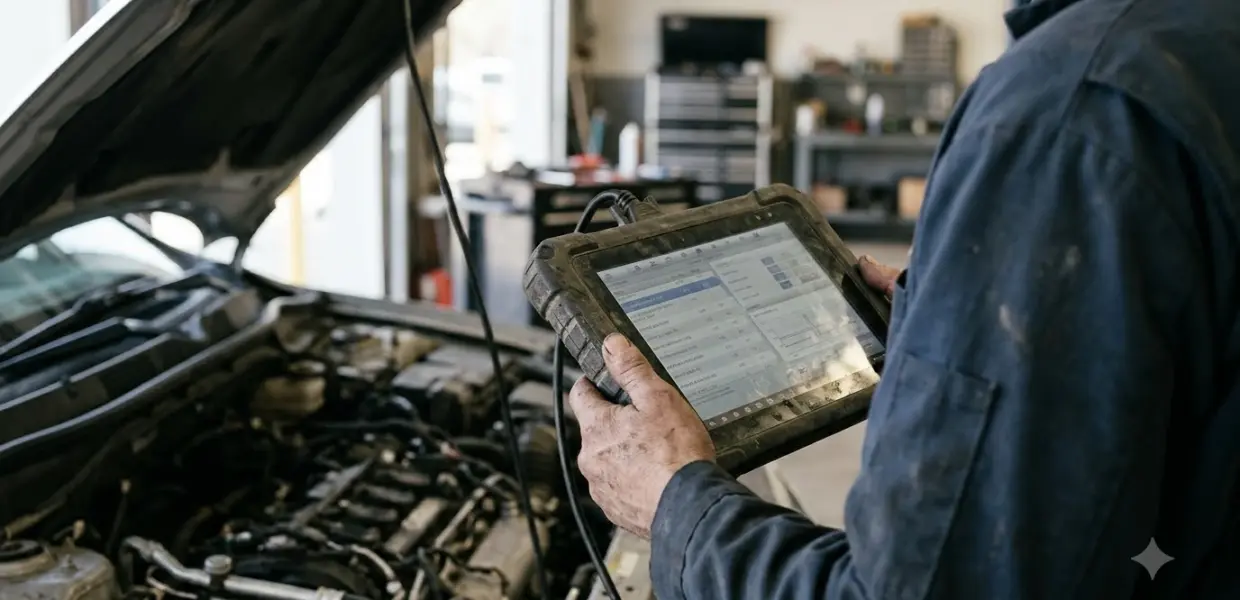

The P0306 code means a misfire in cylinder 6. When the engine control module sees combustion fail in that cylinder, it logs the P0306 code and usually turns on the check engine light. The code tells you where the misfire is, not which part failed.
Cylinder 6 is numbered differently on each engine, so the code alone does not name a broken part. A scan, a visual check and a few targeted tests will narrow it down before you buy anything.
What the P0306 Code Means
A P0306 code is a generic OBD-II powertrain code for a misfire in cylinder 6. Because the code is standardized, the same code appears across many makes, but the engine layout behind it does not change.
According to REREV’s P0306 guide, the code indicates a misfire in the engine’s cylinder 6. A misfire means the fuel and air in that cylinder do not ignite properly, so the engine runs rough and loses power. A P0300 code, by contrast, reports random or multiple-cylinder misfires, as the P0300 random misfire code guide explains.
Which physical cylinder is number 6 depends on the engine. Cylinder numbering follows the design of each block and cylinder head, so the cylinder you need to inspect is not always where you expect. Check your vehicle’s service information for the exact location before you remove any parts.
Common Causes of a Cylinder 6 Misfire
The most common causes of a P0306 code are a worn spark plug, a failing ignition coil, a faulty fuel injector and a vacuum leak. Each cause produces a slightly different set of symptoms, as the table below shows.
| Cause | Typical symptoms | Why it misfires |
|---|---|---|
| Spark plug | Rough idle, lower fuel economy, hard starting | A worn electrode cannot fire the mixture reliably |
| Ignition coil | Engine misfires, reduced power | The coil supplies too little energy for the spark |
| Fuel injector | Rough idle, reduced power | The cylinder gets the wrong amount of fuel |
| Vacuum leak | Rough idle, reduced power | Unmetered air enters the intake and upsets the mixture |
Spark plugs wear with use. As the electrode erodes, the gap widens and the spark needs more voltage to jump it. A plug that can no longer fire reliably will misfire on its cylinder, which is why plug inspection is usually the first physical check.
The ignition coil supplies the spark itself. When a coil weakens, the cylinder receives too little energy to burn the mixture, and the misfire tends to repeat under load. A clogged or failing fuel injector can deliver the wrong amount of fuel, which leaves the mixture unable to burn cleanly.
Compression and intake problems are less common. A leaking gasket or a worn valve can let air in or lower compression in one cylinder. Those causes are usually confirmed only after the ignition and fuel parts check out.
A clean scan does not rule out a weak coil or a dirty injector, because many of these faults set no code of their own. The P0306 code points to an area of the engine, not to one confirmed part.
Symptoms and How Urgent a P0306 Is
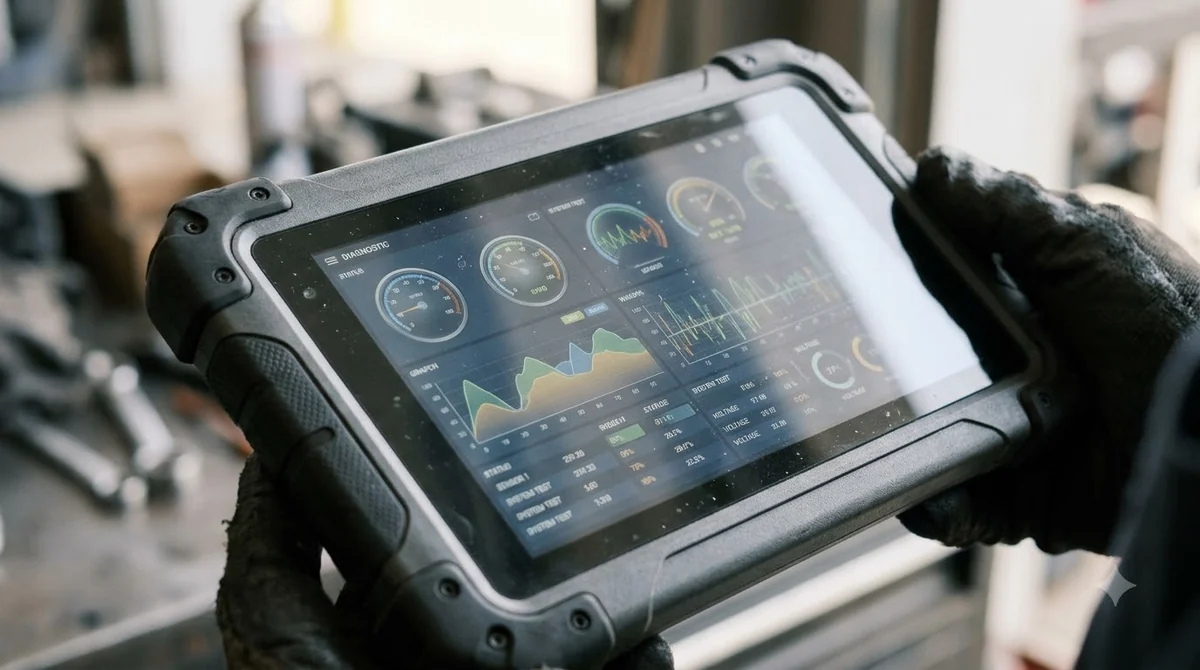
A P0306 code is urgent because a misfire cuts engine power and can damage the catalytic converter. Do not wait for the light to clear on its own, because the misfire usually stays until the cause is fixed.
REREV’s guide says a misfire lowers engine power, which makes highway driving more dangerous, and advises against continuing to drive with the code active. Unburned fuel from a misfire can reach the exhaust, where it may overheat and damage the catalytic converter. Toyota’s spark plug guide, updated in October 2026, says a malfunctioning plug can turn on the check engine light. It adds that ignoring the warning could lead to severe engine damage, such as catalytic converter failure. For the wider picture, read about engine misfire signs and causes.
- Rough or shaky idle
- Loss of power, especially under acceleration
- Hard starting
- Lower fuel economy
- A steady or flashing check engine light
These symptoms overlap across causes, so a symptom list alone does not identify the failed part behind a P0306 code. Both a steady and a flashing light mean the misfire is still present and needs a check soon.
How to Diagnose a P0306 Code Step by Step
To diagnose a P0306 code, read the freeze-frame data, check for coil or injector codes, inspect the spark plug, then test the suspect part, in that order. Work through the steps below before buying parts.
- Read the P0306 code and freeze-frame data with an OBD-II scanner, and note whether the check engine light is steady or flashing.
- Look for other misfire codes and any coil or injector codes. A misfire code with a coil code points toward the coil, and a misfire code with an injector code points toward the injector.
- Remove the cylinder 6 spark plug and inspect it for wear, fouling or a widened gap.
- Swap the cylinder 6 coil with the coil from another cylinder, clear the code, and run the engine. If the misfire moves to the other cylinder, the coil is the cause.
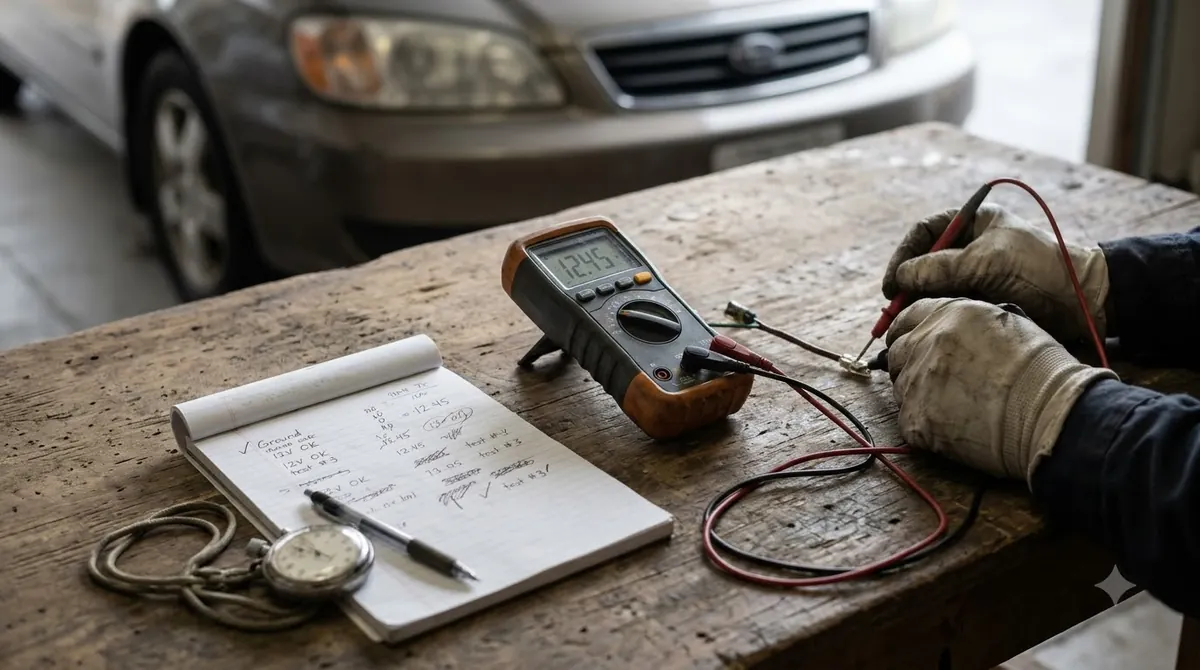
- If the ignition parts check out, test the injector resistance with a multimeter, then check the intake for vacuum leaks.
Compare any multimeter reading with the specification in your vehicle’s service information. A reading outside that range points to a failed injector or its wiring. A reading inside the range does not rule the injector out, so keep testing the other causes. Wiring can also be at fault. An FCA service record from August 2020 covers a low-mileage vehicle with a stored P0306 and a rough-running engine. It tells technicians to check for PCM software updates and inspect the terminals in one circuit connector, as shown in that FCA case record.
What a P0306 Fix Costs
A P0306 fix can cost as little as around $100 for a spark plug replacement, while severe causes can be worth thousands of dollars, according to REREV. Costs for a P0306 code depend on the failed part, how hard it is to reach and local labor rates. For coil jobs, the ignition coil replacement cost guide explains what changes the bill.
The REREV figures come from a page last updated in 2023, so treat them as a starting point. As of November 6, 2026, get a current quote for your vehicle before you approve any work.
- Spark plug replacement: as little as around $100
- Ignition coil: depends on how easily the coil can be reached
- Fuel injector: depends on access and whether the injector must be replaced
- Vacuum leak or gasket repair: depends on where the leak is
- Severe internal damage: can be worth thousands of dollars
Fixing Cylinder 6 Misfire Without Overspending
The cheapest way to fix a P0306 code is to clear it, confirm the misfire returns, and replace the spark plug before you buy a coil or injector. Start with the lowest-cost part that the diagnosis points to.
A worn plug is usually the cheapest repair for a P0306 code. The coil or injector comes next only if the misfire stays after the plug is replaced. Replacing parts by guesswork is the most common and most costly mistake with this code.
If a compression test shows low pressure in cylinder 6, the cause is mechanical, such as a worn valve or a leaking head gasket. That is beyond a basic garage job, so stop replacing ignition parts once compression comes back low and get a professional assessment. A compression test is the check for this step, and the guide on how to use a compression tester shows how it works.
Related Guides
Frequently Asked Questions
Can I keep driving with this code?
It is not advisable. REREV advises against continuing to drive with the code active, because a misfire can damage the engine and the catalytic converter. If the light flashes, reduce the load on the engine and get the vehicle checked as soon as you can.
Is this code the same on every car?
A P0306 code has the same meaning on every OBD-II vehicle, because P0 codes are generic powertrain codes. The cylinder numbering, the likely causes and the repair procedure still vary by engine, so check the service information for your model.
What does a cylinder 6 misfire fix cost?
REREV puts a spark plug replacement at as little as around $100, while severe causes can be worth thousands of dollars. Get a diagnosis first, because the code alone does not name the failed part, and the cost follows the part that is actually at fault.
Can a bad spark plug cause it?
Yes. A worn plug with an eroded electrode or a widened gap can misfire on its cylinder and set a P0306 code. Both REREV and Toyota list a faulty or worn spark plug as a cause. Inspect the plug before replacing other parts, because it is one of the cheapest checks in the diagnosis.
Will clearing the code fix the problem?
No. Clearing the code only resets the light. If the cause is still present, the misfire and the code will return, so confirm the repair with a test drive and a fresh scan before you consider the job finished.
Work from the cheapest checks to the most expensive, and keep notes on each part you test or replace. If the P0306 code returns after a repair, the cause is still there, and a shop with a compression test and a full scan can narrow it down.
