
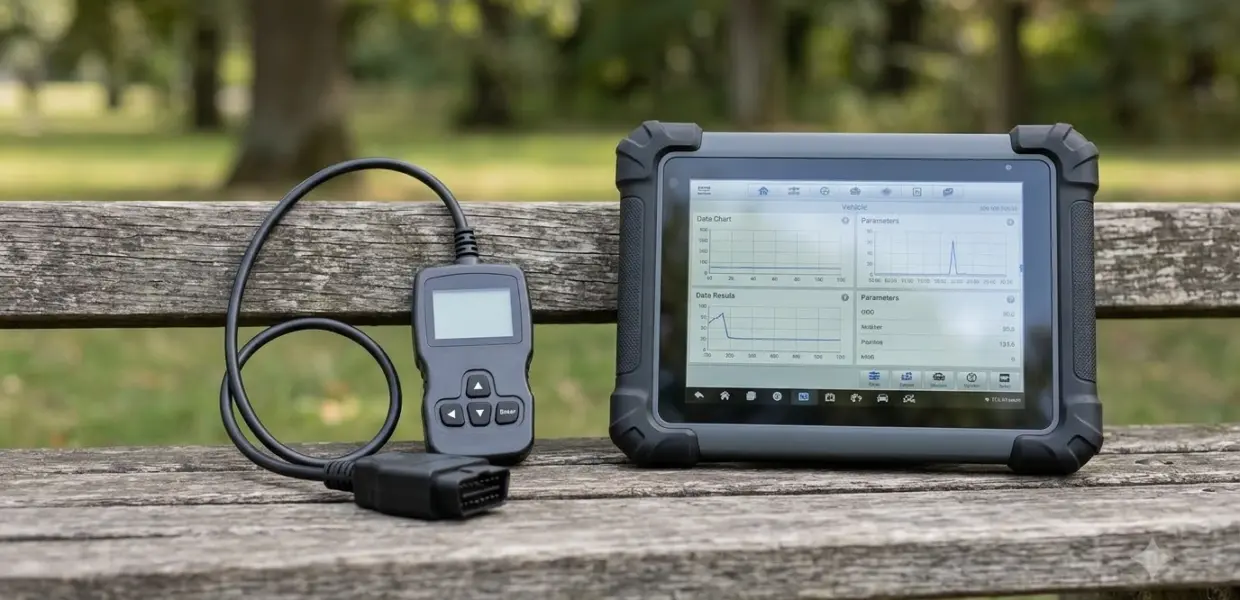

An engine misfire happens when one or more cylinders do not fire properly, so the engine runs unevenly. An engine misfire is a symptom with many possible causes, so the first job is to find out which cylinder and which part is involved. This guide covers the signs, causes and first checks.
Start by noting how the engine feels and what the dashboard light is doing. Then read the trouble codes before you replace any part, because a part guessed at can waste time and money.
An engine misfire can damage the engine or exhaust system if you keep driving with a severe fault. Stop if the car shakes hard, loses power, or the light flashes, and check your owner’s manual for what a flashing light means on your vehicle.
What an engine misfire is and how it feels
An engine misfire means a cylinder does not burn its fuel properly, so that cylinder adds little or no power on that stroke. Each cylinder needs fuel, air and a spark at the right moment. When one of those is missing or weak, the engine runs unevenly, and the computer may detect the problem as a misfire.
Because each cylinder adds power in turn, one bad cylinder is easy to feel. An engine misfire can be steady, with the same problem every time, or intermittent, appearing only under certain loads or conditions. Intermittent faults are harder to pin down, so note when they happen.
Signs of an engine misfire to notice
Drivers commonly describe a rough idle, a stumble when they press the accelerator, and a loss of power on hills or during passing. These are user reports and not measurements, so use them as clues to compare with the codes and the light.
- Rough or uneven idle, especially when the engine is warm or stopped.
- Hesitation or stumbling when you accelerate.
- Shaking or vibration that changes with engine speed.
- A check engine light that stays on, or one that flashes.
An engine misfire can also show up only as a check engine light, with the engine feeling close to normal at idle. In that case the code is the first clue, and the road feel is secondary.
Write down which of these you notice and when. A misfire that appears only at highway speed points to different checks than one that happens at a stop, and that record is useful when you talk to a shop.
What causes an engine misfire
Ignition parts are a frequent source of misfires. A General Motors bulletin on ignition coils covers certain 2009 models with a 3.6-liter V6. It lists spark plugs that are cracked, have the wrong gap, are worn or carbon fouled as causes, according to the GM ignition coil bulletin. The same document also names other electrical causes.
- Spark plugs that are cracked, wrong gap, worn, or carbon fouled.
- Ignition coil connectors that are not fully seated, or poor pin fit in the coil terminal cavities.
- Corrosion or a loose battery cable, which can cause intermittent conditions.
- Coil damage from voltage or heat stress, visible on the top of the coil.
The bulletin also describes a step-by-step check of the coil circuits. A technician checks the power, ground and control wiring for opens or shorts, then looks at the top of each coil for voltage or heat damage. The bulletin says to replace only a coil that shows damage, which is why a visual and circuit check comes before parts are swapped. Dirty injectors are another cause owners ask about, and fuel injector cleaner picks and limits covers what an additive can realistically do.
Fuel quality can also play a part. A Volkswagen technical bulletin on misfire diagnosis says misfire faults have commonly been tied to loose or damaged electrical connections, circuit grounds and poor fuel quality. The same bulletin warns that multiple components should not be replaced for one misfiring cylinder, and it asks the technician to find out when and under what conditions the misfire happens. Check the codes and the history before you decide. Engine speed that climbs without the car speeding up is a different problem, covered in RPM rising without acceleration.
What the codes tell you about a misfire
Trouble codes are the starting point for most engine misfire work. A stored code gives the computer’s view of the problem, but it does not prove which part failed, so the code is a lead to check and not a diagnosis by itself.
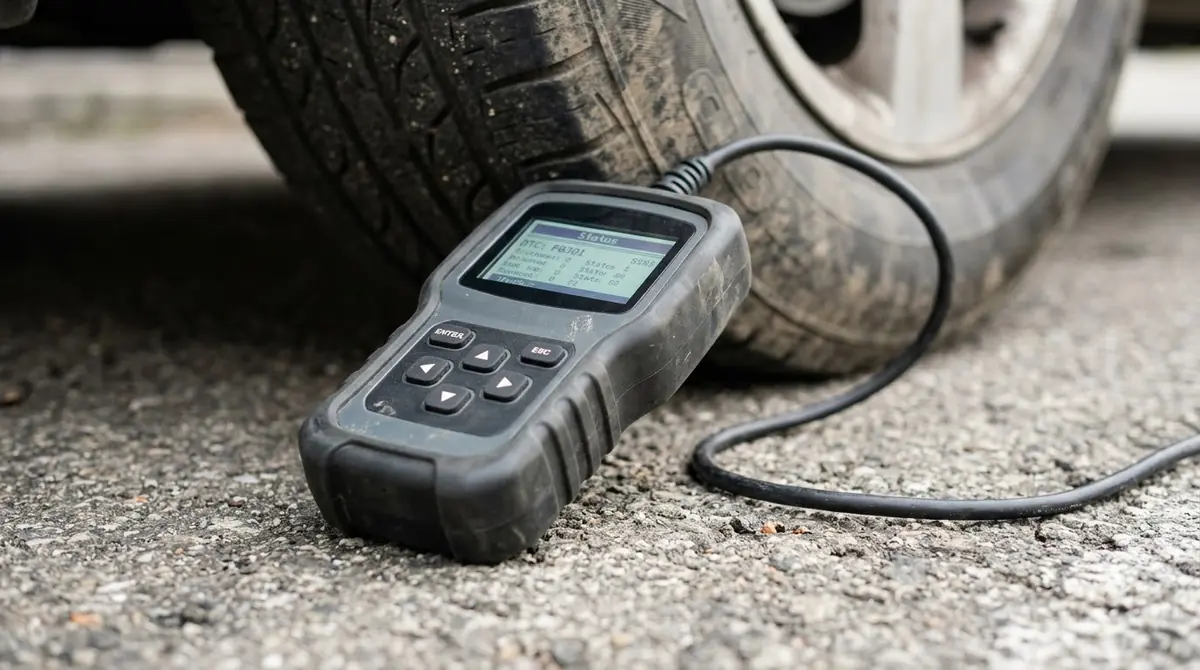
An engine misfire usually sets a trouble code. P0300 means the computer detected misfires across cylinders without naming one. P0301 through P0308 name a single cylinder, which narrows the search to one plug, one coil and one injector on that cylinder. For a worked example, see what a cylinder 4 misfire means. Not every code in the scan is a misfire code, and a P0325 knock sensor code points to the knock sensor circuit instead, so read all stored codes together.
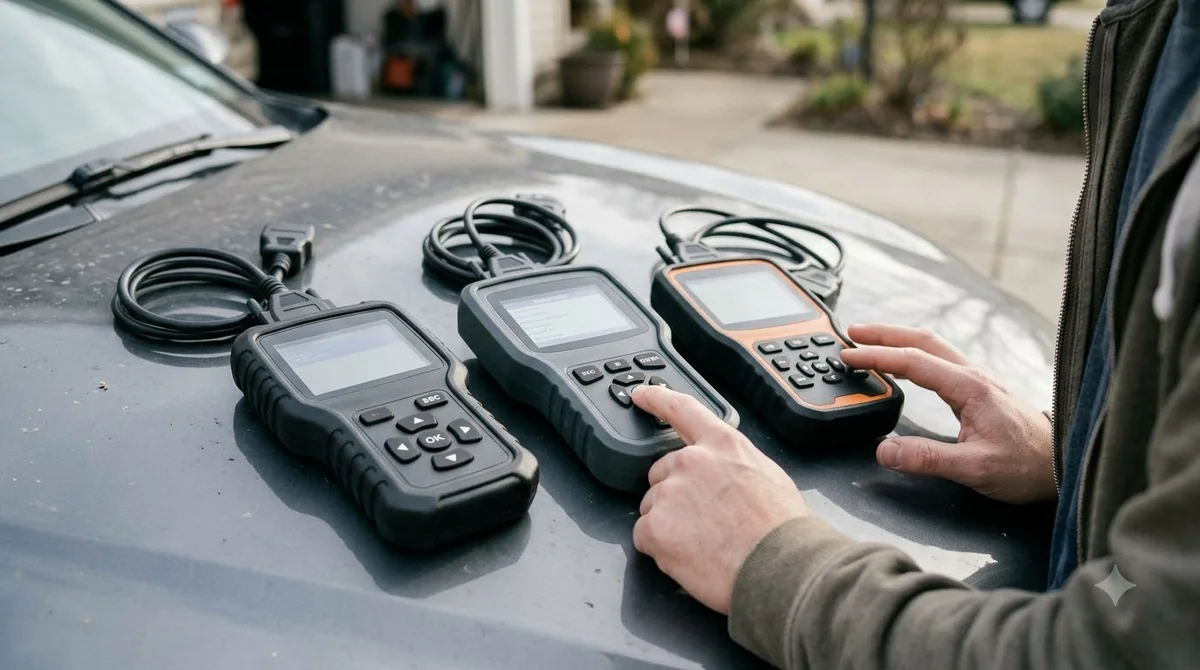
- Read the codes with an OBD-II scanner and write down every code.
- Note whether the code is random (P0300) or names a cylinder (P0301 to P0308).
- Record the conditions when the misfire happens, such as cold start or high load.
- Clear the codes only after the cause is fixed, so the record stays useful for the repair.
The GM bulletin makes the same point for a shop: document every trouble code and every misfire by cylinder before going further. Single-cylinder misfires can come before a multi-cylinder misfire, so the early history often matters.
What to check before you drive the car again
A short set of checks can separate a minor misfire from one that needs a stop. Work through the table, and when a result is unclear, have a shop read the codes and check the ignition parts.
| What you see | What it may mean | What to do |
|---|---|---|
| Light is steady and the engine runs roughly | A misfire that needs a diagnostic check | Read the codes and plan a shop visit soon |
| Light is flashing | A severe fault that needs prompt attention | Check the owner’s manual for what the light means. Stop if the car shakes or loses power |
| Misfire only when cold or wet | Ignition wiring or connectors may be involved | Check connectors and battery cable contact, then re-test |
| One cylinder named in the code | A fault on that cylinder’s plug, coil or injector | Inspect that cylinder’s plug and coil before replacing other parts |
This table does not replace a shop diagnosis. It covers the first checks a driver can make safely without lifts or special tools, and it stops short of any repair that needs more equipment.
Do not clear the codes and drive away. The codes and the light are the evidence the next technician needs, and a cleared code can hide a fault that is still there.
Take the time to read the codes in the order they were set and note whether the light changed after a drive. A misfire that clears on its own and returns is common with intermittent faults, and the written record helps a technician match the symptom to the right circuit.
Frequently Asked Questions
Can I drive with an engine misfire?
A steady light with mild symptoms may allow a short drive to a shop. A flashing light or hard shaking is a reason to stop, and your owner’s manual explains what the light means on your vehicle.
Should I replace spark plugs first?
Spark plugs are a common cause of an engine misfire, and the GM bulletin lists cracked, wrongly gapped, worn or carbon-fouled plugs as causes. Still, the bulletin says to document the codes and inspect the coils and connectors first, and replacing parts without a cylinder-specific code can waste time.
What does a P0300 code mean?
P0300 means the computer detected misfires across cylinders without naming one cylinder. Codes P0301 through P0308 name a single cylinder, which makes the next checks narrower. Write down every code, since the set of codes can point to a pattern.
Can fuel quality cause an engine misfire?
A Volkswagen bulletin lists poor fuel quality, along with loose electrical connections and circuit grounds, among the common causes of misfire, so it is one factor to consider when a misfire comes and goes. It is not the cause in every case, and the codes and the cylinder history still come first.
Does every engine misfire need a mechanic?
Not every case does, but repeated misfires, a flashing light and codes that point to several cylinders are reasons to have a shop check the car.
Keep the car in service records with the date, mileage and codes read. A full history makes the next misfire easier to trace, and it gives a shop the same starting point you had.
Treat an engine misfire as a symptom to diagnose, not a single part to replace. Keep a written record of the codes, the cylinder and the conditions. That record saves time at the shop and helps confirm whether the repair worked.
