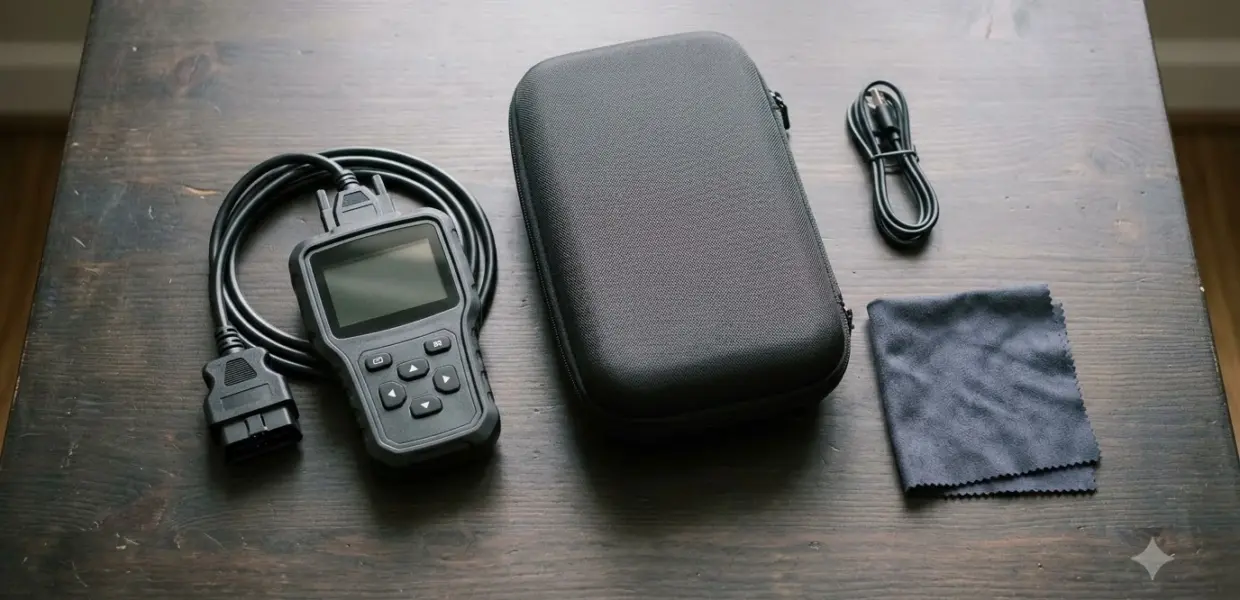

A Dodge Journey check engine light means the car’s computer has detected a fault that needs service. A loose gas cap is one of the more common triggers, but a flashing light means you should stop driving safely.
Read your Dodge Journey check engine light before you act. A steady light means you should diagnose the problem soon. A flashing light means you should pull over and turn the car off right away.
This guide gives general information and does not replace an inspection of your specific vehicle. Check your owner’s manual for model-year details before you make repair decisions.
Why the Dodge Journey Check Engine Light Comes On
The Dodge Journey check engine light comes on when the engine computer detects a fault, and it signals that service is needed rather than an automatic breakdown.
The U.S. Environmental Protection Agency describes the illuminated Dodge Journey check engine light as a way to “inform the driver that a problem has been detected and vehicle service is needed.” The light does not name the repair. It points you to a stored fault, and the trouble code tells you where to look.
Because the same Dodge Journey check engine light can come from a small leak in the fuel vapor system or from a misfire, the right next step depends on how the light behaves. A steady light and a flashing light call for different responses, so check which one you have before you plan anything else.
Steady vs. Flashing: What to Do Right Away
A steady Dodge Journey check engine light means diagnose the fault soon, while a flashing light means pull over and turn the car off right away.
| Light | What it means | What to do |
|---|---|---|
| Steady | The problem may be minor, but it still needs a diagnosis | Check the gas cap, then read the code with an OBD II scanner or have a certified professional diagnose it |
| Flashing | A rather severe engine misfire, according to the EPA | Pull over, turn the car off, and arrange service right away |
The EPA says a flashing Dodge Journey check engine light “indicates a rather severe level of engine misfire” and advises the driver to reduce speed and seek service as soon as possible. Kelley Blue Book’s guidance is stricter: it says a flashing light “spells trouble,” and that continuing to drive risks serious engine damage. The EPA’s on-board diagnostics fact sheet is the basis for the misfire wording, although it dates from 1997.
If a temperature or oil pressure warning also comes on, Kelley Blue Book says the car needs service without delay. Treat that combination as urgent, even if the check engine light itself looks steady.
Is it safe to keep driving with a steady light?
A steady light is usually less urgent, but it still means the system has stored a fault. Kelley Blue Book says the problem may be minor and advises checking the codes or having a certified professional diagnose it. Keep trips short until you know the cause, and treat a change to a flashing light as a reason to stop.
Common Causes of the Light on a Journey
A loose or faulty gas cap is one of the more common causes of the Dodge Journey check engine light, and temporary humidity can also switch it on before it clears by itself.
Kelley Blue Book’s Journey warning light guide sorts the usual triggers into simple causes and more serious faults, and the list below follows that split.
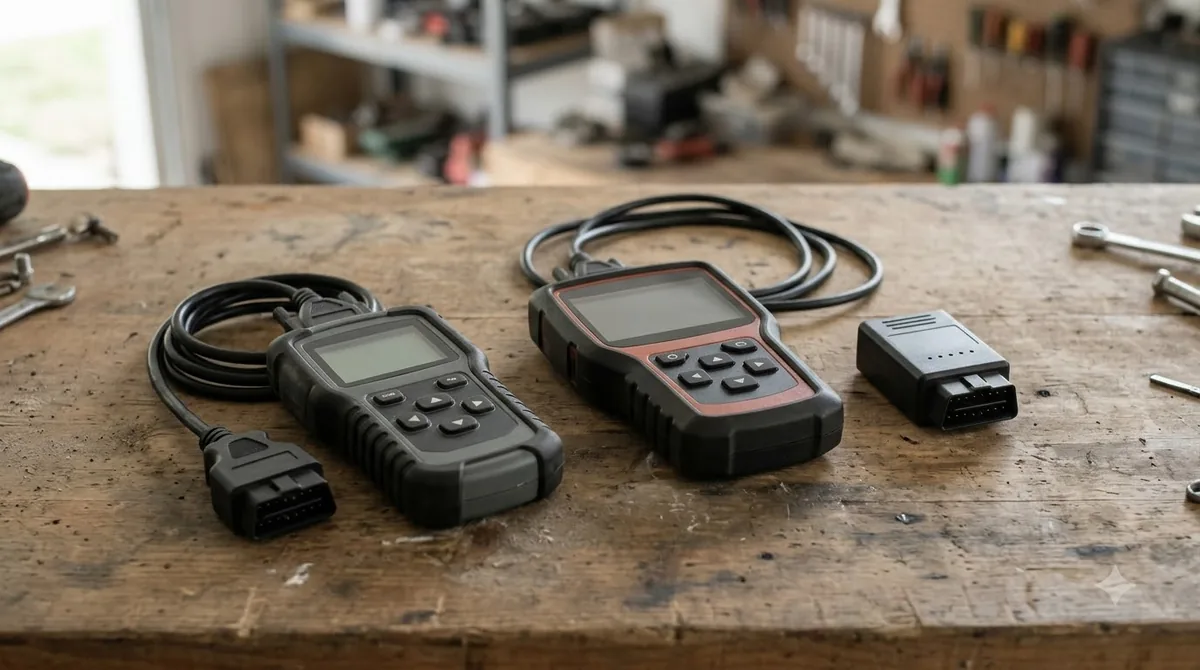
- A loose, missing, or faulty gas cap, which may need replacing or just retightening
- Temporary environmental changes such as humidity, which may clear after some driving
- An engine misfire, which is the more serious case when the light flashes
- Excess pollutant release from the emissions system
- High fuel consumption, which can point to a fault that is costing you fuel
Gas cap: the first thing to check
For this warning light, the EPA says that if the gas cap is not properly tightened after refueling, the onboard system can detect the resulting vapor leak. Once the cap is tightened, the light should go off within a few days. OBD reliably catches a loose or missing cap, but it will probably not flag a cap that is tightened yet still leaks.
Because the EPA fact sheet is from 1997, newer Journey systems may behave differently. Check your owner’s manual for how your model handles the light before you rely on the cap timing alone.
Check the Gas Cap and Read the Code Yourself
You can read the stored trouble code behind a Dodge Journey check engine light with an OBD II scanner, and checking the gas cap first costs nothing. Start there before you pay for a diagnosis.
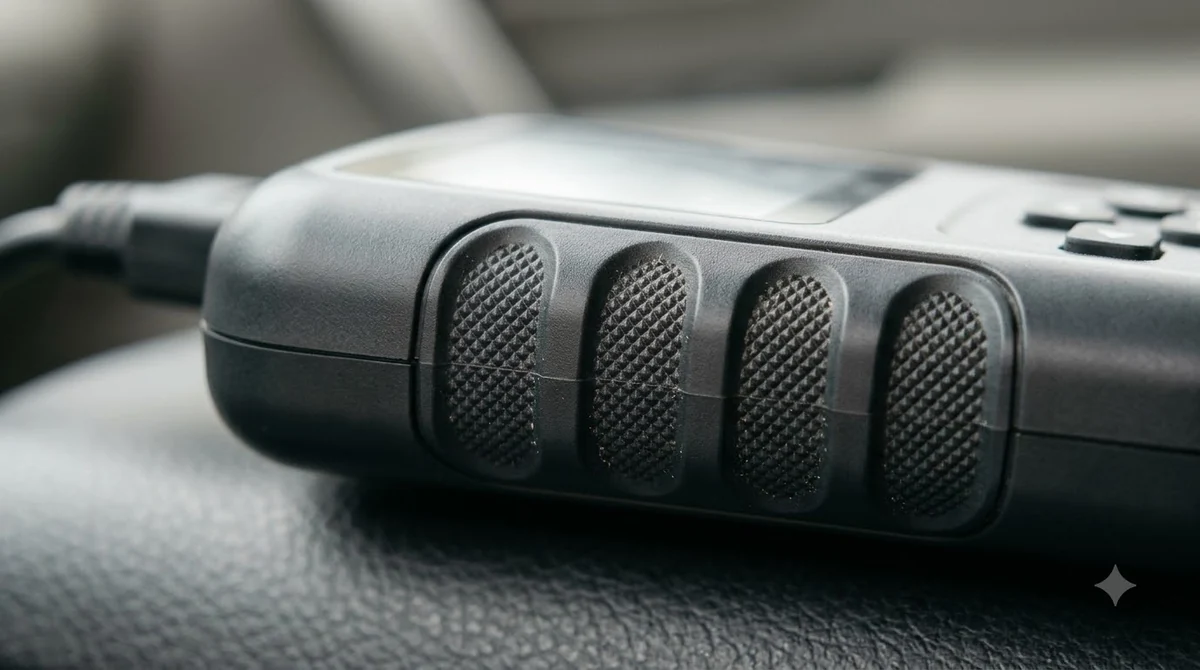
A simple sequence keeps you from paying for a fault that is not there. Work through these steps in order:
- Tighten the gas cap until it clicks, and check that the rubber seal is intact.
- Drive for a few days and see whether the light goes off on its own.
- If the light stays on or starts flashing, plug in an OBD II scanner and read the stored code.
- Write the code down and compare it with a repair source for your model year before you buy parts.
- Decide whether the code is simple enough to handle yourself or needs a shop visit.
Clearing the light without fixing the fault only hides the problem, and the light can return once the same fault is detected again. A service reminder is a different message, as the Dodge Journey oil life reset guide explains. A code tells you what the computer saw, not the final repair, so treat it as a starting point for diagnosis. Dodge Dart owners can compare the same checks in our Dodge Dart check engine light guide.
How Much Diagnosis and Repair Can Cost
Kelley Blue Book reports a national average of $131 to $209 for check engine light diagnostic service, as of November 6, 2026, and that range covers all vehicles rather than only the Journey.
For the 2018 and 2020 Journey, the same source states that a fair repair range is not yet available. The real repair cost for a Dodge Journey check engine light depends on the code and the shop, so ask for a written estimate after the code is read.
| Option | Typical cost | Notes |
|---|---|---|
| Gas cap check | Your time only | Watch the light for a few days after tightening |
| OBD II scan with your own tool | Varies by tool | Reads the stored code only, not the cause |
| Shop diagnosis | $131 to $209 national average | Not specific to the Journey |
Repair costs vary widely with the fault. The sources here do not give a verified dollar figure for a specific Journey repair, so use the code and a written shop estimate to set your budget.
When to Take Your Journey to a Shop
Take your Journey to a shop soon if the Dodge Journey check engine light stays on after a gas cap check, and go right away if it flashes or another warning light comes on with it.
- The light flashes while the engine is running
- A temperature or oil pressure warning comes on with the check engine light
- The light stays on for several days after the gas cap is tightened
- The engine runs rough or loses power
- You cannot read the code yourself or do not know how to interpret it
Some owners of 2009 Journeys report a Dodge Journey check engine light that came on before a stall, and the complaints cite a faulty power module (TIPM) or a throttle body that was replaced more than once. These are individual reports, and they do not establish a confirmed pattern for your vehicle.
Frequently Asked Questions
Does a flashing Dodge Journey check engine light mean the car must be towed?
A flashing light calls for pulling over safely and turning the car off, according to Kelley Blue Book. The EPA advises reducing speed and seeking service as soon as possible. The sources do not require towing, so have a shop read the code and recommend the next step.
Can a loose gas cap turn on the check engine light?
Yes. A Dodge Journey check engine light can come on from a loose cap, because the EPA says the onboard system can detect a vapor leak when the gas cap is not properly tightened after refueling. The light should go off within a few days after the cap is tightened. A cap that is tightened but still leaks may not trigger the light at all.
Will the check engine light go off by itself?
It can. A Dodge Journey check engine light may clear by itself, and Kelley Blue Book says temporary changes such as humidity may turn the light off by itself after some driving. If the light stays on for several days, read the stored code rather than waiting longer.
Is it safe to clear the light with a reset?
Clearing the light without fixing the fault only hides the problem, and the light can return. Read the code first, so you know what you are clearing and whether the fault still needs attention.
How much does a Dodge Journey check engine light diagnosis cost?
Kelley Blue Book gives a national average of $131 to $209 for diagnostic service across all vehicles. It does not give a fair repair range for the 2018 or 2020 Journey, so ask the shop for a written estimate before approving work.
Are there recalls tied to the Journey check engine light?
The Kelley Blue Book page for the 2018 Journey mentions no recall or technical service bulletin tied to the check engine light. Check the NHTSA recall lookup with your vehicle identification number for any open campaigns on your car.
If your light is steady, start with the gas cap and a code read, then decide whether a shop visit is worth the cost. If it flashes, stop driving safely and get the car checked before the fault causes more damage.