

A Dodge Dart check engine light means the car’s computer has stored a fault code, and the cause can be as minor as a loose gas cap or as serious as a severe engine misfire. Check whether the light is steady or flashing, then read the trouble code before you replace any part.
A steady light calls for a check soon. A flashing light calls for less driving and faster service. The sections below cover each cause in the order most owners should check them.
What the Dodge Dart Check Engine Light Means
The Dodge Dart check engine light is a warning that the engine computer has detected a fault and saved a trouble code. The light does not name the failed part, so the code is the real clue.
When the computer sees a reading outside its expected range, it stores a Diagnostic Trouble Code in its memory. Technicians retrieve that stored code to find the fault, according to the U.S. EPA. Some faults are minor and fix themselves after a repair, while others need a diagnosis. Because the light covers many systems, a single Dodge Dart check engine light warning can point to a loose cap, a worn sensor or a larger engine problem. Treat the warning as information to act on, not a verdict on the whole car.
Flashing vs Steady Light: Act Fast or Schedule a Check
A flashing Dodge Dart check engine light means a rather severe engine misfire, so reduce speed and get service as soon as possible. A steady light is less urgent but still needs a diagnosis.
The EPA on-board diagnostics fact sheet explains that a blinking light indicates a rather severe level of misfire. It also warns that a severe misfire, even for a short time, can seriously damage emission components, especially the catalytic converter. Converter damage can be an expensive repair, so a flashing light is the one case where waiting is a bad choice. You can read more about what a blinking light means in this guide to a check engine light flashing. Owners who see a flashing Dodge Dart check engine light should stop hard driving first and arrange the diagnosis second.
| Light | What it usually means | What to do |
|---|---|---|
| Steady | A fault is stored, and the sources treat it as a non-emergency issue | Read the code within a few days and fix the cause |
| Flashing | A rather severe engine misfire | Reduce speed, stop driving hard, and get service as soon as possible |
One Dodge Dart repair guide advises stopping as soon as possible when the light flashes. Do not try to drive across town to save a diagnosis fee if the engine is running rough.
Common Causes of a Dodge Dart Check Engine Light
The most common Dodge Dart check engine light causes are a loose gas cap, a failing oxygen sensor, a faulty mass airflow sensor, and worn spark plugs or ignition coils. Haynes names these suspects in its 2013 Dart check engine guide. The list below runs from the simplest check to the larger repairs that a Dodge Dart check engine light can signal.
Gas cap and evaporative leak
A loose or damaged gas cap is the simplest cause to rule out. According to the EPA, if the cap is not properly tightened after refueling, the OBD system can detect a vapor leak and turn on the light. Tighten the cap, or replace it if the seal is damaged. For other gas cap symptoms, see the loose gas cap guide.
If you tighten the cap and the light was caused by it, the EPA says the light should go off within a few days. If the light stays on, move on to the other causes below.
Sensors and fuel economy
Haynes lists these symptoms for the most common causes of the check engine light on a Dart:
- Oxygen sensor: lower fuel efficiency, poor performance, or higher emissions. Replace it when it is faulty.
- Mass airflow sensor: reduced engine performance and higher fuel consumption. Test it before replacing it.
- Spark plugs and ignition coils: poor performance, misfires, and rough idling. Replace worn parts.
- Catalytic converter: reduced performance and poor fuel economy. Leave this repair to a professional.
- EGR valve: poor performance, higher emissions, and rough idling. Test it before replacing it.
Symptoms overlap between these parts, so a symptom alone does not identify the failed component. The stored trouble code narrows the search far more reliably than a guess.
How to Read the Trouble Code Yourself
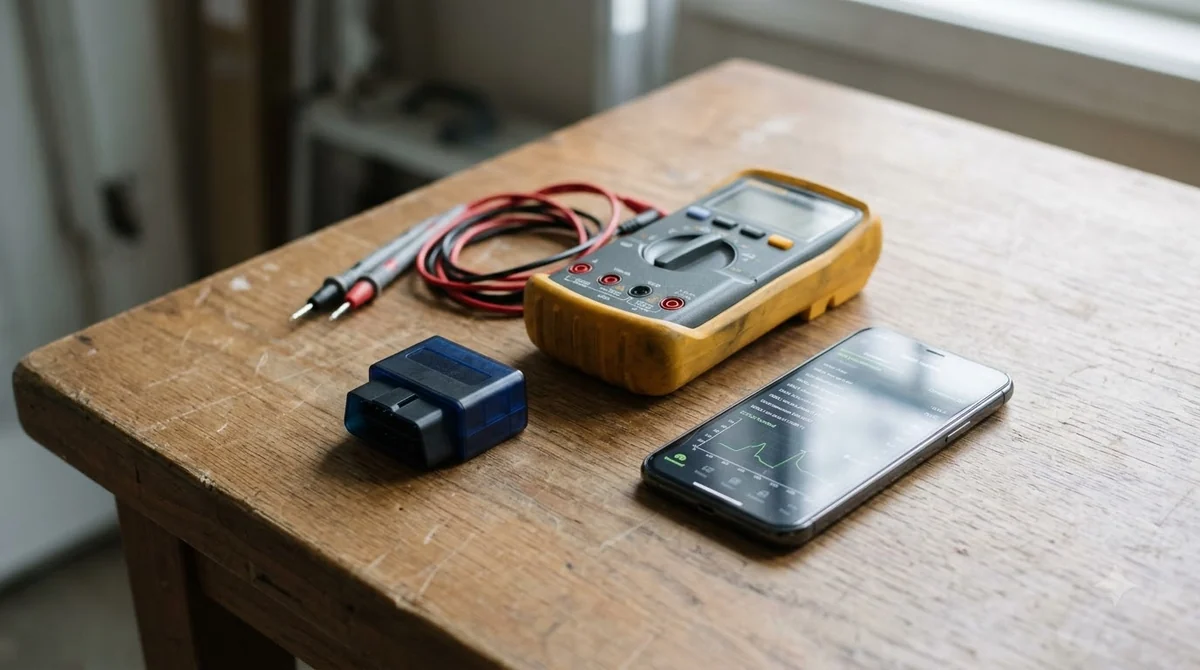
You can read the code behind a Dodge Dart check engine light with an OBD-II scanner, which pulls the trouble code the computer stored. This takes minutes and tells you which system to check first.
- Connect an OBD-II scanner to the vehicle’s diagnostic port (see how to use an OBD2 scanner if this is your first scan).
- Read the stored trouble code and write it down exactly, including the letter and the numbers.
- Look up the code for your model year, then compare it with the causes in this guide before you buy parts.
A code from a Dodge Dart check engine light points to a system, such as the fuel or emissions system, but it does not always name the failed part. Treat the code as the start of a diagnosis, not the final answer, and ask a shop to explain the test results if you take the car in.
Quick Checks You Can Do at Home
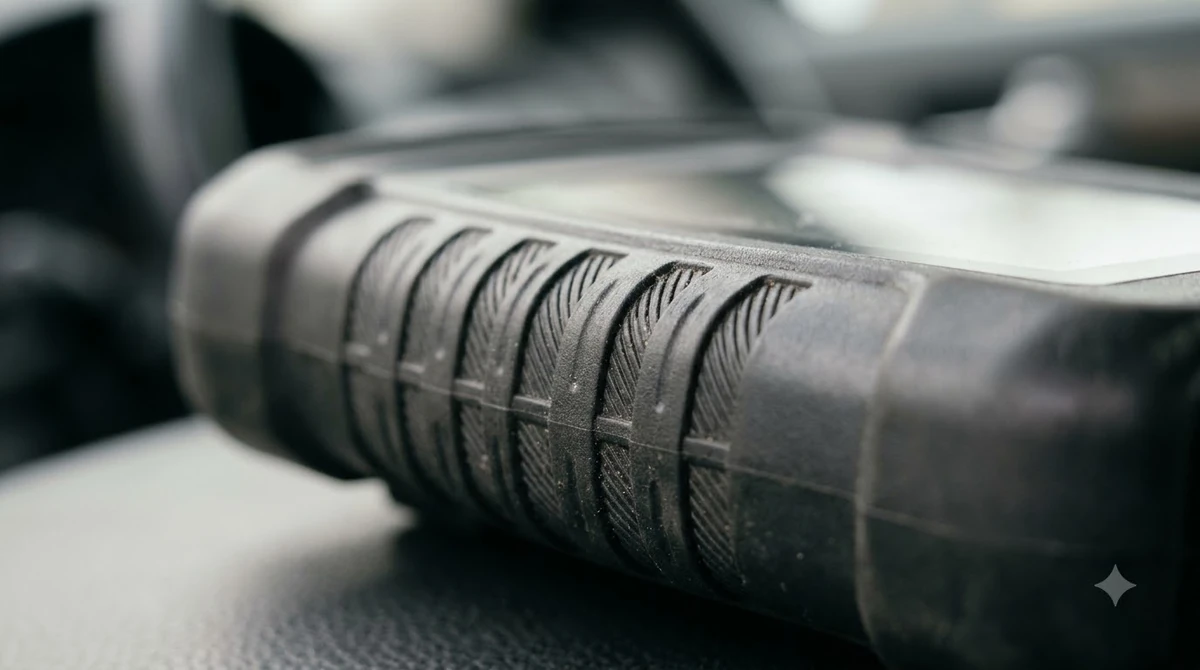
Start with the simple checks when a Dodge Dart check engine light appears. Before you spend money on parts, tighten the gas cap and look over the wires, hoses and connectors near the engine. These two checks cost nothing and rule out the most common simple causes.
- Make sure the gas cap is fully tight, and replace it if the seal is cracked or damaged.
- Look for loose or damaged wires, hoses, or connectors in the engine bay.
- Note whether the light is steady or flashing, and whether the car feels rough or has lost power.
- Clearing the code does not repair the fault, so a light that returns means the problem remains.
When to See a Mechanic
See a mechanic soon if the Dodge Dart check engine light flashes, the car runs rough, or the light returns after you tighten the gas cap. These signs point to a fault that should not wait for a home fix. A repeat warning after a simple fix means the first diagnosis was incomplete, so ask for a full code read.
- The light flashes, which means stop driving hard and get service.
- The engine runs rough, idles unevenly, or loses power.
- A traction control light comes on with the check engine light.
- The code points to the catalytic converter or to repeated misfires.
Ask the shop to show you the stored code and the test results before you approve a repair. If you also drive another Dodge, the Dodge Charger check engine light guide covers a similar checklist. A clear written diagnosis makes it easier to compare quotes.
Model Years Covered and What to Check First
Repair guides for the Dodge Dart check engine light cover 2013, 2015 and 2016 models, so confirm your model year before you compare causes. Haynes’ Dart page is written for the 2013 model, and the search results include Dart guides for 2015 and 2016 as well.
The causes in this guide are general patterns from those sources, not a list confirmed for every engine or year. Use the code your own car stores to decide which cause to check first.
Frequently Asked Questions
Is it safe to drive with the check engine light on?
A steady Dodge Dart check engine light usually means a fault that should be checked soon, not an emergency. A flashing light points to a rather severe engine misfire, which can damage the catalytic converter, so reduce speed and get service as soon as possible. If you are unsure which light you see, have the code read before a long trip.
Will tightening the gas cap turn off the light?
If a loose cap caused the Dodge Dart check engine light, it should turn off within a few days after you tighten the cap, according to the EPA. If it stays on or comes back, read the stored code and check the other causes listed above. A cracked or damaged cap should be replaced.
Does clearing the code fix the problem?
No. Clearing the code only resets the Dodge Dart check engine light. If the fault is still present, the light returns. Fix the cause first, then clear the code (this walkthrough on resetting the check engine light covers the options) and complete a mix of city and highway driving to confirm the light stays off, as Haynes suggests.
Do I need a mechanic to read the code?
No. An OBD-II scanner reads the stored trouble code, and you can look up its meaning for your model year. A mechanic is useful when the code points to a complex system, such as the catalytic converter or repeated misfires, or when you are unsure about a repair.
Do these causes apply to every Dodge Dart?
No. The guides cover 2013, 2015 and 2016 Darts, and not every cause fits every engine or model year. A stored code from your own car and a professional inspection will confirm the cause for your vehicle.
If your Dodge Dart check engine light is steady, read the code this week and fix the cheapest cause first. If it flashes, do not wait: get the car inspected before you drive it much further. Keep the code and the date in a note so a mechanic can see what happened and when.