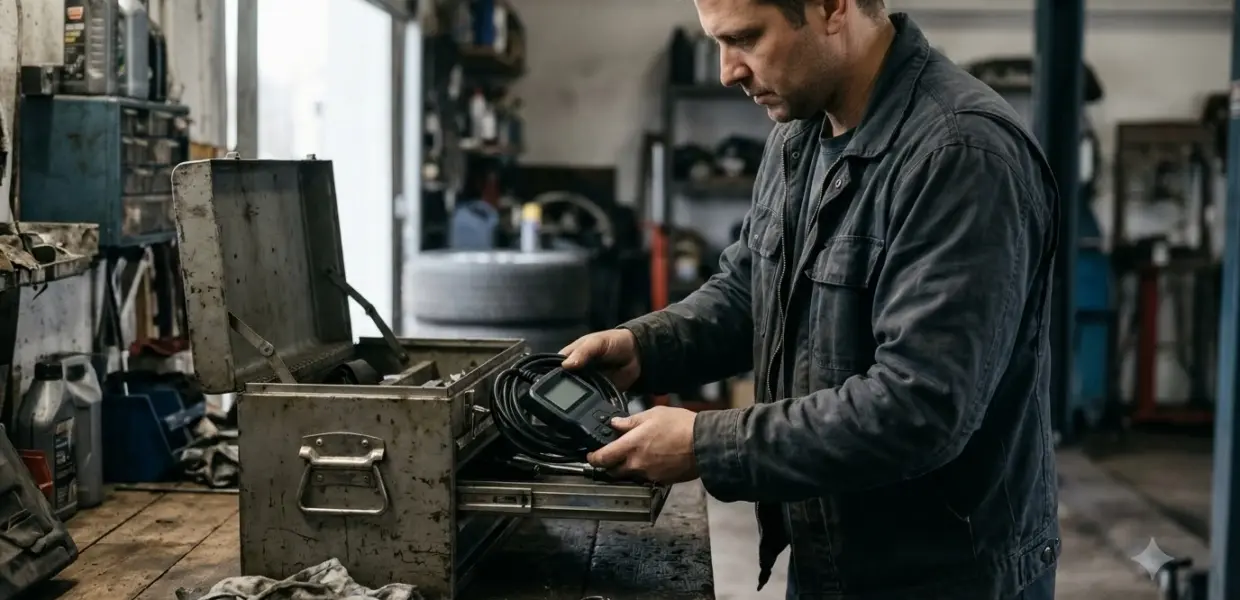

P0172 means the engine air-fuel mixture is too rich on Bank 1, which is too much fuel and too little air. The code points to a mixture problem, so the cause can be fuel delivery, air measurement, or a sensor.
Start with oil level, fuel trim data and freeze frame data before you replace parts. Listed GM diesel models follow a different first step.
This article explains common P0172 causes and checks. It does not give repair prices, and it cannot confirm which part has failed on your vehicle.
P0172 Code Meaning on Bank 1
P0172 means the engine computer found the air-fuel mixture too rich on Bank 1, with too much fuel and too little air. P0175 is the same fault on Bank 2.
The bank number tells you which side of the engine shows the rich condition, but it does not name the part that caused it. That is why a P0172 is a starting point for diagnosis, not a final answer.
Because the code describes the mixture, the first job is to find where the extra fuel comes from or where the air is missing. Freeze frame data helps here. It is a snapshot of engine conditions at the moment the code was set.
Diagnostic trouble codes are set when the engine computer compares sensor readings with the values it expects. The code reports that comparison, so the test results matter more than the code title. Write down the fuel trims, the oil level and the freeze frame details before you change anything, so every later test has a baseline.
Common Causes of P0172
The P0172 cause list starts with a faulty air/fuel ratio sensor and failed or dirty fuel injectors, then covers oil level, air measurement and fuel pressure. That order is how the source lays out the causes, not a ranking of how often each one occurs.
- Faulty air/fuel ratio sensor
- Failed or dirty fuel injectors
- Engine oil level above the correct level
- Fuel diluting the engine oil from frequent short trips
- Faulty mass air flow (MAF) sensor
- Faulty PCV valve, diaphragm, or other PCV parts, or a purge valve stuck open
- Excessive fuel pressure from a faulty fuel pressure regulator
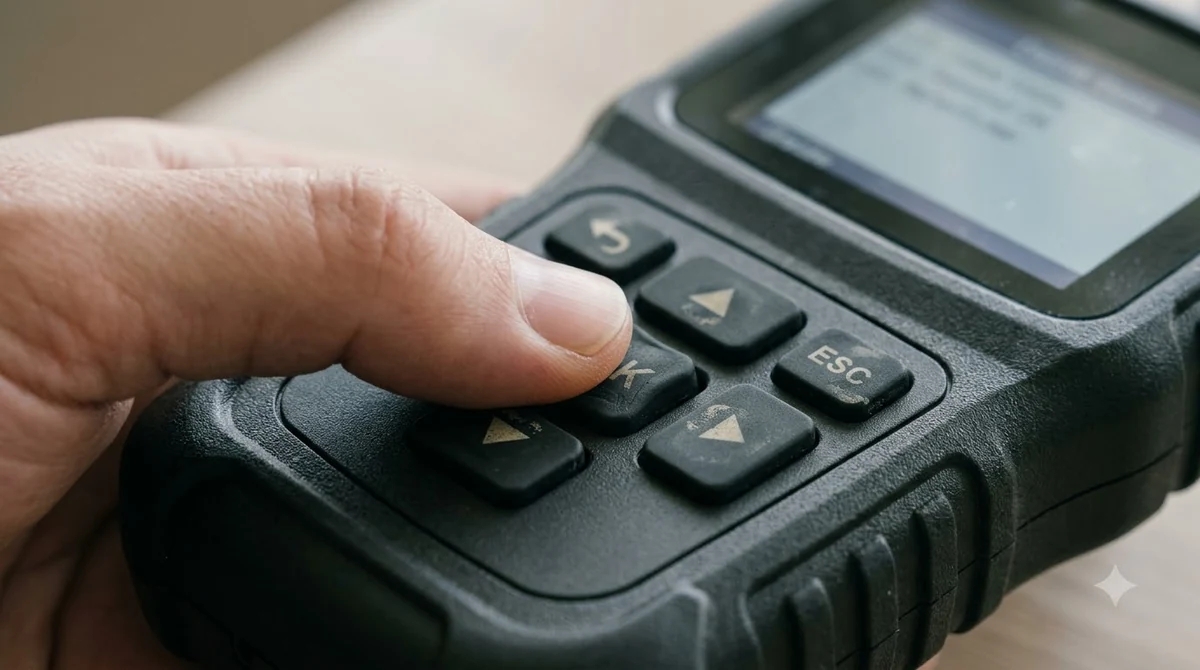
The full list also includes a faulty high-pressure fuel pump that leaks internally into the crankcase, a faulty engine coolant temperature sensor, an incorrect aftermarket intake, contaminated fuel, and a faulty PCM. Each one needs a test before parts are replaced.
Because so many causes set the same code, the code alone is not enough to pick a part. Testing the oil, the fuel trims and the injectors narrows the list before anyone orders hardware. If deposits are on your list of suspects, when a fuel injector cleaner helps explains what a bottle can and cannot do.
Air measurement and fuel delivery are the two broad families of cause. Sensors that measure air or fuel change what the computer believes about the mixture, while injectors and the fuel pressure regulator change the fuel itself. Knowing which family a suspect belongs to helps you pick the right test. A rich mixture can also show up after the converter, where the downstream sensor reports it as post-catalyst rich fuel trim on bank 1.
Symptoms That Often Come With P0172
P0172 symptoms can include black smoke from the exhaust, higher fuel use, rough idle, and hard starting or sputtering. Symptoms help you judge how urgent the job is, but they do not confirm the cause. Other faults can also produce it, and causes of black smoke from the exhaust lists them in order.
- Black smoke from the exhaust
- Higher fuel consumption
- Possible rough idle
- Hard starting or sputtering on startup
The same symptom can come from more than one cause. Black smoke can follow a leaking injector, but it can also follow a sensor that reports the wrong air reading. The scan data decides between them.
A rough idle is easiest to notice at a stop, while hard starting shows up at the first turn of the key. Both are complaints a driver can describe to a shop, which helps the technician match them to the scan data.
How Technicians Check Fuel Trim and Oil
Technicians compare short-term and long-term fuel trims at idle and at higher RPM, and both should normally sit near zero. A long-term trim with a larger negative number, past about negative 10 to 12 percent, points to a rich mixture.
Writing down the trim numbers at idle and at higher RPM before any test gives you a baseline to compare after each repair attempt. A record like that also helps a second technician follow your work.
The steps below follow the order of a specialist diagnosis. They describe how to check a P0172 without replacing parts first.
- Check the engine oil level, and look for a strong fuel smell in the oil.
- Read the scan tool data and the freeze frame for the event.
- Compare short-term and long-term fuel trims at idle and at higher RPM.
- Test the PCV system and the purge valve.
- Run an injector balance test to find a weak or leaking injector.
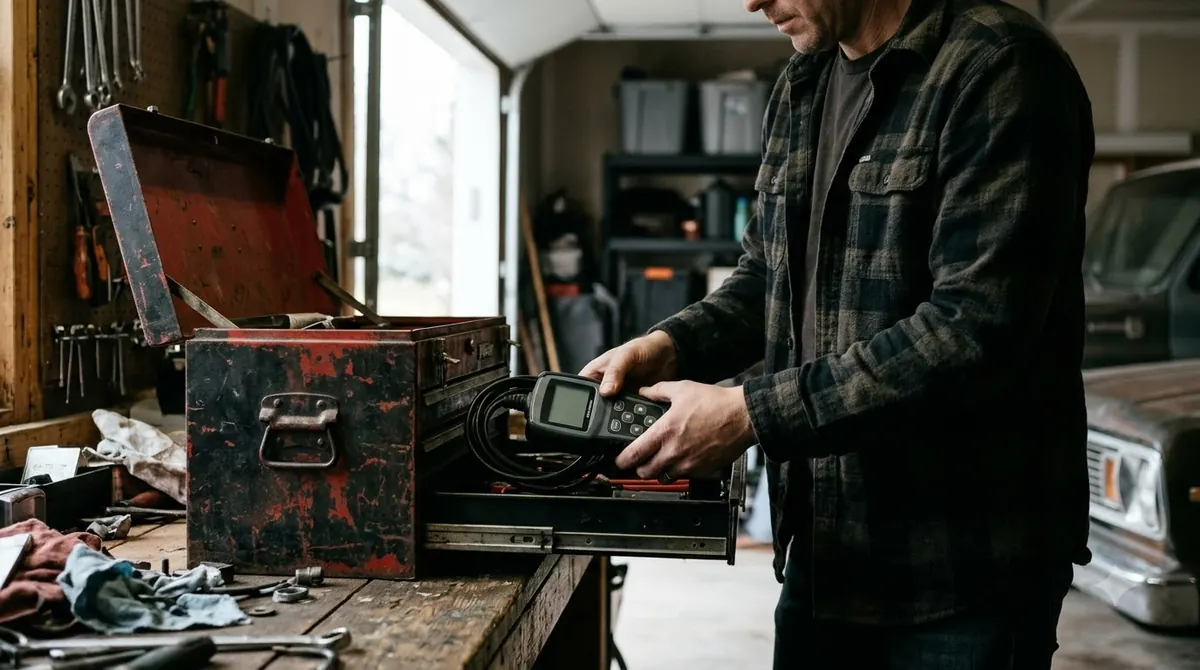
If the oil is diluted with fuel, the source suggests clearing the code, resetting the learned values and changing the oil. A diluted oil reading is a clue that short trips may be part of the problem, not a repair on its own.
The source does not describe a fuel pressure test, a MAF test procedure, or a smoke test. Those checks come from the scan tool data and the service information for your vehicle, so use them as the next step.
When GM Diesel Bulletin 18-NA-361 Changes the First Step
For listed GM diesel models, the GM bulletin 18-NA-361 lists P0172 among codes that can set with diesel fuel contamination. It calls for a fuel system flush before further diagnostics, and it says not to replace the fuel system under the older bulletin 16-NA-102.
The bulletin covers a range of GM diesel trucks and SUVs, with listed model years from 2017 to 2023 depending on the model. The bulletin lists other codes alongside this one, so this code alone does not prove contamination.
- Flush the fuel system before doing further diagnostics.
- Test for the presence of DEF in the fuel, using the procedure in service information.
- Test the fuel specific gravity, using the procedure in service information.
- Continue diagnostics as described in service information after the flush.
If your car is not on the bulletin’s list, the bulletin does not apply. Use the general checks in the earlier sections, and confirm the bulletin scope for your VIN with a dealer.
What Affects the Cost to Fix P0172
The cost to fix P0172 depends on the cause, and no flat price applies to every vehicle. Diagnosis comes first, because the cause decides whether the job is a cleaning, a sensor, or a larger part.
- Which part has failed, and whether it is a cleaning job or a replacement
- How hard the part is to reach, which changes labor time
- Whether the cause is software, a sensor, or contaminated fuel
- Whether a fuel system flush is required before further work
Cleaning costs and replacement costs differ, and the shop should explain which one applies. Ask whether an estimate separates diagnosis, parts and labor so you can compare quotes fairly.
Ask for a written estimate that names the cause the shop found. A quote that lists parts before any test was done is a reason to ask more questions, not a reason to approve the work. If a sensor turns out to be the cause, see what an oxygen sensor replacement costs.
Frequently Asked Questions
What does P0172 mean?
P0172 means the engine air-fuel mixture is too rich on Bank 1, with too much fuel and too little air. It is a mixture fault, and it does not name a single part.
What is the difference between P0172 and P0175?
P0175 is the same fault on Bank 2. The bank number tells you which side of the engine shows the rich condition, so the checks are the same on both sides.
Does this code always mean a bad fuel injector?
No. Failed or dirty injectors are one cause on the list. A faulty air/fuel ratio sensor, a MAF sensor, oil level or fuel pressure can set the same code.
Can I drive with this code?
The source does not give a safe-drive rule. Black smoke, rough idle or hard starting point to a problem that should be checked soon, so do not wait for the code to clear on its own.
Is P0172 a diesel code?
This code can be set on gasoline and diesel engines. For listed GM diesel models, bulletin 18-NA-361 calls for a fuel system flush before further diagnostics, so check that bulletin’s list first.
Should I clear the code and see if it returns?
Clearing the code does not fix the cause, and the code can set again. The source suggests clearing it in one case only, when the engine oil is diluted with fuel, and then changing the oil.
Before you replace any part for a P0172, confirm the oil level, read the fuel trims, and check the freeze frame data. A qualified technician can confirm the cause and check whether a diesel bulletin applies to your vehicle.