


Fuel pressure regulator replacement cost is often quoted between $250 and $550, and a US report puts most commuter cars under $500 with parts and labor. On most vehicles, the total depends mainly on how much labor it takes to reach the part.
The total varies by make, engine layout and whether other parts must come off first. Confirm the fault with a pressure test before approving the job, because injectors and the fuel pump can cause similar symptoms.
Fuel systems run under pressure and can carry fire risk. This page is general information, not a repair procedure. Follow your service manual and get a written quote for your own vehicle.
What Fuel Pressure Regulator Replacement Costs
Fuel pressure regulator replacement cost is quoted at $250 to $550 by one repair site and under $500 on most commuter cars by a US report, as of November 6, 2026. Neither figure is a quote for your car.
| Source | What it says | Notes |
|---|---|---|
| AutoGuru (Australian repair site) | $250 to $550, sometimes higher | The page does not state a currency or a publication date, so treat it as a rough guide for US prices. |
| Jalopnik, by Chloe Clougher | Under $500 on most commuter cars, parts and labor included | Published July 6, 2026. |
Read the two fuel pressure regulator replacement cost figures together rather than one at a time, and lean on the US figure when they differ. The AutoGuru page explains that the range shifts with make and model, and that some repairs cost more than the typical span. AutoGuru’s repair cost page is the best place to see how it frames the range.
Repair-estimate sites also publish model-by-model pages. Those ranges spread widely from one vehicle to the next, so the estimate for your own car matters more than any national average.
Why Labor Drives the Price More Than the Part
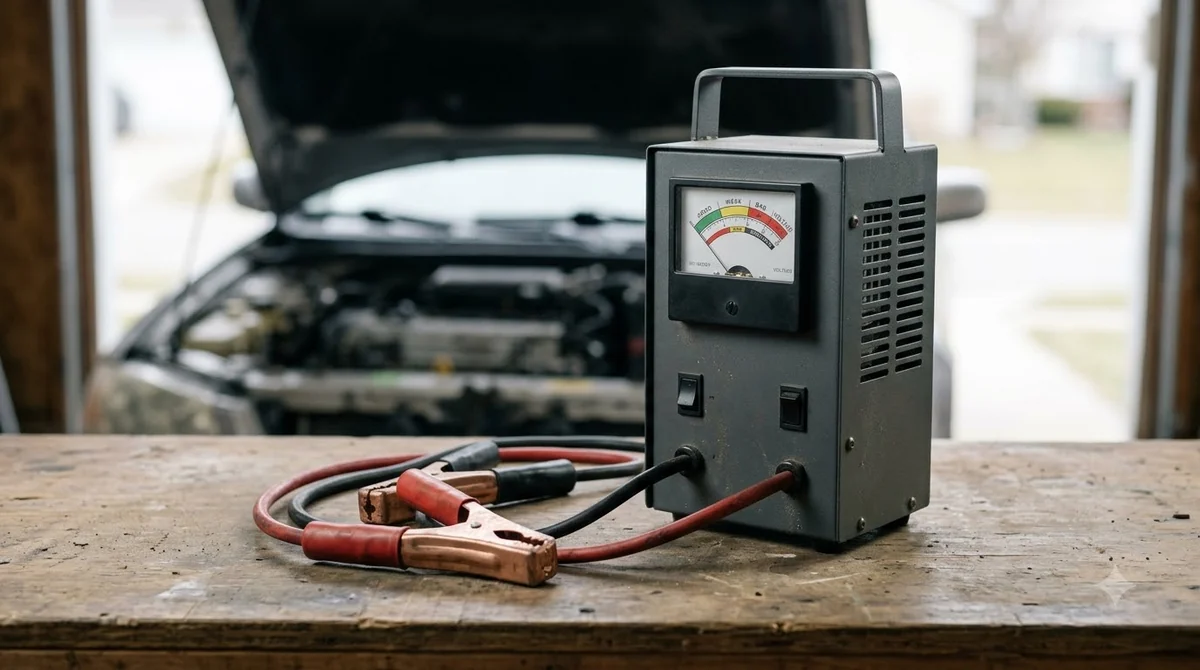
Labor usually moves the total more than the regulator itself, because some engines need several hours of disassembly before the part is reachable. AutoGuru says that access time is a labor driver, and it can push fuel pressure regulator replacement cost well above the typical range.
- Access: how much must come off, such as the intake, covers or lines, decides the labor hours.
- Vehicle: fuel pressure regulator replacement cost can be low on an easy platform and high on a hard one.
- Shared work: if another job already has the intake off, ask whether the regulator can be done in the same visit.
- Part choice: an OEM or aftermarket regulator changes the parts line, so ask which one the quote uses.
- Location: shop labor rates differ by region, which changes the final total.
Ask each shop to split the quote into labor and parts. A single lump sum is hard to compare, and a split quote shows whether the labor estimate is reasonable for your engine.
How to Confirm the Regulator Is the Fault
Before you commit to fuel pressure regulator replacement cost, a fuel pressure test confirms the regulator is at fault. Jalopnik says testing costs roughly a tenth of the price of a replacement, which makes it a sensible first step when the symptoms are unclear. Jalopnik’s guide to regulator signs walks through the same checks.
- Read any stored codes. Jalopnik notes that P0087 means fuel rail pressure is too low, which points to the fuel side but not to the regulator alone.
- With the engine off and cool, inspect the vacuum hose for fuel. Jalopnik calls fuel in the hose the most definitive sign on vacuum-operated systems, because it suggests a failed internal diaphragm.
- Connect a fuel pressure gauge (see how to use a fuel pressure tester) to the rail test port and compare the reading with the manufacturer’s specification in the service information.
- Check whether pressure drops during acceleration or cannot be held after the engine stops. Either result points toward an internal fault.
A pressure test does not replace careful diagnosis. Faulty injectors, a weak fuel pump, and vacuum leaks can all look like regulator failure. You can rule out injectors with how to test a fuel injector, and compare the fuel pump repair cost if the pump is suspect. A shop that confirms the fault before quoting is protecting you from paying for the wrong part.
Symptoms That Point to a Failing Regulator
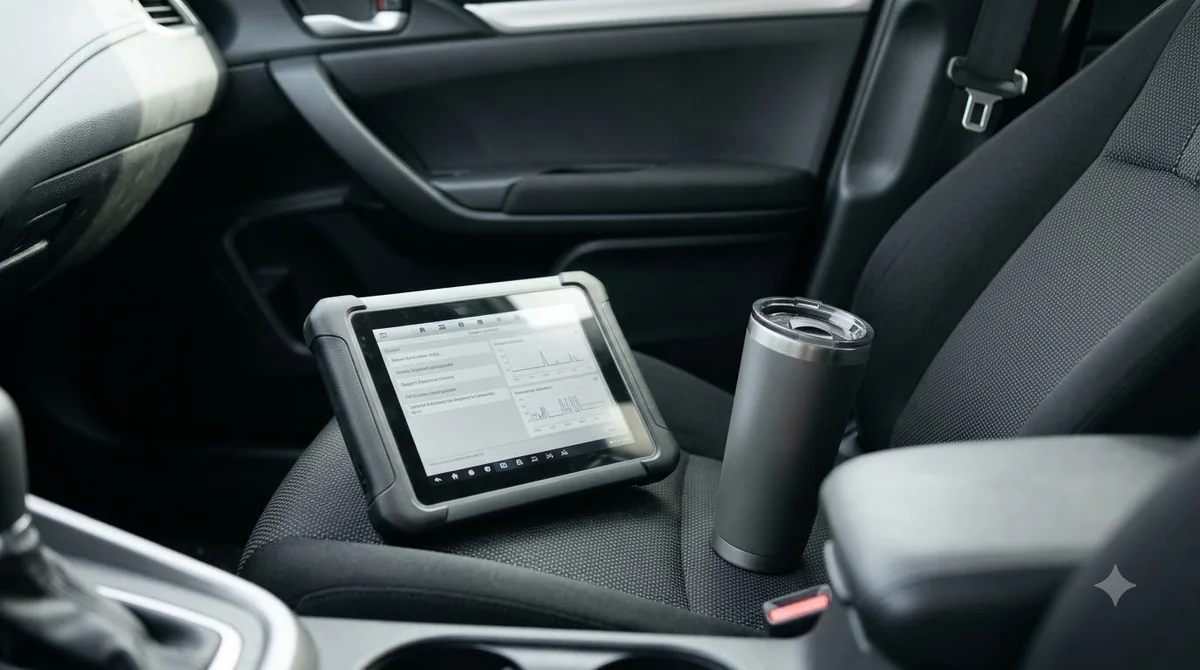
Fuel at the rail, black exhaust smoke, rough running and hard starting are the signs most often tied to a failing regulator. AutoGuru describes the failure as usually sudden, and it says regulators typically fail on cars with roughly 100,000 to 150,000 km on the odometer, which is about 62,000 to 93,000 miles.
- Fuel leaking at the fuel rail or from the regulator body.
- Excessive black smoke from the exhaust, which suggests too much fuel is being burned.
- Rough running, misfires, or an engine that does not start.
- A check engine light caused by a lean or rich fuel mixture.
- A sudden drop in fuel economy, which Jalopnik says is more typical of a regulator fault than a gradual decline.
- A fuel pump that sounds louder than usual, as it may be working harder to make up for pressure loss.
Mileage alone does not prove the fault, so do not approve fuel pressure regulator replacement cost based on age. Use the symptoms as a reason to test before you pay any fuel pressure regulator replacement cost, not as proof, because the same signs can come from a clogged filter, a stuck injector or a vacuum leak.
Fuel Safety Warnings Before You Start Work
A fuel leak or a strong fuel smell is a safety issue first, and it comes before any fuel pressure regulator replacement cost decision. Treat it as urgent, and do not keep driving the car until a technician has inspected the system.
- Stop driving if you see fuel leaking at the rail, the regulator body or the return line.
- Act on fuel smells sooner rather than later. Jalopnik warns that burning excess fuel can clog the catalytic converter, which costs more to replace than the regulator (see the catalytic converter repair cost).
- Relieve fuel system pressure and disconnect the battery before opening any fuel line, following the procedure in your service information.
- Keep sparks, open flames and hot surfaces away from the work area, and keep a fire extinguisher within reach.
- Work in a ventilated space and never smoke near fuel vapor.
These steps are general safety practice for any fuel pressure regulator replacement cost job, and they are not a substitute for the procedure for your vehicle. If you are unsure at any point, stop and call a qualified technician.
Do It Yourself or Pay a Shop
A shop is the safer choice when the regulator sits behind the intake or when a pressure test shows a leak. Doing the job yourself can lower fuel pressure regulator replacement cost by removing the labor line, but it asks for a service manual, the right gauge and a clean way to handle fuel. Missing one step can cause a fuel leak, which is a fire risk and can cost more than the labor you saved.
Do-it-yourself work fits a regulator that is easy to reach, a vehicle with a well-documented procedure, and a person who can test the system before and after the repair. It is a poor fit if the intake must come off, if you have no gauge, or if the symptoms might come from the pump or injectors. This article does not cover every engine layout, so use the service information for your vehicle as the final guide.
Questions to Ask Before You Approve the Work
Before you approve any fuel pressure regulator replacement cost estimate, ask for a confirmed diagnosis and a quote that separates labor from parts. A short list makes it easier to compare shops on the same fuel pressure regulator replacement cost basis.
- Was the fault confirmed with a fuel pressure test, or only by symptoms?
- Does the quote split labor and parts, and which regulator part is included?
- Is the part OEM or aftermarket, and what warranty covers it?
- Are the fuel pump, injectors and lines inspected while the system is open?
- Will the intake or other parts come off, and is that work already scheduled?
Frequently Asked Questions
How much does fuel pressure regulator replacement cost?
Fuel pressure regulator replacement cost is quoted at $250 to $550 by AutoGuru, an Australian site that states no currency, and sometimes higher. Jalopnik, a US outlet, says most commuter cars come in under $500 with parts and labor. Your total depends on labor access and the part chosen, so a written quote is the only exact figure.
Can a bad fuel pressure regulator cause a check engine light?
Yes. A lean or rich mixture from a failing regulator can set a code. Jalopnik notes that P0087 means fuel rail pressure is too low, but that code also appears with pump and injector faults, so a pressure test should confirm the cause.
Is it safe to drive with a leaking fuel pressure regulator?
No. A fuel leak creates a fire risk, so stop driving and have the system inspected before you worry about fuel pressure regulator replacement cost. A strong fuel smell can also mean excess fuel is being burned, which Jalopnik says can clog the catalytic converter over time.
Does a fuel pressure regulator usually fail suddenly?
AutoGuru says failure is usually sudden rather than gradual. That is why a change in running, a warning light or a fuel smell is worth checking promptly, since waiting can add repair work on top of the fuel pressure regulator replacement cost.
Is the fuel pressure test cheaper than replacing the regulator?
Jalopnik says testing costs roughly a tenth of fuel pressure regulator replacement cost. The exact test fee varies by shop, so ask for it when you book, and ask whether it is credited toward the repair if you go ahead.
Get a written quote that splits labor from parts, and ask for proof of the fault before you approve the work. If the test points to the regulator, compare two shops on fuel pressure regulator replacement cost through the labor line, since access work often explains most of the gap between quotes.
