


The catalytic converter replacement cost in the US is usually about $1,000 to $4,000 for parts and labor, according to AAA as of November 3, 2026. The total depends mostly on your vehicle, the type of part you choose and local labor rates.
Two choices move the catalytic converter replacement cost most: an original (OEM) part or an aftermarket part, and whether your car is still covered by the federal emissions warranty. Check both before you approve a quote.
Prices change by vehicle, region and shop, so treat any catalytic converter replacement cost figure here as general guidance, not a quote. Confirm warranty and legal rules with your shop and the official sources linked in this article.
Catalytic Converter Replacement Cost: Typical US Price Ranges
Most US drivers pay between $1,000 and $4,000 for a catalytic converter replacement, parts and labor included, as of November 3, 2026, according to AAA. The figures come from AAA’s catalytic converter cost guide, which does not show a publication date, so the check date is the as-of date.
AAA lists the parts alone at $300 to $2,500, and labor at $160 to $200 per hour. Because the part and the labor are priced separately, ask each shop to show both numbers so you can compare the catalytic converter replacement cost line by line.
The car matters too, and it changes the catalytic converter replacement cost a great deal. AAA says a converter for an economy car might cost $500 to $1,200, while the same part for a luxury BMW could reach over $2,000. The table shows example totals for three makes.
| Vehicle | Aftermarket part | OEM part | Labor | Total, parts and labor |
|---|---|---|---|---|
| Honda | $200 to $400 | $900 to $2,000 | $100 to $200 | $1,000 to $2,200 |
| Ford | $350 to $700 | $800 to $2,400 | $150 to $300 | $950 to $2,700 |
| BMW | $700 to $1,500 | $1,250 to $2,400 | $200 to $400 | $1,450 to $4,000 |
AAA’s totals cover parts and labor only. Checked as of November 3, 2026, these are the example figures on the page, and your own catalytic converter replacement cost may differ.
What Drives the Price of a Catalytic Converter Replacement
Vehicle type, the part you choose, local labor rates and the metal content of the converter drive most of the price gap, according to AAA. Each factor can move the catalytic converter replacement cost by hundreds of dollars. Confirm the cause first with P0420 efficiency code causes.
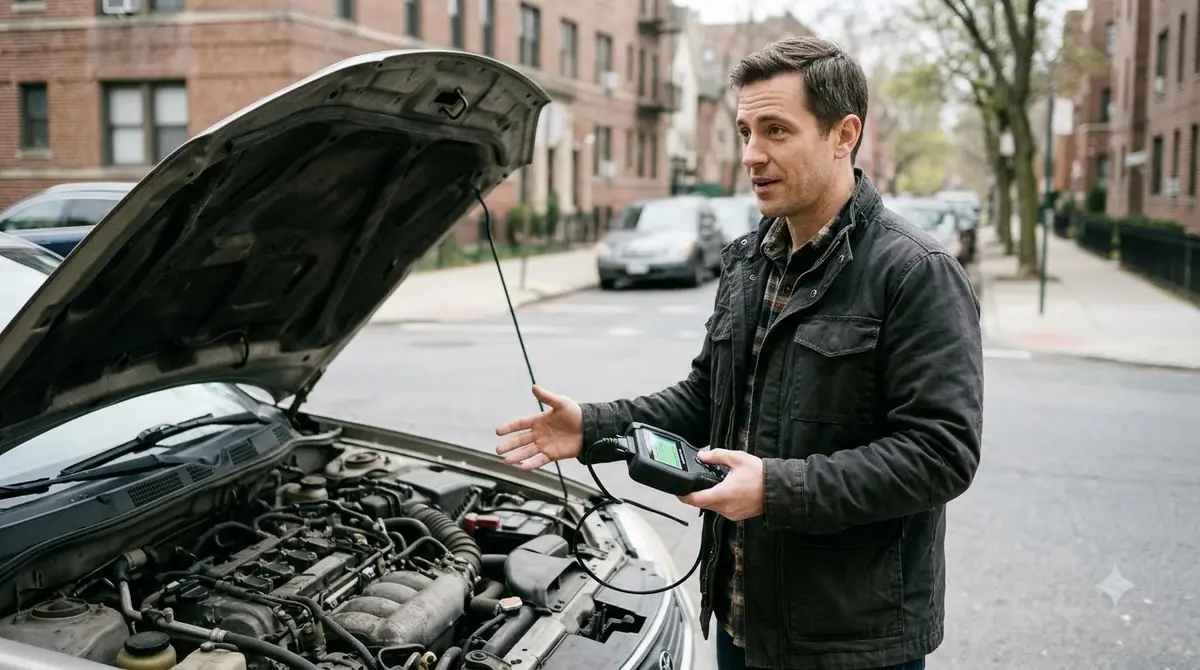
- Vehicle type: trucks, SUVs and premium cars usually cost more to fix.
- Part choice: OEM parts cost 40 to 70 percent more than aftermarket alternatives.
- Labor rate: AAA quotes $160 to $200 per hour, and rates vary by region.
- Precious metals: platinum, palladium and rhodium inside the converter raise its value.
- Access: a converter that is hard to reach takes more labor time.
- Engine size and state rules: larger engines and California’s CARB standards also affect the price.
OEM versus aftermarket parts
An OEM converter is the part the carmaker supplies, and it is the most expensive choice. AAA says OEM parts cost 40 to 70 percent more than aftermarket alternatives. Price is not the only factor in the catalytic converter replacement cost, because California limits which aftermarket parts you can install.
Does the Federal Emissions Warranty Cover the Cost?
Often yes, for a limited time: federal rules cover catalytic converters for 8 years or 80,000 miles, whichever comes first, according to the EPA. The EPA’s emissions warranty guide applies this rule to 1995 and newer vehicles.
The converter is one of three specified major emission control components, along with the engine control computer and the OBD device. Other emission parts carry a shorter 2-year or 24,000-mile period. If a defect in materials or workmanship causes a failure within the limit, the manufacturer must repair or replace the part free of charge, so a covered catalytic converter replacement cost should fall on the manufacturer, not you.
To check your car, work through these steps.
- Find the emissions warranty section in your owner’s manual or warranty booklet.
- Compare your car’s age and odometer reading with the 8-year or 80,000-mile limit, whichever comes first.
- If you own a California vehicle, ask whether extra emissions coverage applies, since the EPA notes these cars may be entitled to more.
- Call the dealer or the manufacturer’s representative listed in the manual before you pay for a repair.
Aftermarket Catalytic Converters in California
In California, a non-OEM aftermarket converter can be installed legally only on a vehicle past its warranty period and only with a documented need for replacement, according to the California Air Resources Board. The board’s installation FAQ sets out the conditions.
Examples of a legitimate need include a malfunctioning converter, accident damage, an exhaust leak, or a melted or cracked substrate. The installer records the reason on the warranty card and the repair invoice. The shop that does the work must confirm these conditions, and another shop’s word is not enough.
CARB publishes a summary list of exempted aftermarket converters, each tied to an Executive Order (EO) number. Check the list for your make, model and model year before you buy. A listed aftermarket part can lower the catalytic converter replacement cost, but only if it is legal for your car. If your model is not listed, ask the shop which part it plans to install.
What Else Can Add to the Bill
A failed converter often comes with a bad oxygen sensor, which AAA says adds about $300 per sensor to the final bill. Oxygen sensors often fail when the converter goes bad, so ask the shop whether the sensor needs replacing and why, since it adds to the catalytic converter replacement cost. Sensors are often replaced alongside the converter, as sensor replacement price factors explains.
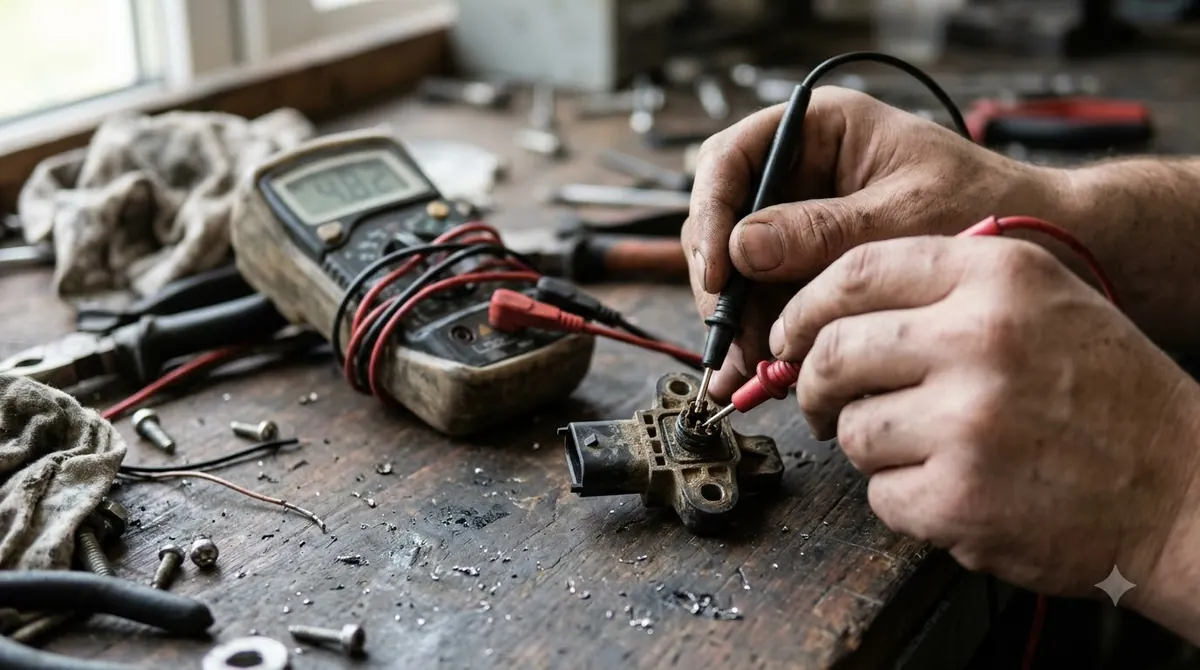
Labor is billed per hour, so the time a shop needs to reach the converter affects the total. AAA says a converter that is harder to reach adds to the cost, so the vehicle itself is part of the estimate.
This page covers the catalytic converter replacement cost after a shop has confirmed the converter is at fault. For how that check works, see the P0420 code guide on this site. The figures here cover the repair only.
Stolen Converters, Insurance and Scrap Value
Thieves target catalytic converters for their precious metals, and scrap buyers pay between $100 and $400 for an old converter, according to AAA. AAA lists platinum, palladium and rhodium as the metals that make converters valuable, and says that thieves can remove one in minutes. For another major repair estimate, see fuel pump replacement price ranges.
That metal value is why converter theft has increased in recent years, according to AAA. If a converter is stolen, check whether your auto policy includes comprehensive coverage and look at the deductible on your declarations page.
A deductible can be higher than the catalytic converter replacement cost, so compare the numbers before you file a claim.
How to Lower the Cost Without Cutting Corners
Check warranty coverage first, get an itemized quote, and compare a legal aftermarket part with the OEM price before you approve any work. These steps protect you from paying a catalytic converter replacement cost that the warranty would cover.
- Confirm the warranty status before you pay, using the owner’s manual or the dealer.
- Ask for an itemized estimate that lists the part, labor hours and any extra work.
- In California, check the CARB list and confirm the shop can document the reason for replacement.
- Compare at least two or three quotes, always for the same part type.
AAA notes its totals for the catalytic converter replacement cost do not cover additional repairs, so ask the shop to flag any extra work before you approve it.
Frequently Asked Questions
Is the catalytic converter replacement cost the same for every car?
No. AAA says an economy car’s converter might cost $500 to $1,200, while the same part for a luxury BMW could reach over $2,000. Labor, region and the choice between OEM and aftermarket parts also change the total, so compare a quote for your own vehicle.
Can I replace a catalytic converter myself?
You can skip the labor charge by doing the work yourself, and AAA puts labor at $160 to $200 per hour, so the savings are real, and labor is the part of the catalytic converter replacement cost you control most. Before you buy any part, check your warranty and, in California, the CARB rules, since a non-OEM part must meet them.
Is a catalytic converter covered by insurance?
Coverage depends on your policy and the cause of the loss, so do not assume it will pay the catalytic converter replacement cost. Check your declarations page for comprehensive coverage and the deductible, then ask your insurer how a claim would be handled before you file.
How long does a catalytic converter replacement take?
The time depends on the vehicle and how hard the converter is to reach, and labor time feeds directly into the catalytic converter replacement cost. Labor is billed by the hour, and AAA lists it at $160 to $200 per hour. Ask the shop how many labor hours it has quoted and check them on the written estimate.
Can I use an aftermarket converter on a car under warranty?
In California, no. CARB says a non-OEM aftermarket converter can be installed legally only after the warranty period ends and only with a documented need for replacement. Outside California, check your local emissions rules with your shop before you buy.
Does the quote include other repairs?
AAA says its totals cover parts and labor but do not cover additional repairs. A shop may find other faults once the car is apart, so ask for a written estimate that lists any extra work before you approve it.
If your car is under 8 years or 80,000 miles, check the warranty before anything else, since a covered defect should be repaired at no charge. Outside that limit, compare itemized quotes for the catalytic converter replacement cost and confirm any aftermarket part is legal for your state. In California, that means a CARB exemption that matches your vehicle.
