

How to test a thermostat in a car means watching coolant temperature and confirming the valve opens close to its rated temperature. A stuck thermostat can cause overheating or keep the engine running too cold.
Three checks cover most cases: a scan tool reading, a hose and gauge check, and a boil test after removal. Learning how to test a thermostat starts with the scan tool, since it needs no removal.
This guide covers car engine thermostats only, not home heating thermostats. Hot coolant can burn, so follow your vehicle’s service manual and see a mechanic before any repair.
What a Thermostat Does in Your Car
A car thermostat is a valve that stays closed while the engine is cold and opens when coolant reaches its rated temperature, which is marked on the part.
Knowing this helps when you learn how to test a thermostat. Until the valve opens, coolant stays inside the engine so it warms up quickly. After it opens, coolant flows to the radiator, where heat leaves the system. Each check below tests whether that flow starts at the right time.
Safety Before You Test the Cooling System
Before you learn how to test a thermostat, let the engine cool completely, because hot coolant can cause severe burns. Motorad’s guide makes the same point before any thermostat work.
- Do not open the radiator cap once the engine has reached operating temperature.
- Check the coolant level only on a cold engine, wearing gloves and eye protection.
- Stop and call a mechanic before you test a thermostat if the work requires draining coolant or removing the thermostat housing.
Check 1: How to Test a Thermostat With a Scan Tool
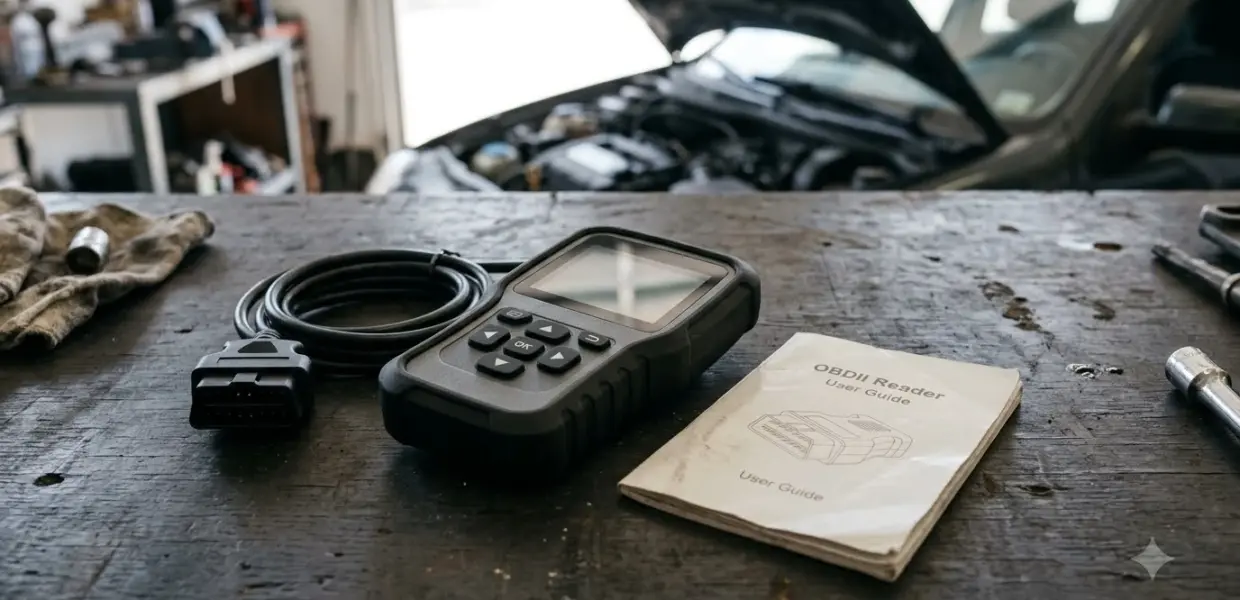
A scan tool with live data shows coolant temperature, so you can check the valve without removing it, which is the first step in how to test a thermostat. A basic code reader cannot display that reading, which makes live data the least invasive way to check a thermostat in the car.
Start with a cold engine, which is the baseline for how to test a thermostat with live data. One Ford 4.0L service guide expects the cold coolant reading to fall within 10°F of outside air temperature, so at 95°F outside, the reading should sit between 85 and 105°F.
- Park on a cold engine and confirm the upper radiator hose is cold to the touch.
- Connect the scan tool and open the engine coolant temperature value in live data.
- Start the engine and watch the number climb as it warms up.
- At 150°F (65°C), touch the upper radiator hose. It should still feel cold.
- At 190°F (87°C), touch the hose again. A working thermostat lets coolant flow, so the hose should be hot or getting hot, and it should stay hot at 200°F (93°C).
The scan tool does not show the valve position directly. An OBD2 scanner reports only coolant temperature, so you infer the result from how that number changes during warm-up. Watch the trend during warm-up rather than a single value. A reading that stays low through a long warm-up can point to a valve that is stuck open.
The 150, 190 and 200°F checkpoints come from one Ford 4.0L guide. Other engines may use different values, so confirm the figures in your service manual before you rely on them.

Check 2: How to Test a Thermostat by Hose and Gauge Patterns
A thermostat stuck closed keeps the hose cold and pushes the gauge high, while one stuck open keeps the hose hot below 150°F. Use the table below to read the hose and gauge results.
| Pattern | Hose at 150°F | Hose at 190°F and 200°F | Gauge and warm-up | What it points to |
|---|---|---|---|---|
| Working | Cold | Hot or getting hot at 190°F, hot at 200°F | Settles at a normal reading | Valve opens on time |
| Stuck closed | Cold | Not hot at either point | Climbs high, can overheat | Likely needs a new thermostat |
| Stuck open or missing | Hot | Hot | Slow warm-up, runs cool | Likely needs a new thermostat |
A stuck-closed valve blocks coolant from reaching the radiator, so the engine can overheat, which makes it the more urgent result. Nationwide’s consumer guide on bad thermostats describes the same high gauge reading.
Nationwide notes that a missing or stuck-open thermostat can leave the engine running too cold, which reduces heat and fuel efficiency. A gauge that jumps quickly from normal to hot, or moves without a clear pattern, can also point to a faulty thermostat. Nationwide describes these as mixed signals to the gauge. Other faults cause the same symptoms, so confirm with the hose check before replacing anything.
Check 3: How to Test a Thermostat by Boiling It
The boil test is the most direct answer to how to test a thermostat, and it requires removing the part. The valve should start to open at the temperature marked on the part.
Motorad’s thermostat guide describes a simple bench check: heat the part in a pot of water while a thermometer reads the temperature. Follow these steps.
- Remove the thermostat and note the opening temperature printed on it.
- Suspend the thermostat in a pot of water so the valve is fully submerged, with a thermometer in the water.
- Heat the water slowly and watch the valve.
- Compare the moment the valve starts to open with the printed value.
According to Motorad, a thermostat that stays shut or opens early is faulty and needs replacement, and that is the pass or fail rule for how to test a thermostat on the bench. For a Ford 4.0L, one service guide lists 195°F (91°C) as the opening point, and it gives a 190 to 195°F range elsewhere. Use the figure for your own engine, not this example.
If the valve opens at its printed temperature, the part passes the bench check. Overheating or a slow warm-up after that result points to another part of the cooling system, which is why the hose and gauge checks come first.
Where This Test Stops and a Mechanic Starts
Learning how to test a thermostat answers one question, whether the valve opens on time. It does not prove a sensor, leak or wiring fault, so a clean result does not close the case on its own.
- P0128 indicates the engine has not reached operating temperature, which one scanner vendor links to a stuck-open thermostat.
- P0597 relates to the thermostat heater control circuit, according to the same scanner vendor.
- A scanner cannot show directly whether the valve is open, so a scan with no codes does not clear the thermostat.
- If the gauge enters the hot zone, stop driving and call a mechanic, because overheating can cause severe engine damage.
If the scan tool readings look wrong, the coolant temperature sensor itself may be the cause. Its repair cost is a separate question, covered in our coolant temperature sensor replacement cost guide. Learning how to test a thermostat does not answer the other questions either. The price of a thermostat replacement is in the thermostat replacement cost guide, and where the part sits on a given model is covered in pages such as the Honda Civic thermostat location guide. For causes of engine overheating beyond the thermostat, read that guide, and see the P0128 code page for the engine-not-warming-up code.
Frequently Asked Questions
How to test a thermostat without removing it?
Yes. A scan tool with live data can show coolant temperature while the engine warms up, and you can touch the upper radiator hose at set readings. That method only suggests the result, so a boil test after removal gives a firmer answer.
What temperature should a thermostat open at?
The opening temperature is printed on the thermostat and listed in the service manual for your engine, and it is the target when you learn how to test a thermostat by boiling it. One Ford 4.0L guide gives 195°F (91°C), but that number applies only to that engine.
Can I drive with a bad thermostat?
A thermostat stuck closed can overheat the engine, and one stuck open can keep it too cool. Learning how to test a thermostat helps, but if the gauge climbs toward hot, pull over safely, turn off the engine and let it cool before checking anything.
Can a scan tool tell me the thermostat is stuck?
Not directly. Knowing how to test a thermostat with a scanner means reading the trend, because an OBD2 scanner does not show whether the valve is open or closed.
How do I know if it is the thermostat or the coolant sensor?
The valve opening and the sensor signal are separate checks, and a thermostat test checks only the valve opening. A faulty sensor can make scan tool readings look wrong, so a mechanic may test both before replacing parts.
Do all cars use the same thermostat opening temperature?
No. Opening temperatures vary by engine and manufacturer, so check the number on the thermostat or in your service manual before comparing any readings.
If the scan tool readings do not match the hose and gauge pattern, or the gauge keeps climbing, have a mechanic test the cooling system before driving farther. Knowing how to test a thermostat correctly means a confirmed result comes before any replacement, not a guess, because a wrong guess leaves the real fault in place. Nationwide notes that a thermostat stuck open can reduce heat and fuel efficiency, while one stuck closed can overheat the engine.
