
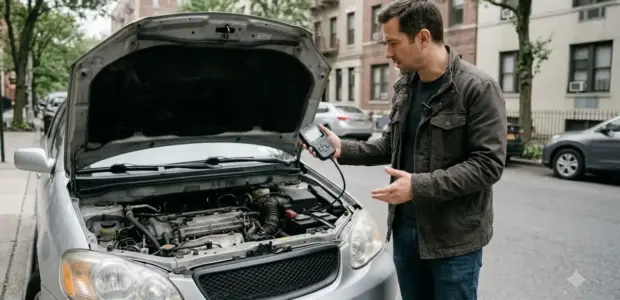

P0128 means the engine coolant has not reached the temperature the thermostat should hold. The thermostat is the most common cause, but several other parts can set the same code.
A thermostat stuck open causes most cases, but sensors, a cooling fan, and low coolant can also trigger the code. Check the simple causes first, then decide which part to replace.
What P0128 Means
P0128 means the coolant has not reached the temperature the thermostat should hold, so the engine runs cooler than normal. The official description is Coolant Thermostat (Coolant temperature below thermostat regulating temperature), as listed in an Elantra service bulletin hosted by NHTSA.
Several manufacturers use the same description. Toyota and General Motors bulletins both list the code with this wording, and a 2024 bulletin from FCA US covers Jeep and RAM vehicles. The code is not limited to one brand.
The thermostat holds coolant back until the engine warms up, so a thermostat stuck open keeps the engine cold. A scan tool reads the code but does not name the failed part, so you still need to check the cause before buying parts.
Common Causes of P0128
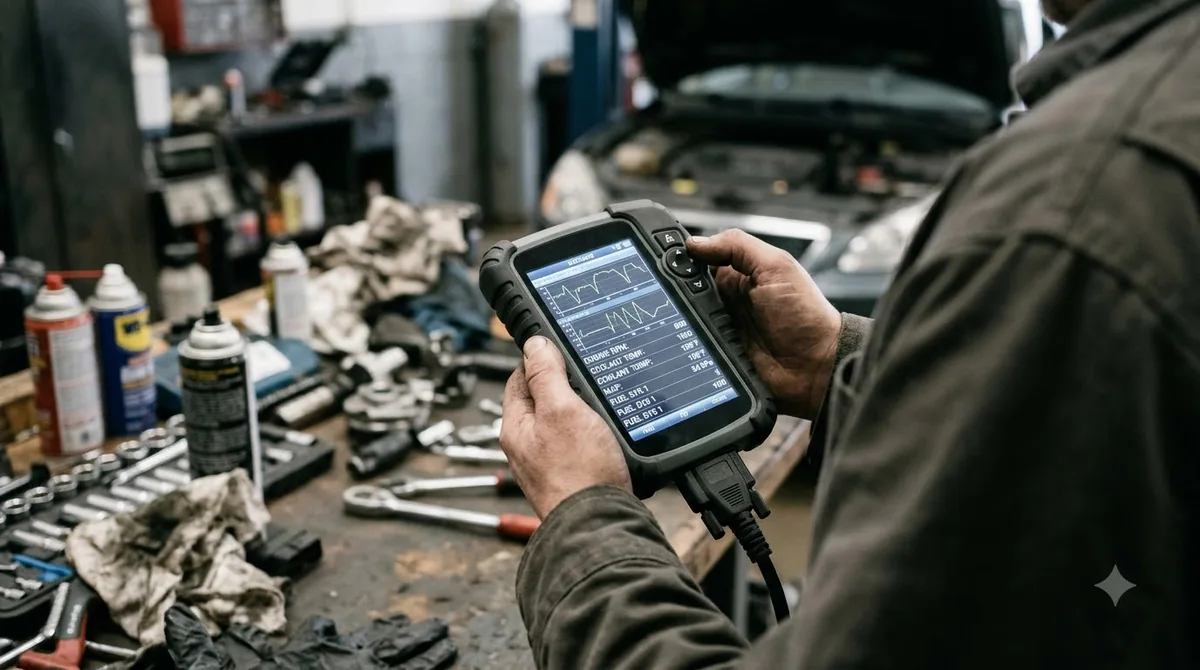
A thermostat stuck open is the most common cause, according to Mechanicbase. The list below starts with that cause and then covers the other common faults. To rule out a leak that keeps the engine from warming up, follow cooling system pressure test steps.
- A thermostat stuck open, which lets coolant flow before the engine is warm.
- A cooling fan that stays on.
- A low coolant level.
- A defective engine coolant temperature (ECT) sensor.
- A bad intake air temperature (IAT) sensor.
- Damaged wiring or a damaged connector.
Wiring faults can look like sensor faults, so inspect the connector before you buy a new sensor. FCA US’s 2024 bulletin 07-006-24 names a faulty thermostat as the cause for certain Jeep Commander, Jeep Compass, and RAM Rampage vehicles built between May 8, 2023 and May 10, 2024. Its repair is a thermostat replacement.
Some codes are not caused by a broken part. GM’s bulletin 20-NA-167 says the diagnostic can run at the wrong time and set a false failure. In that case, the fix was a software update rather than new parts.
Symptoms of a P0128 Code
The most common symptom of P0128 is an engine that stays below its normal temperature and warms up slowly. Mechanicbase lists these signs:
- The engine stays below normal operating temperature.
- The engine reaches normal temperature, but more slowly than usual.
- Temperature drops while driving at highway speed.
- Fuel economy drops.
FCA’s bulletin lists two customer complaints for its thermostat case: no heat inside the cabin and an engine that runs cold. Track warm-up time and fuel economy over several weeks. A repeating pattern is easier to match to a cause than a single cold start.
How to Diagnose P0128 Step by Step
To diagnose P0128, check the coolant level first, then feel the radiator hose after warm-up. A hose that heats slowly or not at all points to the thermostat. When the thermostat work is done, turning off the engine light after a fix explains how to clear the light.
- Let the engine cool down before you open the cooling system. The Elantra bulletin also warns against opening the radiator cap when the engine is hot.
- Check the coolant level and top it off if it is low.
- Inspect the coolant. Contaminated coolant can cause the thermostat to stick.
- Warm the engine and feel the radiator hose. If it heats slowly or not at all, replace the thermostat.
- Listen to the cooling fan. If it keeps running, it may be stuck on.
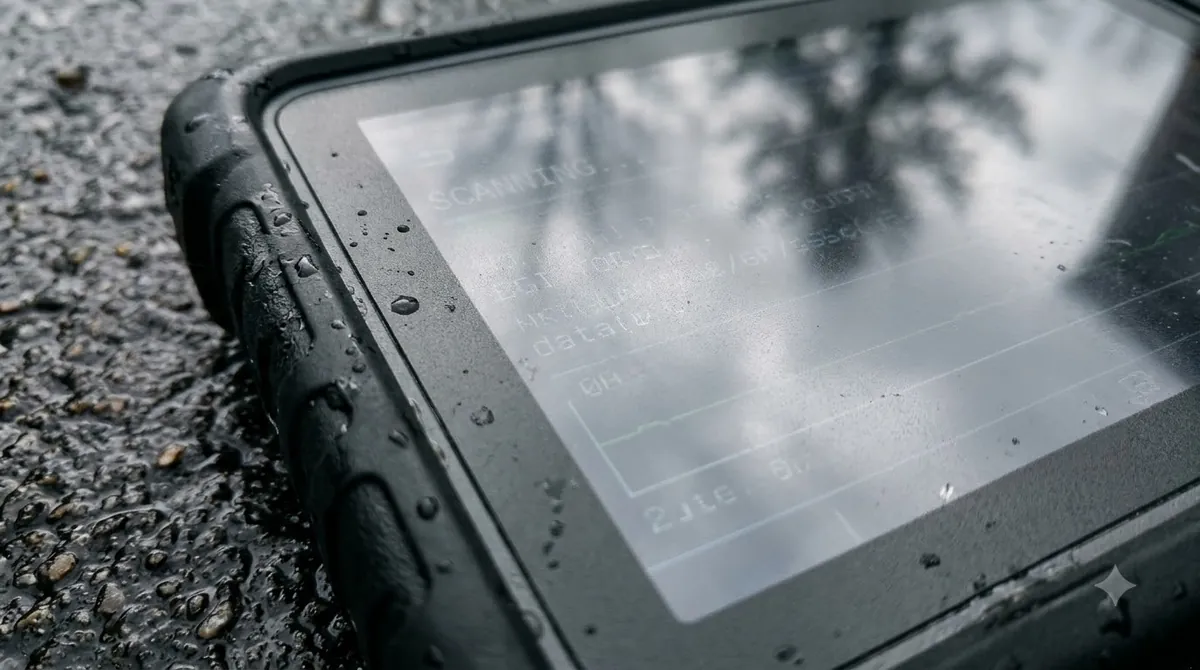
- Use a scan tool to compare sensor readings with factory specifications. Check them against a manual reading and an infrared thermometer.
- Inspect the wiring and connectors for damage.
- Clear the codes, test drive the car, and confirm the check engine light stays off.
Before you buy parts, check your vehicle’s service information for a software update. GM’s GM bulletin 20-NA-167 covers 2019 and 2020 Silverado 1500 and Sierra 1500 trucks. It says to reprogram the control module and not to replace the thermostat unless a diagnostic points to a fault. The same procedure warns that battery voltage must stay stable during programming, and it says not to connect a battery charger during the update.
Save the scan tool readings before and after each repair. The change shows which part fixed the problem.
Repair Costs for P0128
Fixing P0128 with a thermostat replacement costs about $150 to $750, and a coolant top-up costs $35 to $95, according to Mechanicbase’s cost table as of November 3, 2026. Costs vary by vehicle, so compare local quotes.
| Repair | Typical cost (USD) |
|---|---|
| Add engine coolant | $35 to $95 |
| Replace thermostat | $150 to $750 |
| Repair or replace wiring or connector | $50 to $550 |
| Replace intake air temperature (IAT) sensor | $75 to $250 |
| Replace engine coolant temperature (ECT) sensor | $150 to $350 |
| Replace cooling fan | $550 to $800 |
| Diagnostic fee | $75 to $200 |
Labor is the main difference between DIY and shop prices. Mechanicbase says doing the thermostat yourself saves roughly $100 to $250 in labor. Local labor rates change the totals, so use the table as a starting point. For a time reference, FCA’s 2024 bulletin lists 0.9 hours of labor for a thermostat replacement under warranty.
Manufacturer Bulletins for P0128
Manufacturer bulletins show that the same code can have different fixes. Three NHTSA-hosted bulletins cover different vehicles, and none of them applies to every car.
An Elantra service bulletin covers thermostat replacement for P0128 on certain 2019 Elantra vehicles with the 2.0L gasoline MPI engine. The bulletin lists P0128 and P2181 together and applies only to vehicles with VINs starting 5NP. The procedure asks technicians to replace the thermostat, refill the cooling system, and bleed the air. During the bleeding steps, the engine warms to 75°C (167°F) at idle while a scan tool reads the coolant temperature. You can read the full text in the NHTSA service bulletin 20-EM-002H.
That bulletin says the same part number may be used on 17 and 18 model year Elantras with VINs starting 5NP when the work is under warranty. It also states that no drivability issues are associated with this condition. Owners of other models should check their own bulletins, because another car’s scope may differ.
Toyota’s bulletin T-SB-0045-13, dated March 2013, covers some 2010 and 2011 Camry models with the 2AR-FE engine and an automatic transmission. Toyota changed the engine control module logic to reduce the chance of the warning lamp coming on, and it says the ECM should not be replaced as part of the repair. For those vehicles, the bulletin lists the work under Toyota’s federal emission warranty for 96 months or 80,000 miles, whichever comes first.
When to Call a Mechanic
A mechanic is worth calling when the cheap checks find nothing, because the sensors and cooling fan need live scan tool data.
A shop can compare live temperatures with factory specifications. If the code returns after a thermostat replacement, ask the shop to check the sensors and cooling fan before replacing more parts. Repeat failures mean the first repair may have missed the cause.
Frequently Asked Questions
Can I keep driving with P0128?
Possibly, but check the cause soon, because the code can point to a cooling fault. The Elantra bulletin states no drivability issues for its specific condition, while the FCA bulletin lists a cold engine and no cabin heat as customer complaints.
Does P0128 always mean the thermostat is bad?
No. A thermostat stuck open is the most common cause, but a cooling fan that stays on, low coolant, a faulty temperature or intake air sensor, or damaged wiring can also set the code. GM’s bulletin shows that a diagnostic timing problem can set it too.
Can I clear P0128 myself?
Yes, a scan tool can clear the code, but it returns if the cause is still there. Clear it after the repair, then test drive the car and confirm the check engine light stays off. Clearing powertrain codes also resets the inspection and maintenance status indicators, as GM’s bulletin notes.
Is replacing the thermostat a DIY job?
Often, yes. Mechanicbase says doing the thermostat yourself saves roughly $100 to $250 in labor. Follow the vehicle’s service procedure, let the engine cool before opening the cap, and bleed air after refilling the coolant.
How much does a P0128 diagnosis cost?
Mechanicbase lists a diagnostic fee of $75 to $200 for P0128. Ask whether that fee is credited toward the repair if you approve the work.
