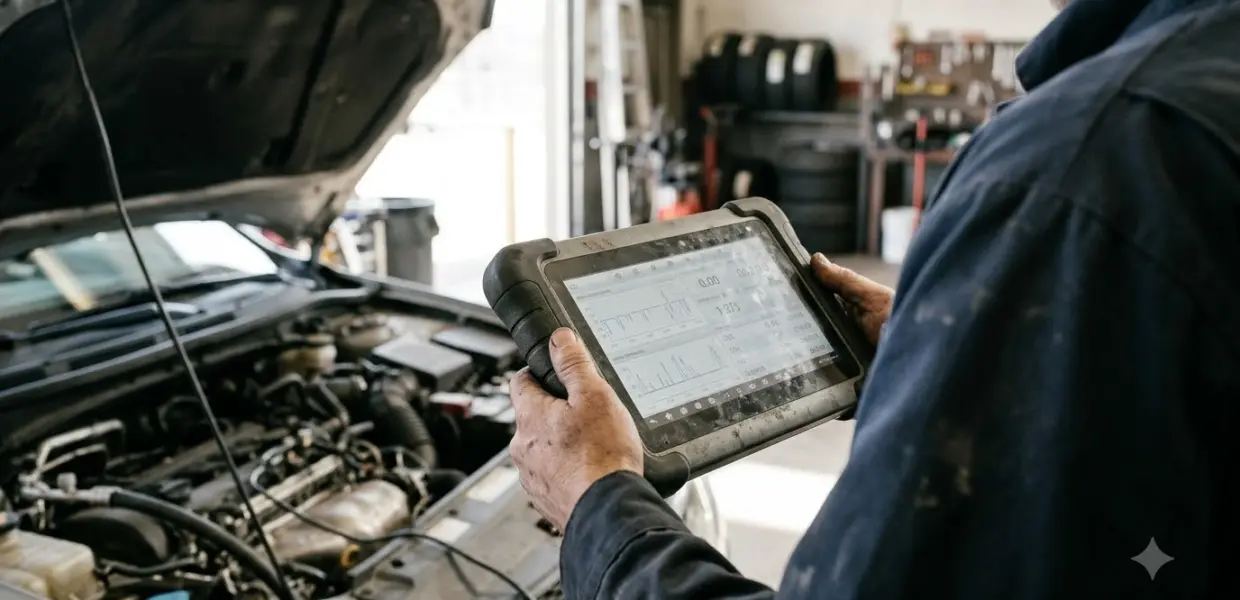

Thermostat replacement cost for a car is quoted at $661 to $747 on KBB and $105 to $400 in a mechanic-written guide, as of November 6, 2026. The engine thermostat is a small valve, so the final bill depends more on access and labor than on the part itself.
This guide covers the car engine thermostat only, not home or smart heating thermostats. It explains the price range, what changes it, and the symptoms that show the part is failing.
Repair prices vary by vehicle, region and shop. This is general information, not a quote, so get a written estimate from a qualified mechanic before you approve any work.
What a Car Engine Thermostat Does
A car engine thermostat is a valve that stays closed while the engine is cold and begins to open as coolant reaches roughly 180 to 200 degrees Fahrenheit. Until then, coolant stays inside the engine so it warms up quickly.
The opening point is not the same on every car, which is one reason a thermostat replacement cost cannot be quoted from a single figure. The owner’s manual or a parts catalog lists the correct part for your engine, and a replacement should match it.
The thermostat sits between the engine and the radiator. Once it opens, hot coolant can flow to the radiator and cool before it returns to the engine. That loop keeps the engine near a steady operating temperature, and it is why a thermostat fault shows up as either overheating or a cold engine.
- Engine warm-up time, since a cold engine needs to reach temperature before it runs as designed.
- Steady operating temperature while you drive.
- Cabin heat, because the heater depends on warm coolant.
This guide does not cover home thermostats. Those control heating and cooling for a building and are priced and serviced by different trades, so a thermostat replacement cost for a house will not match the figures below.
How Much Does Thermostat Replacement Cost?
KBB gives the most complete published range found for this guide. Its car thermostat replacement guide lists an average of $661 to $747 for parts and labor combined, as of November 6, 2026.
That range is a single combined figure. The page does not split it into parts and labor, and it shows no pricing date, so treat it as one reference point rather than a fixed thermostat replacement cost for your car.
| Cost item | What it covers | What to check |
|---|---|---|
| Thermostat part | The valve itself, often with its housing | Whether the part is listed as a separate line |
| Gaskets and O-rings | Seals that are often replaced along with the thermostat | Whether they are included in the total |
| Labor | Time to reach and replace the thermostat | The number of labor hours and the shop rate |
| Coolant | Drained and refilled during the job | Whether it is included or billed extra |
When you read any thermostat replacement cost, check whether the number covers the part, the labor and the coolant. A total that includes only the part is not the full cost of the repair, and a figure without a date or a vehicle does not tell you much.
Labor time is the other driver of any thermostat replacement cost. MechanicRank budgets 0.8 to 2 hours of labor for most cars, so a quote with far more hours than that should be explained line by line.
Estimates for a thermostat replacement cost disagree widely. MechanicRank’s thermostat cost guide, written by a working mechanic, lists $105 to $400 at independent shops for most cars, with parts at $30 to $120 and labor at $95 to $140 per hour (planning estimates, as of 2026-11-06). That is far below the KBB figure, so compare what each quote includes rather than the headline number.
What Changes the Price
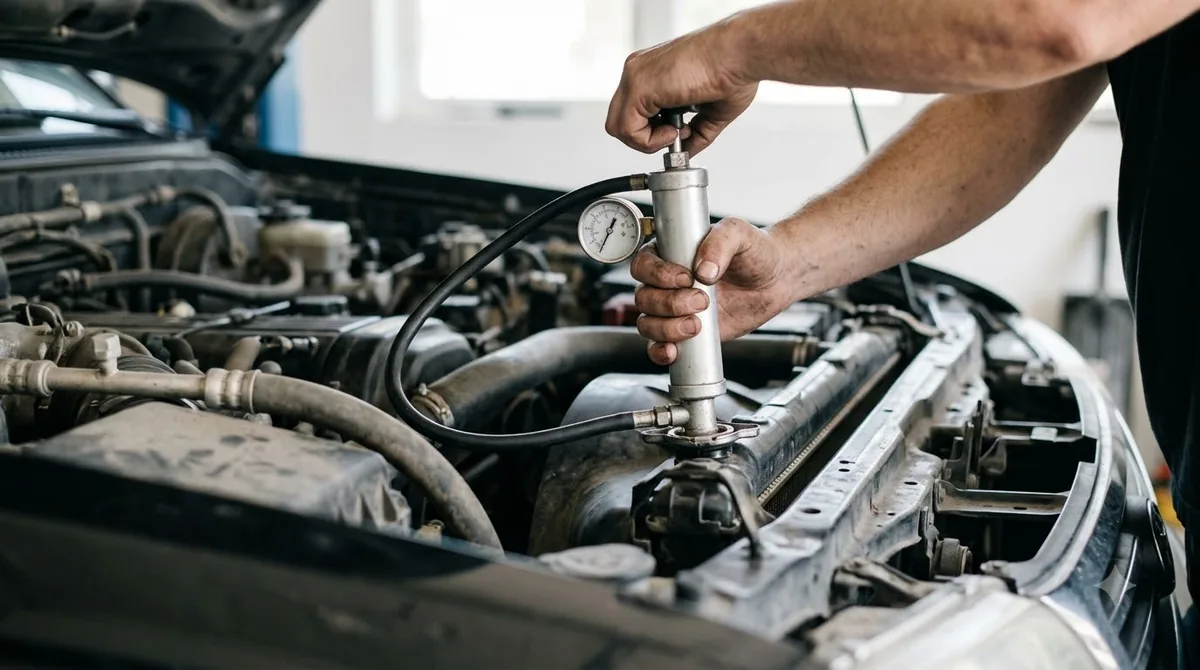
Two factors can move the final thermostat replacement cost the most: access and related parts. A thermostat that is hard to reach takes more labor time, and a job that also replaces other cooling parts raises the total.
- Access: Cars.com says a computer-controlled thermostat that is hard to reach can cost several hundred dollars to replace at a shop.
- Vehicle age and mileage, since older cars may already need related cooling parts.
- Shop labor rate, which varies by region and by shop.
- Quote scope, including whether coolant refill is part of the total.
Vehicle layout matters for the thermostat replacement cost. On some engines the housing is easy to reach, while on others the mechanic must remove other parts first. A shop can only estimate labor and the full thermostat replacement cost after it checks the layout for your specific vehicle, so ask for a vehicle-specific quote.
Should the Water Pump Be Replaced Too?
Cars.com does not treat water pump replacement as a standard step with the thermostat. It describes doing both as an exception for high-mileage cars that already need related parts, such as the water pump, radiator or radiator hoses. In that case, the small added cost to the thermostat replacement cost may be worth it. If you are weighing that add-on job, see what a water pump job costs.
Signs the Thermostat Is Failing
A thermostat stuck closed makes the engine overheat, while one stuck open keeps the engine running cold and lowers fuel economy. The stuck-closed case is the more urgent of the two, so learn its signs first. An engine that keeps overheating can suffer expensive damage, so waiting can push the total far above the usual thermostat replacement cost.
| Failure | Common symptoms | Urgency |
|---|---|---|
| Stuck closed | Overheating engine, poor fuel efficiency, cool air from the heater, warning lights on the dashboard | High: stop the engine and let it cool |
| Stuck open | Slow warm-up, temperature gauge stays low, lukewarm or cold heater output, higher fuel use, possible check engine light | Medium: have it checked soon |
Motorist notes that age, corrosion and debris buildup can cause a thermostat to fail. A thermostat that is stuck open also wastes fuel, which is one reason a long-running cold engine is worth fixing. A thermostat that stays open can also store a low coolant temperature code, because the engine never reaches its set temperature.
These symptoms can overlap with other cooling-system faults, so a shop should confirm the cause before the thermostat is replaced, so you do not pay a thermostat replacement cost for a part that works. Never open the cooling system while the engine is hot, because the coolant is under pressure and can cause serious burns.
How to Compare Quotes and Save Money
Compare written quotes line by line, because a low total can leave out the thermostat, labor, coolant refill or related parts. Use the steps below before you approve the job.
- Ask for the part, labor hours and coolant refill to be listed separately.
- Ask whether the water pump, hoses or radiator should be replaced at the same time, and why.
- Get at least two or three quotes from shops in your area.
- Compare each total with the KBB and MechanicRank ranges, then ask what explains any gap.
A common mistake is choosing the cheapest quote without checking whether it includes coolant refill. A low thermostat replacement cost that leaves out the coolant can end up costing more once the shop adds it back.
Cars.com describes swapping the thermostat during a water pump or radiator hose job on high-mileage cars, so the labor is shared rather than paid twice. Your owner’s manual lists whether the maker sets any replacement interval for the part.
Radiator repair and coolant flush schedules are separate topics, and their costs do not belong in a thermostat replacement cost estimate. Your owner’s manual lists the coolant replacement interval for your car.
Related Guides
Frequently Asked Questions
Is thermostat replacement a DIY job?
Some owners do it, which removes the labor line from the thermostat replacement cost, but parts, gaskets and coolant remain. On many cars the thermostat sits in a hard-to-reach housing, so access decides how long the job takes. Check your service manual first. If the housing is buried behind other parts, a shop quote is the safer choice for most owners.
Can a bad thermostat cause damage?
A thermostat stuck closed can make the engine overheat, and continued driving in that state can lead to engine damage. If the temperature gauge reads hot, stop the engine, let it cool, and have the cooling system checked before you drive again.
What does a stuck-open thermostat do to fuel economy?
A stuck-open thermostat keeps the engine running cold, and Motorist says higher fuel consumption can point to this problem. The temperature gauge may also stay low during extended drives, and the heater may blow lukewarm air.
Is an engine thermostat the same as a home thermostat?
No. An engine thermostat is a valve in the cooling system, while a home thermostat controls heating and cooling for a building. The two are serviced by different trades and priced differently, so their costs are not comparable.
Do I need to replace the water pump with the thermostat?
Not always. Cars.com describes replacing the water pump with the thermostat as an exception for high-mileage cars that already need related parts. Ask your shop what it recommends for your specific car and why.
What should a written thermostat quote include?
It should list the part, labor hours, coolant refill and any gaskets or related parts, so you can compare it with other quotes line by line. A quote that leaves these out is not directly comparable to a complete one, even if the total looks lower.
If the gauge reads hot or the heater blows cold, act early rather than waiting for the next service. Once you have a written quote that lists the part, labor and coolant, compare it with at least two others before you approve the work.