


A check engine light on but car runs fine usually means the engine computer has logged an emissions or sensor fault, not that the engine is about to fail. The light still matters, because the code behind it tells you which system needs attention.
A check engine light on but car runs fine can stay on for weeks with no visible symptoms, so the code matters more than the light itself. A flashing light or any loss of power changes the answer, and those cases are covered below.
This guide gives general information, not a diagnosis of your vehicle. Fuel, brake and electrical faults can be serious, so have a qualified mechanic check any warning you cannot identify.
What a Steady Check Engine Light Means
A steady check engine light means the on-board diagnostics system has detected a fault, most often in the emission control system. The US government’s fuel economy guide says the light can be as minor as a loose gas cap.
The check engine light is also called the malfunction indicator lamp, or MIL. According to Fuel Economy’s maintenance guide, the light “indicates that something is wrong with your engine.” The fault can be small, but the light does not say which part failed. That is why a check engine light on but car runs fine still needs a code read.
Why a Check Engine Light On but Car Runs Fine Can Be Minor
Many faults behind a check engine light on but car runs fine do not change how the car drives, because a sensor or leak can affect emissions before it affects performance. The same government guide notes that a vehicle may seem to drive normally even when a repair is needed.
An oxygen sensor that reads slightly off can keep the engine running smoothly while the fuel mix drifts. MechanicBase notes that an oxygen sensor can fail with no symptoms at all. A small intake vacuum leak can make the engine run lean, which can cause shaking and misfiring.
Normal driving does not prove the fault is harmless. It only means the symptoms have not reached the point where you can feel them. A check engine light on but car runs fine for weeks deserves the same code read as one that just came on.
Common Causes and What They Typically Cost
A loose or worn gas cap is one of the most common causes, and a new cap costs $5 to $35. Other frequent faults range from $50 to $600, according to MechanicBase’s price ranges as of 2026-11-06.
| Cause | Typical cost | Effect on driving |
|---|---|---|
| Loose or leaking gas cap | $5 to $35 | Usually none, but it can affect emissions |
| Oxygen sensor | $65 to $450 | Often none, but can reduce fuel economy |
| Mass airflow (MAF) sensor | $75 to $550 | Can upset the fuel mix |
| Intake vacuum leak | $50 to $600 | Possible shaking and misfiring |
| Spark plugs or ignition coils | Plugs $50 to $450; coils $150 to $350 | Serious performance issues as they wear |
| Battery or alternator | Battery $125 to $400; alternator $250 to $750 | Can end in a failure to start |
| Electrical connector or wiring | $50 to $550 | Wiring faults can cause shorts |
| Failing catalytic converter | $900 to $1,500 | Car may fail emissions testing |
For a check engine light on but car runs fine, the catalytic converter is the costliest item in the list, and a separate guide covers catalytic converter repair costs in detail. MechanicBase says the car may fail emissions testing until it is repaired, so do not postpone the code read if an inspection is coming up. Prices vary by vehicle, region and shop, and the source page was last updated on 2025-11-11. Treat each range as a starting point, and ask for a written estimate that lists parts and labor before you approve any work.
Can You Keep Driving With a Check Engine Light On but Car Runs Fine?
For a steady light with normal power, a short drive to a shop is generally reasonable, but the code should be read soon. Use these conditions as a rule of thumb when you decide whether to keep going.
- Steady light, normal power and smooth running: keep trips short, avoid hard acceleration and book a code read.
- Steady light with reduced power, rough running or new noises: stop driving once it is safe and arrange a tow.
- Flashing check engine light: stop as soon as it is safe, because the car may be misfiring.
Driving style matters while you wait. Gentle acceleration and moderate speeds put less strain on a struggling engine than hard launches or towing, so keep trips short until the code is read.
This answer applies only to a check engine light on but car runs fine with no change in behavior. It does not cover a light that appeared right after a repair or one that comes and goes with temperature. In those cases the car needs the code read before the next long trip.
When to Stop Driving Right Away
Stop driving as soon as it is safe if the light flashes, the engine runs rough or power drops. Smoke, a fuel smell or a rising temperature gauge also means the car needs a tow or immediate inspection. A check engine light on but car runs fine can turn into a stop-now warning the moment the car changes.
Ford’s guide says a continuously flashing light may mean an engine misfire. It warns that continuing to drive may reduce power or cause the engine to stop, and that failing to respond may cause component damage not covered by the warranty. Its next step is to have the vehicle checked as soon as possible, as set out in Ford’s dashboard light guide.
- A flashing check engine light
- Rough idle, shaking or repeated misfires
- Loss of power or hesitation when you accelerate
- Smoke, a burning smell or a strong fuel smell
- A temperature gauge climbing toward hot
- Oil, battery or brake warning lights on at the same time
If the temperature gauge climbs, pull over safely and let the engine cool before you check anything under the hood. Do not keep driving to test whether the fault is serious, because that test can cost more than the repair.
How to Get the Trouble Code Read Without Guessing
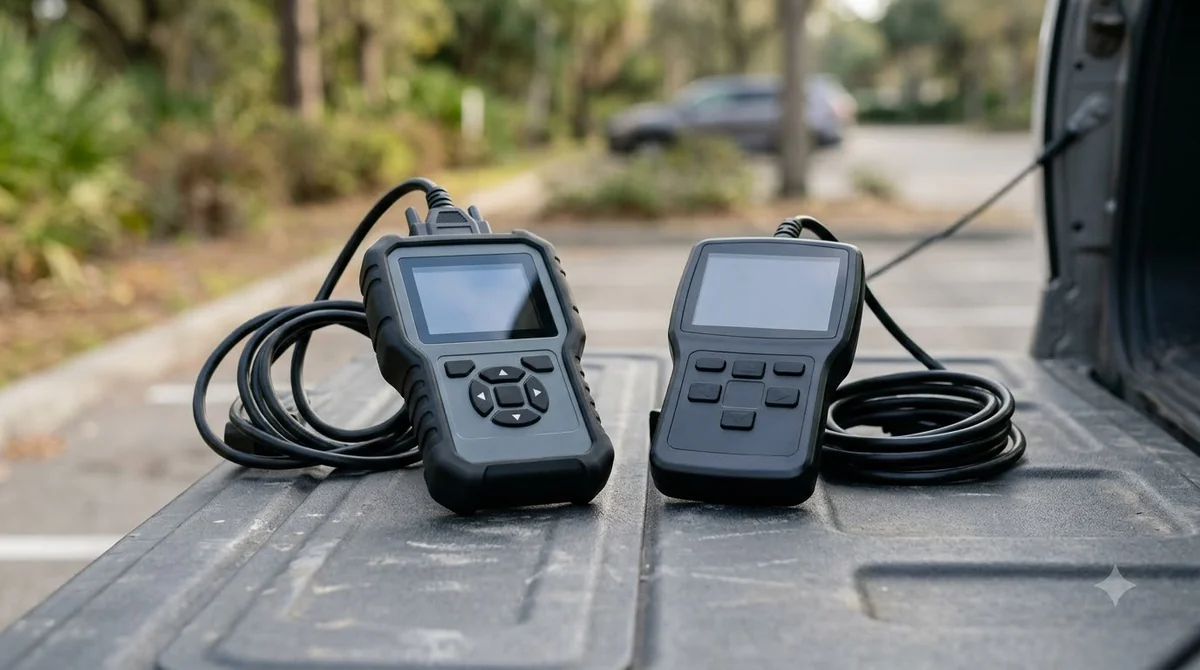
The fastest way to learn what set a check engine light on but car runs fine is to read the stored trouble code with an OBD-II scanner, then match the code to the repair. Write down the code before you clear the light, because clearing it erases the stored code.
- Park safely and switch off the engine.
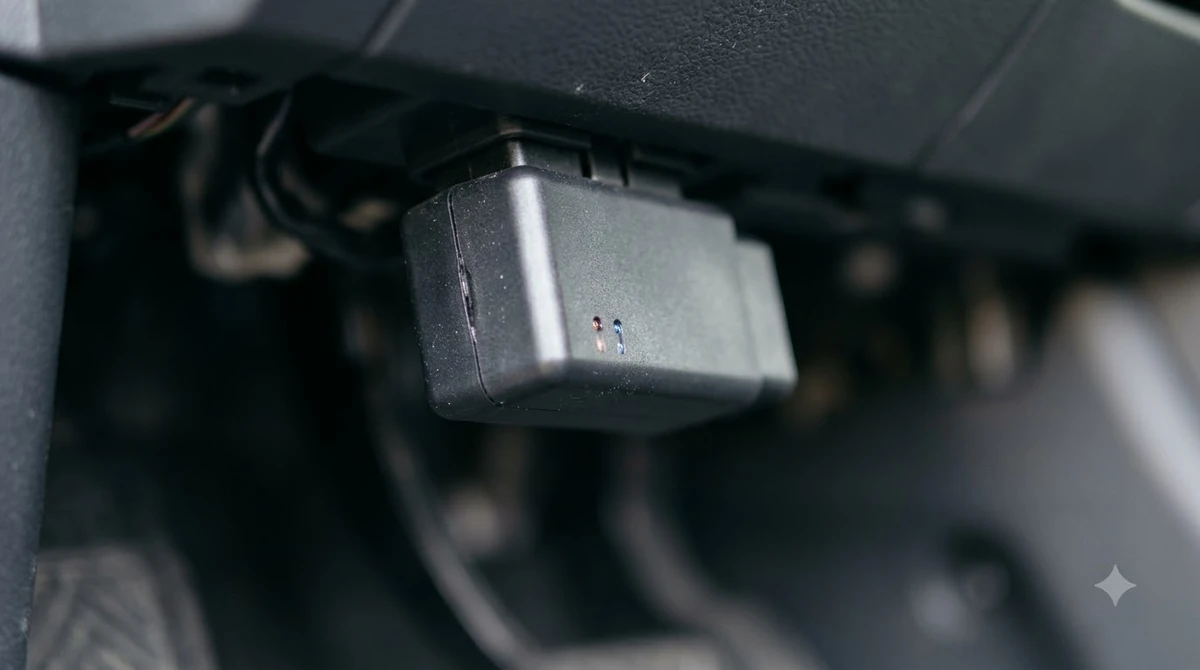
- Find the OBD-II port, which is usually under the dashboard near the steering column.
- Plug in a scanner and turn the ignition on without starting the engine.
- Write down every stored code and its description.
- Check that the gas cap is tight, then drive for several trips before deciding what to do.
A code from a check engine light on but car runs fine points to a system, such as an oxygen sensor circuit or a misfire, not always to the exact part. Research the code for your model before you buy parts. Ask the shop for the freeze-frame data the scanner recorded when the light came on. That snapshot shows engine speed, temperature and load at the moment of the fault, which helps a technician tell a one-time event from a repeating problem. If the light returns after a clear, the fault is still active and needs repair. For a model-specific example, see our Audi Q5 check engine light guide.
Frequently Asked Questions
Will a check engine light on but car runs fine go off on its own?
Sometimes. If the fault was temporary, such as a gas cap that was loose and has since been tightened, the light may clear after a few drives. Many faults stay stored, and the light can return later. Reading the code shows whether the problem is still active.
Can a steady check engine light cause a failed emissions test?
Yes. MechanicBase says a failing catalytic converter may make the car fail emissions testing until it is repaired. Other emissions faults, such as a leak or a sensor problem, can also set the light. The code tells you which system is involved.
Is it safe to drive to the mechanic with the light on?
For a steady light with no change in how the car runs, a short drive is generally reasonable. Stop as soon as it is safe if the light flashes, the engine loses power, or you notice smoke, a fuel smell or overheating.
Does a loose gas cap always cause the light?
No. A loose cap is one of the most common causes, but the light can also mean a sensor, leak or ignition fault. Tighten the cap first, then drive for several trips. If a check engine light on but car runs fine stays on, have the code read.
Should I reset a check engine light on but car runs fine?
Only after you have recorded the trouble code. Clearing the check engine light erases the stored code. A light that returns quickly means the fault still needs repair, and you lose the information a shop would use to find it.
A check engine light on but car runs fine is a reason to book a code read soon, not a reason to ignore the light for months. If the light flashes or the car changes how it drives, stop first and sort out the details later.
