
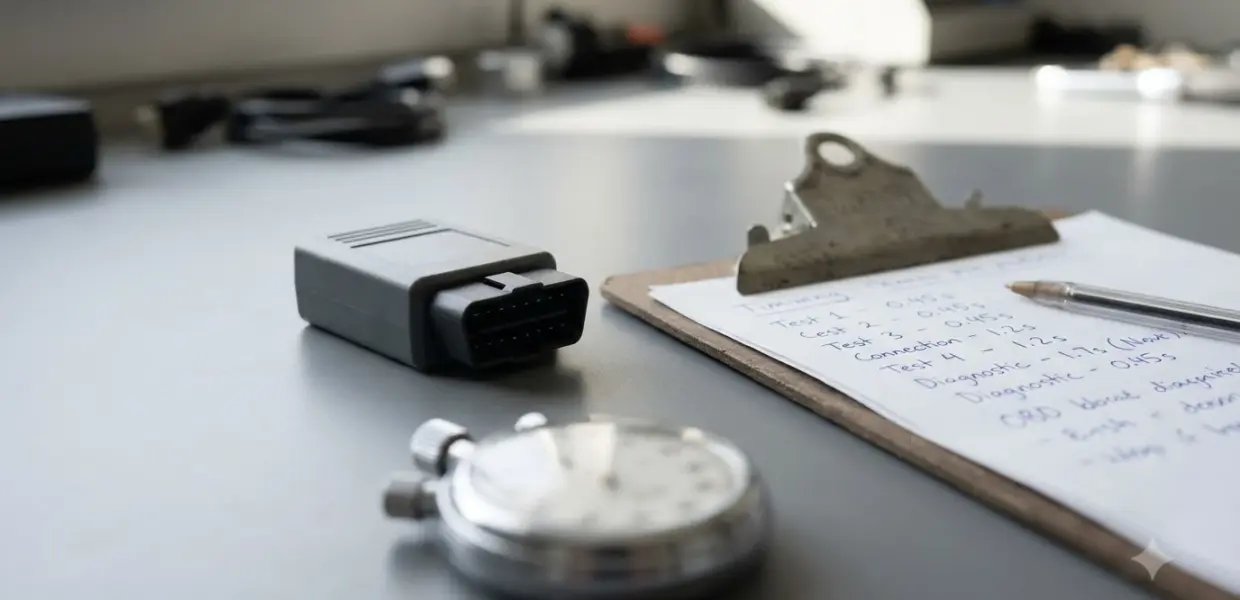

The short answer to what does mil mean on a car is malfunction indicator lamp, the dashboard light most drivers call the check engine light. It tells you that the engine computer has found a problem that needs a look.
The light is not always an emergency, but its behavior matters. A steady light, a blinking light and a light that turns off each mean something different. Whether you search “what does MIL mean” or “check engine light,” the sections below explain how to read them.
What Does MIL Mean on a Car Dashboard?
MIL stands for malfunction indicator lamp, the official name for the check engine light. So what does MIL mean in plain terms? It is the engine warning light, labeled with the technical term. It signals that the car’s onboard diagnostic system has detected a fault in the engine or emissions controls.
The U.S. Department of Energy’s fueleconomy.gov maintenance guide explains that this light “indicates that something is wrong with your engine.” It also notes that the problem may be minor or serious, so the light alone does not tell you which one it is.
Many drivers use the names “check engine light” and “MIL” for the same warning. The system behind it is called OBD, short for on-board diagnostics. Cars and light trucks from 1996 onward use the second generation, known as OBD-II.
According to the EPA, OBD keeps the engine running at peak efficiency and alerts the driver when repairs are needed. That is the reason the light exists: it is an early warning rather than a diagnosis.
What Does MIL Mean When It Flashes at Startup?
When you turn the ignition on, the light should flash briefly and then go off if the system finds no faults. A light that stays on while you drive means the OBD system has detected a problem.
What does MIL mean when it flashes once at startup? A flash at startup is the system doing its check, not a warning on its own. The EPA describes it as the OBD system getting ready to scan the vehicle for malfunctions.
According to the EPA OBD brochure, a steady light means the system has found a condition that may waste fuel, shorten engine life or increase air pollution. The brochure gives two examples: a loose or missing gas cap, which wastes fuel and adds to smog, and an engine misfire, which can cause severe or permanent engine damage.
What Does MIL Mean When It Is Steady or Blinking?
A steady MIL means the system found a fault that should be checked soon. A blinking MIL signals a severe problem, such as a misfire that can damage the catalytic converter, and needs prompt attention.
The EPA brochure says a steady light is no cause for panic. It means the vehicle is asking for attention soon. Delaying help can lead to more expensive damage.
So what does MIL mean for your car in practice? It means a fault was detected, and the light’s pattern shows how urgent it is.
What does MIL mean when it blinks? A blinking check engine light is more serious. The EPA describes it as a severe engine problem that should be addressed as soon as possible. You can still drive, but you should minimize time on the road and avoid high speeds or heavy loads such as towing.
- Steady: a fault has been detected, so have it checked soon.
- Blinking: a severe problem, so reduce driving and get service promptly.
- Off after startup: no fault was found at the check.
The light shows how urgent the situation is, not which repair you need. Two different faults can turn on the same steady light, so the pattern of the light guides your next step while a technician finds the exact cause.
MIL vs. Service Engine Soon: Are They the Same?
Often they are not. The check engine light usually flags a possible fault, while the service engine soon light is typically a maintenance reminder. The exact meaning can vary by vehicle, so the owner’s manual is the final word.
SlashGear, an automotive news site, states that the service soon indicator and the check engine light are different in most cars. Its explanation is that the service light appears when the vehicle reaches a prescribed mileage and needs routine maintenance.
So what does MIL mean when a service light sits beside it? The check engine light is the one tied to a possible fault.
| Light | What it usually means | How urgent | Common example |
|---|---|---|---|
| Check engine (MIL) | A fault was detected by the OBD system | Steady: check soon. Blinking: reduce driving and get service promptly | Loose gas cap, engine misfire |
| Service engine soon | Routine maintenance is due | Usually safe to keep driving | Scheduled oil and filter change |
The EPA brochure, however, uses “Service Engine Soon” and “Check Engine” as two names for the same OBD warning light. If your dashboard label differs from what this article describes, check the owner’s manual for your model before deciding how urgent it is.
The owner’s manual usually includes a dashboard warning section with the symbols for your model. Reading that section first is a quick way to avoid guessing about the light.
What to Do When the Light Comes On
Start with the gas cap, since a loose or missing cap is one cause the EPA names. What does MIL mean if the cap is the cause? The system found a fault, and a loose gas cap is one of the cheapest to fix. If the light stays on after a few short trips, book service soon rather than waiting for the problem to grow.
- When you reach your destination, check that the gas cap is not loose or missing.
- Turn off the engine every time you refuel, and tighten the cap securely.
- Drive a few short trips. If the light goes out, usually no further action is needed.
- If the light stays on after those trips, have a qualified technician service the vehicle soon.
The EPA says there is no cause for panic with a steady light, but it also warns that a light left unaddressed can lead to increasingly expensive repairs.
If the light goes out after the gas cap is tightened, the EPA says the system has simply confirmed that the temporary problem is gone. If it comes back, that is a new signal to act on, not a reason to ignore it. After a repair, our guide on how to reset the check engine light covers the usual methods.
What a Repair Shop Does With the Light
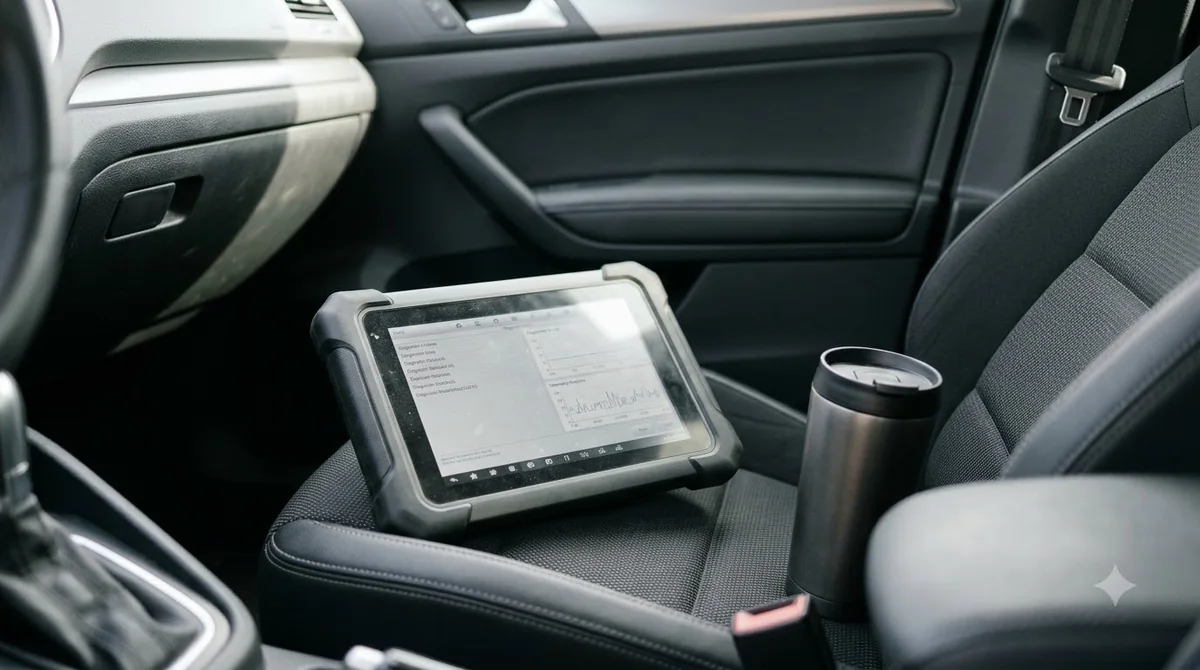
A repair shop reads the light by plugging a scan tool into the car’s OBD connector, which is usually located under the dashboard. The tool pulls the stored fault information so the technician can pinpoint the cause. To a technician, what does MIL mean? A stored fault record that can be read.

The EPA notes that trained technicians use that data to repair the vehicle based on manufacturer recommendations. This helps avoid unnecessary repairs and extra trips back to the shop. It is reasonable to ask whether the shop has trained OBD technicians before you book.
If the light goes out before you reach the shop, the EPA says usually nothing needs to be done. The OBD computer turns the light off once the problem is corrected, and that is not a sign the system is faulty.
Frequently Asked Questions
Is the MIL the same as the check engine light?
Yes, in everyday use. In short, what does MIL mean? MIL is the official name for the dashboard warning that most drivers call the check engine light. The name differs, but the light is the same OBD warning.
Can I keep driving with the MIL on?
A steady light usually means the car can be driven, but it needs service soon. A blinking light means a severe problem, so reduce driving and avoid high speeds and heavy loads such as towing. If you are unsure, have a technician check it promptly.
Will the light turn off by itself?
Often, yes. When the light goes out, what does MIL mean for the car? The OBD system confirmed that the problem has been corrected and turned the light off. The EPA says this is not a sign that the OBD system is faulty, so no special attention is needed unless the light comes back.
Does a loose gas cap always turn on the light?
No. A loose or missing gas cap is one cause the OBD system can detect, and the EPA gives it as an example. Other faults can also turn the light on, so the light alone does not identify the problem.
Why does the light flash when I turn the key?
The flash is a startup self-check. The EPA says the light should flash briefly as the OBD system gets ready to scan the vehicle, then stay off if no problems are detected.
What does MIL mean if it comes on while I am driving?
It means the OBD system has detected a fault. The light does not name the cause, so a technician connects a scan tool to read the stored fault information before repairs begin.
If the light is steady, schedule a check soon. If it blinks, cut back on driving and get the car looked at promptly. Now that you have the answer to “what does MIL mean,” keep your owner’s manual handy so you can confirm what your model’s dashboard light means.
