

Coolant temperature sensor replacement cost depends on the sensor price, the labor and how hard the sensor is to reach. One published guide lists the sensor alone at $20 to $100, but that 2023 figure names no source, so confirm it before you buy.
Sensor location decides how much labor the job needs, and a wrong diagnosis can raise the bill. Start with what the sensor does, then check the symptoms and the quote.
What the Coolant Temperature Sensor Does
The coolant temperature sensor is a thermistor that changes resistance as engine coolant warms, and the engine computer reads that change to manage the engine. According to 2CarPros’s walkthrough of the sensor, the design is an NTC type, so resistance falls as the coolant gets hotter. The computer supplies 5 volts on one wire and reads the second wire to find engine temperature.
The reading is not only for the dashboard gauge. Innova’s engine coolant temperature sensor guide lists these uses for the signal:
- base fuel control, including cold-start enrichment
- ignition spark timing
- EGR valve operation
- evaporative canister purge
- idle speed control
- torque converter lock-up
- cooling fan operation
Location varies by engine. Innova says the sensor is typically threaded into the cylinder head, with its tip touching the water jacket. 2CarPros places it at the upper coolant hose outlet, the thermostat housing, or the cylinder head near the combustion chambers. Check your service manual for the exact spot before you buy a part, because location affects the coolant temperature sensor replacement cost through labor time. A thermostat that never reaches temperature sets a related code, covered in the P0128 coolant temperature code guide, and thermostat work has its own thermostat replacement cost breakdown.
Symptoms That Point to a Bad Sensor
A failing coolant temperature sensor usually shows up as a wrong gauge reading, a warning light, or an engine that runs hot or idles badly. Innova lists these common signs:
- engine overheating
- a constantly high temperature reading that cuts performance and fuel economy
- rough or unstable idle
- poor fuel economy
- a check engine light caused by irregular or out-of-range data
2CarPros adds two more signs: a gauge that reads too cold or too hot, and a warning light that stays on all the time. Do not assume the sensor is at fault when the engine is really overheating. According to 2CarPros, air or exhaust gas in the cooling system, often from a coolant leak or a blown head gasket, can make the sensor read cold while the engine overheats. Check the coolant level and look for leaks first, and see what an overheating engine is telling you.
A cracked sensor housing is a different problem. It can let moisture into the electrical connection, and 2CarPros says the sensor should be replaced in that case, which is the job the coolant temperature sensor replacement cost covers.
Coolant Temperature Sensor Replacement Cost: What Is Confirmed
The coolant temperature sensor replacement cost for the part alone is listed at $20 to $100 in one guide dated December 22, 2023, and no labor figure in this article is confirmed as of November 6, 2026. Innova’s guide gives one general range for the part, with no split between parts and labor. It names no source for its pricing, so use it as a starting point rather than a current price.
No labor range or total coolant temperature sensor replacement cost is published in this article, because no labor figure could be confirmed from a page you can open. Estimate sites publish totals for this job, but their figures were not confirmed here, so check any number against a written quote before you rely on it.
| Cost item | What is confirmed | What to ask the shop |
|---|---|---|
| Sensor part | $20 to $100 (Innova, Dec 2023) | Is it OEM or aftermarket, and what does it cost? |
| Labor | Hours and hourly rate not confirmed | How many hours are quoted, and at what rate? |
| Diagnosis | Not confirmed | Is a code scan or resistance test billed separately? |
| Coolant | Not confirmed | Is coolant drained and refilled, and is it included? |
Ask for the coolant temperature sensor replacement cost in writing, with the part, the labor hours, the hourly rate, and any diagnostic fee on separate lines. A quote that lumps everything together makes it hard to see which item drives the total.
What Moves the Total Replacement Bill
Labor time, sensor access, part choice, and whether the shop must diagnose first decide most of the coolant temperature sensor replacement cost. Access is the largest swing factor. A sensor that sits in the open on the thermostat housing is usually quicker to change than one set deep in the cylinder head or behind a tight harness. That difference shows up in labor hours, which are billed on top of the part price.
The main cost factors in a coolant temperature sensor replacement cost are:
- labor hours tied to how hard the sensor is to reach
- the shop labor rate, which varies by region and by shop
- diagnostic time to confirm the trouble code
- coolant drain and refill
- OEM or aftermarket part choice
Innova’s $20 to $100 range does not compare OEM and aftermarket parts, so ask which one is on the quote.
This section does not apply when the trouble code points to wiring or a connector. A harness repair or a faulty gauge can change the bill, and the sensor may not be the part that failed.
DIY Replacement or a Shop: Which Makes Sense
A DIY swap suits someone who can reach the sensor and drain coolant safely, while a shop fits a hard-to-reach sensor or an unclear fault. Choose DIY to hold down the coolant temperature sensor replacement cost only when these points are true:
- the sensor is easy to reach without removing major parts
- you can catch and dispose of the coolant without spilling it
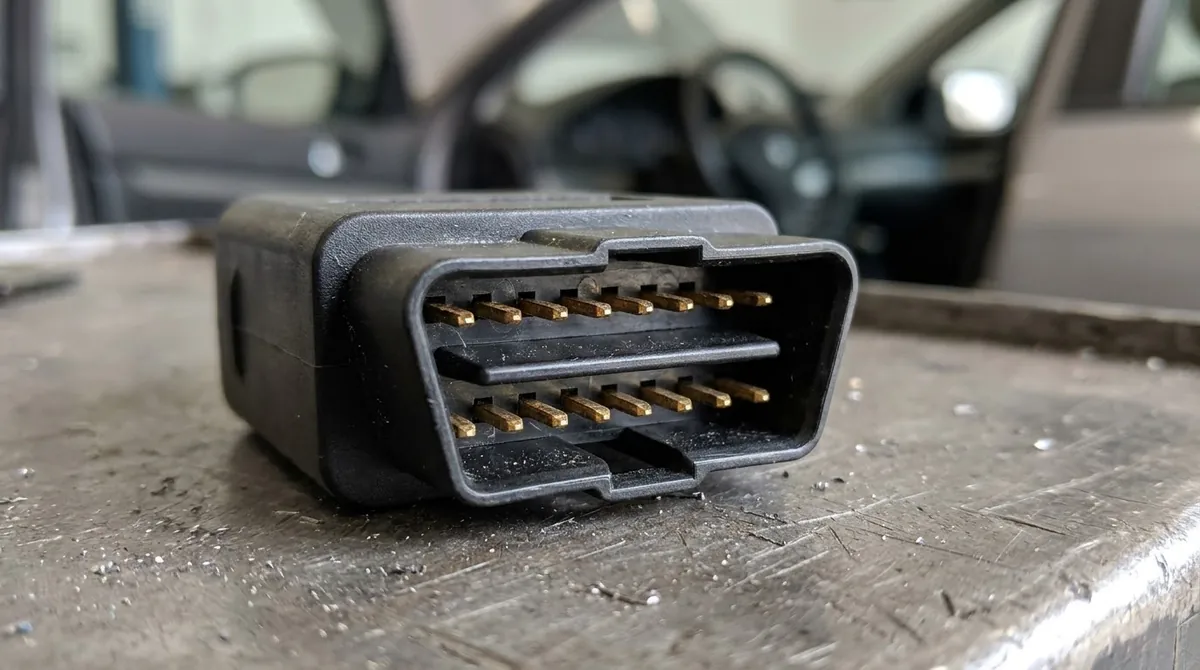
- you have a scan tool to confirm the code before you buy
- you have the service manual for torque and fitting details
Choose a shop when the sensor is hard to reach, the cooling system is unfamiliar, or the code does not clearly point to the sensor, since a failed DIY attempt adds to the coolant temperature sensor replacement cost. A shop can also check for air or leaks that might explain the reading, for example with a coolant pressure tester.
Innova’s guidance on reinstalling the sensor applies either way. Apply thread sealant, and do not overtighten the sensor. Innova warns against overtightening, so check the manual for the torque value rather than guessing.
Confirm the Sensor Before You Approve the Repair
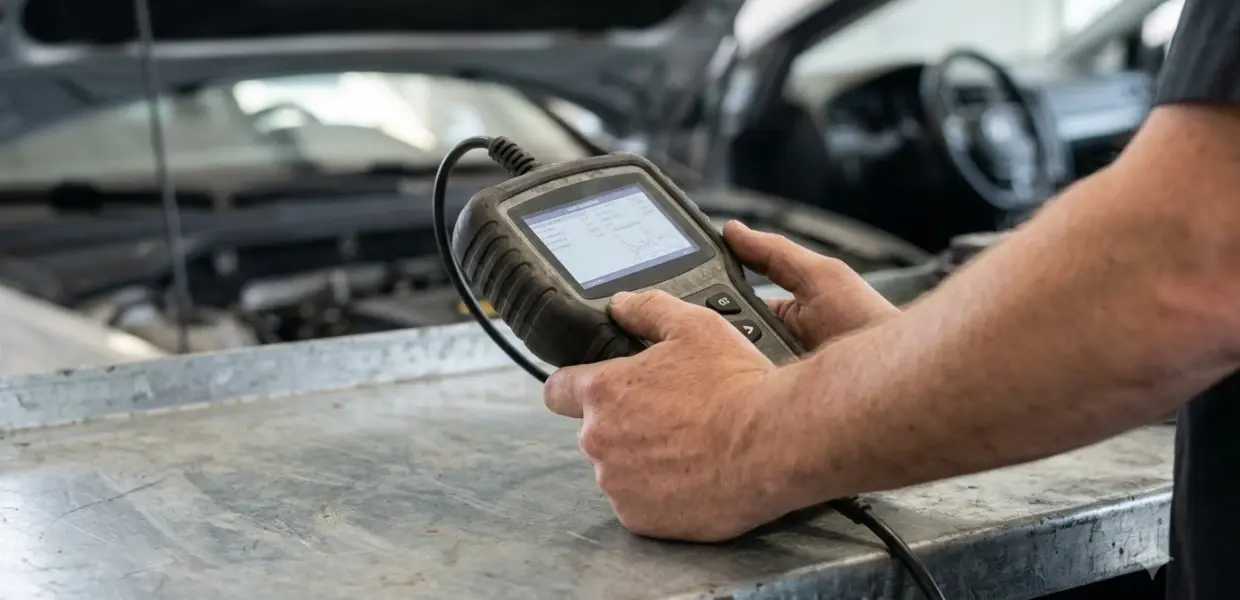
Confirm a faulty coolant temperature sensor with a code scan and a resistance check before you pay for a part. Innova describes a resistance test for this sensor with clear precautions: drain enough coolant first, avoid high-heat sources such as a propane torch, and compare the readings with the service manual. The full procedure is in Innova’s engine coolant temperature sensor guide.
A sound check follows this order:
- Scan for codes and note any coolant temperature trouble code.
- Check the coolant level and look for leaks or air in the system.
- Drain enough coolant to reach the sensor, then run the resistance test against the service manual values.
- Reinstall with thread sealant and tighten to the manual torque value without overtightening.
A code does not prove the sensor failed, so the coolant temperature sensor replacement cost only makes sense after a test. Wiring and connectors fail too, so a test that reads normal rules out the part before you spend money on it. A digital multimeter on your car handles the resistance check.
Frequently Asked Questions
How much does a coolant temperature sensor replacement cost?
The part alone is listed at $20 to $100 in one 2023 guide from Innova. Labor and diagnosis are not confirmed in this article, so ask a shop for a written quote that separates parts, labor hours, and any diagnostic fee before you approve the work.
Can a bad coolant temperature sensor cause overheating?
Yes, overheating is one of the listed symptoms. Innova lists it, and 2CarPros notes that air or exhaust gas in the cooling system can make the sensor read cold while the engine overheats. Stop driving if the temperature gauge climbs into the hot zone.
Do I need to drain coolant to replace the sensor?
Innova’s resistance test procedure says to drain enough coolant before you work on the sensor. Whether a replacement needs the same step depends on the engine and the sensor position, so check the service manual for your vehicle before you start. Ask a shop whether drained coolant is part of its coolant temperature sensor replacement cost quote.
Can I replace the coolant temperature sensor myself?
It can be a DIY job, which keeps the coolant temperature sensor replacement cost down, when the sensor is easy to reach and the coolant can be handled safely. Use thread sealant, do not overtighten, and confirm the code first. If the sensor sits deep in the engine or the cooling system is unfamiliar, a shop is the safer choice.
Why does a trouble code not always mean the sensor failed?
A coolant temperature trouble code shows that the reading is out of range. Wiring, connectors, low coolant, and air in the cooling system can all produce the same reading, so test the circuit and check the coolant before you buy a new sensor.
Should I buy an OEM or aftermarket sensor?
The choice affects the coolant temperature sensor replacement cost and fit, so the quote should name the part. The Innova price range covers the part only and does not compare brands. Ask the shop which part it installs and whether the warranty covers it.
Get a written coolant temperature sensor replacement cost quote with labor hours, and confirm the code and the sensor first. A clear quote protects you from paying for a part that was never the fault.
