


P2270 is a generic OBD-II code that means the downstream oxygen sensor on Bank 1, Sensor 2 reads a lean signal that stays stuck. Your engine computer sets it when that sensor does not switch between rich and lean as expected.
This code rarely changes how the car drives, but it usually fails an emissions test, so plan a repair soon. Start with the wiring and exhaust before you buy a new sensor.
What P2270 Measures on Your Car
P2270 refers to the downstream oxygen sensor on Bank 1, Sensor 2, which sits after the catalytic converter in the exhaust. The code reports a signal stuck in a lean condition.
Mechanicbase describes P2270 as a generic OBD-II code, so the basic definition is shared across many makes and models. Manufacturers do not always use the same wording, though. A 2011 Saab 9-4X service procedure, for example, names the same fault HO2S Signal Stuck Lean Bank 1 Sensor 2, where HO2S stands for heated oxygen sensor.
Think of the sensor as a reporter. Its voltage should move up and down during normal operation. With P2270, the reading stays stuck instead. Related codes follow the same pattern: P2272 covers the matching sensor on Bank 2, and P2274 covers a third downstream sensor on vehicles that have one.
What the Check Engine Light Is Telling You
A steady check engine light means the car detected a fault and stored a trouble code, such as P2270, for a technician or scanner to read.
The EPA on-board diagnostics fact sheet explains that the system monitors emission-related parts, including oxygen sensors, and stores a Diagnostic Trouble Code when it finds a malfunction.
According to the same EPA document, a steady light is meant to show that service is needed, not that the vehicle must stop right away. A flashing light is different. It points to a severe engine misfire, so the driver should reduce speed and seek service as soon as possible.
If the system tests the component three consecutive times and no longer detects the fault, the dashboard light turns off automatically. A light that goes dark does not prove the sensor is fine, so watch for the code if it returns.
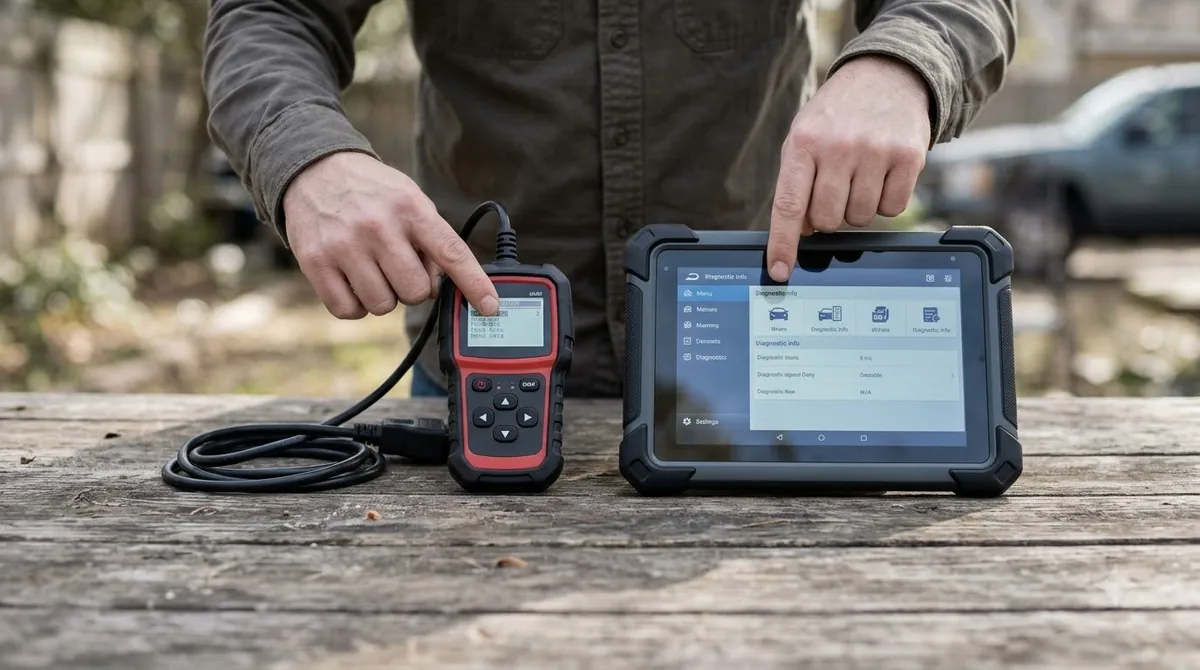
Common Causes Behind the P2270 Code
A faulty sensor is the more likely cause of this code according to KBB, but mechanicbase also lists exhaust leaks, damaged wiring or connectors, and a malfunctioning PCM.
KBB adds a useful caveat: if the sensor reads accurately, the real cause is whatever is making the engine read lean. That makes the checks more important than a quick part swap.
| Possible cause | What to check first | How often it is cited |
|---|---|---|
| Defective downstream sensor | Connector pins, wiring and live sensor voltage | More common, per KBB |
| Exhaust leak | Exhaust joints and any voltage change when the engine is revved | Listed by mechanicbase |
| Damaged wiring or connector | Chafing, corrosion or damage at the sensor harness | Listed by mechanicbase |
| Malfunctioning PCM | Only after the other causes are ruled out | Rare, per mechanicbase |
Work through the table from the top down, because the cheap checks come first and the expensive parts come last. Our guide to testing an O2 sensor shows how to read the sensor voltage at each step. Chafing, corrosion and damage are the three signs to look for in the harness, as the mechanicbase inspection step lists them. Any of them can produce a false lean reading even when the sensor itself is sound.
How Serious P2270 Is and What You Will Notice
P2270 usually causes no symptoms beyond the check engine light, and KBB says it rarely affects drivability, though it usually fails an emissions test.
KBB describes these codes as typically not very serious for driving safety, but it recommends fixing them as soon as possible. Mechanicbase gives the same general picture: little beyond the light and a failed emissions test.
Because the car usually drives normally, it is easy to put the repair off. An emissions test failure can still make the repair necessary, which is why the sources recommend fixing the cause soon rather than clearing the light and waiting. Those points describe the code in general. A specific vehicle service procedure may set it under different conditions, so the factory service information for your model is the final word.
Because most drivers feel nothing, the scan tool reading and the light are the main evidence you have. Write down the code and its freeze-frame data before you clear anything, since that data helps a technician trace the fault.
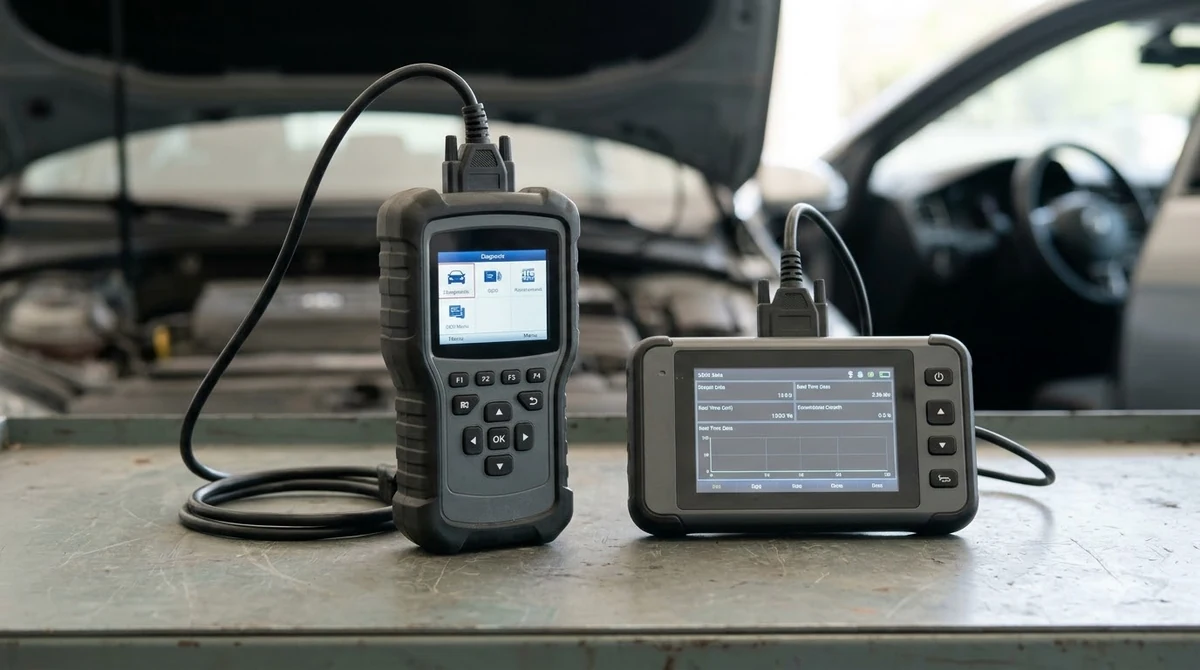
How to Diagnose P2270 Step by Step
To diagnose P2270, read the code and freeze-frame data, inspect the wiring and exhaust, then check the sensor voltage before replacing any part.
- Read the codes and review the freeze-frame data.
- Inspect the oxygen sensor connector and wiring for chafing, corrosion or damage.
- Check the exhaust system for leaks.
- With an advanced scan tool, watch the sensor voltage at normal operating temperature in closed loop.
- If the voltage changes when the engine is revved, look for an exhaust leak.
- If no leak or electrical fault turns up, replace the sensor with an OEM part, or clean and retest it if it is contaminated.
According to mechanicbase, a healthy downstream sensor fluctuates between 0 and 1 volt, while this code usually shows the voltage stuck at 0 volts. That flat reading is the clue to look for on the scan tool.
A vehicle-specific example from Saab
On a 2011 Saab 9-4X with the V6 engine, the service procedure sets P2270 only if the sensor does not rise above 800 mV before accumulated mass airflow passes 62 grams. The test also needs conditions such as the sensor being on for more than 180 seconds. Those thresholds belong to that vehicle, so compare them only against your own factory data.
Fixing P2270 and Confirming the Repair
The right fix depends on what the checks find: repair a leak or damaged wiring, replace the sensor if those are clean, and treat a PCM fault as rare.
Mechanicbase advises replacing the sensor with an OEM part when no leak or electrical fault is found. If the sensor is only contaminated, cleaning it and retesting may be enough.
The Saab procedure asks you to review a sensor resistance learn reset caution before replacement, and to run a Diagnostic Repair Verification afterward.
- Repair an exhaust leak before you replace anything on the sensor side.
- Fix chafed or corroded wiring at the sensor connector.
- Replace the sensor only after the wiring and exhaust are clean.
- Consider a PCM update or replacement last, because mechanicbase rates it as rare.
After any repair, drive the car through a normal cycle and check that the code does not return. If the upstream sensor on the same bank reads stuck lean instead, that points to a different code, P2195. A clean scan after a normal drive is the practical check that the fault is gone. Keep the freeze-frame notes from before the repair, so you can compare conditions if the light returns.
If you cannot read live sensor voltage or the steps feel unclear, a shop with an advanced scan tool can run the same checks, and the oxygen sensor replacement cost guide explains what changes the bill. Ask for the freeze-frame data and the voltage readings, so you can compare the result with the steps above.
Frequently Asked Questions
Can I keep driving with a P2270 code?
In most cases, yes. KBB says this code rarely affects drivability, but it usually causes an emissions test failure, so schedule a repair soon. If the check engine light starts flashing, the EPA advises reducing speed and seeking service as soon as possible.
Does P2270 always mean the oxygen sensor is bad?
No. KBB says a sensor fault is the more common cause, and that can include its wiring. Mechanicbase also lists exhaust leaks, damaged connectors and a malfunctioning PCM, so check those before buying a new sensor.
What does Bank 1 Sensor 2 mean?
Bank 1 Sensor 2 is the downstream oxygen sensor on bank 1, located after the catalytic converter, according to mechanicbase. Vehicles with a third downstream sensor use a different code, P2274. A heater circuit fault on the same sensor sets a different code, such as P0141.
How is P2270 different from P2272?
P2270 covers bank 1 and P2272 covers bank 2, both at sensor 2. The Saab 9-4X procedure lists P2270 as HO2S Signal Stuck Lean Bank 1 Sensor 2 and P2272 as HO2S Signal Stuck Lean Bank 2 Sensor 2.
Do I need an advanced scan tool for P2270?
A basic reader can show the code, but mechanicbase diagnostic steps call for an advanced scan tool to watch sensor voltage at operating temperature in closed loop. Check that the scanner shows live data before you buy it.
Start with the cheapest checks: the sensor connector, the wiring and any exhaust leak. Replace the downstream sensor only after those come back clean, because a new sensor will not fix a leak or a damaged harness. Then drive the car through a normal cycle and confirm the code stays away.
