
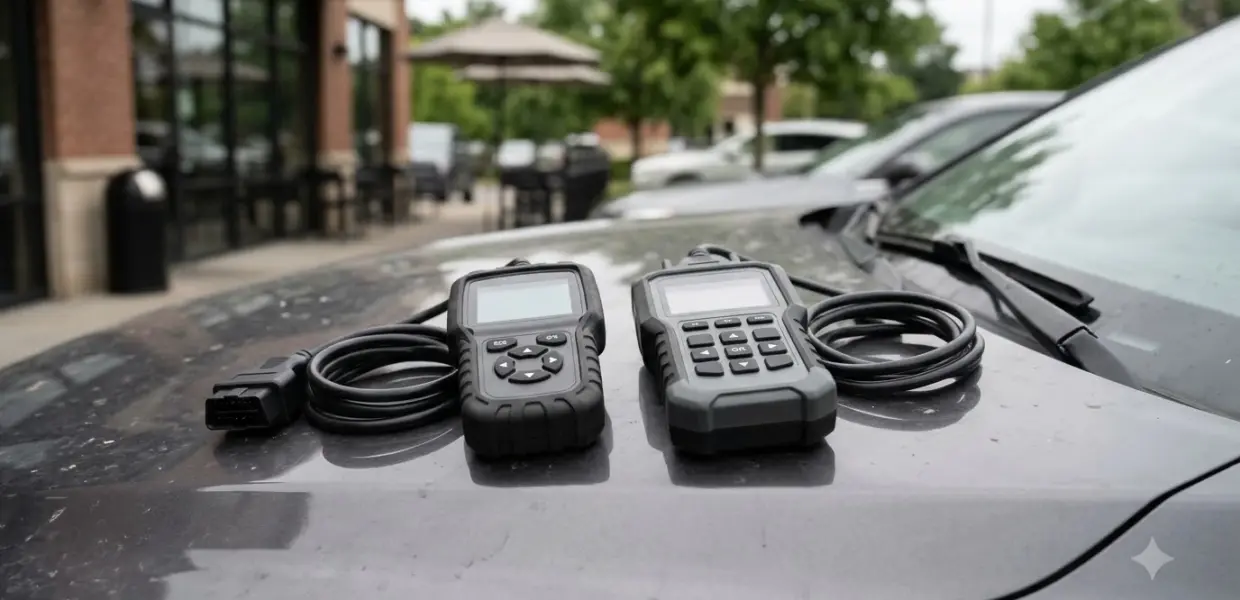

P0193 is the generic OBD-II code for a fuel rail pressure sensor circuit reading too high. The engine computer sees a signal above its expected range, and the cause can be a faulty sensor, damaged wiring or fuel pressure that really is too high.
Check the sensor connector and wiring before you replace the sensor, because the code alone does not say which part failed. Acting early matters, since a stored fault can reduce engine power.
Fuel system work carries fire and injury risk. Relieve the fuel pressure and follow your vehicle’s service manual before you disconnect any fuel line.
What P0193 Means in Plain Terms
P0193 means the engine computer received a fuel rail pressure sensor signal above its expected range for longer than a set time.
The letter at the start of a code identifies the system. P stands for powertrain, which covers the engine, transmission and drivetrain accessories. According to the Haynes trouble code guide, the digit after the letter shows whether the code is standardized, with 0 for SAE standard codes and 1 for manufacturer-specific codes.
The fault name tells you the direction of the problem. The signal sits above its range. P0192 is the low-voltage code for the same sensor circuit, while the P0087 low fuel rail pressure code covers pressure that is too low. A gauge that reads wrong is a different fault, and the P0463 code guide explains a fuel level sensor reading too high.
Timing is part of the definition. On a 2011 Saab 9-5 with a 2.0 L petrol engine, the computer stores P0193 when the signal stays high for longer than six seconds, so a brief spike does not set the code. Other makes use their own limits, so check your service information.
The cause may be real high fuel pressure or a fault in the sensor signal. That split drives the whole diagnosis, because a faulty signal and a real over-pressure condition need different repairs.
Symptoms You Are Likely to Notice
The check engine light is usually the only sign of P0193, although some drivers also notice weaker performance, hard starting and black smoke.
- Check engine light, which is usually the only symptom
- Lack of power, especially under load
- Hard starting
- Black smoke from the exhaust, which points to a rich fuel mixture (see black smoke from the exhaust)
- General performance problems such as hesitation
Some engines also show a warning message. In the 2011 Saab 9-5 procedure, the message center or an indicator may display Reduced Engine Power when a Type A code such as P0193 sets. Treat that message as a reason to stop and check the car, not as a minor alert. The reduced engine power guide explains what the message means.
Common Causes, from the Sensor to the Computer
The usual causes of P0193 are a faulty fuel rail pressure sensor, its wiring or connector, a faulty fuel pressure regulator, leaking vacuum hoses to that regulator, or a faulty engine control unit.
- Faulty fuel rail pressure sensor
- Damaged sensor wiring
- Dirty, corroded or loose sensor connector
- Faulty fuel pressure regulator
- Leaking vacuum hoses to the regulator
- Faulty engine control unit (ECU)
The regulator causes are the ones where the sensor may be working correctly. A regulator that does not respond as it should, or a vacuum leak that changes its behavior, can let rail pressure climb. In that case the sensor is reporting a real problem, and replacing it alone will not fix the car. Checking actual rail pressure is covered in the guide to using a fuel pressure tester.
Where the Fuel Rail Sensor Sits and How to Reach It
The fuel rail pressure sensor usually threads into one end of the fuel rail on the intake side, and it is typically the only electrical part on the rail.
The layout changes from engine to engine, so take the exact position and access route from the service manual for your vehicle.
Start with the connector. With the ignition off, unplug it and look at both halves for green or white crust, bent pins, a cracked housing and melted plastic. A clean connector with a secure clip rules out a common cause before you test anything else.
If you see corrosion, clean the contacts with electrical contact cleaner, then reseat the connector until it clicks. Do not bend the pins to improve contact, since bent pins create intermittent faults that are hard to trace.
How to Diagnose P0193 Step by Step
Diagnose P0193 by checking related codes, reading live fuel pressure data, inspecting the connector and testing the circuit before you replace the sensor.
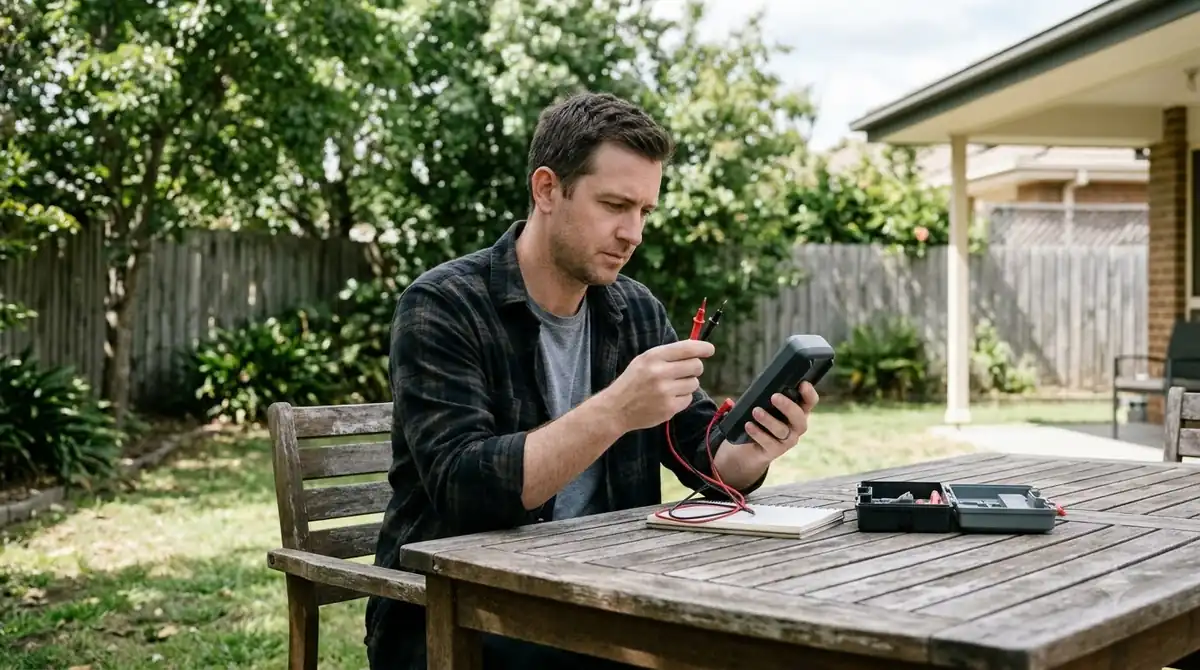
- Connect an OBD-II scan tool and check for related codes, such as P0192 for the low-voltage side of the same circuit.
- Watch the fuel pressure signal in live data at idle, then while you raise engine speed. If it does not change, suspect the sensor circuit. If it rises too high for the engine speed, suspect the regulator or its vacuum hoses.
- Turn the ignition off, unplug the sensor connector and check it for corrosion.
- Inspect the wiring between the sensor and the computer for chafing, heat damage and loose terminals.
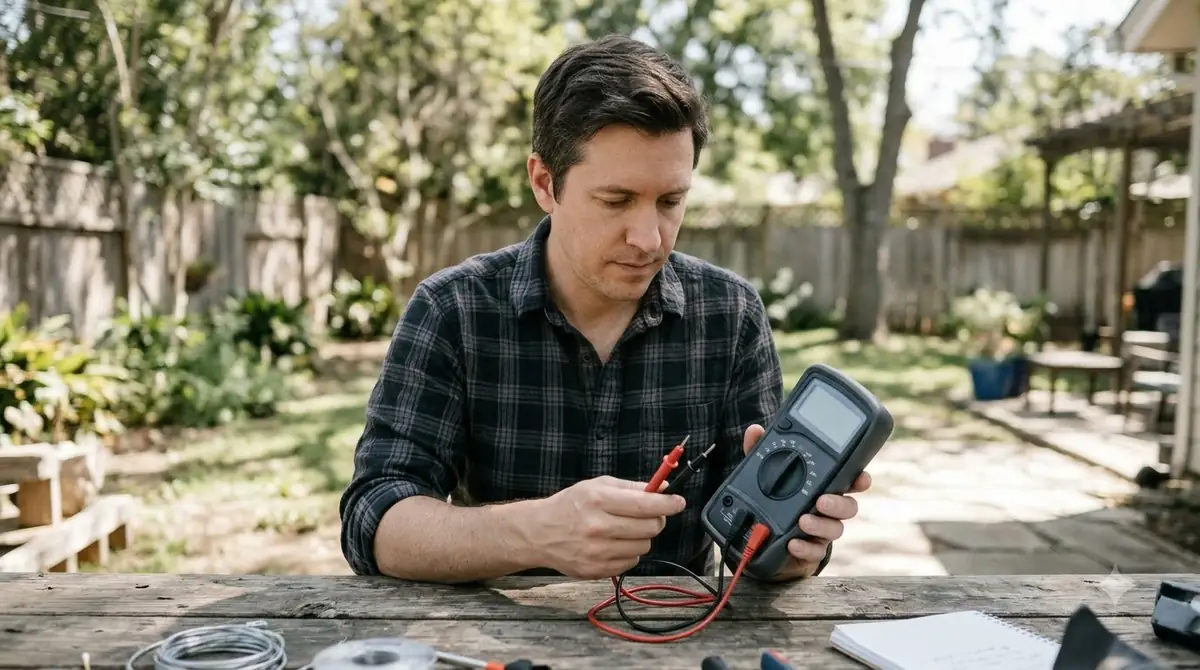
- Measure the sensor with a digital multimeter on your car against the specifications in the repair manual. Replace it only if it fails those specifications.
- If the sensor reads correctly but the readings at the computer connector look wrong, repair the wiring instead of replacing parts.
The order matters. Saab’s procedure follows the same logic: it tests the wiring on both sides of the sensor and replaces the sensor only when every sensor-side circuit tests normal.
Electrical Checks from a Saab Service Procedure
A 2011 Saab 9-5 service procedure for P0192 and P0193 checks the sensor circuit against fixed values, including 4.8 to 5.2 V on the 5 V reference and less than 5 ohms on the low reference wire.
| Test | Specification | If the reading is out of range |
|---|---|---|
| Low reference to ground, ignition off, sensor disconnected | Less than 5 ohms | Test the low reference circuit for an open or high resistance |
| 5 V reference to ground, ignition on | 4.8 to 5.2 V | Low: check for a short to ground or high resistance. High: check for a short to voltage |
| Scan tool sensor voltage, ignition on, sensor connected | Less than 0.02 V | Above that value: test the signal circuit for a short to voltage |
| Scan tool voltage with a 3 A fused jumper between signal and 5 V reference | Greater than 4.96 V | Below that value: test the signal circuit for an open, high resistance or short to ground |
The Saab procedure specifies a 3 A fused jumper for the last test.
The sensor side is harder to reach on this engine. The procedure has you remove the intake manifold before you disconnect the sensor, so budget extra time. On the computer side, the procedure says to replace the engine control module only if the wiring tests normal, so the wiring checks always come first.
These values come from one vehicle and engine, as listed in the Saab WIS service information. A different car may use different voltages and resistances, so use the specifications for your exact vehicle before you make a decision.
What Repairs Can Cost
A repair guide dated March 2023 lists sensor replacement at $40 to $100 and regulator replacement at $50 to $150, excluding diagnosis.
- Fuel rail pressure sensor replacement: $40 to $100
- Sensor wiring repair: $20 to $70
- Fuel pressure regulator replacement: $50 to $150
- Regulator vacuum hose replacement: $10 to $30
These figures come from a single guide that does not name a vehicle or state a year for the prices. They have not been checked against current parts and labor rates, so treat them as a rough starting range and ask a shop for a written quote.
Wiring repairs cost less than a sensor on this list, but finding a wiring fault takes more time. A shop may bill diagnosis separately, which the ranges above leave out.
Can You Keep Driving with P0193?
Repair guides rate P0193 as a medium-severity fault and say towing is most likely not needed, but the car should go to a workshop as soon as possible.
The same guide warns of possible long-term engine damage if the fault is left alone, so plan the visit soon rather than waiting for the next service.
If the engine stalls, runs very rough or loses power on the road, stop driving and arrange a tow rather than testing the limit.
Frequently Asked Questions
Does clearing P0193 with a scan tool fix it?
No. Clearing the code removes the stored fault but leaves the cause in place. The computer sets P0193 again when the signal stays out of range, so fix the sensor, wiring or regulator first, then clear the code and confirm that it stays off.
Is P0193 the same as P0192?
No. P0192 means the sensor signal is low, while P0193 means it is high. Both codes refer to the same fuel rail pressure sensor circuit, and Saab’s service procedure covers both codes together, so the same wiring checks apply to each.
Do I always need a new fuel rail pressure sensor?
No. Saab’s procedure replaces the sensor only after the wiring tests normal on both sides of the circuit. A regulator problem, a leaking vacuum hose or a damaged connector can set the same code without a bad sensor.
What tools do I need to check P0193?
A scan tool with live data, a digital multimeter, hand tools, the repair manual, electrical contact cleaner and a fuel pressure gauge. The Saab test also needs a 3 A fused jumper wire.
Does P0193 mean the fuel pump is failing?
Not by itself. P0193 describes the sensor signal, which can read high even when pressure is normal. Check the sensor circuit, the regulator and its vacuum hoses before you consider replacing other fuel system parts.
Is it safe to work on this myself?
Fuel system work carries fire risk, so relieve the fuel pressure and follow the service manual before you disconnect any fuel line. If you are not comfortable with fuel system safety, have a workshop perform the pressure checks.
Treat P0193 as a real fault even if the car drives normally. Check the connector and wiring first, record the live readings before and after each repair, and only then decide whether the sensor, regulator or ECU needs replacing.
