
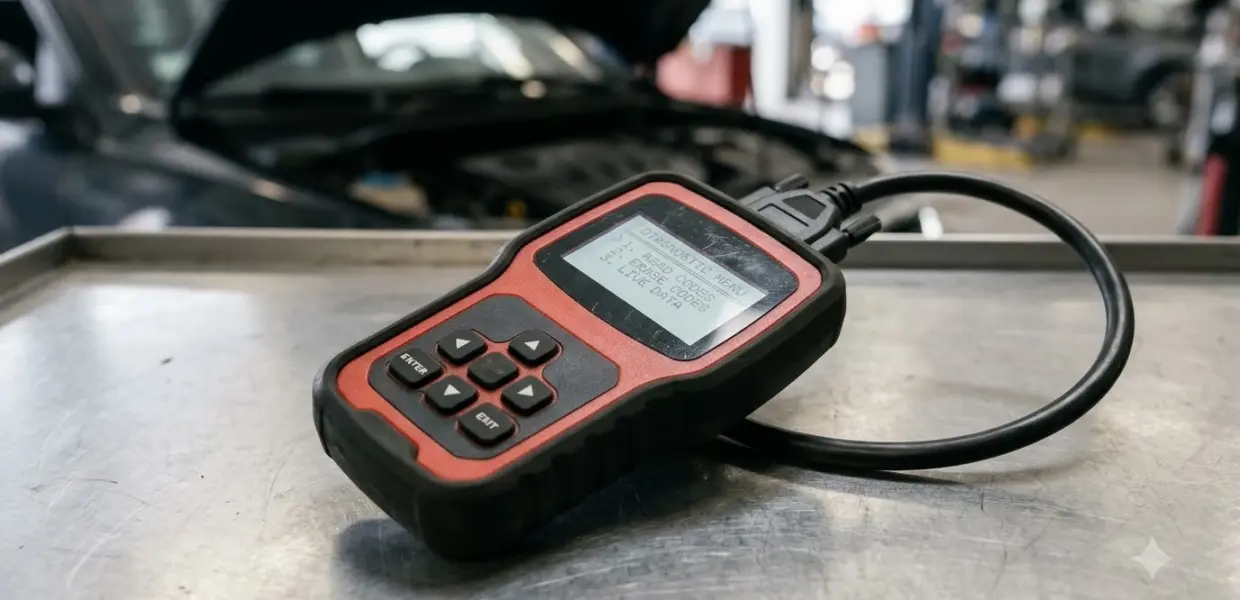

P0155 is the OBD-II code for an oxygen sensor heater circuit malfunction on Bank 2 Sensor 1. The fault sits in the small heater inside the upstream oxygen sensor, so the engine computer cannot read the exhaust accurately until the sensor warms up.
The P0155 code usually points to the sensor heater, its wiring, or a related sensor, not to an engine misfire. Check the electrical items first, because a new sensor is only the right fix when the heater itself has failed.
What the P0155 Code Means
P0155 means the Powertrain Control Module (PCM) detected a short or too much resistance in the heater circuit of the upstream oxygen sensor on Bank 2 Sensor 1. The PCM runs this test on the sensor heater, not on the exhaust gas itself.
Because P0155 is a generic code, the meaning stays the same across makes and models. The wiring route, the connector shape, and the heater fuse label change by vehicle, so treat the code as a starting point for diagnosis rather than a part number.
According to Kelley Blue Book’s code guide, the PCM tests the upstream heated oxygen sensor and flags the code when the heater circuit shows a short or too much resistance. The heater warms the sensor so it can give readings sooner after a cold start. Upstream means the sensor sits before the catalytic converter.
Bank numbering depends on the engine layout. Check your vehicle’s service information to confirm which bank is Bank 2 on your engine before you test or replace anything. The matching heater circuit codes on Bank 1 are P0135 for the upstream sensor and P0141 for the downstream sensor, so read every stored code before you start.
Common Causes Behind the Code
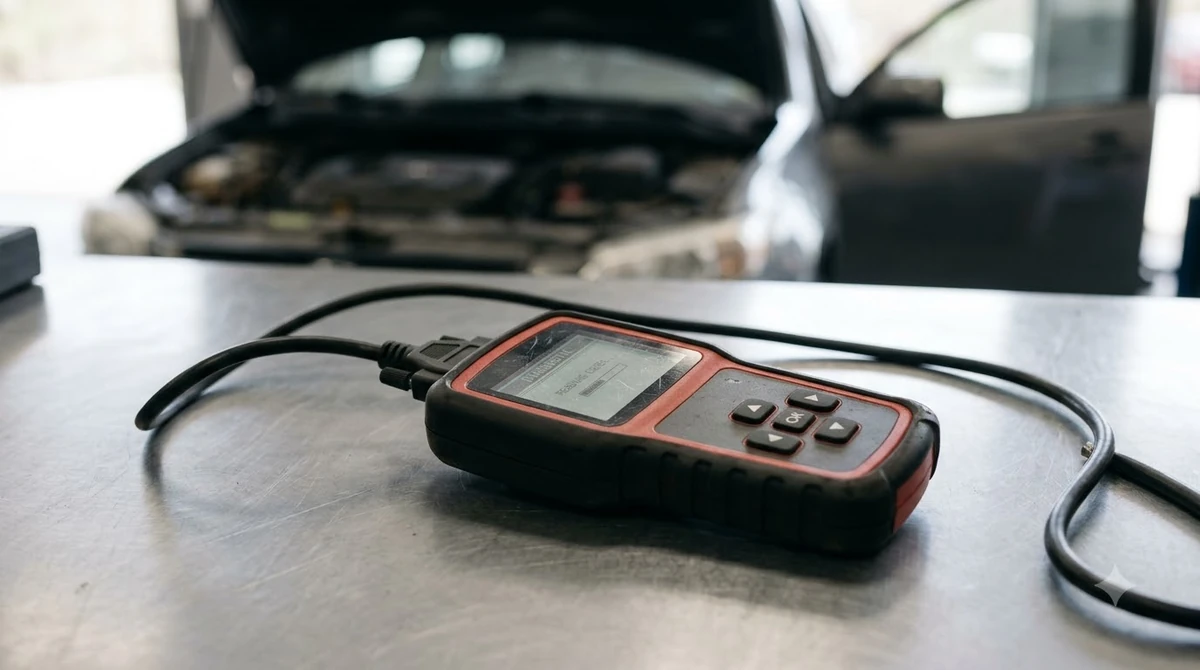
The usual causes are a failed upstream oxygen sensor, damaged heater wiring, a faulty engine coolant temperature sensor, or a faulty PCM. Kelley Blue Book lists these four causes for this code, and the sensor and wiring are the two you will check most often.
- A faulty upstream oxygen sensor, often because the heater element has failed inside it
- Poor or damaged wiring or harness, including open circuits and shorts to ground
- Corroded or loose connector pins at the sensor plug
- A faulty engine coolant temperature (ECT) sensor, which is cheap to check next to the oxygen sensor and has its own coolant temperature sensor replacement cost
- A faulty PCM, which should be checked last after the cheaper causes are ruled out
The harness is easy to overlook, because the damage is often hidden behind the engine or under the vehicle. A P0155 that comes back after a sensor swap is a common sign that the wiring was never tested.
A new sensor cures a dead heater but does nothing for a broken wire. That is why the diagnosis order matters more than the part you think is failing.
Symptoms and How Serious the Fault Is
A P0155 usually keeps the Check Engine Light on, and it can come with rough idle, rich running, or lower fuel economy. Watch for these signs when you drive the car after the code appears. Because the heater only affects how quickly the sensor warms up, the signs are often mild and easy to overlook, which is why a failed emissions test is sometimes the first clue.
- The Check Engine Light stays on
- Rough idle
- Possible rich running and reduced fuel economy
- A failed emissions test
Kelley Blue Book calls P0155 a moderate to severe OBD code, but it also says the code by itself does not present an immediate problem. Schedule the repair soon, and stop driving if the car runs roughly, loses power, or shows other warning lights.
How to Diagnose the Fault
Start with the heater fuse and the wiring, then test the sensor for this P0155 fault. Kelley Blue Book calls the diagnosis relatively straightforward, and our guide on how to test an O2 sensor covers the voltage checks. These checks cost far less than a sensor you may not need, and they show whether the fault is in the sensor or in the circuit around it.
- Connect a scanner and record the code, the freeze frame data, and whether the code is current or stored. Clearing the code first erases that data.
- Find the oxygen sensor heater fuse in the under-hood fuse box using the diagram on the cover. A fuse that blows again right away points to a short.
- Inspect the sensor harness and connector for melted insulation, chafing, loose pins, and green corrosion. Wiggle the harness while watching the scanner data.
- Test the heater circuit with a multimeter against the resistance and voltage values in your vehicle’s service information. Do not rely on a generic number.
- If the heater test fails and the wiring is sound, replace the upstream oxygen sensor.
- Check the ECT sensor and the PCM last, only after the sensor and wiring checks pass.
Write down each reading, including voltage, resistance, and the condition of the connector, so you can compare results after a repair. Take the notes with the engine cold and again after it warms up, because a heater fault can look different at each stage. Use this table to match what you find with the next step.
| Check | Problem you may find | Next step |
|---|---|---|
| Heater fuse | Blown fuse | Replace it once; if it blows again, find the short |
| Harness and connector | Melted, chafed, or corroded wiring | Repair the wire or connector |
| Sensor heater | Open or out-of-spec resistance against service data | Replace the upstream oxygen sensor |
How to Fix P0155
Fix the cause you find. Repair the wiring or connector when the heater is good but the circuit is open, shorted, or corroded. Replace the upstream sensor when its heater has failed, and treat the PCM as the last step.
A connector repair is cheaper than a new sensor, but only when the damage stays in the plug or the wire. When you buy a sensor, match the part to your engine and bank, and tighten it to the torque value in the service information.
This guide does not list repair prices, because no current figure could be confirmed from an official source. Ask two shops for a written estimate that names the part and the diagnostic time, so you can compare them directly. The oxygen sensor replacement cost guide explains what moves the price.
After the repair, clear the code and drive the car through a normal cycle. If P0155 returns, the fault is still present, so go back to the diagnosis steps instead of replacing another part.
Many repeat cases start with a new sensor installed on a damaged harness. If the wire that feeds the new heater is shorted, the replacement sensor will set the same code again, so repair the harness before you fit the part.
Mistakes to Avoid When Fixing It
The most costly mistake is replacing the sensor before testing the fuse and wiring, because the fault may sit in the harness. Avoid these common P0155 errors as well.
- Replacing the sensor without testing the heater circuit
- Clearing the code without fixing the cause, which erases the freeze frame data a technician needs
- Installing a sensor for the wrong bank or position, so the code keeps pointing at the wrong place
- Unplugging the sensor connector while the engine is running
Frequently Asked Questions
Can I drive with this code?
Usually yes for a short time, because Kelley Blue Book says the code by itself does not present an immediate problem. Stop driving and get the car checked if it runs roughly, loses power, or shows other warning lights.
Is Sensor 1 the sensor before the catalytic converter?
Yes, Sensor 1 is the upstream sensor, located before the catalytic converter. Bank numbering depends on the engine layout, so confirm which bank is Bank 2 in your service information.
Will clearing the code fix P0155?
No. Clearing the code only turns off the light. If the heater circuit is still faulty, the PCM runs the test again and the code returns. Fix the cause first, then clear the code.
Does P0155 always need a new sensor?
No. Wiring damage, connector corrosion, a blown heater fuse, or a faulty ECT sensor or PCM can also set the code. A new sensor is needed only when the heater test fails with good wiring.
When should I see a technician?
Get help if you do not have a multimeter or the service information, if the wiring is hard to reach, or if the PCM may be at fault. Kelley Blue Book recommends a qualified technician for this code.
What should I tell the shop about P0155?
Give the exact code, when the Check Engine Light came on, and what you already checked. Say whether you cleared the code. That lets the technician start at the heater circuit instead of repeating basic steps.
Work through the P0155 diagnosis order before you buy parts. A written estimate that names each test is the easiest way to compare shops and avoid paying for a sensor you may not need.
