
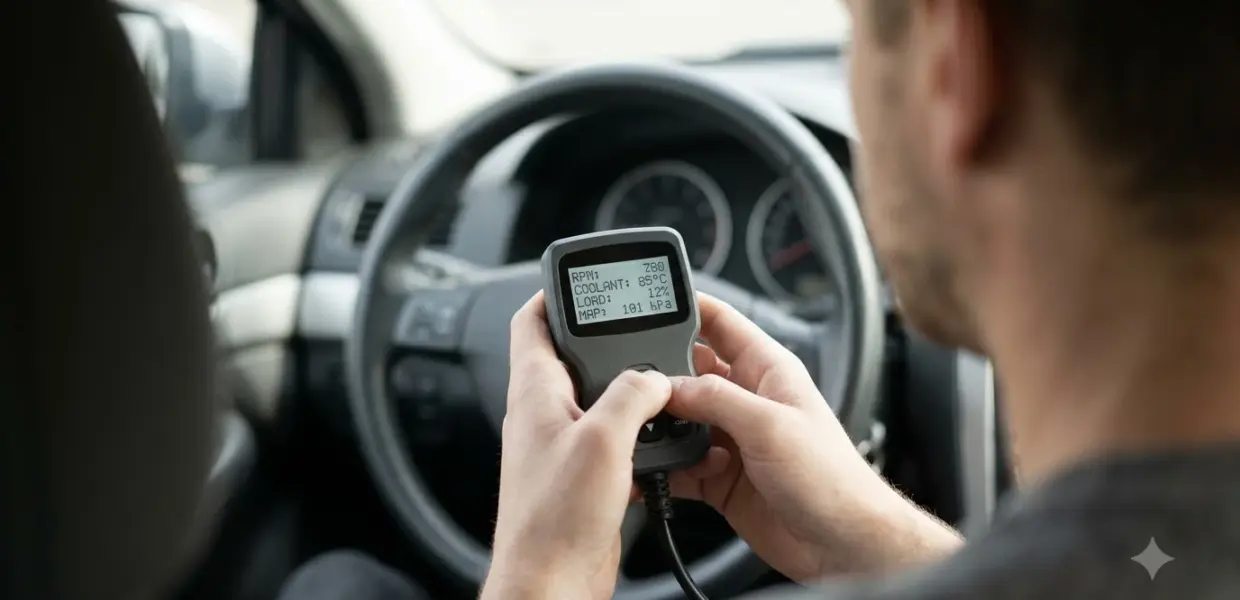

Check engine light loose gas cap problems are common, and the fix often takes less than a minute. The gas cap seals part of your fuel vapor system, so a cap that is loose, cracked or missing can switch on the warning. Here is how to check the cap, why the light appears, and what to do if it stays on.
The cap is only one possible cause. Some vehicles set the same emissions codes because of a faulty sensor or a leak in another part of the system, so a light that stays on needs a proper check.
This article gives general information, not a diagnosis of your vehicle. Fuel system work can involve fuel and fumes, so leave any repair beyond a cap check to a qualified technician.
What the Gas Cap Does in Your Car
The gas cap is part of the evaporative emissions (EVAP) system, which keeps fuel vapor from escaping into the air. Christian Brothers Automotive, an auto repair business, explains that the cap plays an important role in this system because it reduces harmful fuel vapors released into the air. Your fuel tank and the vapor canister sit inside that sealed loop.
A loose, damaged or missing cap can let fumes escape and trigger the check engine light loose gas cap warning you see on the dashboard. The system is designed to stay sealed, so an opening at the cap counts as a leak, even if the gap looks small to you.
Honda’s service procedure for leak codes starts by reading the fuel tank pressure sensor. If the system sits at atmospheric pressure, the technician concludes there is a leak and then checks the fuel cap, the fill neck and the sealing surfaces. That order explains why a check engine light loose gas cap case starts with the cap.
Check Engine Light Loose Gas Cap: Why the Warning Appears
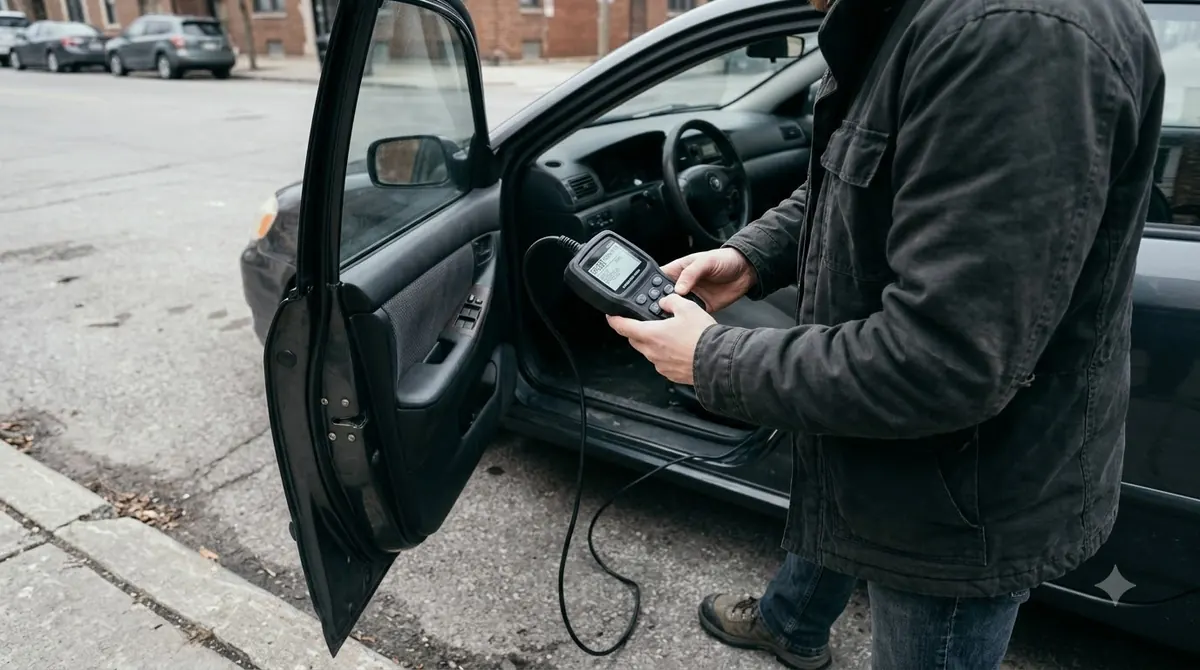
A check engine light loose gas cap case usually sets an evaporative emissions leak code, such as P0455 or P0442, which turns on the check engine light. Christian Brothers Automotive names both codes among those tied to a loose or damaged cap, and the small leak code P0442 guide covers that leak in more detail. The exact code text can differ by make and model, so a scan tool reading gives the most precise answer for your car.
- P0456: the “very small leak” EVAP code, described in a 2020 bulletin for certain 2016 to 2019 Sonata Hybrid cars (see the very small EVAP leak code guide).
- P1456 and P1457: Honda’s fuel tank and canister leak codes, covered in a 2013 troubleshooting bulletin.
- P0455 and P0442: the codes Christian Brothers Automotive links to a loose or damaged cap.
The Hyundai bulletin is a useful reminder that a leak code does not always mean the cap. It explains that salt particles can build up inside the NVLD sensor, the pressure sensor on that system, and trigger P0456 and the check engine light. Hyundai’s 2020 service bulletin describes this case, so a leak code can come from a part rather than the cap.
For any check engine light loose gas cap concern, write the code down with the date and mileage before you buy parts. A mechanic or a second scan can then compare the code after you check the cap, and you will know whether the problem changed.
How to Check and Tighten the Gas Cap
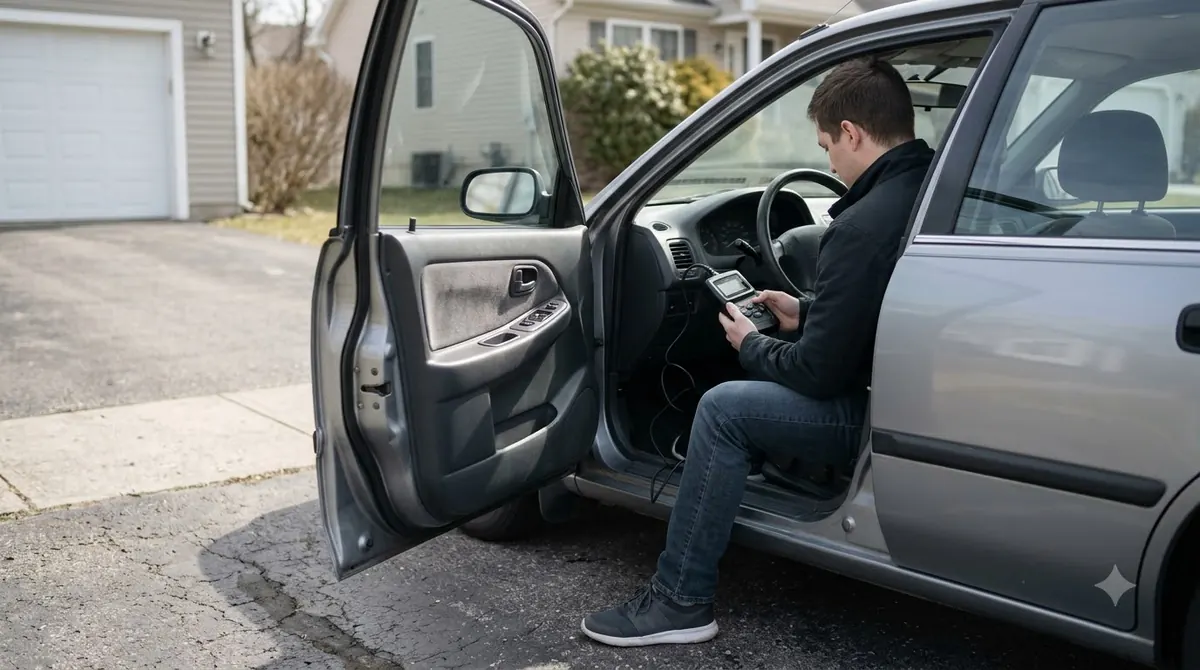
Tighten the gas cap until it clicks at least three times, then inspect the cap and fill neck for damage. This step for a check engine light loose gas cap problem takes only a few minutes and costs nothing. Honda’s 2013 service bulletin for leak codes on several 1996 to 2006 models uses the same order: confirm the cap is tight, then inspect the fill neck, the sealing surface and the threads.
- Turn the engine off and open the fuel door.
- Unscrew the cap and look at the rubber seal and threads for cracks, flattening or debris.
- Screw the cap back on until it clicks at least three times.
- Look for a printed warning. On the Honda and Acura models in that bulletin, the cap should read “Must be tightened 3 clicks or check engine light may come on.” A cap without that marking should be replaced.
Replace a cap that has cracks or missing seals, as Christian Brothers Automotive advises for a check engine light loose gas cap case. Tightening a damaged cap does not repair the seal, so the replacement is the fix in that case.
Do not repeat the tightening many times. If the cap is tight, seals well and has no damage, move on to the next check instead of repeating the same step.
How Long the Light Takes to Turn Off
After you fix a check engine light loose gas cap problem, the light can stay on for a number of drive cycles while the car confirms the seal. Christian Brothers Automotive says the code must be cleared from the computer, so the light may not go off right away even with a properly sealed cap.
The same source offers a rough guide: drive for a few days, or about 25 to 50 miles, before you expect the light to go off. Treat that as a rule of thumb, since the exact time depends on the car and how you drive. The page does not give a fixed count of drive cycles.
For a check engine light loose gas cap case, Honda’s bulletin gives the stronger test. After a repair, drive the vehicle until the EVAP monitor completes successfully, and only then decide whether the repair worked. Watch whether the light returns over the next several drives, not only the first morning.
This timing does not apply to every check engine light loose gas cap case, especially when the cap is damaged or another leak exists. In that case the light can return, and the cap or part must be fixed first.
When a Check Engine Light Loose Gas Cap Fix Does Not Work
If the check engine light loose gas cap warning stays on after the cap is sealed and several drive cycles pass, the leak may be a sensor, hose or valve. fueleconomy.gov’s maintenance guide is run by Oak Ridge National Laboratory for the U.S. Department of Energy and the EPA. It says the check engine light could be something as minor as a loose gas cap, but it could also be a more serious issue that could reduce fuel economy, increase emissions or lead to costly repairs later.
The same page advises that when the check engine light comes on, the vehicle should be inspected by a mechanic. A flashing light calls for faster action than a steady one, so stop driving hard and have the car checked soon rather than waiting for the next cap test. See when a check engine light flashes for what a flashing light can mean.
A mechanic can read the exact code, check the EVAP system and test the parts that Honda’s bulletin points to, such as the fuel tank pressure sensor, the hoses and the two-way valve. Those checks go beyond a cap test, so they are worth paying for when the light keeps returning. A shop can also run a smoke test, and this guide explains smoke testing an EVAP system for leaks.
This guide does not cover every check engine light loose gas cap cause. Codes from a sensor, a valve or an engine fault need a proper scan and test before any part is replaced.
Related Guides
Frequently Asked Questions
Can a loose gas cap really turn on the check engine light?
Yes. A check engine light loose gas cap problem starts when a loose, damaged or missing gas cap lets fuel vapor escape from the EVAP system, and the car reports that leak with the check engine light. Christian Brothers Automotive lists those cap problems as a trigger, but the light can also point to a more serious problem that needs a mechanic.
How long after tightening the cap does the light go off?
It depends on the vehicle. One auto repair business suggests driving a few days or about 25 to 50 miles, and Honda’s bulletin says to drive until the EVAP monitor completes successfully. If the light returns, the cap or the leak still needs a check.
Should I keep driving with the light on?
If the light is steady, have it checked soon, because fueleconomy.gov advises a mechanic inspection when the light comes on. If it flashes, do not wait. Stop driving hard and have the car inspected promptly.
Does clearing the code with a scanner fix the problem?
No. Clearing a code from a check engine light loose gas cap case removes the stored record but does not seal a leak. If the cap is still loose, cracked or missing its seal, the light is likely to return once the car runs its checks again.
I replaced the cap and the light is still on. What now?
The leak may be somewhere else. Hyundai’s 2020 bulletin shows salt deposits in a pressure sensor triggering P0456 on certain Sonata Hybrid cars. Have the code read and the EVAP system tested before buying parts.
Does any gas cap work for this job?
Not always. Honda’s bulletin says a cap without the printed three-click warning should be replaced on the models it covers. Match the cap to your vehicle, and avoid a cap whose seal or threads look damaged.
Check the cap first, because a check engine light loose gas cap problem costs nothing to test. If the light stays on after the seal is confirmed and several drive cycles have passed, take the car to a shop that can read the exact code and test the EVAP system instead of guessing at parts.
