
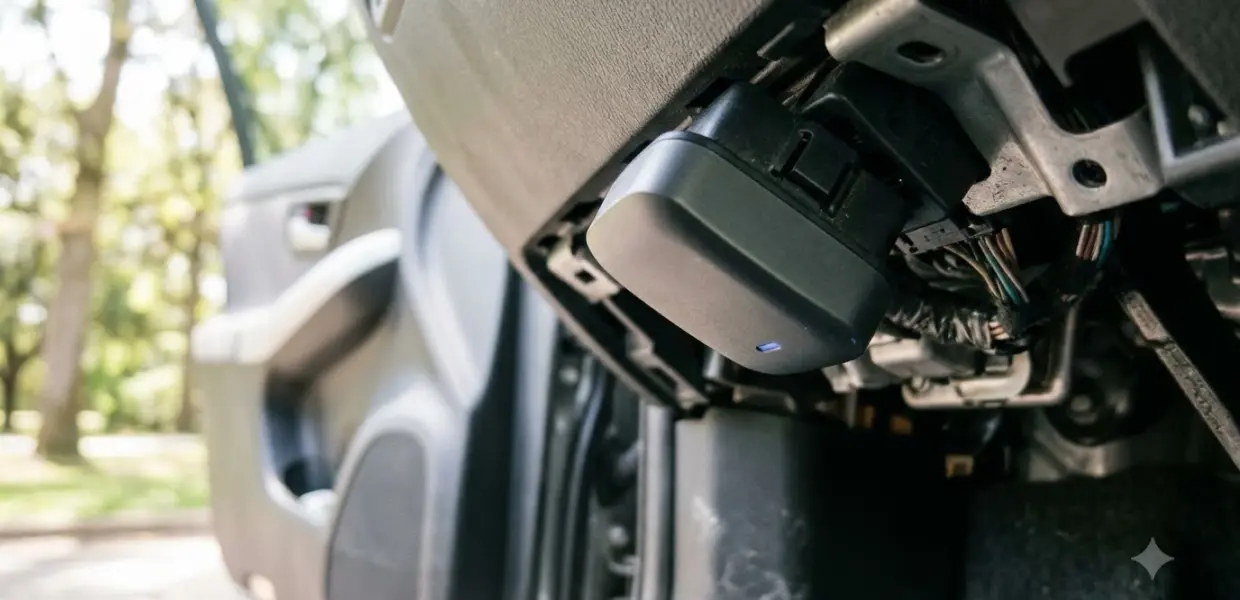

P0440 is the generic OBD-II code for an evaporative emission control system malfunction, which means the car detected a fault in the system that keeps fuel vapor from escaping. The check engine light is usually the only sign.
Start with the fuel cap, since a loose cap is one of the listed causes and the cheapest check. If the light stays on after that, a diagnosis of the code is the next step.
What the P0440 Code Means
P0440 is defined as Evaporative Emission Control System Malfunction. A scan data reference describes it as a generic OBD-II code, so its base definition is shared across manufacturers, and the system it flags can let fuel vapors escape.
The exact setting conditions for the code can differ by make and model, and the tests that run on the EVAP system vary too. This code on one car may point to a different check than on another, so compare the code with your vehicle’s service information.
Common Causes of the P0440 Code
P0440 is linked to several possible causes, and the guides do not rank them for every vehicle. The list below is the set of causes a shop is most likely to check first, in no particular order.
- A loose, damaged or incorrect fuel cap, or a damaged filler seal.
- A cracked, disconnected or restricted EVAP hose or line.
- A faulty purge valve or vent valve.
- A damaged or saturated charcoal canister.
- A faulty fuel-tank pressure sensor or other EVAP sensor.
- Damaged wiring or a poor electrical connection.
Note any recent refueling or work near the fuel tank, since that timing helps a shop narrow the cause. Seals and hoses also harden with age, so an older car is a reasonable place to start looking. Keep the cap seal clean and check it at each refuel. Mechanicbase also lists a fault in the fuel tank or filler neck as a possible cause, which a shop would check after the cap, hoses and valves.
The symptoms are usually mild, and they are not present on every vehicle. The check engine light is the main sign, and some cars show a fuel-vapor smell, a fuel nozzle that shuts off repeatedly, or rough starting.
Check the Fuel Cap First
The fuel cap is the first check because it costs nothing to inspect. According to the EPA on-board diagnostics fact sheet, the diagnostic system can detect vapor escaping from a cap that was not fully tightened after refueling, and the light should go out within a few days once the cap is tightened.
Tighten the cap fully, check the rubber seal for cracks or debris, and replace the cap if the seal is damaged. Then drive normally for a few days and watch whether the light turns off. The EPA sheet explains that the diagnostic system can notice vapor escaping when the cap was not fully tightened after refueling, so a light that appears soon after a fill-up is a useful clue to note. Treat the few days as a general guide rather than an exact timer, and recheck if the light has not changed after a week of normal driving.
How to Fix P0440 Step by Step
To fix P0440, confirm the cap first, then move to the hoses and valves only if the light returns. Record the code before you change anything, because the next steps depend on what the cause turns out to be.
- Tighten or replace the fuel cap, and check its seal for damage.
- Write the code down, along with the date and the vehicle year, make and model.
- Inspect the EVAP hoses and lines for cracks or loose connections.
- Have a shop test the purge valve, vent valve and charcoal canister before replacing any of them.
Clear the code only after the cause is fixed. Clearing it early can hide the fault and make the next diagnosis harder. If the cap check and hose inspection turn up nothing, the valves and canister are the next place to look, and a shop usually tests them before any part is swapped. The reference lists the purge valve and vent valve together, so ask which of the two the test pointed to.
How to Read This Code Yourself
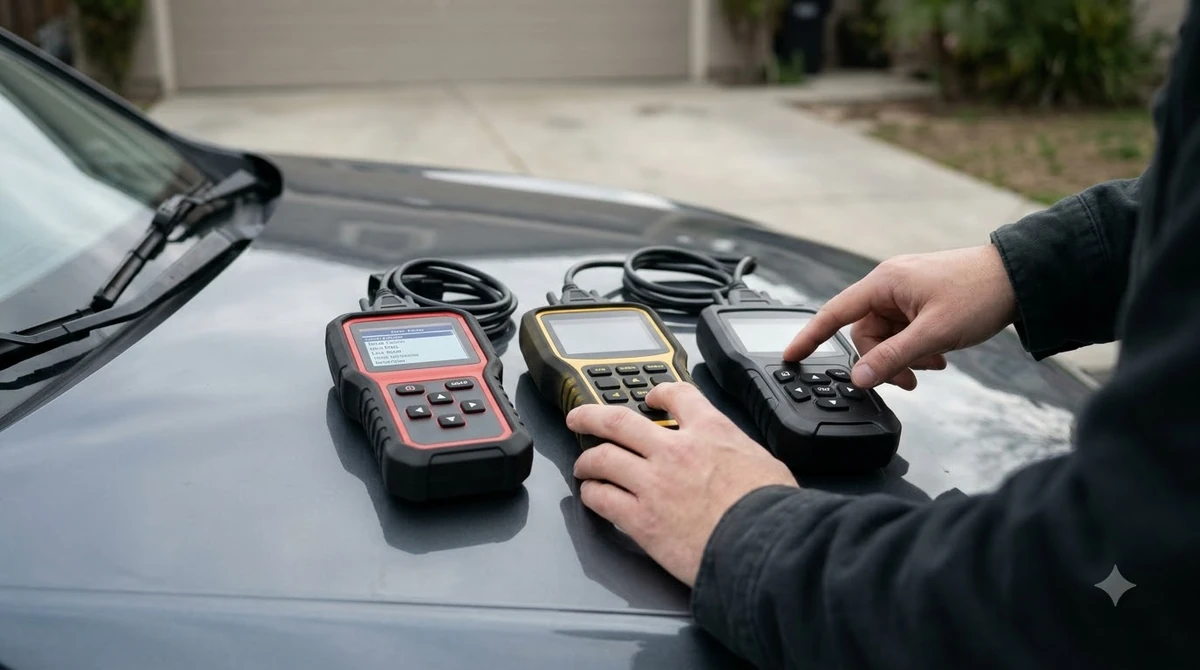
A basic OBD-II scanner plugged into the port under the dashboard can display the code. The scanner shows the code, not the repair, so you still need a diagnosis to choose the right part.
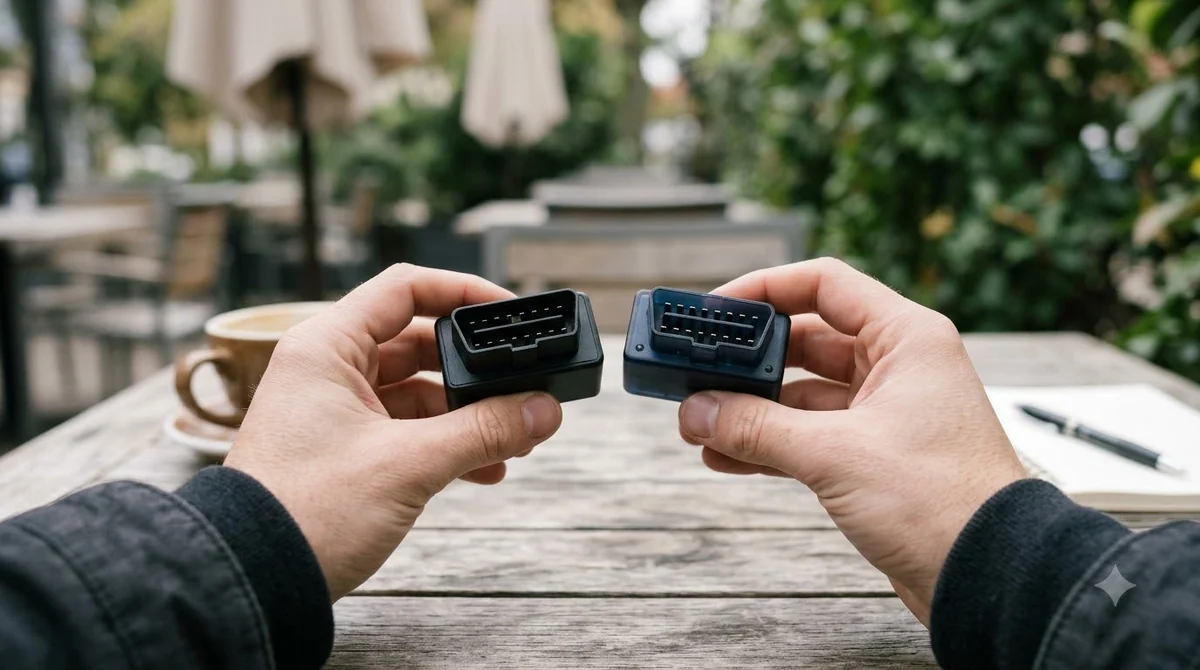
If you cannot read the code yourself, ask the shop to print the code and the freeze-frame data it recorded. That record lets you compare the estimate with the fault the car actually reported.
What Changes the Repair Bill
The cost to fix P0440 depends on the cause, from a cap that needs no parts to a canister or valve that needs a part and diagnosis time. No verified price range was confirmed for this guide, so use a written estimate for your vehicle.
| Possible cause | What the shop checks | Why the cost differs |
|---|---|---|
| Fuel cap | Tightness and seal condition | Often the cheapest check, since it is inspection first |
| EVAP hose or line | Cracks, loose ends or blockage | Labor to trace the leak can outweigh the hose price |
| Purge or vent valve | Valve operation and wiring | Part cost plus the time to confirm the valve is at fault |
| Charcoal canister | Saturation or physical damage | Larger part and more labor than a valve |
| EVAP sensor or wiring | Connections and sensor readings | Diagnosis time varies with the fault |
Ask whether a diagnosis charge applies, and whether it is credited toward the repair if you approve the work. That question matters for a P0440 code, since the cause is not always clear from the code alone.
Ask the shop to name the cause in writing before it replaces any part. Many shops find EVAP leaks with a smoke machine, as the smoke leak detector for EVAP checks guide shows. A written estimate that lists the cause, the part and the labor hours lets you compare quotes fairly.
When This Code Needs Attention Soon
If you see liquid fuel dripping, do not start the car, and move it away from open flames until a shop has looked at it. A steady light means service is needed, but the EPA says it is not an instruction to stop the vehicle. A strong fuel smell near the car is different, so have it checked quickly and avoid parking near open flames until the cause is found.
- Strong fuel odor around the car or in the cabin.
- The fuel nozzle shuts off repeatedly or the tank is hard to fill.
- Rough starting or a change in how the engine runs.
Related Guides
Frequently Asked Questions
Can I keep driving with a P0440 code?
A steady P0440 light means the car needs service, not an immediate stop, according to the EPA fact sheet. Book a diagnosis soon, and get it checked sooner if you smell fuel or have trouble filling the tank.
Will tightening the gas cap clear this code?
It can. The EPA says the light should go out within a few days after a loose cap is tightened. If the light stays on, the cap was not the only cause, and a diagnosis is needed.
What does it cost to fix P0440?
The cost depends on the cause, and no verified price range was confirmed for this guide. A fuel cap check costs little, while a purge valve, canister or wiring repair needs a written estimate.
Is P0440 the same on every car?
The code name is generic, but the setting conditions and tests can differ by make and model. Check your vehicle service information before you follow a generic fix.
Should I clear this code myself?
Write the code down first, and clear it only after the cause is fixed. Clearing before the repair can hide the fault and make the next diagnosis harder. Keep the written code with the estimate so the shop can compare it with its own scan.
How do I fix P0440 if the gas cap is fine?
Have a shop check the EVAP hoses, purge valve, vent valve and charcoal canister. Those are the next causes on the list, and a written estimate should name the one the shop found.
Start with the cap, write the code down, and get a written estimate before paying for a purge valve or canister. A clear diagnosis is the cheapest way to avoid repeat visits.
