

A Toyota Corolla check engine light means the onboard diagnostic system has stored a fault. The EPA’s 1997 on-board diagnostics fact sheet says the light asks for service, not an immediate stop, and a loose fuel cap is a known trigger.
Two checks decide your next step: whether the light is steady or flashing, and whether your Corolla falls under Toyota’s 2014 to 2016 fuel filler neck bulletin.
This page is general information, not a diagnosis. Your owner’s manual and a qualified technician have the final word on your vehicle.
What the Dashboard Light Means on Your Corolla
The Toyota Corolla check engine light, also called the malfunction indicator lamp, turns on when the onboard diagnostic (OBD-II) system detects a fault and stores a code. The system monitors the engine and its emissions controls while you drive.
The EPA describes the dashboard light as a way to tell the driver that service is needed. It is not meant to tell you to stop the car, though service should be sought as soon as possible. The light itself does not show how serious the fault is, so the steady or flashing behavior matters more than the light alone.
Why the Toyota Corolla Check Engine Light Comes On
A loose or unsealed fuel cap is a known trigger, because the OBD system tests the fuel vapor system for leaks. The EPA’s OBD guidance says the system can detect the vapor leak from a cap that is not completely tightened, and that leak can keep the warning lit.
In Toyota’s bulletin on 2014 to 2016 Corolla, two codes describe fuel vapor leaks in the evaporative (EVAP) system:
- P0455 is a gross EVAP leak, meaning a larger leak in the fuel vapor system.
- P0456 is a small EVAP leak, which can come from a cap that is not fully sealed; the P0456 code in more detail covers other causes.
Mazda’s service bulletin on P0456 describes the most likely cause as a fuel cap that was not completely closed after fueling. That finding comes from another manufacturer, but it matches the EPA guidance on caps.
Other faults can also switch the light on. If your Toyota Corolla check engine light comes on right after refueling, check the cap first. If it stays on after the cap is tightened, read the stored code before you assume the cap is the cause.
Corolla 2014 to 2016 Fuel Filler Neck Bulletin
Toyota bulletin T-SB-0086-16 covers some 2014 to 2016 Corolla where a fuel cap with no click can set the Toyota Corolla check engine light with P0455 or P0456. The bulletin says the condition shows up as a “No Click” or “No Spring Return” cap when it is fully seated.
In some vehicles, the fuel filler neck sits out of position and touches the fuel shield, which keeps the cap from sealing. The bulletin’s diagnosis checks whether the cap clicks when it is reinstalled, then checks whether the filler neck touches the shield.
The bulletin applies only to Corollas built at the plant it names, identified by a VIN starting with 5YF and built before the production change VIN listed in the document. You can read the full procedure in Toyota’s bulletin T-SB-0086-16.
The repair is written for technicians. They loosen the filler neck brackets, press the bottom joint up while pulling the neck outward so the opening sits further out of the body, then tighten the bolts. The bulletin says to confirm the cap gives a click and spring return, then run an Evaporative System Check in Techstream Utility (see setting up Techstream) to verify that no EVAP codes remain.
For eligible cars, the repair falls under the Toyota Federal Emission Warranty for 36 months or 36,000 miles from the in-service date. In California, the warranty runs 36 months or 50,000 miles. Coverage applies only when the specified condition occurs.
If your car is outside those years or VIN ranges, the bulletin does not apply, and the general cap checks in the earlier sections still hold for your Toyota Corolla check engine light.
Toyota Corolla Check Engine Light: Steady Versus Flashing
A steady light asks for service soon, while a flashing light signals a rather severe engine misfire that calls for reduced speed and prompt service.
The EPA says a flashing light indicates a rather severe level of engine misfire. In that case the driver should reduce speed and seek service as soon as possible. A steady light gives you more time, but it still needs a diagnosis.
| Light | What the EPA says | What to do |
|---|---|---|
| Steady | Service is needed, but the light does not mean stop the car | Check the cap, read the code, and book service soon |
| Flashing | Rather severe engine misfire | Reduce speed and get service as soon as possible |
If the light changes from steady to flashing while you drive, treat it as the more urgent case. A Toyota Corolla check engine light that flashes is not something to wait out.
How to Check the Code and What to Do First
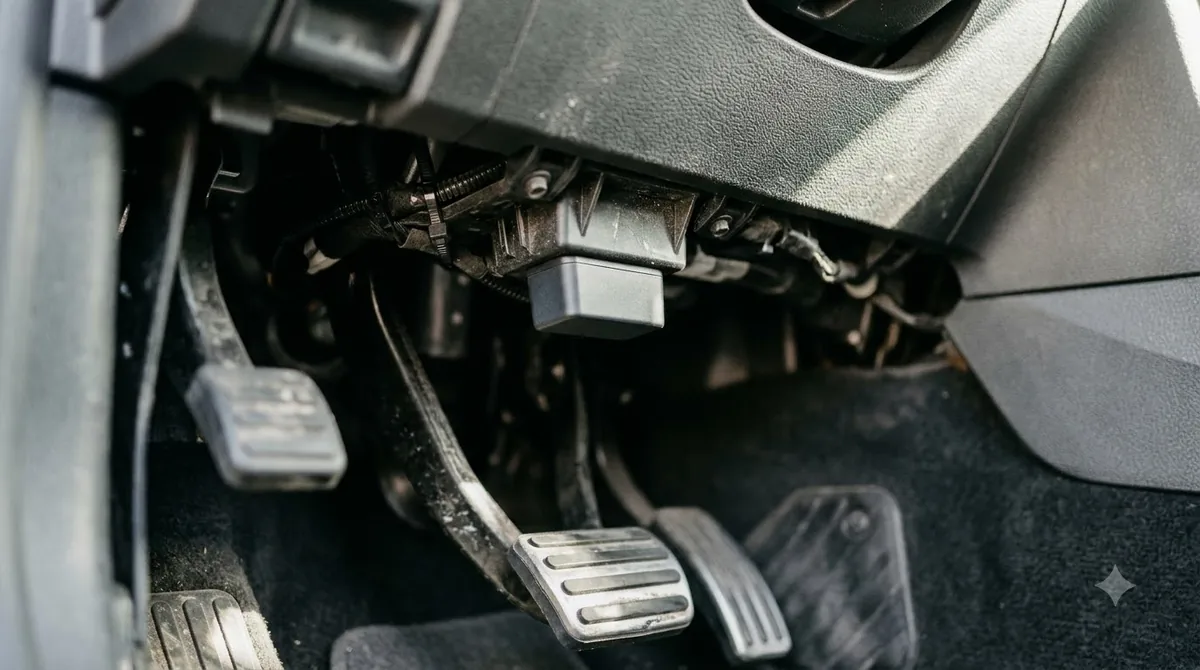
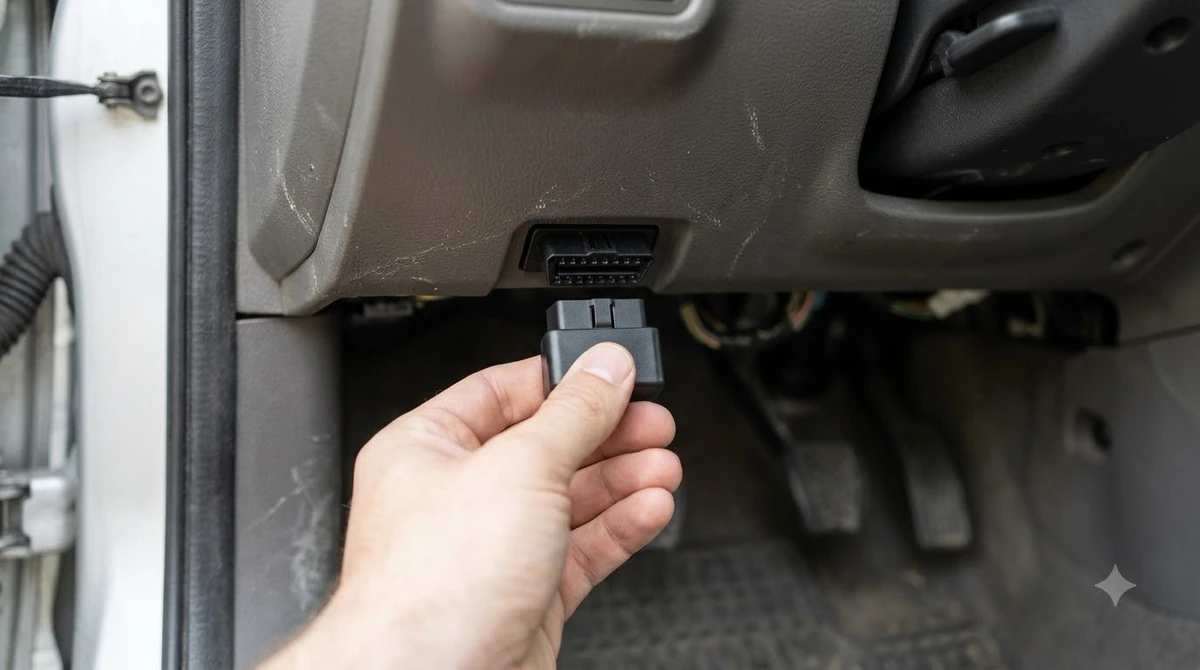
An OBD-II code reader shows the stored code, which points to the system to inspect before you clear the light or replace any part. Work through these steps in order when your Toyota Corolla check engine light is on.
- Check the fuel cap, make sure it is on, and tighten it until it clicks.
- Read the code with an OBD-II code reader and write it down.
- Compare the code with the list above. P0455 and P0456 point to the fuel vapor system and the cap.
- Watch the light over the next few days. The EPA says the light should go out within a few days after a loose cap is tightened.
- If your Toyota Corolla check engine light stays on, flashes, or the code points to another system, book a dealer or repair shop visit.
Clearing the code behind a Toyota Corolla check engine light does not repair anything. The EPA says the light turns off only when the system stops detecting the fault, so a code that returns means the cause is still there. Resetting the Toyota Corolla check engine light is useful only after the cause is fixed. The service reminder is a different light, and the Corolla maintenance light reset guide covers it.
When to Get a Toyota Dealer or Repair Shop Involved
Book service soon when your Toyota Corolla check engine light flashes, stays on after the cap is tightened, or the engine runs rough, because the EPA says service should be sought as soon as possible.
- The light flashes, so reduce speed and get service right away.
- The light stays on for more than a few days after the cap is tightened.
- The stored code points to a system other than the fuel vapor system.
- The engine runs rough or loses power, which can match a misfire.
The bulletin’s consumer notice says it is written for skilled technicians, so a dealer or qualified repair shop is the right place for the filler neck repair. Ask the shop to check the bulletin against your VIN before the work starts.
If the light comes on with no obvious cause, bring the stored code to the shop. That code narrows the diagnosis for your Toyota Corolla check engine light before any parts are replaced. If you drive another Toyota, the Toyota Camry check engine light guide shows how the same light is handled there.
Frequently Asked Questions
Is it safe to drive with the light on?
The EPA says the Toyota Corolla check engine light informs you that service is needed, not that you must stop the car. A steady light still needs service as soon as possible. A flashing light calls for reduced speed and prompt service, so treat it as urgent.
Does the check engine light turn off by itself?
Yes, a Toyota Corolla check engine light can turn off by itself in some cases. The EPA says the light turns off automatically once the OBD system evaluates the component three consecutive times and no longer detects the problem. After you tighten a loose cap, the light should go out within a few days, and a light that stays on needs a code read.
Does a loose gas cap really turn on the check engine light?
Yes. The EPA says the OBD system can detect the vapor leak from a cap that is not completely tightened, and that leak can switch the light on. Check the cap first when a Toyota Corolla check engine light appears after refueling.
Which Corolla model years does Toyota’s fuel filler neck bulletin cover?
Bulletin T-SB-0086-16 applies to 2014 to 2016 Corolla built at the plant it names, identified by a VIN starting with 5YF and built before the production change VIN. Cars outside those years or VIN ranges fall outside the bulletin, so check its wording against your car.
Does a flashing light mean I must stop driving right away?
The EPA does not say you must stop right away. It says a flashing light indicates a rather severe engine misfire, so the driver should reduce speed and seek service as soon as possible. If the engine runs rough or loses power, pull over safely.
If your Toyota Corolla check engine light is steady and the cap was loose, tighten it, watch the light for a few days, and read the code if it stays on. If the light flashes, skip the wait and get the car to a dealer or repair shop, since that is the situation that calls for urgent action.