

The Toyota Camry check engine light means the car’s computer has stored a fault in the engine, fuel, ignition or emissions system. The light alone does not name the problem, so the next step is reading the stored trouble code.
A steady light and a flashing light call for different responses. Start with the simplest check, the gas cap, then get the code read before you buy any parts.
This article gives general information and does not diagnose your specific vehicle. Your owner’s manual and a qualified technician have the final word on your car.
What the Toyota Camry Check Engine Light Means
The Toyota Camry check engine light tells you the engine control computer has detected a fault that affects emissions, fuel delivery or ignition. It stores a trouble code and stays lit while the fault is present.
The computer watches a wide range of emissions and engine controls. When a reading falls outside its limits, it turns the light on and records a code that describes the problem area.
Your owner’s manual shows the Toyota Camry check engine light symbol and where it sits on the dashboard. Keep the manual in the glovebox, since the exact behavior of the light can differ by model year and engine.
Do not confuse the Camry check engine light with a maintenance reminder message. A reminder tells you a service interval is due, while the check engine light points to a stored fault that needs a diagnosis. If the message on your Toyota SUV is only a service reminder, see how clearing the Highlander maintenance reminder works. For another midsize sedan, see how the Hyundai Sonata check engine light behaves.
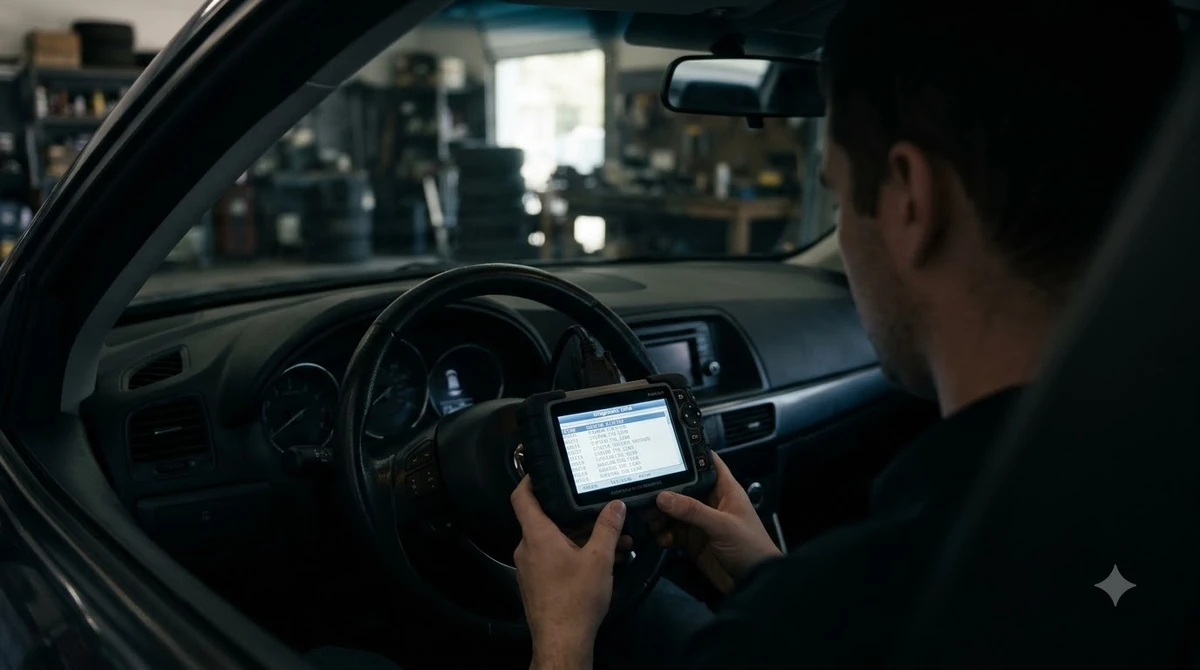
Steady or Flashing: What to Do Right Now
A flashing Camry check engine light means you should pull over and turn off the engine, while a steady light means a fault is stored and should be diagnosed soon. Kelley Blue Book’s Toyota check engine light guide gives the same split between the two states.
| Light state | What it usually means | What to do |
|---|---|---|
| Steady | A fault is stored, often in the emissions, fuel or sensor system | Get the code read soon and watch for changes in how the car runs |
| Flashing | An active engine misfire that can damage the catalytic converter | Pull over, turn off the engine, and arrange a tow or inspection |
| Steady with oil or temperature warning | A possible major problem with the engine | Stop driving and have the car inspected before going further |
Why a Flashing Light Is More Urgent
A flashing light usually points to misfires, when fuel does not burn properly in one or more cylinders. Continued driving with active misfires can damage the catalytic converter, which is one of the costlier emissions parts to replace.
Kelley Blue Book also warns that continuing to drive with a flashing light risks serious and expensive engine damage. Treat the light as urgent, even if the car still seems to run normally.
Common Causes, Starting With the Gas Cap
A loose or damaged gas cap is a common and inexpensive cause of a Toyota Camry check engine light, so check it before anything else. The fuel cap is part of the evaporative emissions system, and a cap that does not seal can set an evaporative leak code.
Common causes for a Toyota Camry check engine light include the following, according to Kelley Blue Book’s guide to the light.
- A loose, damaged or missing gas cap
- Temporary changes in humidity or temperature that can switch the light off after a short drive
- Excess pollutant release from the exhaust
- High fuel consumption
- A misfiring engine
- Other warning lights, such as oil or temperature, lit at the same time
After a Toyota Camry check engine light code is read, a shop can compare sensor readings before recommending either part, which helps you avoid replacing a good component.
Oil or temperature warnings that appear alongside a Toyota Camry check engine light signal a more serious problem than a loose cap, so do not assume the cap is the cause in that case.
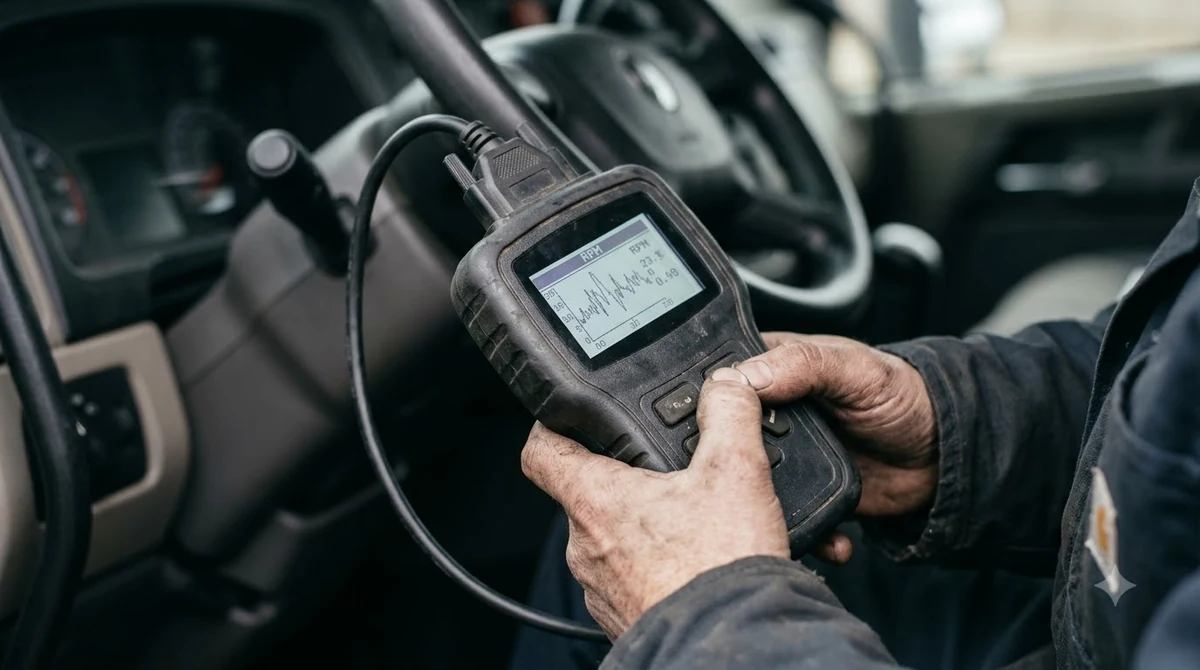
How to Find the Stored Code and What Diagnosis Costs
Reading the stored code is the fastest way to narrow the cause. For a Toyota Camry check engine light, the national average for a diagnostic is about $131 to $209 as of November 5, 2026, according to Kelley Blue Book.
- Check the gas cap and tighten it firmly.
- Look for other warning lights on the dashboard, especially oil or temperature.
- Plug in an OBD II scanner and record the stored code.
- Look up what the code means before you buy any part.
- Take the car to a shop if the code is unclear or the light returns after repairs.
An OBD II scanner is inexpensive and easy to use, which makes it a practical first tool for a driver who wants to read the code at home. Kelley Blue Book notes that a scanner can also clear the light after a repair is complete.
Independent mechanics may offer free diagnostics, and many auto parts stores read codes at no charge, so compare options before you pay.
When It Is Safe to Keep Driving and When to Stop
A steady Toyota Camry check engine light with normal running gives you time to arrange a diagnosis, while a flashing light or rough running means you should stop driving. This applies only when the car runs normally and shows no smoke, burning smell or other warning.
If the car loses power, idles roughly, or the engine temperature climbs while a Toyota Camry check engine light is on, pull over safely and turn the engine off. Those signs point to a problem that a short drive to a shop should not be used to test.
Clearing a code can also affect the readiness checks used for an emissions inspection. After a repair, ask the shop or check your local inspection rules about how much driving is needed first.
Why the Light Goes Off and What Not to Do
The light can turn off by itself after a temporary cause clears, but covering it with black electrical tape does not fix the fault. The warning stays in the computer, and the problem continues underneath.
- Do not cover the light with tape, since it hides the warning and leaves the fault in place
- Do not clear the code and drive on without knowing the cause
- Do not ignore a light that comes back after a repair
- Do not drive hard while a flashing light is on
Clearing the Toyota Camry check engine light only clears the display, so if the light returns or stays on, the problem is still there and needs attention.
Frequently Asked Questions
Will a Toyota Camry check engine light turn off by itself?
Sometimes it does. A temporary cause, such as humidity, can clear a Toyota Camry check engine light after a short drive, but a fault that persists keeps the light on or brings it back. If the light returns or stays on, have the stored code read.
Can I reset the check engine light myself?
Yes, a scanner can clear a Toyota Camry check engine light after a repair. Reset only after you know the cause, because a light that returns means the fault was never fixed and still needs attention.
Is a flashing Camry check engine light an emergency?
Treat a flashing Toyota Camry check engine light as urgent. Pull over when it is safe, turn off the engine, and avoid hard acceleration. Kelley Blue Book warns that continuing to drive can cause serious and expensive engine damage, so arrange a tow or inspection.
Does a loose gas cap always cause the Camry check engine light?
No. A loose cap is a common and inexpensive cause to check first, but it does not explain every case. If the cap is tight and the light stays on, read the stored code before replacing any part.
Do auto parts stores read codes for free?
Many do, according to Kelley Blue Book. Policies vary by chain and by location, so call the nearest store before you visit to confirm whether it offers the service.
Get the code read before you buy parts, since a Toyota Camry check engine light can have many causes. A scanner reading or a shop diagnosis shows whether the fix is a gas cap, a sensor or a larger repair, which helps you avoid paying for the wrong part.