
The Ford Explorer check engine light means the powertrain control module has stored a fault code, and the cause can be as minor as a loose fuel cap or as serious as an engine problem. Read the code before you assume the worst or ignore the light.
Ford has issued bulletins for specific Explorer engines and model years (compare the Ford F150 check engine light guide for another Ford), so the stored code and your VIN matter more than the light alone. Start with how the light behaves, then read the code.
This article gives general diagnostic information only and does not replace an inspection by a qualified technician.
Steady or flashing: what the light is telling you
A steady light means the engine computer has stored a fault that should be checked soon. The EPA’s OBD brochure treats a blinking light as more urgent, because it signals a severe problem such as a catalyst-damaging misfire.
A steady Ford Explorer check engine light usually means the fault is stored and the engine is still running. Some faults are intermittent, so the light can go off and come back on its own. Your owner manual’s warning lamp section gives the exact wording for your model year, and it is the first place to check if the behavior changes.
Write down when the Ford Explorer check engine light appears, such as on cold starts, at highway speed or after refueling. That timing narrows the search when a technician reads the stored code, and it costs nothing to record.
A flashing light calls for less driving (see what a flashing check engine light means in general). Ease off the throttle, avoid hard acceleration and arrange service soon instead of continuing a long trip, especially if the engine runs rough or hesitates.
Common causes of a Ford Explorer check engine light
According to the fueleconomy.gov maintenance guidance, the check engine light, also called the malfunction indicator lamp, shows that something is wrong with the engine. That guidance advises having a mechanic inspect the vehicle when the light comes on. A loose or damaged fuel cap is one of the minor causes it lists, and our guide to a check engine light caused by a loose gas cap covers it in detail.
Ford’s own bulletins show that the same light can come from a specific engine condition on certain model years. Those bulletins list the trouble codes that set the light, so the code on your scanner matters more than the model year alone.
Sensor faults, emissions parts and engine misfires can all set a Ford Explorer check engine light. Treat it as a request for a diagnosis rather than a guess about which part has failed. The Ford Focus check engine light guide covers what to check first on another Ford.
Ford bulletins tied to Explorer check engine lights
Ford has issued technical service bulletins for Ford Explorer check engine lights, and the most specific case covers 2022 to 2023 Explorers with a 2.3L engine and codes P1026 or P1299.
Bulletins are written for technicians, and each covers a defined set of vehicles. Match your model year, engine and VIN to the bulletin text before you act on one, because a bulletin for another engine does not apply to your car.
2022 to 2023 Explorer with a 2.3L engine
Bulletin SSM 51333 describes some 2022 to 2023 Explorers with a 2.3L engine that show an intermittent check engine light with code P1026 and/or P1299 stored in the powertrain control module. The light appears with an engine over-temperature message after a cold start at or below freezing. The NHTSA copy of SSM 51333 describes this concern.
The bulletin also says the vehicle may enter fail-safe cooling open-loop mode during this concern. Technicians are told to check the workshop manual’s diagnostics first. If the engine shows no obvious signs of overheating and those diagnostics are inconclusive, the codes can be cleared to reset that mode.
The bulletin then instructs technicians to tell owners that Ford is investigating the concern and that they can continue to drive the vehicle. Ask a dealer which bulletin applies to your VIN.
2014 to 2015 Explorer with a 3.5L or 3.7L Ti-VCT engine
A bulletin summary listed on carcomplaints.com as TSB 16-0144 (NHTSA item 10090509), dated October 2016, describes some 2014 and 2015 Explorer and Taurus vehicles with a 3.5L or 3.7L Ti-VCT engine. The Ford Explorer check engine light may come on because codes P0138 and/or P0158 are stored in the powertrain control module memory.
Confirm the bulletin’s full text and whether it covers your VIN with a Ford dealer before treating it as your cause.
How to read the code without guessing
Reading the stored code takes a few minutes with an OBD-II reader, and it is the link between your Ford Explorer check engine light and any bulletin that may apply. Work through these steps before you buy parts. A written record makes the shop visit faster, and it keeps the Ford Explorer check engine light diagnosis on track.
- Tighten the fuel cap fully, and check the rubber seal for cracks.
- Note whether the light is steady or flashing, and write down any rough running, warning message or temperature change.
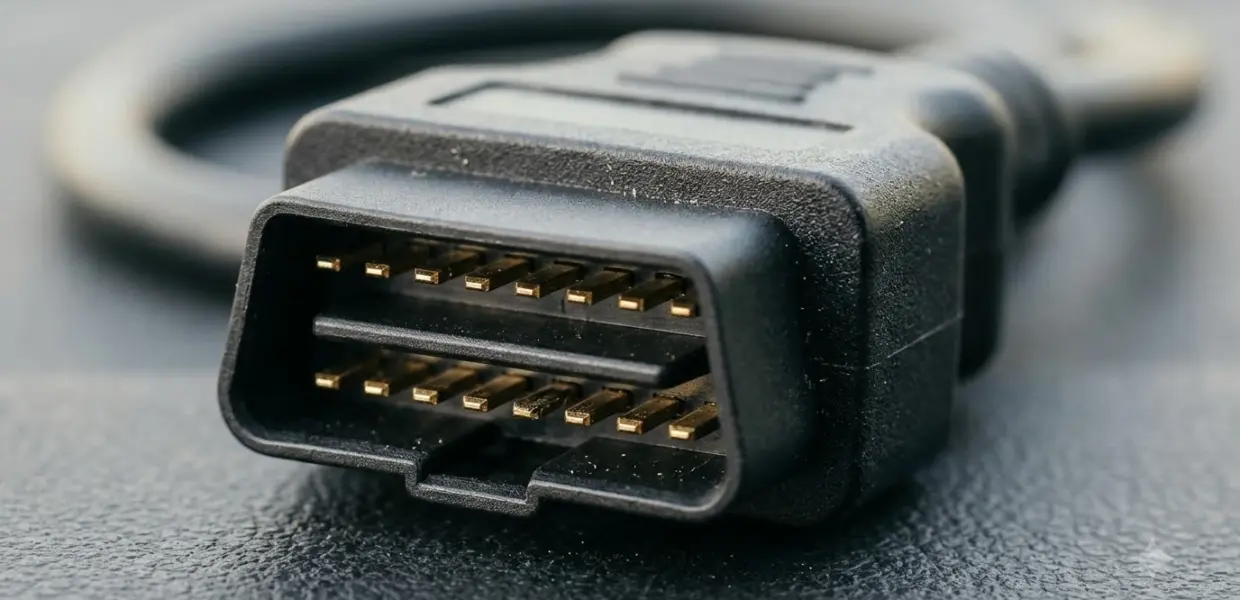
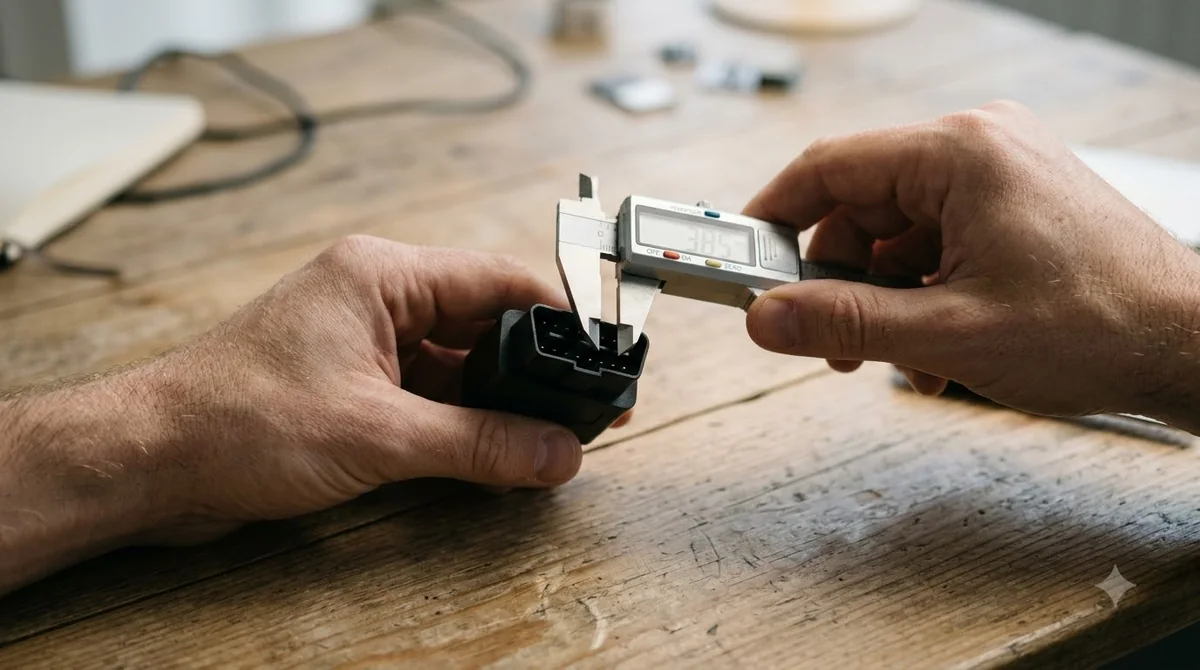
- Plug an OBD-II reader into the port under the dashboard and record every stored code. Our picks of the best car code readers for home use can help.
- Search each code with your Explorer’s model year and engine size.
- Ask a shop to confirm the cause before replacing any part.
Parts stores and shops set their own fees for scans and diagnosis, so ask the amount before you go. Keep a photo or printout of the code for the technician.
Why clearing the code is not a repair
Clearing a code (see how to reset a check engine light the right way) turns off the Ford Explorer check engine light, but the fault remains if its cause is still present, so the light is likely to return.
The 2.3L bulletin allows technicians to clear codes only after they have checked for overheating and found the diagnostics inconclusive. That narrow step resets a cooling mode. It does not repair an underlying problem.
Covering the Ford Explorer check engine light with tape hides a warning without changing the fault. A cleared code also removes the stored evidence a technician needs, so record the code before you clear it.
When to stop driving with a Ford Explorer check engine light
Stop driving when the engine shows obvious signs of overheating, when a flashing Ford Explorer check engine light comes with rough running, or when an over-temperature message stays on. Those signs point to a problem that a drive across town could make worse.
An over-temperature message on the instrument cluster needs attention even when the engine seems to run normally. Let the engine cool before checking coolant, and never open a hot cap.
This advice applies to a running engine with a stored code. A no-start condition, a smell of fuel or visible smoke calls for a tow and a technician, not a drive to a shop. A Ford Explorer check engine light that stays on after repair also needs a fresh diagnosis.
Ask for a written diagnosis that names the code, the component tested and the proposed repair. When the estimate is large, a second opinion from another shop is a reasonable check.
Frequently Asked Questions
Can I keep driving with the Explorer check engine light on?
A steady Ford Explorer check engine light with normal engine behavior usually allows short drives to a shop, but it is a reason to schedule a diagnosis soon. A flashing light, rough running or an over-temperature message means you should reduce driving and arrange service promptly.
Will tightening the gas cap turn off the Ford Explorer check engine light?
It can, if a loose cap caused the fault and the system tests itself again during normal driving. Tighten the cap fully, then drive normally. If the Ford Explorer check engine light stays on, read the stored code rather than waiting for it to clear on its own.
Does the 2.3L bulletin cover every Explorer with a check engine light?
No. The bulletin describes some 2022 to 2023 Explorers with a 2.3L engine and codes P1026 or P1299 after cold starts in freezing conditions. Other engines and codes fall outside its scope, so compare your code and VIN with the bulletin text.
Do I need a dealer to read the code?
No. Any OBD-II reader can display stored codes. A dealer or independent shop can then confirm the cause, perform the checks a bulletin requires and quote the repair. Write the code down before any appointment.
Does clearing the code reset the Ford Explorer check engine light?
Yes, clearing a stored code usually turns off the Ford Explorer check engine light. The light returns when the fault is still present, so clearing is a test step, not a repair. Record the code first so a technician can trace it.
Treat the Ford Explorer check engine light as a prompt to read the code, not as a verdict. Match the code to your model year, engine and VIN, check the bulletins that apply, and have a technician confirm the cause before you approve a repair.