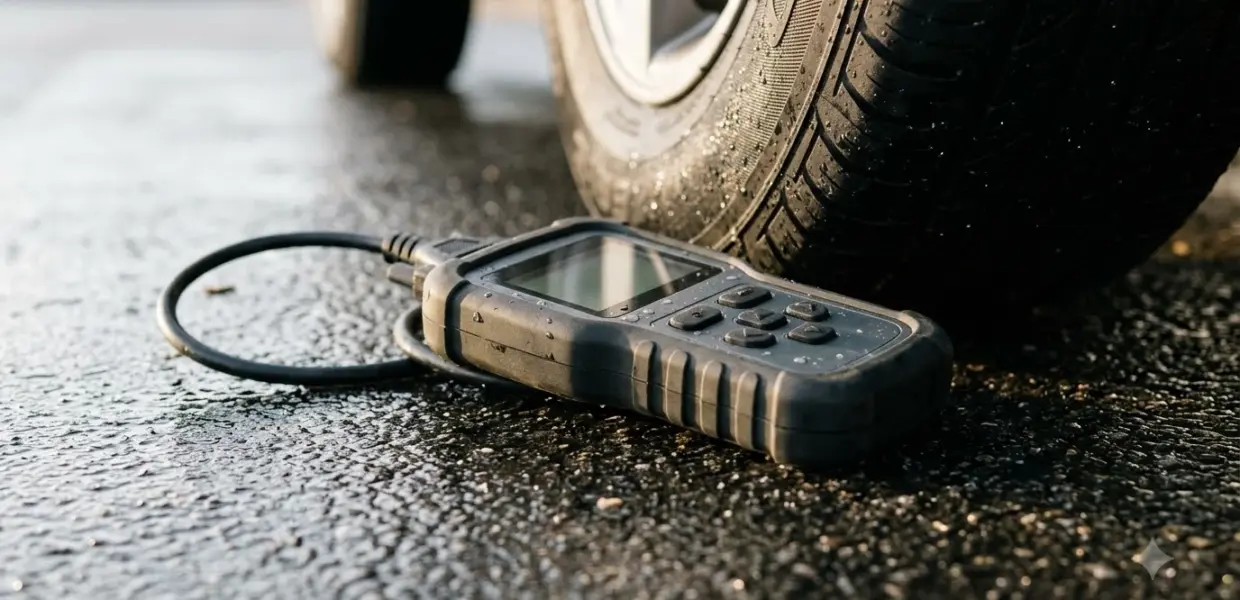

Your Ford Edge check engine light means the onboard diagnostic system has detected a fault in the engine or emissions controls. Ford treats a steady light and a flashing light differently, so check which one you see before you decide what to do next.
A steady light is less urgent but still needs a diagnosis from a dealer or an OBD-II scanner. A flashing light can mean an engine misfire, so have the vehicle checked as soon as possible.
This article is general information based on Ford’s published guidance and public sources. For decisions about your own vehicle, follow your owner’s manual and a qualified technician.
What the Ford Edge Check Engine Light Means
The Ford Edge check engine light is the dashboard signal that the vehicle’s diagnostic system has found an error in the engine or emissions controls. It can stay steady or blink, and each pattern calls for a different response.
The Ford Edge check engine light normally comes on when you switch the ignition on, then turns off once the engine starts if the system finds no errors. If it stays on after the engine starts, the system has stored an error that needs attention.
Haynes, an automotive repair publisher, notes that the light may stay steady or blink depending on the nature and severity of the issue. It does not explain what each pattern means for a specific car, so Ford’s guidance is the better reference.
Ford’s owner materials cover the dashboard lights in the Warning Lamps and Indicators section of the owner manual. Ford’s page also points owners to the Ford app’s Vehicle Health Alerts for any lamp that stays on after startup.

Steady Check Engine Light: What to Do Next
A steady Ford Edge check engine light means the system has detected an emission control error, and Ford says to contact a Ford dealer. Check the fuel cap first, then book a diagnosis instead of waiting for the light to clear.
The steps below follow the guidance for a steady Ford Edge check engine light in Ford’s warning light guidance, which recommends a dealer for diagnosis when the light is steady.
- Check that the fuel cap is tight and its seal is not damaged.
- Watch whether the light stays on after the engine starts.
- If the light stays on, contact a Ford dealer for a diagnosis.
- If the light stays on after recent service, tell the dealer, because Ford recommends contacting a dealer in that case.
Ford’s page does not set a driving limit for a steady Ford Edge check engine light. Ask the dealer whether the car is fine to drive while you wait for a diagnosis, and do not assume the light is harmless.
Flashing Check Engine Light: Why It Needs Prompt Attention
A flashing Ford Edge check engine light means an engine misfire may be occurring, and Ford says to have the vehicle checked as soon as possible. Ford warns that continuing to drive may reduce power or cause the engine to stop.
A misfire happens when a cylinder does not fire as it should, and that is the pattern a flashing Ford Edge check engine light signals. Ford’s guidance does not list the causes, so the stored trouble code is what tells a technician where to look.
Ford also warns that ignoring the lamp can cause component damage that the warranty may not cover. Haynes notes that a failing catalytic converter can trigger the light and also reduce performance and increase fuel use.
- Pull over safely as soon as you can when the light flashes.
- Stop driving if the engine loses power or stops.
- Book a dealer visit or shop diagnosis as soon as possible.
- Ask for the stored trouble codes to be read, and write them down.
Ford’s page advises seeing a dealer to learn what the diagnostic codes mean. Keep the code list with you when you book the visit.
4 Common Causes Behind the Ford Edge Check Engine Light
The four common causes are a loose or damaged fuel cap, oxygen or airflow sensor faults, ignition parts such as spark plugs and coils, and fuel system or catalytic converter problems. The fuel cap is the first thing to check because it is quick to rule out.
- Fuel cap: a loose fuel cap is common, and fueleconomy.gov’s maintenance guidance notes the cause can be as minor as a loose gas cap.
- Sensors: oxygen sensors, mass airflow sensors and engine temperature sensors can fail and set the light.
- Ignition: worn spark plugs, defective coils or a failing ignition module.
- Fuel and emissions: a clogged fuel injector, a fuel pump problem, an EVAP system problem or a failing catalytic converter.
The list is a starting point, not a diagnosis of your Ford Edge check engine light. Two cars can show the same light for different reasons, so the stored code is the only reliable way to narrow the cause. Drivers with another Ford can compare our Ford Focus check engine light guide.
Known Ford Service Bulletin for the 2015-2018 Edge 2.0L EcoBoost
Ford service bulletin 19-2346 is one known reason a Ford Edge check engine light can appear on certain cars. It covers some 2015-2018 Edge vehicles with the 2.0L EcoBoost engine, where coolant can enter the cylinders and light the MIL. The fix is replacing the long block engine assembly on vehicles that meet the bulletin criteria.
The bulletin is dated 19 December 2019 and supersedes bulletin 19-2208 to update the parts list. It describes low coolant, white exhaust smoke and a rough-running engine, with or without an illuminated lamp.
| Item | Detail |
|---|---|
| Bulletin | Ford TSB 19-2346, dated 19 December 2019 |
| Vehicles | 2015-2018 Edge with 2.0L EcoBoost engine. The bulletin also names some 2017-2019 Fusion, Escape, MKC and MKZ models. |
| Symptoms | Low coolant, white exhaust smoke, rough running, with or without an illuminated MIL |
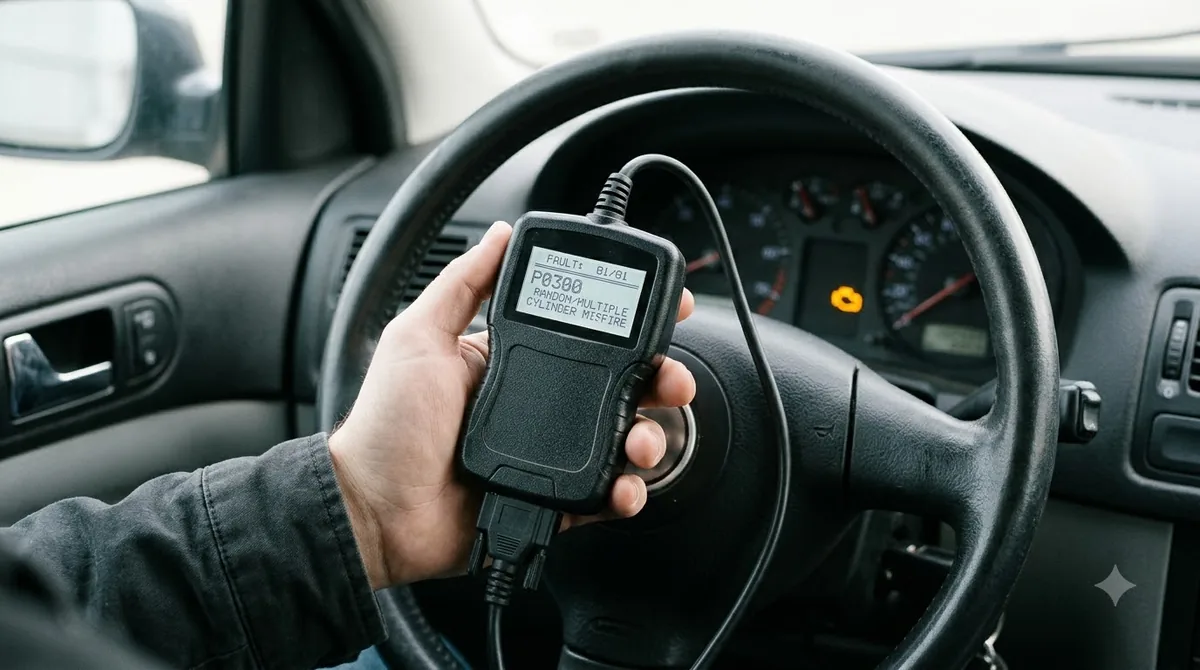
| Possible codes | P0300, P0301-P0304, P0316, P0217, P1285, P1299 |
| Fix | Replace the long block engine assembly on qualifying vehicles |
Some other models in the bulletin have build-date limits, so check the full text before assuming it applies. Owners of the related Ford models can also read the Ford Fusion check engine light and Ford Escape check engine light guides. The Ford bulletin 19-2346 PDF lists the parts and the service procedure.
A bulletin is not a recall. Ford states that technical service bulletins are not recalls and do not cover repair or parts costs, so your coverage depends on the New Vehicle Limited Warranty.
Next Steps: Read the Code and Check Your VIN
Read the stored trouble code with an OBD-II scanner, then check Ford’s bulletin lookup with your VIN. The code points a technician to the right system for your Ford Edge check engine light, and the VIN shows which bulletins apply to your car.
- Plug an OBD-II scanner into the vehicle’s diagnostic port and write down any codes shown.
- Share the codes with a Ford dealer or a qualified technician before you buy parts.
- Enter your VIN on Ford’s Technical Service Information page, accept the terms and run the search to see the bulletins that apply.
- Read the Warning Lamps and Indicators section of your owner manual if the light pattern is still unclear.
Keep notes on when the light came on, whether it was steady or flashing, and any recent service on the car. Those details help a technician match the code to what you saw.
Ford’s bulletin page explains that a bulletin supplements the repair manual but does not cover repair costs. Run the search even if a dealer has already diagnosed your Ford Edge check engine light, since a bulletin can match your symptoms.
Frequently Asked Questions
Will the Ford Edge check engine light turn off by itself?
It can, but do not count on it for a Ford Edge check engine light. A steady light means the system detected an emission control error, and Ford’s guidance is to contact a Ford dealer. If the light stays on after recent service, contact the dealer as well, since the fault may not be cleared.
Is it safe to drive with the check engine light on?
A steady Ford Edge check engine light is less urgent, but Ford sets no driving limit for it, so ask the dealer. A flashing light may mean an engine misfire. Ford says continuing to drive may reduce power or cause the engine to stop, so have the vehicle checked as soon as possible.
Can a loose gas cap cause the Ford Edge check engine light?
Yes. A loose gas cap can be one of the minor causes, and fueleconomy.gov advises having a mechanic inspect the vehicle when the light comes on. Check that the cap is tight and the seal is undamaged, then have the light checked if it stays on.
What does eight flashes at startup mean?
Ford says that if the light flashes eight times after about 15 seconds at startup, the vehicle is not ready for inspection and maintenance testing. If the light stays on instead, the vehicle is ready. Ford’s warning light guidance describes this startup check.
Is a Ford service bulletin the same as a recall?
No. Ford states that technical service bulletins are not recalls. They also do not cover repair or parts costs, and coverage depends on the New Vehicle Limited Warranty. Enter your VIN on Ford’s Technical Service Information page to see which bulletins apply to your car.
Treat a flashing Ford Edge check engine light as urgent and a steady light as a reason to book a diagnosis, not as something to ignore. Bring the car in with the code and your VIN, and ask the technician whether any Ford bulletin applies.