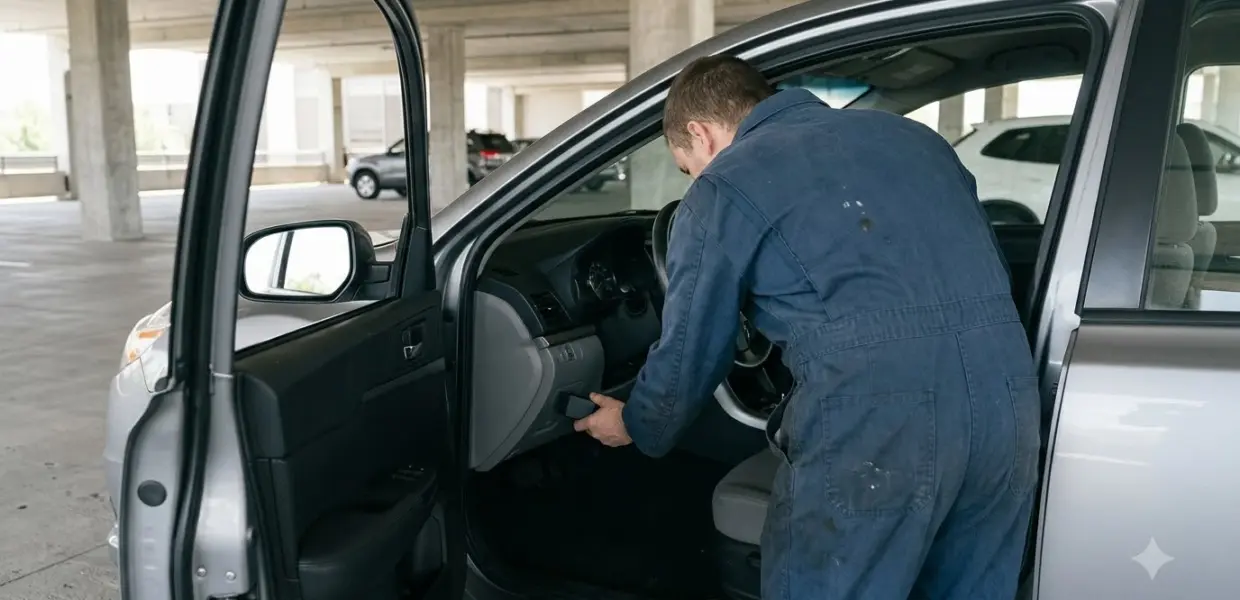

A Ford Fusion check engine light means the car has stored a fault, and whether the light is steady or flashing changes what you should do next. A steady light calls for a prompt check. A flashing light means you should stop driving as soon as it is safe to do so.
Most lights come from a loose gas cap or a sensor. Some 2014 to 2019 Fusions with the 1.5L EcoBoost engine, however, are covered by a Ford bulletin for coolant intrusion, so check the engine and your build date first.
This article covers general diagnosis and one published Ford bulletin. It does not replace an inspection by a qualified technician, and you should not keep driving with an overheating engine or a flashing light.
What the Ford Fusion check engine light means
A steady Ford Fusion check engine light means the system detected a fault that affects emissions or engine operation and stored a code. A flashing light points to an active misfire, which is more serious and calls for stopping soon.
A steady light does not always mean an emergency. The Ford Fusion check engine light can turn off by itself after a temporary condition, such as a change in humidity, triggers it.
A flashing Ford Fusion check engine light is different. KBB’s check engine light guide describes a misfire as something more serious than a routine warning, so reduce engine load, avoid hard acceleration, and get the car checked soon. If the engine runs rough, loses power, or overheats, pull over when it is safe and turn the engine off.
Before you decide how urgent the light is, answer these questions:
- Is the light steady or flashing right now?
- Is the engine running rough, hesitating, or losing power?
- Is the temperature gauge higher than normal?
- Is the coolant level low, or is there white smoke from the exhaust?
- Has the fuel cap been loose or damaged recently?
The 1.5L EcoBoost coolant bulletin
Ford bulletin TSB 20-2100 covers some 2014 to 2019 Fusions with the 1.5L EcoBoost that show low coolant, white exhaust smoke, or a rough-running condition. The bulletin ties those symptoms to a coolant intrusion problem, and its repair is a short block replacement.
The April 2020 bulletin, which replaced an earlier 2019 bulletin, states that the issue can occur in Fusions built on or before June 10, 2019. According to Ford’s bulletin 20-2100 on NHTSA’s site, coolant intrusion means coolant has entered a cylinder.
The bulletin applies only when all of the following are true:
- The car is a 2014 to 2019 Fusion built on or before June 10, 2019, with the 1.5L EcoBoost engine.
- The car has a low coolant level, white exhaust smoke, or a runs-rough condition, with or without the warning light.
- Only the listed codes are stored in the powertrain control module: P0300, P0301 to P0304, P0316, P0217, P1285, or P1299.
A low coolant reading alone does not prove coolant intrusion, which is why a proper diagnosis matters.
Read the code before you assume the cause
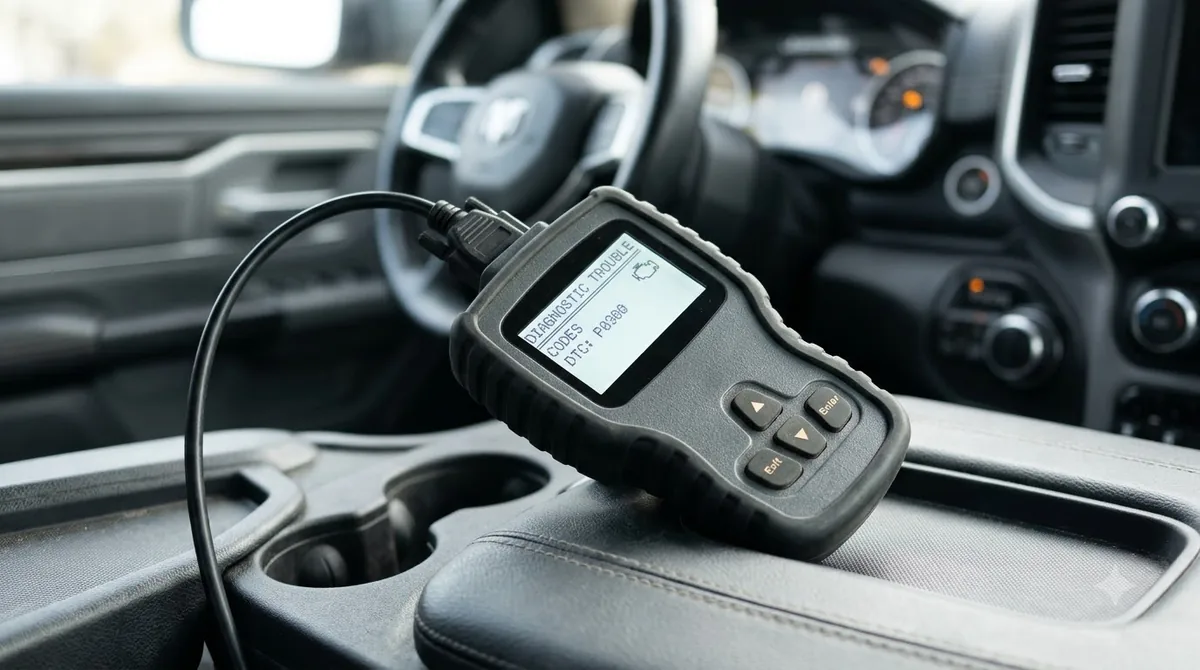
Reading the stored trouble code with an OBD-II scanner is the fastest way to narrow down the cause of a Ford Fusion check engine light. The scanner tells you which system set the code, and the code tells you where to look next.
- Write down whether the light is steady or flashing, and note any symptoms you have noticed.
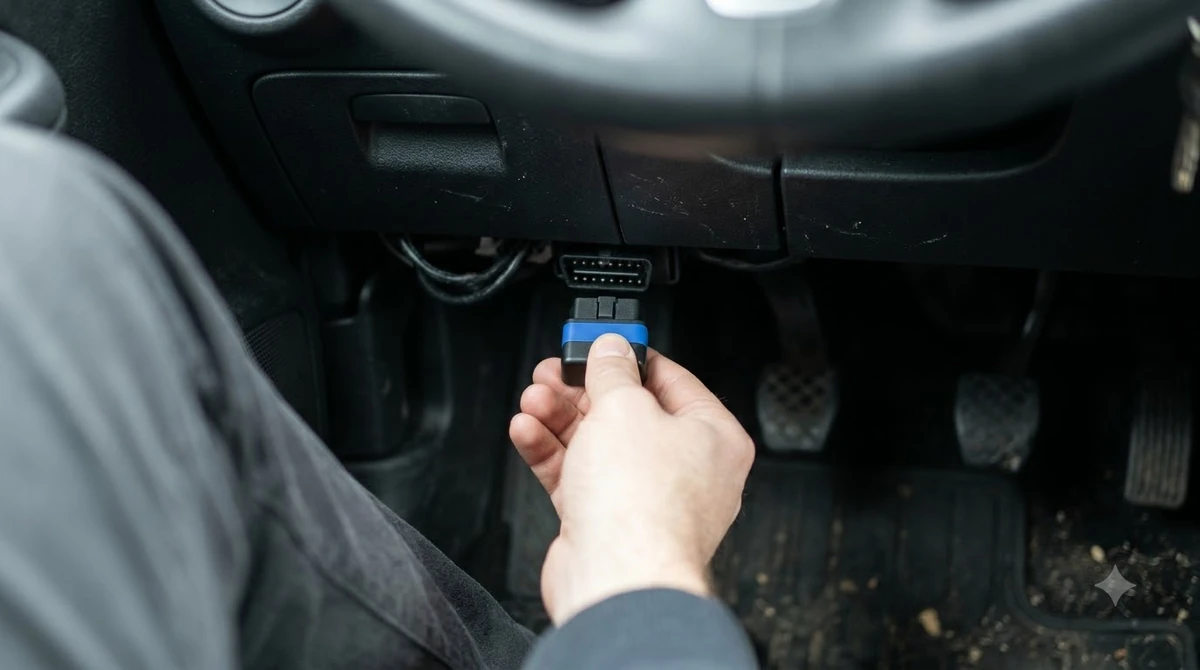
- Plug an OBD-II scanner into the port under the dashboard and turn the ignition on without starting the engine.
- Record every stored code, not only the first one the scanner shows.
- Compare the codes with the bulletin list in the previous section.
- If the codes do not match the bulletin, look at the other causes covered below before you approve a repair.
Codes that match the 1.5L bulletin
Code P0300 is a random or multiple cylinder misfire code, and the bulletin also lists P0301 to P0304, which point to misfires in individual cylinders, as the P0301 cylinder 1 misfire code guide explains. A misfire code on a 2014 to 2019 Fusion is a reason to check the bulletin, not proof that coolant has entered a cylinder.
Other listed codes, P0316, P0217, P1285, and P1299, matter mainly when the symptoms described above are present.
Other common causes of the light
A loose or faulty gas cap is one of the more common reasons for a Ford Fusion check engine light on many vehicles, according to KBB. KBB’s general guidance is not specific to the Fusion, but its list of causes applies to most cars on the road.
- A loose or faulty gas cap, which may need tightening or replacing.
- Temporary changes in humidity or other conditions that trigger the light.
- Emissions or fuel problems, such as excess pollutants or high fuel consumption.
- A misfire, which KBB describes as a more serious fault.
Check the cap and look for signs of a misfire such as rough idle before you replace any part.
Check your build date before you act
The coolant bulletin covers only some Fusions, so confirm your build date with a Ford dealer using your VIN before you assume the bulletin applies. The two Ford bulletins, including the earlier bulletin 19-2139, use different build-date cutoffs.
| Bulletin | Issue date | Fusion build cutoff |
|---|---|---|
| TSB 19-2139 | November 21, 2019 | Built on or before February 21, 2019 |
| TSB 20-2100 | April 1, 2020 | Built on or before June 10, 2019 |
The 2020 bulletin is the later version of the Ford Fusion check engine light coverage and lists the wider build range. Ford’s bulletins apply only to cars that meet every listed condition, and a dealer makes the final coverage decision. If your Fusion was built after the cutoff, the bulletin does not apply, and the cause is likely something else.
Next steps for a Fusion check engine light
Start with the gas cap and the stored code behind the Ford Fusion check engine light, then compare the code and symptoms with the bulletin before you approve a major repair.
- Check that the fuel cap is tight and that its seal is not cracked.
- With the engine cold, check the coolant level in the reservoir and look for white exhaust smoke.
- Read the stored codes with an OBD-II scanner and write them down.
- Compare the codes and symptoms with the 1.5L bulletin conditions.
- Take the car to a Ford dealer with your VIN, build date, and the exact codes, and ask whether the bulletin applies.
If coolant keeps dropping, learn how to use a coolant pressure tester to look for a leak, and read about causes of white smoke from the exhaust if you see it. Your owner’s manual explains how the Ford Fusion check engine light behaves for your model year and engine. Use it as the reference for what your Ford Fusion check engine light means, and treat a flashing light as the more urgent signal in every case.
Clearing the light and when it returns
Clearing the code turns off the Ford Fusion check engine light, but it returns if the fault is still present, so fix the cause before you clear the code. KBB notes that the light may turn off by itself, yet a stored code still shows that the system saw a fault.
Clearing the code without a repair hides the symptom and can make a later diagnosis harder, because the stored history is gone. If the Ford Fusion check engine light comes back, read the code again before you spend money on parts.
What diagnosis costs
As of 2026-11-06, KBB lists a national average of about $131 to $209 for Ford Fusion check engine light diagnostics across all vehicles, not a price for the Fusion. That page gives no date for the pricing, so treat the figure as a rough guide.
Ask the shop for a written estimate before any work starts, and ask whether the diagnostic fee is credited toward the repair if you approve it.
Frequently Asked Questions
Can I keep driving with a Ford Fusion check engine light on?
A steady Ford Fusion check engine light usually allows careful driving to a shop. A flashing light means you should stop driving as soon as it is safe. Watch for rough running, loss of power, overheating, or white exhaust smoke, and have the car checked before any long trip.
Will a loose gas cap turn on the Ford Fusion check engine light?
Yes, a loose or faulty gas cap can trigger a Ford Fusion check engine light, according to KBB. Tighten the cap and check that the seal is not damaged. If the light stays on, read the stored code instead of waiting for it to turn off.
Does the Ford Fusion check engine light turn off by itself?
It can. KBB says the light may turn off on its own after a temporary condition, such as a change in humidity, triggers it. A stored code still means the system detected a fault, so read the code even when the light goes off.
Does clearing the code fix the problem?
No. Clearing the code only turns off the light and erases the stored record. If the underlying fault is still present, the Ford Fusion check engine light returns. Fix the cause first, then clear the code so you can confirm the repair worked.
Is my Fusion covered by the 1.5L coolant bulletin?
It may be, but only if the car is a 2014 to 2019 Fusion with the 1.5L EcoBoost, was built on or before June 10, 2019, and shows the listed symptoms and codes. A Ford dealer confirms coverage using your VIN.
Can I read the code myself?
Yes. According to KBB, the owner or a mechanic can read the codes with an OBD-II scanner. A code tells you where the fault was detected, but a technician still needs to confirm the cause before parts are replaced.
If the code matches the 1.5L bulletin, take the car to a Ford dealer with your VIN, build date, and the exact codes. Describe the symptoms you noticed, such as low coolant or white smoke, so the technician can match them to the bulletin conditions before any repair.