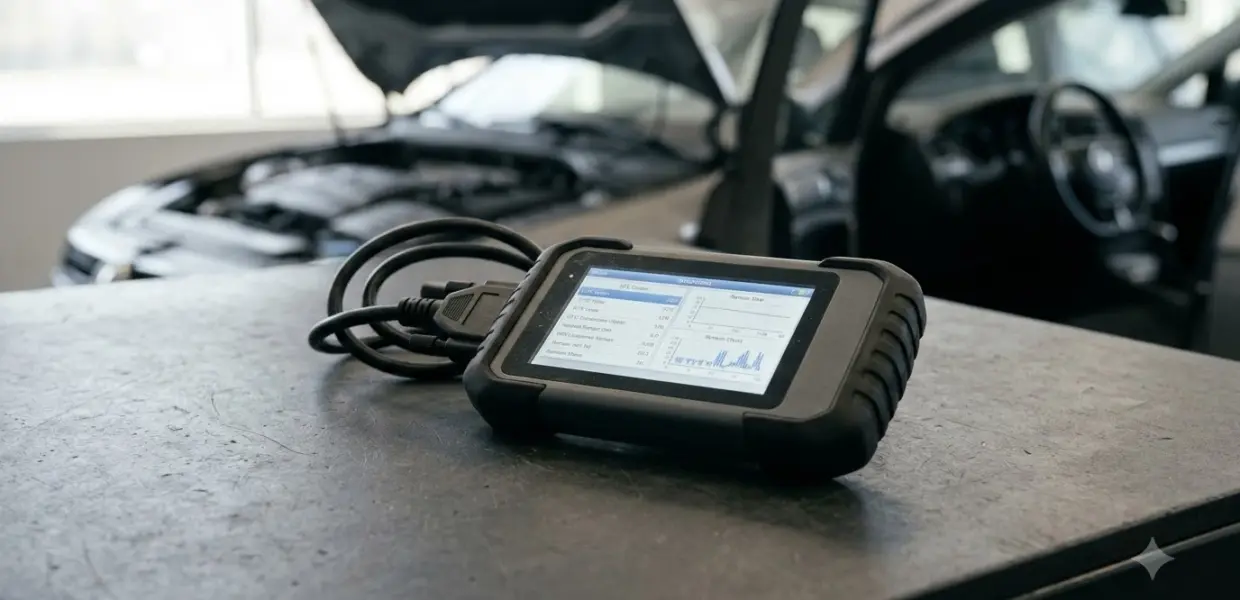

Learning how to use Zurich ZR13 starts with plugging the scanner into the car’s OBD-II port, letting it power up from the vehicle, and reading stored trouble codes before you change any setting.
The Zurich ZR13 and ZR13s are different products with different manuals, so check the model printed on your unit before you follow any menu path. Start with reading codes only when you learn how to use Zurich ZR13.
This is general usage guidance based on the manual copies available online. It does not replace the manual for your unit or a qualified technician’s diagnosis of a vehicle fault.
What the Zurich ZR13 Does
The Zurich ZR13 is a handheld code reader for OBD-II vehicles. Its core jobs are reading stored trouble codes, viewing their descriptions, and clearing codes once a repair is finished.
Model numbers matter, especially when you research how to use Zurich ZR13 online. Online listings and manual copies refer to the ZR13, the ZR13s and related Zurich models, and the menus can differ, so match the instructions to the label on your device.
Keep the printed manual with the scanner so you can check menu names and warnings on the spot. Manual copies found online are useful for a quick look, but the paper manual that came with your unit is the reference to trust.
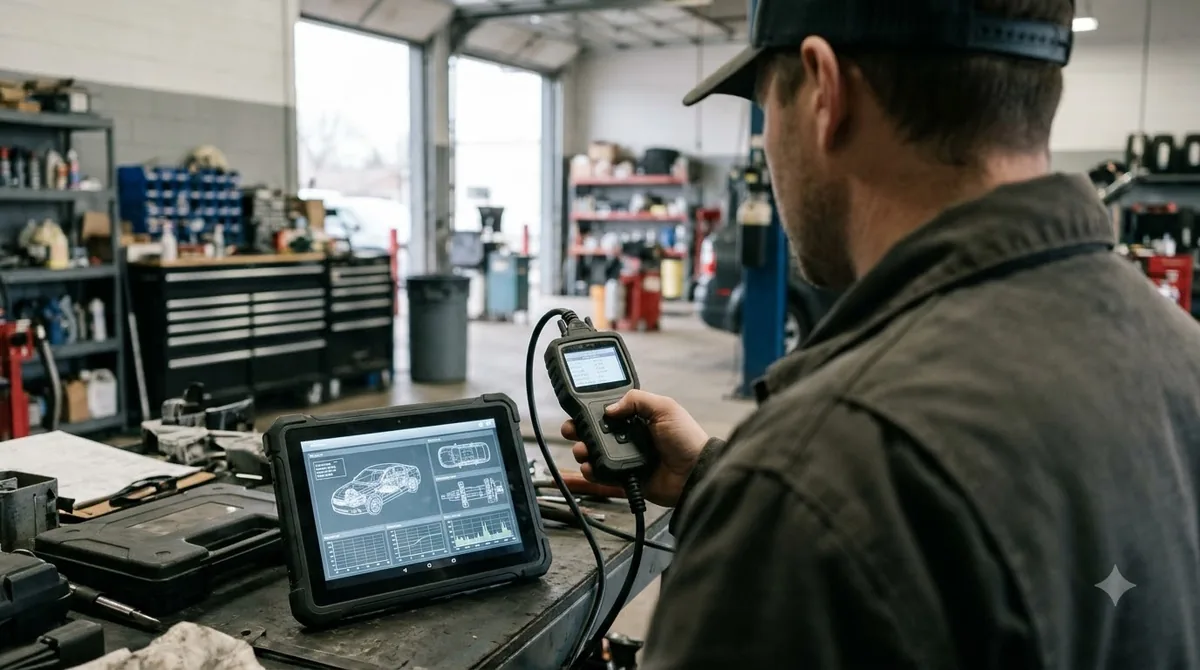
Your first session with how to use Zurich ZR13 should be a read-only session. Reading codes changes nothing in the car, while clearing codes erases the stored record that a technician may need.
Before You Connect the Scanner
Preparation is the simplest way to avoid a failed first session with how to use Zurich ZR13. Confirm that the vehicle uses OBD-II, switch the ignition off, and find the diagnostic port before you open any menu.
- Confirm the vehicle is OBD-II compliant before you buy or rely on the readings.
- Turn the ignition off before plugging the cable into the port.
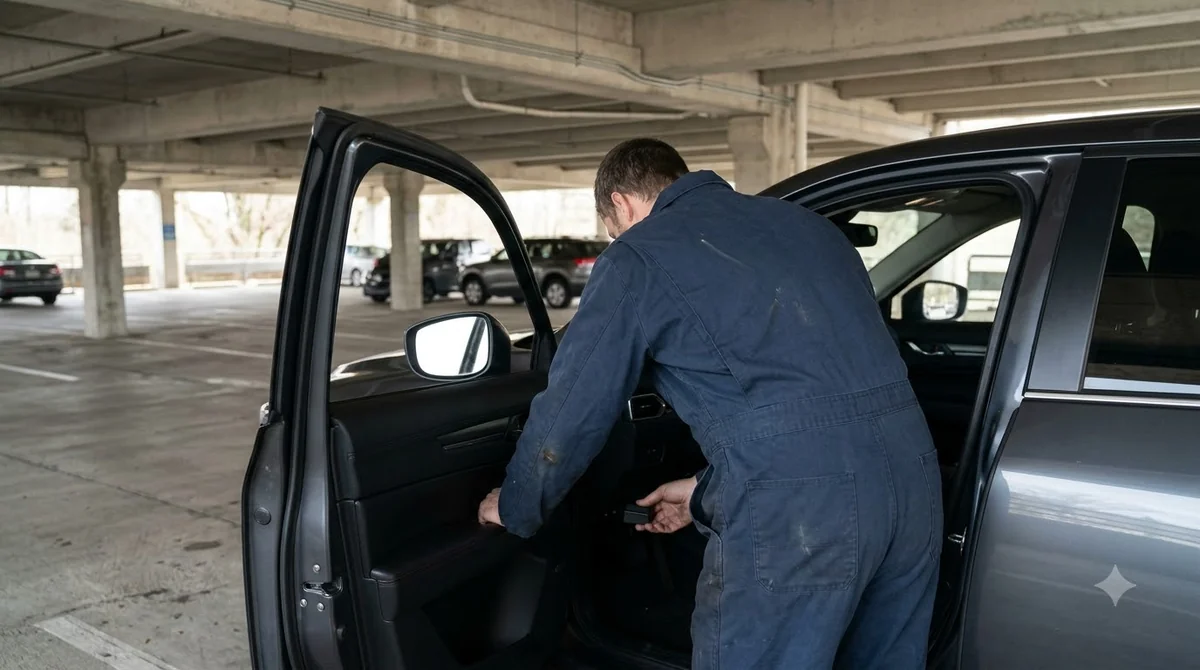
- Locate the diagnostic link connector, usually under the dashboard on the driver side.
- Keep the cable clear of the pedals and the steering column.
- Have a notebook or phone ready to write down every code and its description.
If the scanner cannot communicate, the manual copies say to check that the vehicle is OBD-II compliant, verify the connection at the port, and confirm the ignition is on. Work through those checks before you assume the scanner is faulty.
Before any session, keep the engine off until the scanner finishes starting up, and watch the opening screen for any message before you press a button. A blank screen or a failed link is a connection issue first, so recheck the port before you change any setting.
How to Use Zurich ZR13 to Read Codes Step by Step
The core read is short, and the button names below follow manual copies found online, so confirm them against the manual for your model. Connect the cable, turn the ignition on with the engine off, and select the code reading function from the main menu.
- Plug the cable into the diagnostic port until it seats firmly.
- Turn the ignition to the on position without starting the engine.
- Wait for the scanner to power up from the vehicle and show its opening screen.
- Use the directional buttons to move through the menu, and press OK to confirm a choice.
- Select the option to read codes, then record each code and its description.
- Press ESC to step back, and press the M button to return to the main menu.
What to Do With the Code List
Read each code on its own and look up the meaning separately. A code describes the circuit or system that reported a fault, so it is a starting point for the next test, not a finished repair plan.
Keep the codes in the order the scanner shows them, and note whether each one is current or stored. That record helps a technician repeat the test and compare results after a repair.
Repeat the read when the first session shows no codes but the warning light stays on. Some faults set codes only under certain conditions, so a second read on how to use Zurich ZR13 can confirm the result.
Modes and Menu Navigation
Many OBD-II readers offer a standard mode and an enhanced mode. The manual copies describe switching between Global OBD2 mode and an enhanced mode from the System Menu on this scanner.
Enhanced data depends on the vehicle make, so one car may show extra manufacturer data while another shows only the standard set. Do not expect every system to be readable on every car.
Learning how to use Zurich ZR13 is easiest when you know the four basic buttons first. The arrows move through the list, OK confirms, ESC goes back, and the M button brings you to the main menu from any screen.
If the enhanced mode shows fewer items than you expected, switch back to the standard mode and compare. That check shows whether the gap comes from the mode setting or from the vehicle itself.
Clearing Codes Safely
Clearing codes with how to use Zurich ZR13 removes the stored record and can turn off the malfunction light, but it does not repair the fault. If the cause is still present, the code and the light will return. In its EPA on-board diagnostic fact sheet, the agency says the system lights the “Check Engine” or “Service Engine Soon” lamp, also called the MIL, when it detects an emissions-related malfunction.
- Record all codes and their descriptions before you clear anything.
- Complete the repair or the test that the codes point to first.
- Clear codes only after the cause is confirmed.
- Expect the warning light to return if the cause is still present.
Scope boundary: this guide covers reading and clearing standard OBD-II codes. It does not cover module programming, coding or safety systems that the manual copies do not describe for this device.
Clearing is the final step in how to use Zurich ZR13 for a repair job, not the first step in diagnosis. Many owners assume a cleared list means a fixed car, but it only shows the stored record is gone. To compare it with other basic readers, see these OBD2 code readers for beginners.
Common Mistakes and Scope Limits
The most common mistake with how to use Zurich ZR13 is clearing codes before writing them down. The record is the only proof of what the car reported, and it is gone once the scanner erases it.
Another frequent error when you practice how to use Zurich ZR13 is mixing up the ZR13 and ZR13s instructions. Follow the manual for the exact model, since button labels and menu paths may differ between versions.
A communication error does not always mean a broken scanner. Check the port connection, the ignition position and the vehicle type first, then try again.
Frequently Asked Questions
Does the Zurich ZR13 work on every car?
Not guaranteed. The scanner targets OBD-II vehicles, but enhanced data depends on the make. Check the manual or the product listing for compatibility before you rely on the readings for a specific car.
Will clearing codes fix the problem after how to use Zurich ZR13?
No. Clearing codes only removes the stored record and may turn off the light. If the fault is still present, the code returns, so repair the cause first and then clear the code.
Where do I find the manual for my Zurich ZR13?
Start with the printed manual that came with the unit, then check the model label, since the manual for how to use Zurich ZR13 depends on that model. Manual copies are available online, but confirm the model number matches yours before following any menu steps.
Does the scanner need its own power source?
The manual copies say the scanner draws power from the vehicle through the diagnostic port, so no separate battery is needed. Confirm this against your model manual before you connect it.
What should I write down from a scan?
Record each code, its description, whether it is current or stored, the mileage on the dash, and whether the warning light was on. Those details help a technician repeat the test and compare results after a repair.
Is the Zurich ZR13 suitable for beginners?
Yes for reading codes, because the core steps in how to use Zurich ZR13 are short. Beginners should record every code and avoid clearing anything until the cause is understood or a technician has reviewed the results.
Read the codes, write them down, and confirm the cause before clearing anything. Keep the manual for your exact model nearby, since menus and button names can differ between Zurich versions.