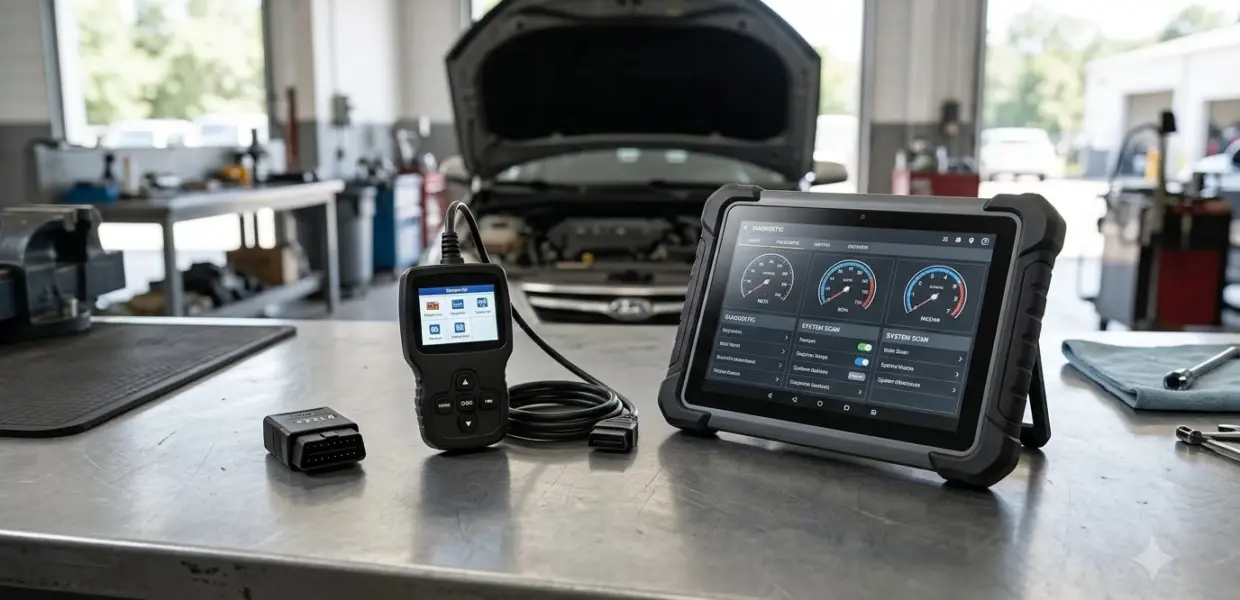

P2135 is a trouble code that means the throttle position sensors and the accelerator pedal sensor report voltages that no longer match. The engine computer may limit power to protect the vehicle, so treat the code as a real fault and not a minor warning.
A P2135 code can come from a sensor, the throttle body or damaged wiring. The diagnosis, not the code alone, decides which repair you need.
This guide gives general diagnostic information. Work on throttle and electrical parts with the ignition off, and follow the service manual for your vehicle.
What P2135 Means
P2135 means the accelerator pedal sensor voltage does not agree with the throttle body position sensor voltage, according to Mechanic Base.
The engine control module, or ECM, compares the two signals all the time. Kelley Blue Book says the ECM expects the readings to stay within a close range of each other. One sensor reading half throttle while the other reads full throttle is the kind of mismatch that sets the code.
Throttle and pedal sensors work as a pair so the ECM can check one against the other. When the pair disagrees, the computer cannot be sure which reading to trust, so it stores the fault and may change how the engine responds until the readings agree again.
On General Motors vehicles, the same fault appears as Throttle Position (TP) Sensor 1-2 Correlation. GM’s service bulletin describes the cause as TP Sensor 1 and TP Sensor 2 differing by more than a calibrated value for more than 2 seconds.
The code meaning is generic across brands, so a p2135 code points first to a signal mismatch. Mechanic Base’s P2135 guide notes that the code does not by itself prove the accelerator pedal sensor is bad. It only shows that the two readings disagree, so the failed part still has to be found.
What Causes P2135
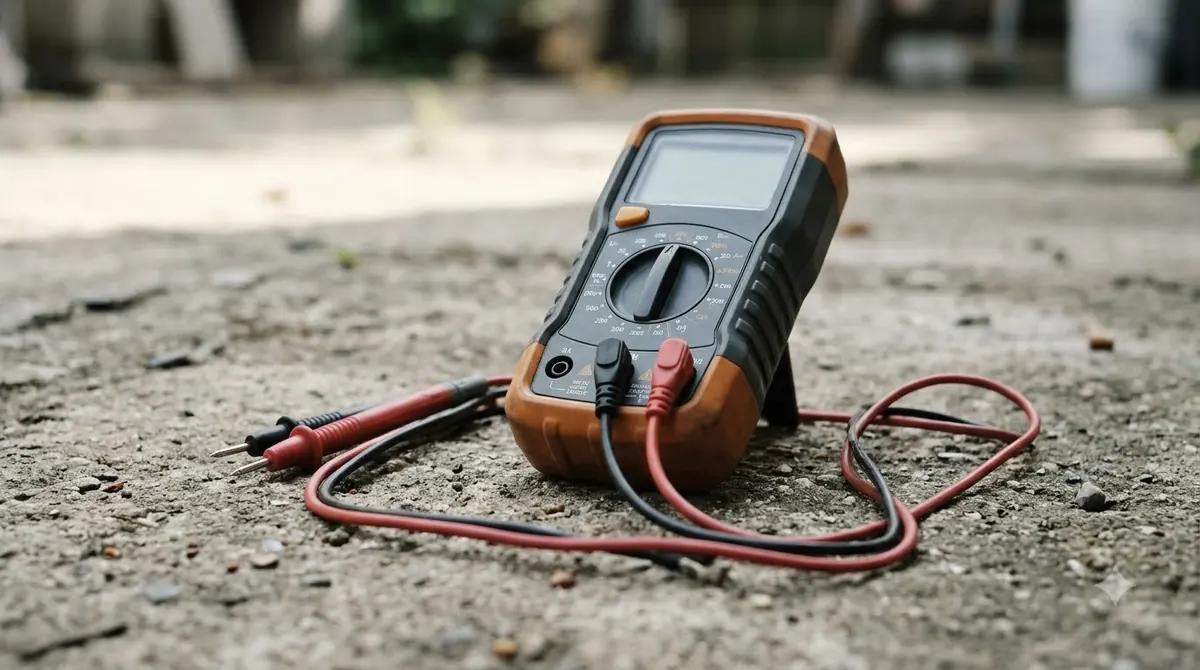
Common causes of P2135 include a faulty throttle position sensor, a failing accelerator pedal sensor, a faulty throttle body actuator and damaged wiring. Mechanic Base and KBB name similar parts and circuits.
- Faulty throttle position sensor.
- Failing accelerator pedal position sensor.
- Faulty throttle body actuator, the motor that moves the throttle plate.
- Open or shorted wiring in the throttle or pedal sensor circuits.
- Cracked or damaged wiring harness leading to the ECM.
- Loose or faulty electrical connections at the pedal or throttle body.
- Faulty ECM, which KBB presents as less common than the sensor causes.
The code does not name the failed part. Buying a sensor before testing the wiring and connectors can waste money, because a damaged harness can set the same code as a bad sensor.
The guides give no percentages, so this list does not rank the causes by how often they occur. Treat every item as a possibility until the test results point to one.
Wiring faults are the hardest causes to see, and they are easy to miss when you only look at the sensors. Look for loose pins, corrosion and damaged insulation at each connector on the pedal and throttle body, and follow the harness where it passes near moving parts or heat. KBB lists open or shorted sensor circuits and cracked harnesses leading to the ECM as causes, so a clean look at the sensors alone is not enough.
Symptoms and Whether You Can Keep Driving
P2135 usually turns on the check engine light and can reduce engine power. KBB says driving with the code set is not recommended.
The guides list these symptoms with this code:
- Check engine light.
- Reduced engine power message, which GM’s bulletin lists with the code (see this guide to the reduced engine power warning).
- Surging or hesitation during acceleration.
- Engine revving higher than normal, even with the pedal released.
- Difficulty accelerating, or stalling when stopped.
- No-start condition in some cases, according to Mechanic Base.
The engine computer may enter a fail-safe mode known as limp mode that limits acceleration. Kelley Blue Book’s P2135 page reports that this mode restricts acceleration to 15 percent, and it calls that especially problematic on highways.
Mechanic Base rates P2135 as Severe. KBB goes further and advises towing the car to a technician rather than driving it with the code set. If the car loses power on the road, move to a safe spot and call for help.
Symptoms alone cannot confirm P2135, because stalling and hesitation have many causes. Read the code first, then match the symptom to the freeze frame data. A symptom that appears only at a certain speed or load is a clue for the technician, not proof of the cause.
How to Diagnose P2135 Step by Step
To diagnose P2135, confirm the code is current, read the freeze frame data and inspect the wiring before you replace any part. Mechanic Base gives a diagnostic order that works on most vehicles.
- Check all engine codes and note which ones are current and which are stored in history.
- Clear the codes, then drive the car to see which codes return.
- Read the freeze frame data to see the conditions when P2135 was set.
- Check the manufacturer’s technical service bulletins for your make, model and year.
- Inspect the throttle body and pedal wiring and connectors for wear, damage or loose pins.
- Calibrate the throttle body and check whether the code clears. If the wiring and connectors are good, test the components with the service manual.
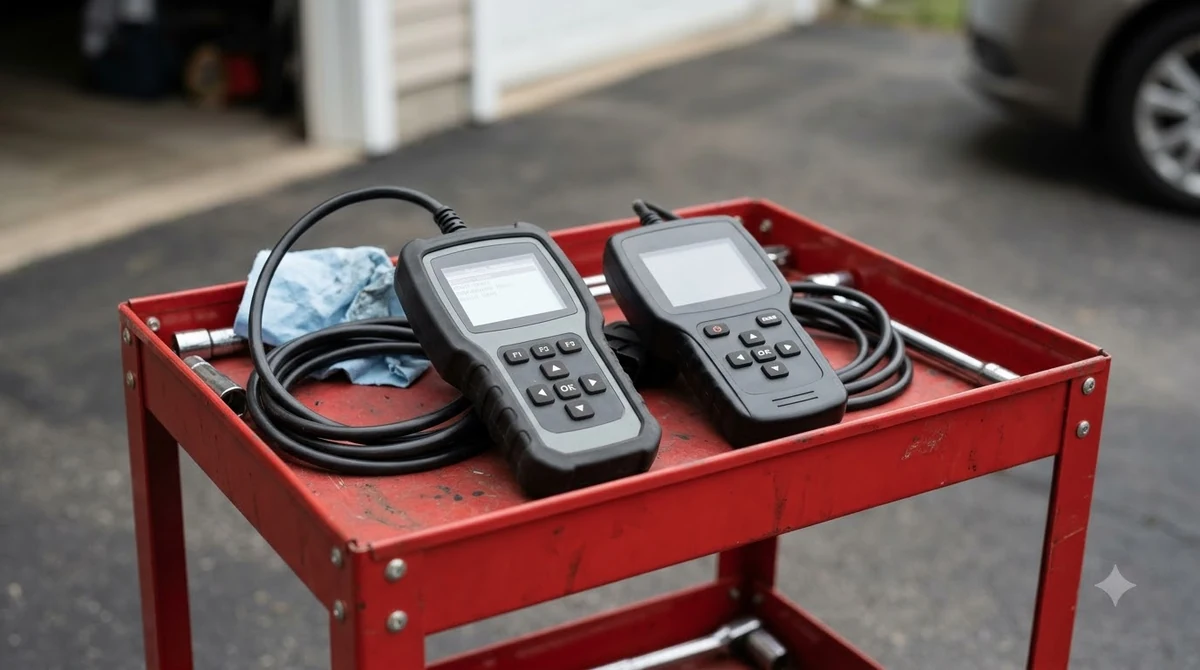
Reading the freeze frame data and live sensor values takes a scan tool, and this walkthrough on how to use an OBD2 scanner covers the basics. Neither Mechanic Base nor KBB gives a fixed voltage threshold for this code. Compare live sensor readings with the manufacturer’s specification in the service manual, and do not replace parts based on the code alone.
Record the codes and the freeze frame data before you clear anything, so the evidence stays available if the code returns. Write down the throttle position and engine speed at the moment the code set, because those notes help a technician repeat the fault during a test drive.
How to Fix P2135 and What It Costs
For listed 2008 to 2011 GM trucks and SUVs, GM says not to replace the throttle body and to replace the TP sensor cover instead. Other causes need a sensor, actuator or wiring repair, and a throttle body job has its own price range in this guide to throttle body repair cost.
GM’s service bulletin 11-06-04-007B covers Cadillac, Chevrolet, GMC and HUMMER models with specific engines. Its procedure removes the throttle body, cleans it and replaces the TP sensor cover, then the throttle body goes back on the vehicle. The bulletin says 2008 to 2010 models must have the engine control module reprogrammed after the cover is installed, while 2011 models do not need reprogramming.
The bulletin applies only to the models and engines it lists. Vehicles outside that list need their own manufacturer bulletin or service information, so do not apply this procedure by assumption.
For other causes, the cost depends on the part and the labor. As of 2026-11-06, one repair guide reports the parts and labor ranges below. That is a single source, so get a written quote before you approve any work.
| Repair | Estimated cost (parts and labor) |
|---|---|
| Throttle position sensor replacement | $100 to $350 |
| Throttle body actuator replacement | $500 to $750 |
| Accelerator pedal position sensor replacement | $150 to $350 |
| Damaged wiring repair | $50 to $500 |
| Electrical connection repair | $50 to $1,000 |
A common mistake on the listed GM models is replacing the throttle body first, which is the step the bulletin tells you to avoid. The one exception is a throttle body that is dropped during the work: the bulletin says to abort the procedure and replace it with a new assembly. If your vehicle is not on the bulletin’s list, ask the shop which test points to the throttle body before you agree to that repair.
Frequently Asked Questions
Can I clear a P2135 code myself?
A scan tool can clear the code. Mechanic Base advises clearing it and then driving to see whether it returns. If the code comes back, the fault is still present, so find the cause before you rely on the car.
Does P2135 always mean the throttle body is bad?
No. Sources list faulty sensors, a throttle body actuator, a pedal sensor, wiring, connectors and, less often, the engine computer. On the listed GM models, GM says not to replace the throttle body first, so test the other parts before you buy one.
Are the fixes for P2135 the same on every vehicle?
No. The code meaning is generic, but the fix depends on the make, model, year and engine. Check the manufacturer’s technical service bulletins for your exact vehicle before buying parts, because a bulletin for one vehicle may not apply to another.
Does P2135 need a shop visit?
KBB advises towing the car to a technician when the code is set. A shop can read freeze frame data, check bulletins, test the sensors and wiring, and calibrate the throttle body. Those steps need live scan data and the service manual.
What should I check first on a P2135 car?
Start with the wiring and connectors at the pedal and the throttle body. Mechanic Base lists damaged wiring and faulty connections among the common causes. After that, read the freeze frame data and check the bulletins for your vehicle.
Repair prices change, and the cost ranges here come from one repair guide, so treat them as a rough guide. Ask for a written quote that names the failed part, and ask the shop to show its test results before it replaces the throttle body or any sensor.