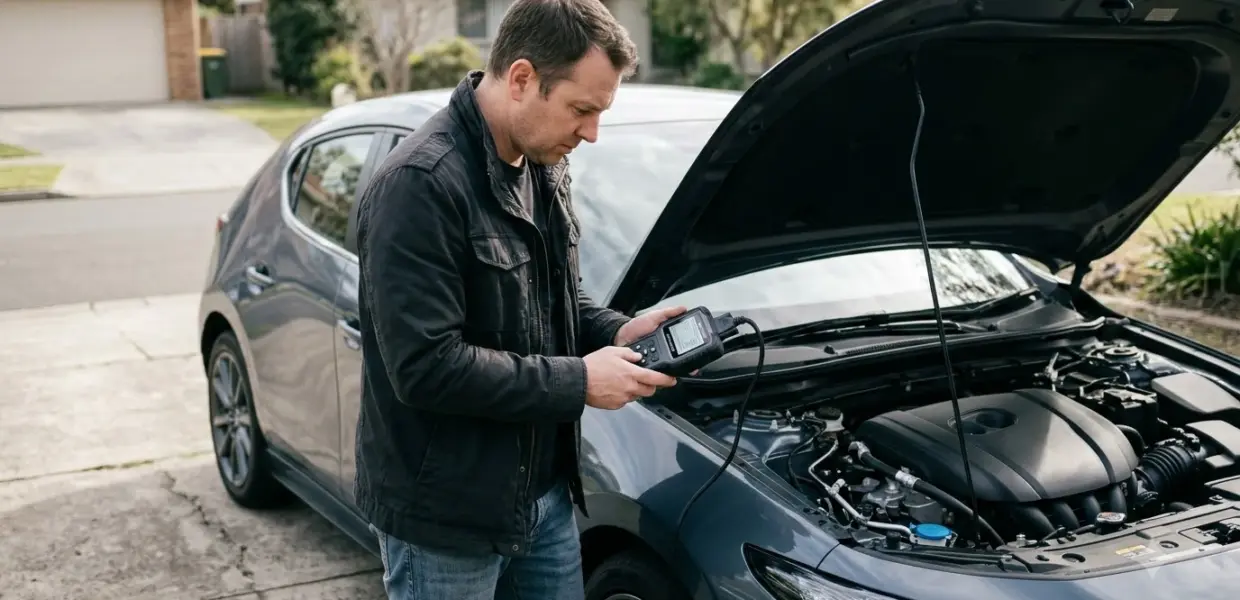

P0446 means the engine computer has found a fault in the evaporative emission (EVAP) vent control circuit. The check engine light is the usual warning, and the car often keeps running normally.
The cause is often simple, such as a loose gas cap, but the fix can also involve the vent valve, wiring or canister. Check the cap first, then diagnose the circuit before you buy parts.
What Does P0446 Mean?
P0446 is a generic code for a fault in the EVAP vent control circuit, the path that lets fresh air into the fuel vapor system. Samarins notes that the code does not point directly to one defective part.
The full standard name is Evaporative Emission Control System Vent Control Circuit Malfunction. KBB describes it as a problem with how the EVAP vent valve operates. Samarins adds that the fault can be an electrical problem or a restriction in the vent path, so the valve is not always the cause.

Common Causes of P0446
The most common causes of P0446 are a clogged or faulty vent control valve and wiring problems in the valve circuit, according to KBB.
- A clogged or faulty vent control valve, which KBB names as the most common cause
- Open, short or corroded wiring and connectors in the control circuit
- A loose or faulty gas cap, a damaged EVAP hose, or a bad charcoal canister
- A blocked vent hose or vent filter, including nests from insects and dust
- A stuck-open purge solenoid or a faulty EVAP pressure sensor, depending on the vehicle
- In less common cases, a fault in the powertrain control module, according to KBB
Dust and water can also reach the vent valve. The GM service bulletin 15-06-04-002 describes dust and water intrusion at the canister vent solenoid on 2011 to 2015 Silverado and Sierra trucks. Water that reaches the valve can corrode it and restrict airflow when the valve is closed.
Symptoms and How Serious P0446 Is
P0446 is rated low severity, and the car often keeps running normally, but KBB warns that the code should not be ignored.
The most common symptom is an illuminated check engine light. Some drivers also notice a fuel-like odor near the car, though Mechanic Base describes this as possible but less likely.
Ignoring the code can allow EVAP problems to damage other components, according to KBB. Mechanic Base adds that an emissions test could fail while the code is still stored.
Use the light to decide your next step. If it stays on after the simple checks below, book a diagnosis instead of waiting.
Check the Gas Cap First
A loose gas cap is the simplest cause to check, and the EPA says the dashboard light should go out within a few days after the cap is tightened. A cap left loose after refueling can light the dashboard on its own, as explained in how a loose gas cap triggers the check engine light.
An EPA on-board diagnostics fact sheet explains that the system can detect a vapor leak from a cap that is not fully tightened after refueling. It states: “If the gas cap is subsequently tightened, the dashboard light should be extinguished within a few days.”
- Tighten the gas cap fully and inspect its seal for cracks.
- Drive for a few days of normal use and watch the light.
- If the light stays on, read the stored codes again and move on to diagnosis.
A cap is also the cheapest repair. Mechanic Base lists a gas cap at $0 to $25 in its estimates, and it counts a loose or broken cap among the common P0446 causes. If the light points to a leak instead of the vent circuit, tiny EVAP leak diagnosis covers that related code.
How to Diagnose P0446 Step by Step
Diagnosis starts with the vent hose and vent valve for blockage, then moves to the wiring, and ends with a smoke test if no fault shows.
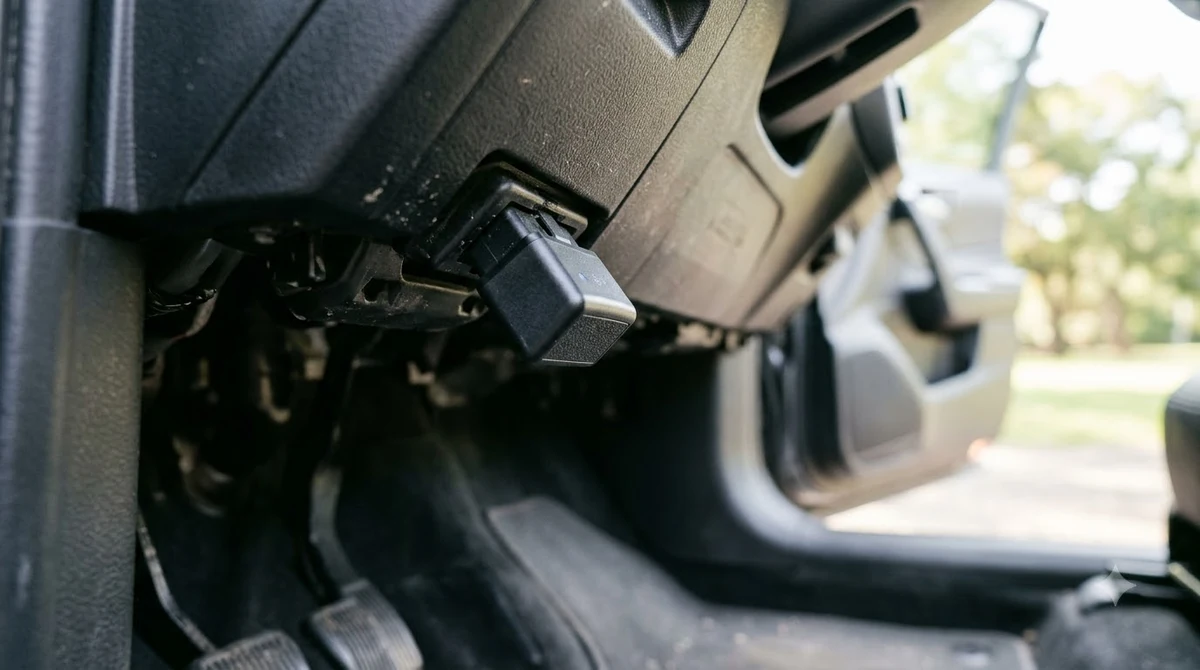
- Read any other stored codes first, since they can point to related EVAP faults.
- Inspect the vent hose and vent control valve for blockage, including nests and dust.
- Test the vent control valve. Samarins describes it as a solenoid that closes when voltage is applied.
- Check the wiring and connectors for opens, shorts and corrosion.
- Run a smoke test on the EVAP system. Mechanic Base describes pinching the vent tube and pressurizing the system with a smoke machine to find leaks.
- If the cause is still unclear, use a scan tool with an active EVAP test. Samarins recommends this capability.
The GM bulletin says a canister should be replaced only if it fails the leak test or has taken in excessive dirt, dust or water. Replacing parts before testing can add cost without fixing the fault.
Common Repairs and What They Cost
Typical P0446 repairs range from $0 for a gas cap to $650 for a fuel sending unit seal, according to Mechanic Base estimates, last updated October 18, 2026.
| Part | Typical cost range | What to know |
|---|---|---|
| Gas cap | $0 to $25 | Check and tighten it first |
| Vent control valve | $75 to $200 | Test it before replacing |
| Wiring or connectors | $50 to $550 | Cost depends on where the fault is |
| EVAP hoses | $100 to $350 | Look for cracks and punctures |
| Fuel filler neck | $150 to $450 | Relevant when the neck is cracked |
| Fuel sending unit seal or gasket | $175 to $650 | Repair is done at the fuel tank |
| Carbon canister | $150 to $600 | Replace only if the leak test fails |
These are approximate parts and labor ranges. Samarins says a canister replacement can run as high as $600 to $800 including diagnostic, so ask the shop to list the diagnostic fee on its own line.
Labor rates and the vehicle change the final bill, so treat these figures as a starting point rather than a quote. A general EVAP malfunction code is explained in the guide to the P0440 EVAP system malfunction.
When to See a Mechanic for P0446
See a shop when the light stays on after the cap and hose checks, because some causes need a scan tool with an active EVAP test.
The code does not point to a single part, so diagnosis matters more than the code alone. KBB recommends a qualified mechanic for diagnosis and repair, and notes that a leak check and vent valve check may be needed.
Some GM trucks have a documented fix. The GM bulletin covers P0446 on 2011 to 2015 Silverado and Sierra models. It says to replace the vent valve only after the service information confirms it is the cause, and it describes a revised valve with a remote pre-filter. Check whether your truck is listed before you follow that procedure. After any repair, clearing the check engine light correctly lets you confirm that the code stays off.
Frequently Asked Questions
Does clearing P0446 fix the problem?
No. Clearing the code only turns off the light for now, and the code returns if the fault is still present. Check the gas cap and vent hose before clearing it. If the light comes back within a few days of normal driving, the fault still needs diagnosis rather than a reset.
Can I drive with P0446?
In many cases the car keeps running normally, and the code is rated low severity. Mechanic Base says the car should continue running as normal in many cases. Still, repair it, because KBB warns that EVAP problems can damage other components and an emissions test can fail. Keep the gas cap tight in the meantime.
Will a gas cap fix P0446?
It can, if the cap is loose or damaged. The EPA says a cap that is not fully tightened can cause the light to come on, and the light should go out within a few days after it is tightened. If the light stays on, the fault is elsewhere and needs a scan and diagnosis. A new cap usually costs $0 to $25, according to Mechanic Base.
How much does P0446 cost to fix?
Mechanic Base estimates from $0 to $25 for a gas cap and up to $650 for a fuel sending unit seal or gasket. Common parts such as the vent valve fall between $75 and $200. Samarins says canister replacement can run as high as $600 to $800 including diagnostic. Ask for a quote that separates diagnosis from parts.
Is P0446 the same on every car?
No. P0446 is a generic code, but the exact wording and the likely fault vary by make and model. Samarins notes that the description varies between manufacturers and that the code does not point directly to a defective part. Check the service information for your vehicle before replacing parts.
If the light stays on after you tighten the gas cap, do not replace parts based on the code alone. Test the vent valve, hose and wiring first, since the code does not name one failed part. A shop can separate diagnosis from repair, which helps you decide whether the cost is worth it.