
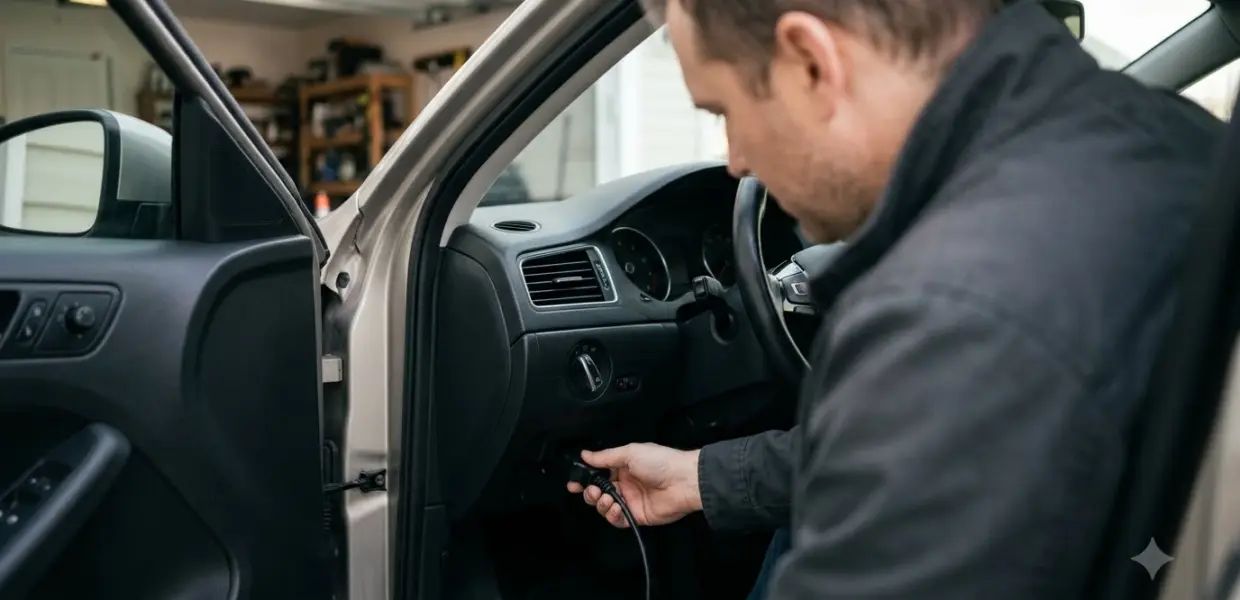

P0401 means your engine computer has detected insufficient exhaust gas recirculation (EGR) flow. The EGR system routes a measured amount of exhaust back into the intake, so the computer expects a certain flow whenever it opens the valve.
P0401 is one of the 20 most common OBD-II codes, but there is no single fix. Carbon, sensors, hoses and wiring can all set it, so find the cause before you replace anything.
Repair steps and test values differ by make, model and year. Follow the factory service information for your vehicle, and ask a certified mechanic if a test is unclear.
What the P0401 Code Means
P0401 is set when the engine computer’s feedback checks show too little exhaust gas recirculation flow. On most OBD-II systems, the fault must repeat on two consecutive trips before the code is stored and the check engine light comes on.
Most vehicles run a check that compares the flow the computer commands with the flow it measures, and the test fails when flow is less than the desired minimum. Each maker sets its own limits.
The code only reports the symptom of low flow. It does not name the failed part, so the root cause could be the valve, the passages, a sensor, a vacuum line or the wiring.
CarParts.com notes that there is no single fix for P0401, so a repair starts with diagnosis rather than parts.
Because the check compares commanded and measured flow, a plugged passage, a leak, a stuck valve or a sensor reading that does not match the commanded state can all produce the same code. That overlap is why a visual check comes before any purchase.
Common Causes of P0401
Clogged EGR passages and a valve that is stuck or faulty are the causes repair guides name first, followed by sensor, vacuum and wiring faults. Carbon deposits are one of the most common reasons EGR passages clog.

- Clogged EGR passages, often from carbon
- A faulty or stuck EGR valve
- A failed differential pressure or MAP sensor
- Weak vacuum supply or a faulty EGR solenoid
- Damaged wiring, connectors or loose connections
- A clogged EGR cooler or catalytic converter
- Computer problems, which are less common
The checks differ by make. The two sections below cover patterns that repair guides describe.
Ford DPFE Sensor and Hoses
Repair guides say the DPFE sensor signal should change when vacuum is applied to it. Its hoses should not be cracked, restricted or reversed, because hoses can be crossed during repairs, so check them before you replace the sensor.
Toyota Vacuum Switching Valve
Samarins lists a faulty EGR vacuum switching valve as a cause on Toyota vehicles. Samarins also cites a Toyota bulletin for some 2010 to 2012 Prius models that recommends replacing the EGR valve with an updated part when valve failure is confirmed.
Symptoms You May Notice
P0401 usually turns on the check engine light, and some vehicles show no other symptoms at all. The symptoms that appear depend on how much flow is lost and which part is at fault.
- Check engine light on
- Failed emissions or smog test
- Engine knock or ping during acceleration
- Rough idle, surging or stalling
- Lower fuel economy
Samarins describes possible surging, lack of power and poor fuel economy. If the defective valve is ignored, CarParts.com warns that unburned fuel can damage catalytic converters and oxygen sensors, which makes early diagnosis worth the time. If that damage has already happened, what converter replacement costs and O2 sensor replacement pricing show how much a delay can add. A light that stays off during a normal drive does not prove the fault is gone, so the stored code still needs a check.
How Serious Is a P0401 Code?
A P0401 code should be diagnosed soon, since the car can usually still be driven, but the risk grows if the problem is left alone. The right urgency depends on how the car runs and which symptoms show up.
CarParts.com says the severity depends on which components are affected. It advises scheduling an appointment with a mechanic right away and notes that you can still drive a car with a faulty EGR valve, although it is hardly worth the risk. The EPA’s consumer fact sheet on on-board diagnostics adds that the light signals a need for service, not a need to stop the vehicle.
Samarins does not give a severity level for this code, so treat it as a real fault rather than a minor warning. If the engine runs rough, stalls or loses power, limit driving and have a shop check the car before the next long trip.
How to Diagnose P0401 Step by Step
Start with a scan and a visual check of the EGR valve, hoses and connectors before you buy any part. Repair guides follow a similar order, and each test narrows the cause, so keep notes on every result.
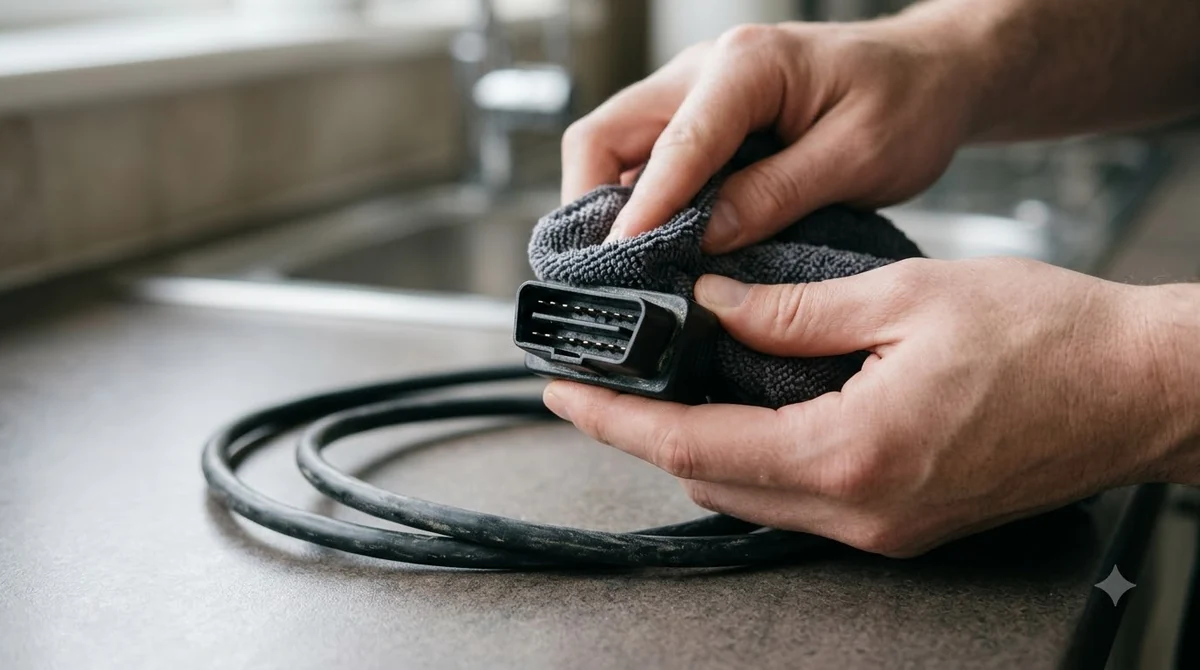
- Confirm the code with an OBD-II scanner and note any related codes.
- Inspect the EGR valve, vacuum hoses and electrical connectors for cracks, looseness or corrosion.
- Inspect and clean the EGR passages and the intake for carbon.
- Test the valve with a scan tool. On an electronic EGR valve, commanding it open at idle should make the engine stumble, run rough or stall. If nothing changes, the passages may be plugged or the valve may be stuck closed.
- Check the DPFE or MAP sensor. On Ford models, make sure the hoses are not cracked, restricted or reversed, and confirm the sensor signal changes when vacuum is applied.
Voltage and vacuum values differ by model year, so take them from the factory service information for your vehicle instead of a generic chart.
Record each reading with the engine state, such as idle or steady speed, so a shop can compare your results with the factory specification. Without that context, a single number tells you little.
Repair Options and What They Cost
A P0401 repair commonly costs $150 to $750 including parts and labor, according to CarParts.com. CarParts.com does not date this estimate, so treat the range as a general guide, not a quote for your car.
Many mechanics recommend cleaning the whole EGR system when carbon is present, according to Samarins. A valve can stick even after cleaning, so replacement is often needed as well. If a valve does need replacing, what an EGR valve replacement costs breaks down the parts, the labor and the cleaning option.
Repair steps depend on the vehicle. If the scan tool cannot command the valve, or the DPFE hoses are sound and the sensor signal still does not change, a shop with factory information can test the wiring and sensor circuit. Examples from repair guides include:
- Replacing the DPFE sensor on some Ford models, after checking the hoses
- Replacing the EGR vacuum switching valve on some Toyota models
- Replacing the EGR valve with an updated part on some Prius models when failure is confirmed
- Removing the intake manifold on some older Honda V6 models to clean the EGR port
Cost varies by make, model, year and labor rate. Use the range as a starting point, and ask for a written diagnosis before you approve a replacement part.
Bulletins and Federal Rules Behind EGR Monitoring
U.S. OBD rules for heavy-duty engines over 14,000 pounds require the system to detect EGR problems before flow drops below the manufacturer’s specified level. The federal heavy-duty OBD rule also covers high flow, including a leaking EGR valve, and slow response.
That rule text covers heavy-duty engines, so it does not set the exact test for a passenger car. It does explain why the computer watches EGR flow so closely and reports a drop.
A manufacturer bulletin shows how different the cause can be. Volkswagen bulletin 01-18-13, released November 1, 2021, covers the P0401 light on 2.0L TDI diesel Jetta, Golf and Beetle models from 2009 to 2014. It tells the technician to remove the EGR filter from the diesel particulate filter and wipe the inside of the exhaust pipe at the connection. If black soot comes off, the bulletin replaces the particulate filter and EGR filter together. If there is no soot, the bulletin does not apply and normal diagnosis continues. It covers those diesel engines only, so it does not apply to gasoline cars.
Frequently Asked Questions
Can I drive with a P0401 code?
You can usually still drive the car, but CarParts.com says it is hardly worth the risk. Book a diagnosis soon, and avoid long trips if the engine runs rough, stalls or loses power.
Does P0401 always mean the EGR valve is bad?
No. The code only reports low flow. Clogged passages, a faulty DPFE or MAP sensor, vacuum supply problems and wiring faults can all trigger it, so test the system before you replace the valve.
Will clearing the code fix P0401?
Clearing the code does not fix the cause. The computer stores the code only after the fault repeats on two consecutive trips, so if the restriction or fault is still present, the light is likely to return.
Can P0401 make a car fail an emissions test?
Yes. CarParts.com lists a failed emissions test among the symptoms. The EGR system helps control emissions, so a flow fault can push exhaust output past the test limits.
How much does a P0401 repair cost?
CarParts.com estimates total repair costs at $150 to $750, including labor and parts. The final price depends on make, model, year and local labor rates, so get a written estimate before you approve the work.
Is cleaning the EGR valve enough?
Sometimes. Samarins notes that a valve may stick even after cleaning, so cleaning alone may not be enough. Test the valve movement and the sensor after cleaning to confirm the fix.
Start with the hoses, passages and connectors before you buy a part. If the code returns after basic checks, a shop with factory service information can test the sensor, valve and wiring against the values for your vehicle. That approach avoids paying for a valve that was never the problem.
