


P2096 is a generic OBD-II code that means the post-catalyst fuel trim system is too lean on bank 1. The engine computer sets it when the oxygen sensor behind the catalytic converter reads too much oxygen in the exhaust.
The P2096 code is common, but its cause can range from a small exhaust leak to a fuel delivery problem or a failing sensor. Check the likely causes before you replace any part.
What P2096 Means
P2096 means the post-catalyst fuel trim is too lean on bank 1, according to Kelley Blue Book, which calls it one of the generic powertrain codes for the post-catalyst fuel trim system.
The engine computer sets the code when the air-fuel mixture downstream of the catalytic converter has too little fuel, which shows up as too much oxygen in the exhaust. Kelley Blue Book’s P2096 definition ties the code to the downstream oxygen sensor on bank 1.
That same source does not explain which side of the engine counts as bank 1. Look up your engine layout in the service manual before you start tests on one side of the engine.
Why the sensor behind the converter matters
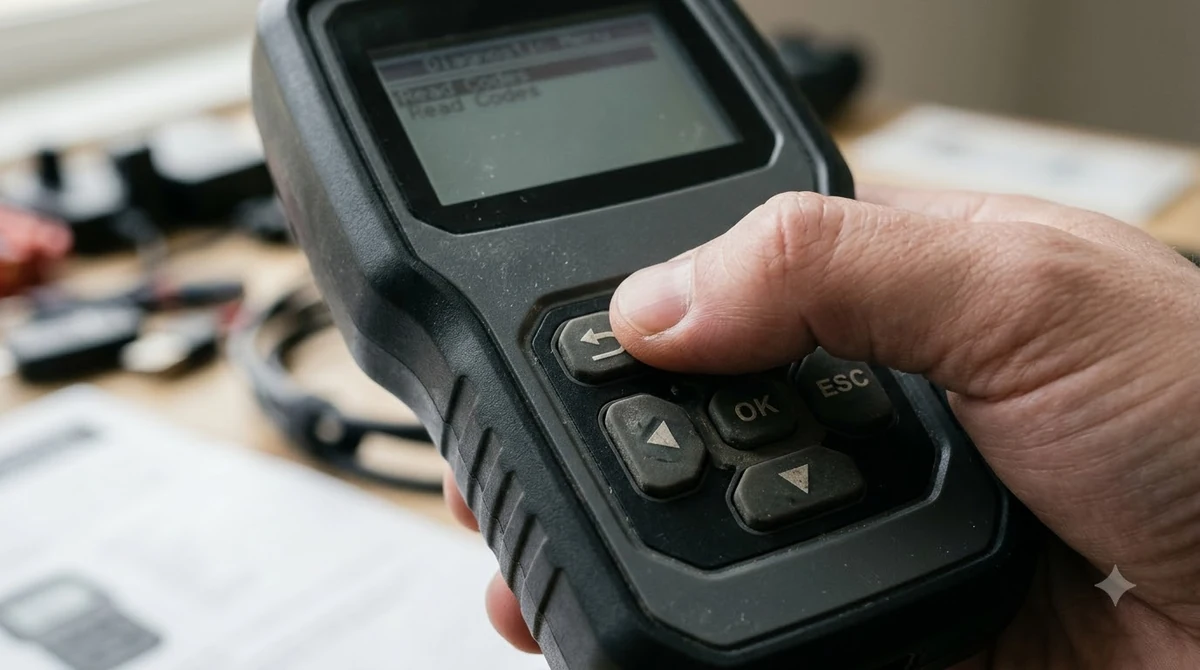
The downstream sensor sits after the catalytic converter, so it reports what leaves the converter. When that reading stays lean, the computer treats the fuel trim as out of range and stores P2096. That is why P2096 can point to the sensor itself, to the converter, or to air that enters the exhaust ahead of the sensor.
Common Causes Behind the Code
The most common P2096 causes are fuel delivery faults, vacuum or exhaust leaks, and a faulty downstream oxygen sensor or catalytic converter, according to Kelley Blue Book.
The same source lists several groups of causes. Several of them lean out the mixture in the same way, so a scan and a few simple checks help narrow the list. The opposite fault, a rich reading downstream of the converter, is covered in the P2097 post-catalyst fuel trim too rich guide.
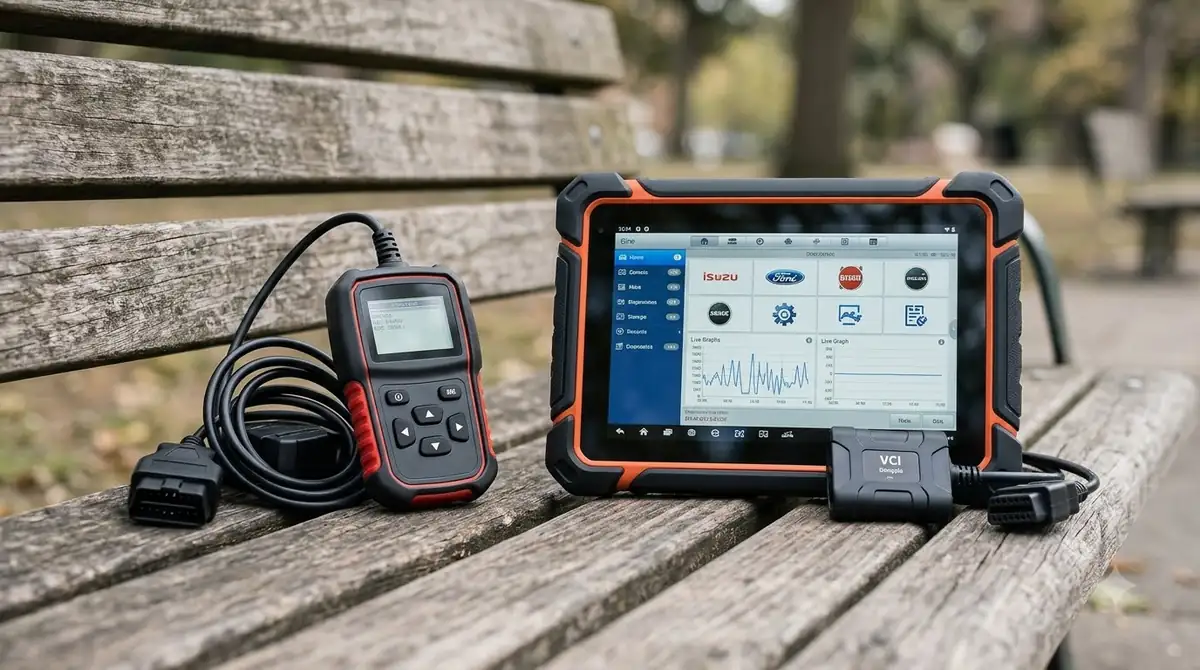
- Fuel delivery problems, such as clogged filters or injectors, a failing fuel pump, or a faulty fuel pressure regulator.
- Vacuum leaks or exhaust leaks, which let extra air into the system.
- A faulty catalytic converter or a faulty downstream oxygen sensor.
- Wiring or circuit problems between the sensor and the engine computer.
- A faulty mass airflow sensor, which can misreport the air entering the engine.
- A rare engine computer (PCM) fault.
For P2096, fuel delivery and air leaks are the causes to check first, because they are the most common explanations for a lean reading. Wiring and computer faults are less common and usually come up after the simpler causes have been ruled out. The upstream version of the same lean problem is covered in the system-too-lean code, which shares many of these causes.
How Serious Is P2096 and Can You Drive With It?
You may be able to drive with a P2096 code, but Kelley Blue Book advises avoiding driving while the code is active, and the two sources reviewed differ in tone on how serious it is.
Kelley Blue Book says “you may be able to physically drive your vehicle” with this code, but also “you should avoid driving when you know these codes are active.” The same page calls the P2096 through P2099 codes “quite serious.”
The U.S. Environmental Protection Agency describes the check engine light as a signal that service is needed, not an immediate stop. The EPA’s consumer FAQ on on-board diagnostics advises seeking service as soon as possible.
A steady light does not call for stopping on the road, but it does call for a diagnosis rather than waiting.
- A flashing check engine light, which the EPA links to a severe misfire. Reduce speed and get service right away.
- Rough idling or hesitation during acceleration, which Kelley Blue Book lists as possible symptoms.
- Misfires you can feel while driving.
- Fuel economy that drops noticeably from your normal numbers.
A severe misfire can seriously damage the catalytic converter, so a flashing light is the one case to treat as urgent.
How to Check the Code Step by Step
Start with exhaust and vacuum leaks when you check P2096, then read the bank 1 fuel trim data before you replace any sensor or converter. The order below keeps you from replacing a good part to fix a leak.
- Read the stored codes and the freeze frame data with a scan tool, so you know the conditions when the code was set.
- Check for exhaust leaks between the engine and the downstream sensor, including gaskets, cracks and loose fittings.
- Check hoses and intake connections for vacuum leaks.
- Compare the upstream and downstream fuel trim values on bank 1 with the engine warm.
- Test fuel pressure and inspect the filter and injectors if the mixture is lean across the board.
- Test the downstream sensor and its wiring only after the steps above.
Manufacturers document a similar order. Audi’s 2019 technical service bulletin, hosted by NHTSA, lists the code as P209600 on certain 2013 to 2018 models, and its guided fault finding starts with an exhaust leakage test.
| Check | What it can tell you |
|---|---|
| Stored and freeze frame data | The conditions present when the code was set |
| Exhaust leak test | Whether air enters the exhaust ahead of the rear sensor |
| Vacuum leak check | Whether unmetered air enters the intake |
| Upstream vs downstream fuel trim on bank 1 | Whether the computer is adding fuel to compensate for a lean rear reading |
| Fuel pressure test | Whether the pump, filter or regulator is delivering too little fuel |
| Downstream sensor test | Whether the sensor and its wiring read correctly |
Read the two fuel trim values together rather than one at a time, because the pattern between them points to different causes. Write down each reading with the engine temperature and the engine speed. Those notes make a second visit faster if the first test does not settle the cause.
Repair Options and the Sensor Replacement Question
For the Audi models named in its 2019 bulletin, the document says to replace only the post-catalyst oxygen sensor of the affected bank, not the front sensors.
The bulletin gives a specific cause for that case: the internal reference duct of the post-catalyst sensor had been contaminated. Its service step covers the bank listed in the fault memory, and it states that the sensors before the catalyst do not need replacement.
The bulletin’s warranty claim type covers up to 48 months or 50,000 miles. Outside any warranty, the document is informational only, so an owner should not read it as a repair promise.
Before any sensor is replaced, ask the shop for the test result, not only the part name, so you know whether the sensor was faulty or the lean reading came from somewhere else. Other makes and engines follow different procedures. Use the Audi bulletin as an example of the process, not as a repair guide for your vehicle. Confirm the procedure for your year, make and model before you buy parts. If a test does point to the sensor, what an O2 sensor swap costs varies by engine and shop.
Frequently Asked Questions
Does this code mean my catalytic converter has failed?
Not necessarily. Kelley Blue Book lists a faulty catalytic converter as one possible cause, next to fuel delivery problems, leaks and sensor faults. Fuel trim data and a leak check help separate them before you buy a converter. For the converter side of the question, see the catalyst efficiency code.
Can the code clear on its own?
The sources reviewed do not promise that. A code can stop showing after a repair or a clear, but if the lean condition is still present, the computer sets it again. Find the cause rather than waiting for the code to go away.
Does clearing the code fix the problem?
Clearing P2096 only turns off the light and erases the stored data. If the mixture is still lean, the computer sets the code again. Fix the cause first, then clear the code so you can confirm the repair worked.
How much does a repair cost?
None of the sources reviewed gives a reliable cost range for this code, so the price depends on the cause and the vehicle. Ask the shop for a written diagnosis before you agree to replace any part.
Is the code the same on every vehicle?
P2096 is generic, but the bank 1 layout and the repair steps depend on the make, engine and model year. Use your vehicle’s repair information to confirm which side of the engine is bank 1 before you test it.
Is this a lean code or a rich code?
P2096 is a lean code. It means the mixture behind the catalytic converter has too much oxygen, which points to too little fuel. Rich codes point the other way, toward too much fuel.
A P2096 code is not a reason to panic, but it is not one to ignore either. If the check engine light stays on, book a scan and a leak check, and keep the fuel trim readings with your repair records so the next shop can start where the last one stopped.
