


P0301 is the OBD-II code for a misfire in cylinder 1. The engine computer stores the code and turns on the check engine light when the misfire persists. This guide explains what the code means, the likely causes, and how to narrow them down.
The code names one cylinder, so you can test it more directly than a random misfire code. Whether you can keep driving depends mainly on whether the light is steady or blinking.
What the P0301 Code Means
The code means the engine computer has detected a misfire in cylinder 1, based on changes in crankshaft speed. Because only one cylinder is named, the problem is isolated to that cylinder rather than spread across the engine.
According to Samarins’ P0301 diagnostic page, the computer sets the code and turns on the check engine light once a misfire lasts for a set time. The P030X series covers cylinders 1 through 8, while P0300 means random misfires across several cylinders. See the random misfire code guide for the multi-cylinder case.
An Audi service bulletin for the 2013 RS5 lists the same cylinder codes, from P0301 through P0308. Because the code points to one cylinder, tests can focus on the ignition coil, spark plug and injector that serve that cylinder.
Common Causes of a Cylinder 1 Misfire
The most common causes are a failed ignition coil and worn or fouled spark plugs, according to Samarins. Other P0301 causes are less frequent but still worth checking, roughly in this order: If a coil is the culprit, what an ignition coil job costs lays out the typical price factors.
- Failed on-plug ignition coil, described as the most common cause on modern cars
- Worn, cracked or fouled spark plugs
- Faulty fuel injector serving cylinder 1
- Damaged coil wiring or cracked spark plug cables
- Vacuum leak, which affects the cylinder nearest the leak
- Carbon buildup on valves and injectors, especially in direct-injection engines
- Low compression or a leaking head gasket in that cylinder
A faulty engine computer and valvetrain problems are listed as less common causes. Volkswagen’s 2015 technical bulletin for 2008 to 2016 gasoline models adds that misfires are commonly linked to loose or damaged electrical connections, circuit grounds and poor fuel quality.
Treat the list as a starting point, not a verdict. The stored freeze-frame data, which records the conditions when the code was set, helps show whether the misfire is steady or sporadic and whether it happens at cold start. A cylinder misfire is one reason, and why the car shakes while stopped is explained in a separate guide.
When Replacing Parts Does Not Fix the Misfire
Replacing the coils and spark plugs does not always fix a cylinder misfire. According to Audi’s 2013 RS5 service bulletin, replacing the ignition coils and spark plugs does not fix that problem. Audi traced it to engine control module software and released an updated software version for the 4.2 FSI engine.
Dodge’s June 2023 bulletin 18-079-23 is a different case. It covers P0301 through P0304 on certain 2023 Hornet 2.0L turbo engines built between January 28 and March 9, 2023. The cause was a crack in a spark plug introduced during installation.
| Bulletin | Vehicles covered | Cause | Repair |
|---|---|---|---|
| Audi 2013 RS5 | 2013 RS5 with 4.2 FSI engine, VIN range 900000 to 999999 | Engine control module software | Software update |
| Dodge 18-079-23 | Certain 2023 Hornet 2.0L turbo builds | Cracked spark plug during installation | Replace the spark plugs |
Volkswagen’s bulletin makes the same point from the other side. Its workshop procedure warns that multiple components should not be replaced for one misfiring cylinder until the fault has been traced.
The pattern is clear. A bulletin applies only to the vehicles it names, so check your make, model, year and VIN before you buy parts. The same rule holds on larger engines, where a cylinder 6 misfire diagnosis follows the same swap-and-test logic.
How to Diagnose P0301 Step by Step
Diagnosing P0301 starts with inspection and a swap test, because a misfire that follows a part proves that part is faulty. Samarins recommends swapping ignition coils between cylinders and watching whether the misfire moves. The same method can reveal a bad fuel injector.

- Inspect the spark plugs and the ignition coil for arcing, cracks or fouling.
- Search for manufacturer service bulletins that match your exact make, model, year and VIN.
- Swap the cylinder 1 coil and spark plug with plugs from other cylinders, then retest. If the misfire moves, replace the part that followed it.
- If the misfire stays on cylinder 1, swap the fuel injector the same way, or have the injector checked for internal leakage.
- Check for vacuum leaks, then use a scan tool to review short- and long-term fuel trims for a lean mixture.
- If the misfire stays with cylinder 1 after the swaps, run a compression test, and check ignition timing and fuel pressure.
The Volkswagen bulletin lays out the same logic in its 2015 misfire diagnostic procedure. It says to check whether the misfire migrates after each part is swapped, and to run a compression test only when the swaps show the fault stays in one cylinder.
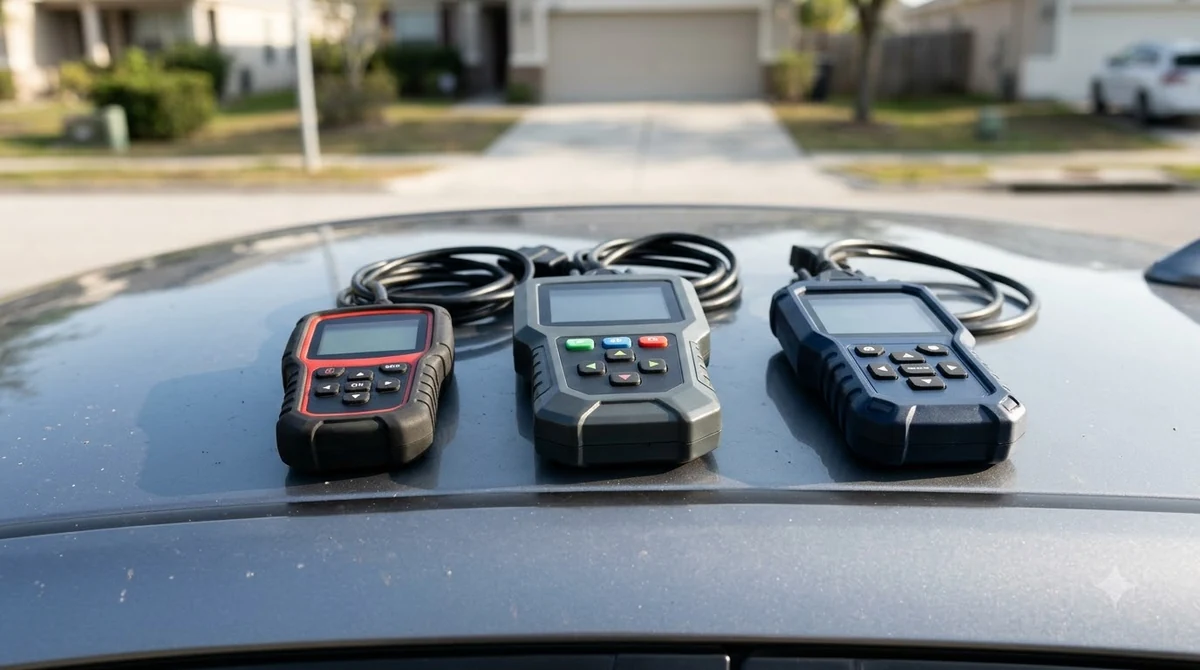
A scan tool with live data makes each test easier to judge. Note the result before and after each change, so you know which step made the difference.
Is It Safe to Drive With a Cylinder Misfire?
A blinking check engine light with P0301 means stop in a safe place, while a steady light still calls for prompt repair. According to Honda’s 2018 CR-V owner guide, a steady light may mean an emissions problem, so avoid high speeds and have the vehicle repaired immediately. When the light blinks, a misfire in the cylinders is detected, so stop and let the engine cool.
Samarins warns that a misfire can cause more damage, because unburned fuel can overheat and harm the catalytic converter. Some manufacturers advise against driving with a misfiring engine, while others recommend moderate driving and a prompt check. The owner’s manual for your vehicle has the final word.
Repair Costs and Getting an Estimate
The repair cost for P0301 depends on the cause, so no single price applies until the diagnosis is complete. A coil or spark plug job involves far less work than a compression repair or a head gasket job.
This guide does not list dollar amounts. Price guides online vary widely, and most do not show the date or the vehicle they cover. Ask the shop which test confirmed each part it wants to replace, and ask to see the old parts.
When to Stop Guessing and Call a Technician
Call a technician when P0301 returns after a coil or plug replacement, because the cause may sit in fuel delivery, valves or engine software. A code that comes back after the simple fixes points to a deeper problem.
Samarins lists vacuum leaks, carbon buildup, valvetrain faults and a faulty engine computer among causes that a coil or plug swap will not solve. A blinking light, or P0300 showing alongside a single-cylinder code, also justifies an in-person inspection, because multiple misfires point to a wider problem. Other single-cylinder codes work the same way, as the cylinder 4 misfire guide shows.
Frequently Asked Questions
Is P0300 the same as P0301?
No. P0300 means random or multiple cylinders are misfiring, while P0301 points to cylinder 1 alone. Samarins describes the P030X series as covering cylinders 1 through 8, which is why the single-cylinder code is useful for narrowing the search.
Do I need a scan tool to read P0301?
A basic code reader can display the code. Reviewing fuel trims, however, requires a scan tool that shows live data, as Samarins recommends when checking for vacuum leaks or a lean mixture.
Can low compression cause a cylinder 1 misfire?
Yes. Samarins lists low cylinder compression and a leaking head gasket among the causes of a misfire. A compression test confirms it, and it usually comes after the simpler checks have ruled out coils, plugs and injectors.
Why does the code come back after I clear it?
Clearing the code does not repair the misfire. If the cause remains, the engine computer sets the code again. Dodge’s 2023 Hornet bulletin says to clear all codes after the spark plug repair, so the repair comes first.
Are the fixes the same for every car?
No. Causes and bulletins depend on make, model, year and VIN range. Audi’s bulletin covered only one 2013 RS5 range, and Dodge’s covered certain 2023 Hornet builds, so a fix for one car may not apply to another.
Treat P0301 as a clue, not a verdict. Start with the cheapest visual checks, match each result to cylinder 1, and look up bulletins that cover your exact vehicle. If the misfire continues after basic repairs, have a technician test compression and fuel delivery before you buy more parts.
