

Parasitic battery drain is electrical current that keeps flowing from your battery after you switch the engine off. A small, steady draw is normal, but a draw above the factory limit can flatten a healthy battery over time.
The real question is how much current flows, not whether any flows at all. Limits differ by source, so the factory specification for your model should decide.
Battery and wiring work can cause sparks and short circuits. Follow the safety steps below and stop if you are unsure.
How Much Current Is Normal for a Parked Car
Normal parasitic draw is about 20 to 50 milliamps, according to Battery Tender, and anything above 50 milliamps deserves investigation.
The Battery Tender parasitic draw guide also calls anything above 100 milliamps definitively abnormal. Subaru sets a stricter ceiling in its service bulletin 07-85-14: a maximum allowable average dark current of 70 milliamps. Dark current is the same measurement as parasitic battery draw, but the sources set different limits. A 60 milliamp reading can be acceptable on one model and a fault on another.
| Source | Figure | What it means |
|---|---|---|
| Battery Tender | 20 to 50 mA typical | Above 50 mA warrants investigation; above 100 mA is abnormal |
| Subaru service bulletin 07-85-14 | 70 mA maximum average | Limit for the average dark current measured in Subaru’s test |
| Identifix | Any single component above 1 A | Can drain a battery in a few days or less |
When you have the factory service information for your vehicle, use its figure over any general parasitic battery drain number in the table.
How to Measure Parasitic Battery Drain With an Ammeter
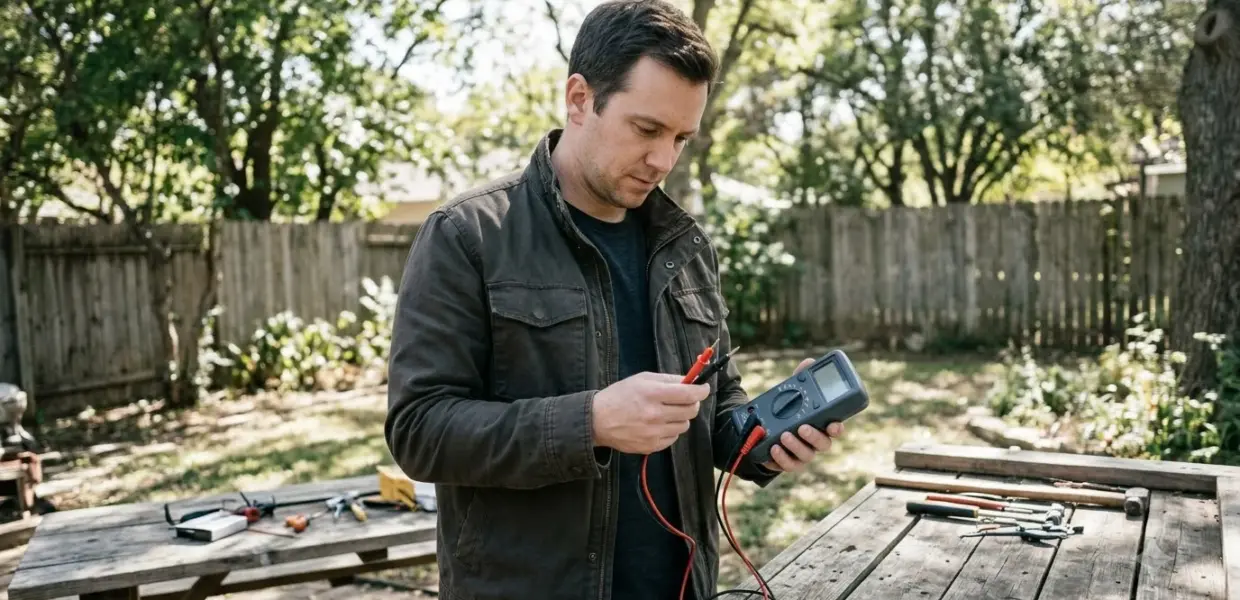
Measure parasitic battery drain by putting a multimeter in DC amp mode in series with the negative battery cable, then reading the current after the modules fall asleep.
Start with a fully charged battery, since a parasitic battery drain test is only as good as the battery behind it. Subaru’s procedure says a weak battery gives inaccurate results, so charge it fully or replace it before you test. Clean the posts and cable ends, because corrosion also affects the reading.
- Close every door, or use a door switch clip, and confirm the interior lights go off.
- Disconnect or remove aftermarket electrical accessories. Battery Tender calls improperly installed add-ons the leading cause of excess draw.
- Set the multimeter to DC amperes, starting on the 10 A or 20 A range, and move the red lead to the amp socket.
- Loosen the negative cable and connect the meter in series between the cable end and the negative battery post, so the circuit never opens while the battery is live.
- Wait for the modules to sleep, then read the value after the reading stops changing.
- Never start the vehicle during the test, because Battery Tender says that blows the meter fuse.
Sleep time is the sticking point in any parasitic battery drain test. Battery Tender suggests 20 to 30 minutes, or 30 to 45 minutes on some vehicles. Subaru allows five minutes for the car to sleep, then a 20 minute test window, or a wait of about five hours. On push-start cars, keep the smart key at least 10 feet away, or it can keep modules awake. The full Subaru procedure, including its switch settings, is in Subaru service bulletin 07-85-14.
Pull Fuses to Find the Circuit Draining Power
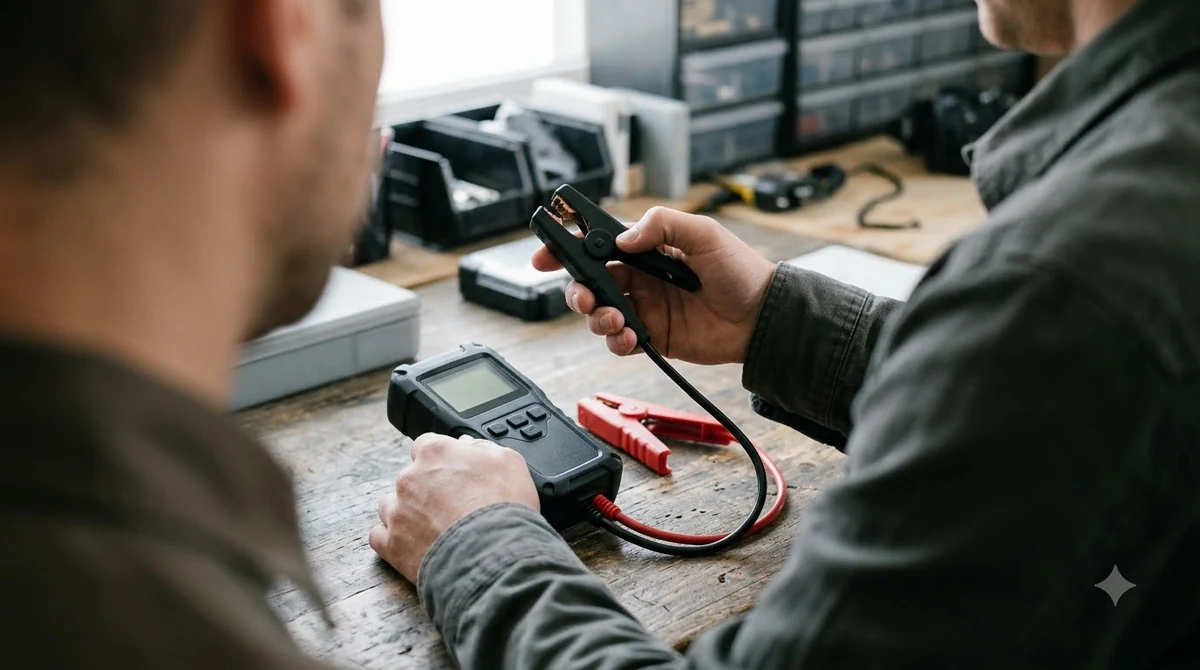
If the reading is above the limit, pull fuses one at a time and watch the meter for a drop that points to the responsible circuit.
Pulling fuses works because removing the fuse for a faulty circuit drops the reading on the meter. Match each fuse to its circuit with the fuse diagram in your owner’s manual or on the fuse box cover. Once a circuit is identified, normal electrical diagnosis of that circuit should find the source.
A fuse that causes a drop during a parasitic battery drain check is a lead, not a verdict. The circuit may hold a faulty switch, relay or wire, and each one needs its own check. After any repair, run the test again to confirm the reading is under the limit.
Expect some resets during a parasitic battery drain check. Record radio presets and navigation favorites first, because Subaru notes they are lost during the test. The same bulletin warns against using an aftermarket 9-volt memory device in the power outlet to keep ECU memory.
Leave airbag, brake and steering fuses alone unless your service manual tells you to pull them, and always replace a fuse with one of the same amp rating.
Common Culprits Behind a Parasitic Battery Drain
Battery Tender names improperly installed aftermarket accessories as the leading cause of excess draw in modern vehicles.
Most parasitic battery drain cases come from a short list of causes. Check the quick ones first, such as lights and chargers, before you move on to modules and wiring.
- Improperly installed aftermarket accessories, such as alarms and stereos. Identifix lists an alarm or stereo installed wrong among its causes.
- Control modules that stay awake. Battery Tender says a module stuck in active mode can draw 100 to 300 milliamps by itself.
- Interior, trunk and under-hood lights left on, which typically draw 1 to 3 amps.
- USB chargers, tire inflators and other devices left plugged into 12-volt outlets.
- Failing relays, corroded connections or worn wiring, all listed by Identifix among its causes.
- A battery with an internal short, or alternator diodes that let current flow backward with the engine off.
Check for lights and plugged-in chargers first when you suspect a parasitic battery drain, since they take the least time to rule out. Then move to the modules and wiring, where the meter and fuse pulls matter most.

Parasitic Battery Drain Test or Battery Test: Which Comes First
A battery load test checks whether the battery can still deliver power, while a parasitic draw test checks current leaking out with the car off.
Test the battery first, using a multimeter battery test, when it is weak, old or slow to start. A poor battery can throw off a draw reading, so a fully charged, healthy battery is the starting point for either test.
| Question | Draw test | Load test |
|---|---|---|
| What it measures | Current drawn with the engine and accessories off | Whether the battery can deliver current under load |
| Tool | Multimeter in DC amp mode, connected in series | Battery tester or load tester |
| Best use | Battery dies again after a full charge while parked | Battery is old, weak or slow to start |
| Prep step | Charge the battery fully first | Confirm the battery’s charge state |
If the battery passes a load test but still dies overnight, a parasitic battery drain test is the next step. A dashboard warning is a different clue, covered in battery light on causes.
When to Stop and Call a Technician
Call a technician if the draw stays above the limit after fuse pulls, or if the drain traces to airbag, brake or steering circuits.
Identifix notes that any component drawing more than 1 amp can drain a battery in a few days or less. A draw that large is a fault, not a habit, and it deserves a shop with a scan tool and wiring diagrams.
Stop and call a professional if the fuse pulls point to airbag, brake or steering circuits, or if you cannot read the meter safely. Those systems have their own procedures, and a mistake can disable a safety system. Keep your readings and the fuse positions you pulled, so the technician starts from facts.
This advice does not cover hybrid or electric vehicles, which use a separate high-voltage system with its own service rules.
Frequently Asked Questions
Is 50 milliamps too much for a parasitic battery drain?
The limit for a parasitic battery drain depends on the source. Battery Tender says above 50 milliamps warrants investigation, while Subaru’s bulletin sets its maximum average at 70 milliamps. Check the factory service information for your model and compare against a similar vehicle when possible.
How fast can a drain kill my battery?
A component drawing more than 1 amp can drain a battery in a few days or less, according to Identifix. Smaller parasitic battery drains take longer, so the timeline depends on the current and the battery’s health. If the battery is already damaged, compare battery replacement costs before you buy. Measuring the current gives you a number to compare against the limit instead of guessing.
Can a bad alternator cause a parasitic battery drain?
Yes. Battery Tender lists alternator diodes that let current flow backward when the engine is off. Test the alternator and charging system when the draw test points there, rather than replacing parts on guesswork.
Will disconnecting the battery to test for drain reset my car?
Some settings reset. Subaru’s bulletin says radio presets and navigation favorites are lost during the test, so record them first. Do not use an aftermarket 9-volt memory device in the power outlet to keep ECU memory, according to the same bulletin.
Can I use a regular multimeter for a draw test?
Yes, if it has a DC amp setting and an amp socket. Battery Tender suggests the 10 A or 20 A range to start, and warns that starting the car during the test can blow the meter fuse. Use a meter rated for the current you expect.
Compare every parasitic battery drain reading to the factory limit before you replace any part, so you fix the circuit that is actually drawing current. If the draw stays high after the fuse pulls, bring your readings to a shop, because they give the technician a clear starting point.
