
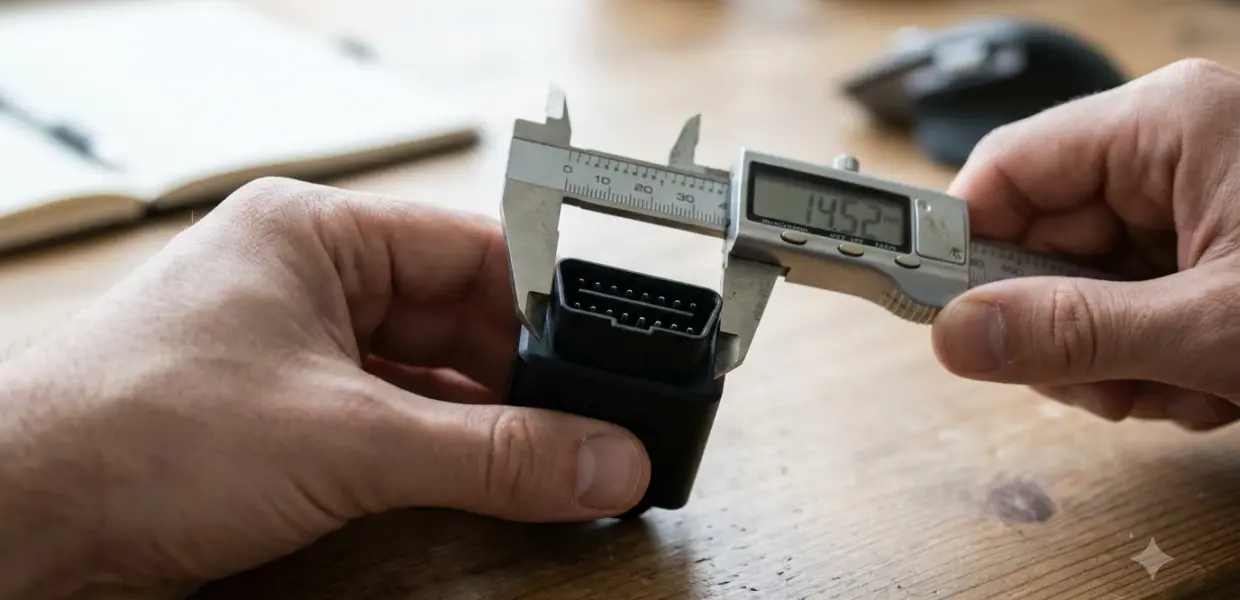

P0403 is a generic OBD-II code that means the engine computer found an electrical fault in the EGR control circuit. The EGR valve controls how much exhaust gas re-enters the engine, so this code points to the control side of that system.
The code does not prove the valve is dead. It says the valve is not responding to the computer’s commands, and the fault can sit in the valve, its wiring or its connector.
This guide is general information. Procedures differ by make, model and year, so follow the service information for your vehicle.
What P0403 Means on Your Dashboard
P0403 means the powertrain control module (PCM) detected an electrical fault in the EGR control circuit, and the check engine light comes on.
NHTSA's January 2022 FCA bulletin describes the code as EGR Control Circuit Open, Set, with the malfunction indicator lamp illuminated. The word open means the computer reads a broken circuit.
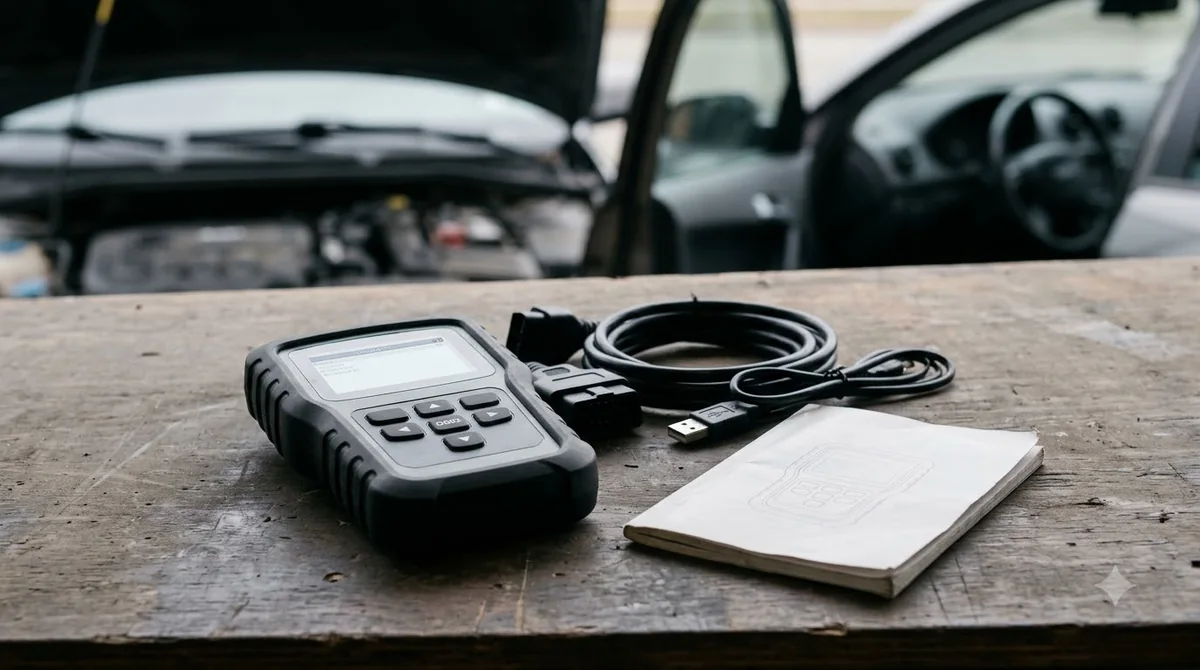
Other electrical problems can set the same code, including a shorted solenoid and damaged wiring, so the code alone does not name the failed part. A code library describes the fault as the valve not responding to the computer’s commands, which is why a scan tool with live position feedback is the most useful tool for this job. A basic code reader shows the code, but it cannot show whether the valve actually moves when it is told to.
Symptoms That Usually Come With P0403
The check engine light is the main sign, and drivability changes such as rough idle or hesitation may follow. A code library page lists these signs most often:
- Check engine light on
- Rough idle
- Hesitation when accelerating
- Slight loss of power
- Light pinging or knocking under light load
- Higher NOx emissions
According to the same page, the car will not pass an emissions test until the EGR monitor completes with no pending code. Because rough idle, hesitation and a slight power loss also appear with many other engine faults, these signs alone cannot confirm P0403, and a scan tool reading is what confirms it.
Common Causes of P0403
The three main causes are a failed solenoid, damaged wiring or a corroded connector, and a valve clogged with carbon. Start with the connector, because it is the cheapest suspect to inspect. A carbon-clogged valve can stick open or closed, which is why the fixes list includes cleaning carbon from the EGR passages after the electrical checks pass.
- A solenoid with an open or shorted internal coil that does not move when the computer commands it.
- Damaged wiring or a corroded connector between the valve and the computer.
- Carbon buildup that holds the valve stuck open or closed, so its position feedback does not match the command.
Loose, damaged or pushed-out connector pins are the first thing the FCA US bulletin asks technicians to inspect when P0403 is the only active one.
How to Diagnose P0403 Step by Step
Check the connector and wiring first, then test the valve, and replace parts only after the circuit checks fail.
- Repair other codes first. If the code is stored with other PCM codes or drivability symptoms, the bulletin says to diagnose those before this code.
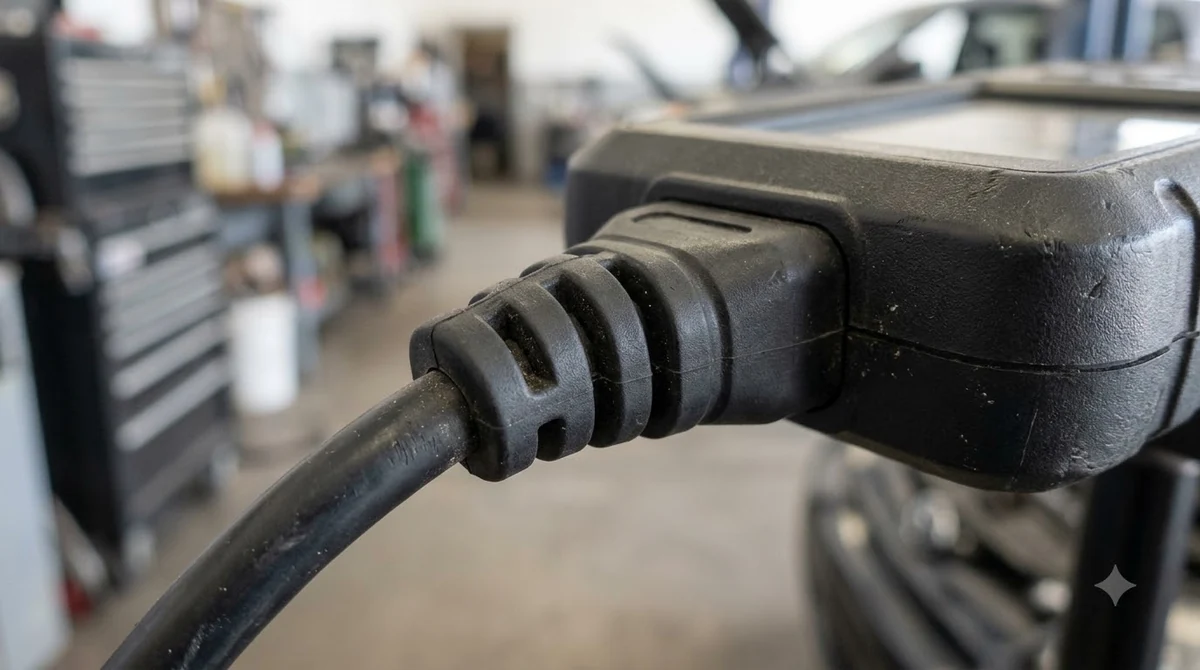
- Inspect the connector. Look for loose, damaged or pushed-out pins at the EGR valve and along the harness.
- Clear and retest. If the code is stored and is the only one, clear it, let the vehicle sit overnight, start it, and see whether the code returns.
- Command the valve. With a scan tool, command the EGR valve open and closed and watch its position feedback in live data.
- Check power and ground. Test the valve connector for power and ground with a multimeter, as shown in our guide to using a digital multimeter.
- Replace the valve only if its solenoid tests open or shorted, then clean carbon from the EGR passages.
If the valve passes these checks, the wiring between the valve and the computer is the next place to look.
Write down which codes are active and which are stored, and whether P0403 returned after the overnight retest. Those notes tell a shop which scenario applies to your car and whether the sweep routine described below is worth running before any part is ordered.
Why Replacing the EGR Valve First Can Waste Money
FCA US bulletins report EGR valves replaced for this code that tested with no fault, so confirm the circuit before buying a valve. One bulletin says the returned parts were all no trouble found (NTF), and it adds that the P0403 code may have been stored when the vehicle arrived, while other active codes unrelated to the EGR valve were present at the time of repair. That is why the first step is to read every stored and active code, not only P0403. A later NHTSA bulletin from March 2022 explains that brushes in a new EGR valve motor may not be fully seated, which can set the code falsely on lower-mileage vehicles.
The bulletin says this is not an internal defect in the valve, and the brushes set in as the valve operates, which lowers the internal resistance. Its sweep routine is meant for a vehicle that has the code stored but does not reset it after a retest. It uses wiTECH, FCA's diagnostic tool, under the PCM Actuators tab:
- Turn the ignition on with the engine off.
- In wiTECH, open the PCM Actuators tab and start the EGR DC Motor Solenoid Valve/Recirculation Valve routine.
- Select 100 percent, click Start, wait 2 to 5 seconds, then click Stop. Repeat for a total of five times.
- Perform the same sequence for 0, 20, 40, 60 and 80 percent.
This routine is specific to FCA US vehicles. The text we read does not list model years, so check the bulletin vehicle list before you follow it.
The March 2022 bulletin sorts the repair into three scenarios. If P0403 is stored along with other active PCM codes or drivability symptoms, repair those first, then clear all codes, turn the ignition off for at least 5 minutes and restart. If P0403 is the only code and it is active, inspect every connection for loose, damaged or pushed-out pins. If it is the only code but stored, clear it, let the vehicle sit overnight and restart. In the first and third scenarios, a code that does not return calls for the sweep routine, while a code that does return means normal published diagnostics.
Both documents are FCA US case records, not repair orders. They state that they do not authorize warranty repairs and that they record past experiences rather than conclusions about what is wrong with a vehicle. The technician remains responsible for the course of action, so a driver should use them to ask better questions, not to skip a diagnosis.
P0403 Compared With P0401
P0403 points to the control circuit, while P0401 insufficient EGR flow points to too little EGR flow, so the first checks differ. The P0400 EGR flow code is another flow-side code, so read the exact code before choosing a repair.
| Code | What it points to | Where to start |
|---|---|---|
| P0403 | Electrical fault in the EGR control circuit | Connector, wiring, valve power and ground |
| P0401 | EGR flow lower than the computer expects | Whether the valve moves and whether flow is restricted |
Whichever code you have, the first checks are different, so do not borrow a repair from another EGR code. A stuck intake manifold runner is a separate fault, explained in the P2004 code guide.
Frequently Asked Questions
Can I keep driving with P0403?
The code itself does not say the engine must stop. Rough idle, hesitation and reduced power are listed symptoms, so keep trips short and check the circuit soon. The sources reviewed give no safe mileage or time limit, so do not treat a short drive as a reason to delay the diagnosis.
Does P0403 always mean a bad EGR valve?
No. FCA US bulletins describe EGR valves replaced for this code that showed no fault. Wiring, connectors and the solenoid are all listed causes, so check them before ordering a valve.
Will clearing the code fix P0403?
Clearing the code, as covered in our guide to how to reset a check engine light, only erases the stored record. If the circuit fault is still present, the code and the check engine light return. Retest after each repair to confirm.
Can a loose connector cause this code?
Yes. Damaged wiring and a corroded connector are listed causes, and the bulletin asks technicians to inspect for loose, damaged or pushed-out pins when P0403 is the only active one.
Do I need a scan tool to check this code?
A basic code reader can read and clear the code. Commanding the valve and watching its position feedback needs a scan tool with live EGR data, which the steps above rely on.
Treat P0403 as a circuit diagnosis, not a parts order, and see EGR valve replacement cost only if a valve replacement is confirmed. Work through the connector, the overnight retest and the valve test before you spend money on an EGR valve, and rerun the code check after each repair.
