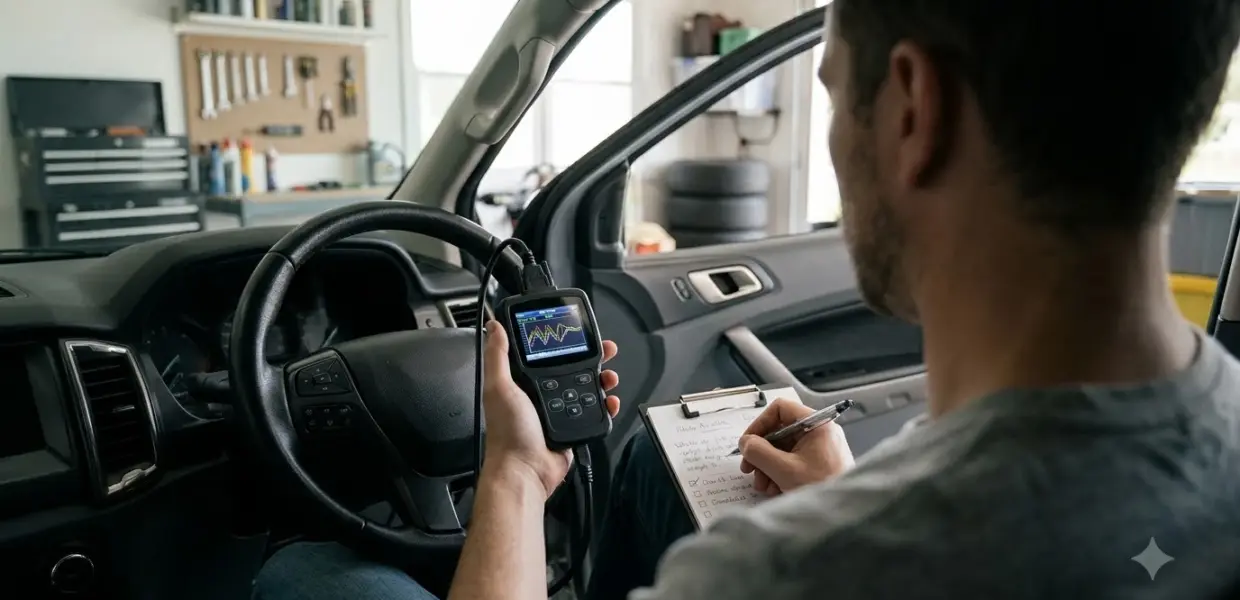

Speedometer not working problems usually point to a fault in the vehicle speed sensor circuit. The sensor reports speed to the engine computer, so a broken signal can stop the gauge or make it jump. Check the basics before you buy any part.
Causes of speedometer not working faults range from a failed sensor to a damaged drive gear or a loose connector. Read the trouble codes first, because a code narrows the search faster than guessing.
Speed signal faults can also affect ABS and traction control, so have a certified technician confirm the cause.
What the Vehicle Speed Sensor Does
The vehicle speed sensor (VSS) sends a speed signal to the powertrain control module, which uses it for the gauge, shifting and stability systems.
The engine computer, also called the PCM, reads that signal to judge how fast the car is moving. KBB’s P0501 guide describes the VSS as the input that tells the PCM how fast the vehicle is moving. When speedometer not working symptoms begin, check the signal path first, because the same data also reaches the transmission and braking electronics.
The gauge itself is part of the check too. KBB’s P0501 guide lists a defective VSS or speedometer as a possible cause, so a fault can sit in the instrument as well as in the sensor. Start with the code, because it tells you which part of the signal path the engine computer has flagged.
Speedometer Not Working: Common Causes
A faulty or broken VSS is one common reason for speedometer not working complaints, and wiring, connectors, drive gears and module faults are also listed. KBB’s P0500 guide names a faulty or broken speed sensor as one common cause of the code. The same guide lists problems with the PCM or other modules, wiring or connector issues, a damaged VSS drive gear and broken reluctor wheels. A single code can have several causes, so treat this list as a checklist, not a diagnosis.
KBB’s P0501 guide also notes that the code can appear when the VSS wiring or connector is not completed effectively. A plug that is not fully seated, or a connector pushed out of its latch, can therefore cause the same gauge fault as a dead sensor. Look at the connector before you read it as a parts failure.
Sensor and Wiring Faults
A failed VSS may send no signal or a wrong one, and either fault gives the same gauge symptom. Wiring and connectors near the sensor can also fail, and a loose or corroded connector can produce the same result. Check these before you replace the sensor. Wiring faults are usually easier to confirm than a sensor fault, since a visual look and a continuity check with a multimeter, using the pin layout in the service manual, can rule them in or out.
Drive Gear and Reluctor Wheel
The VSS reads a toothed drive gear or reluctor wheel that turns with the drivetrain. KBB lists a damaged drive gear and broken reluctor wheels as causes, so a sensor that tests fine can still give no reading. KBB also calls ECM or CAN bus defects very uncommon for P0501, so check the sensor, wiring and gear first. A related transmission code, the P0720 code, covers the output speed sensor circuit.
Warning Signs That Come With It
A speedometer not working often comes with a check engine light, erratic shifting or a gauge that jumps around. KBB’s P0501 guide says the speedometer may jump up and down randomly, and that the check engine light generally comes on. Other symptoms depend on the cause of the speedometer not working fault.
The direction of the shift problem depends on the signal. KBB says the transmission may shift too fast or too slow, depending on whether the VSS signal is too high or too low. Note what the car does when the gauge misbehaves, such as a jump at a steady speed or a harsh shift, because that pattern helps the technician narrow the cause. Erratic shifting can look like transmission slipping, so tell the shop about both symptoms.
- A gauge that jumps, drops to zero or stays at one reading
- A check engine light
- Erratic or harsh gear shifting
- Lower engine power
- ABS or traction control that acts erratically or does not engage when it should
P0500 and P0501: Which Code Means What
P0500 means the VSS signal is missing or inaccurate, while P0501 means the signal is out of range or not what the engine computer expects.
| Code | Meaning | Listed causes | Main symptom |
|---|---|---|---|
| P0500 | Vehicle speed sensor malfunction | Faulty VSS, wiring or connector, drive gear, reluctor wheel, module issues | Speedometer may malfunction |
| P0501 | VSS “A” range or performance | Defective VSS or speedometer, wiring or connector | Gauge jumps up and down, transmission shifts too fast or too slow |
Both the P0500 code and P0501 point to the speed signal path behind speedometer not working complaints, so start with the sensor, wiring and drive gear. KBB says P0501 indicates a serious problem that should be fixed as soon as possible.
KBB describes the P0501 codes as incredibly serious. The guide cites the risk of legal action from driving at the wrong speed, and says the codes can cause issues with the transmission. It adds that you can technically still drive, but that driving with these codes regularly is not a good idea. Those points are a good reason to book the repair instead of waiting for the gauge to recover on its own.
How to Diagnose a Speedometer Not Working Problem
Work through the checks in this order when speedometer not working symptoms appear. Skipping ahead is how most people end up buying a sensor the car does not need.
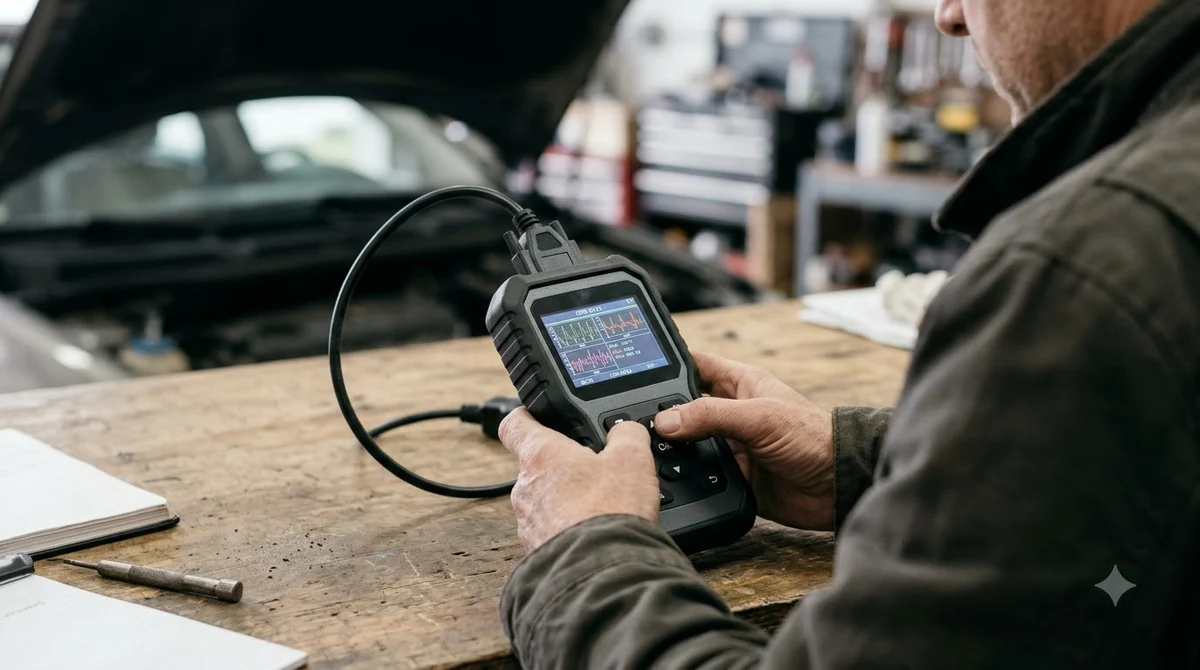
- Read the trouble codes with an OBD-II scanner and note whether it shows P0500 or P0501.
- Check the instrument cluster fuse in the owner’s manual, since fuse layouts vary by model.
- Inspect the VSS wiring and connector for damage, loose pins or corrosion.
- Look at the drive gear or reluctor wheel if you can reach it safely, and check for missing teeth or damage.
- Ask a technician to test the sensor signal with a scan tool or meter, following the service manual.
Replace the sensor only after the wiring and drive gear check out, because KBB notes that the same code can come from several causes.
Before the visit, write down when the gauge fails, such as at cold start, at highway speed, after rain or over bumps. A technician can match that pattern to the sensor, wiring or gear. If you lift a wheel to reach the drive gear, support the car on jack stands, never on a jack alone.
Is It Safe to Keep Driving?
A speedometer not working does not always stop the car, but the speed signal also feeds ABS and traction control, so the repair should not wait long. Cruise control can fail for the same reason, which our cruise control not working guide covers.
KBB’s P0500 guide says ABS and traction control may get disabled, act erratically or fail to engage when they should. If an ABS warning appears, the ABS module replacement cost guide shows what a related repair can involve. For that reason, treat a speed signal fault as a repair to book soon, not a cosmetic issue.

Because the gauge may be wrong, check your speed against posted limits by other means and drive with extra care. Leave brake and wheel component work to a qualified technician.
Until the cause is found, keep trips short and avoid long highway runs where a wrong speed reading is hardest to notice. These steps reduce risk while the repair is booked, but they do not replace the diagnosis.
Frequently Asked Questions
Can the speedometer fail while the rest of the cluster works?
Yes. A speedometer not working fault in the VSS circuit can affect only the speed reading. Scan for codes first, because a dead cluster needs a different diagnosis from a sensor or wiring fault.
Does a blown fuse cause a speedometer not working problem?
It can. Check the instrument cluster fuse in the owner’s manual, since fuse layout varies by model. Replacing a blown fuse only helps if you also find why it blew, so check the circuit before you replace it again.
Will the check engine light always come on?
No. For speedometer not working cases, KBB says the check engine light generally comes on with P0501, but the light depends on the fault. A scan tool can show a stored code even when the light is off, so scan the car before you assume nothing is wrong.
Can I clear the code and keep driving?
Clearing the code only removes the stored record. If the VSS, wiring or drive gear is still faulty, the code and the speedometer not working symptom return. Get the cause checked first.
Do I need a scan tool to check it?
A basic OBD-II code reader can show the P0500 or P0501 code behind speedometer not working symptoms. Testing the sensor signal itself usually needs a technician with a scan tool that shows live data, working from the service manual.
What does P0501 mean in plain terms?
P0501 means the vehicle speed sensor signal is out of range or not what the engine computer expects. KBB lists a defective VSS or speedometer, or wiring that is not completed effectively, as possible causes. It should be checked soon.
Is a speedometer not working problem a safety issue?
It can be. KBB’s P0500 guide notes that ABS and traction control may be disabled or act erratically when speed data is wrong. Treat the gauge fault as a safety repair, and keep your speed within posted limits until a technician confirms the cause.
If speedometer not working symptoms stay after a code scan and a fuse check, book a technician soon, especially when ABS or traction warnings appear.