

Learning how to reset check engine light safely means reading the stored code, fixing the fault, and only then clearing it. Clearing the light without a repair turns it off but leaves the cause in place.
A scan tool is the cleanest way to clear codes, and a battery disconnect is the rougher alternative. If the light stays on or returns, the repair is not finished.
This is general information, not a repair plan for your vehicle. Emissions rules vary by state, so check your local inspection program and a qualified technician for any safety-related fault.
Why the Check Engine Light Is On
The check engine light tells you the car’s computer has detected a problem and that service is needed. It is not a signal to stop the vehicle at once, according to the U.S. EPA. Knowing how to reset check engine light starts with knowing what the light is reporting. Some cars label the lamp differently, as service engine soon wording by brand points out. Model-specific examples are in Hyundai Elantra warning light causes.
The light is part of the on-board diagnostic (OBD) system. When the system finds a problem, it stores a Diagnostic Trouble Code (DTC) in computer memory, and the code identifies the problem. According to the EPA’s on-board diagnostics FAQ, the light is meant to inform the driver of the need for service, not the need to stop the vehicle.
Read the Trouble Code Before You Reset
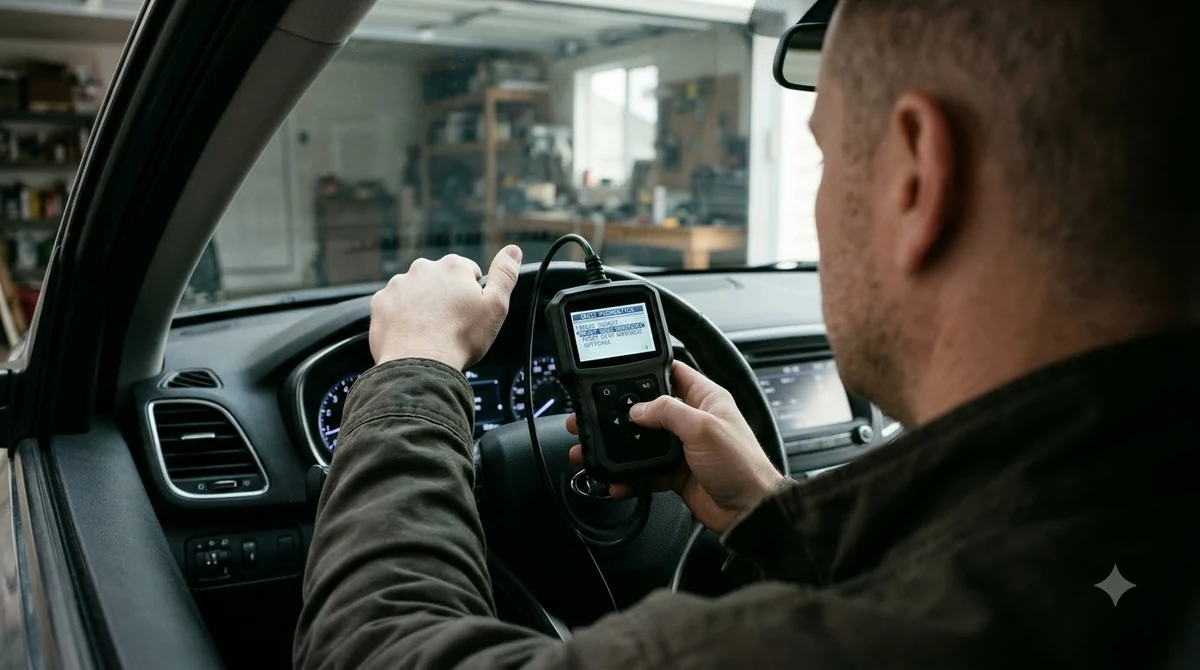
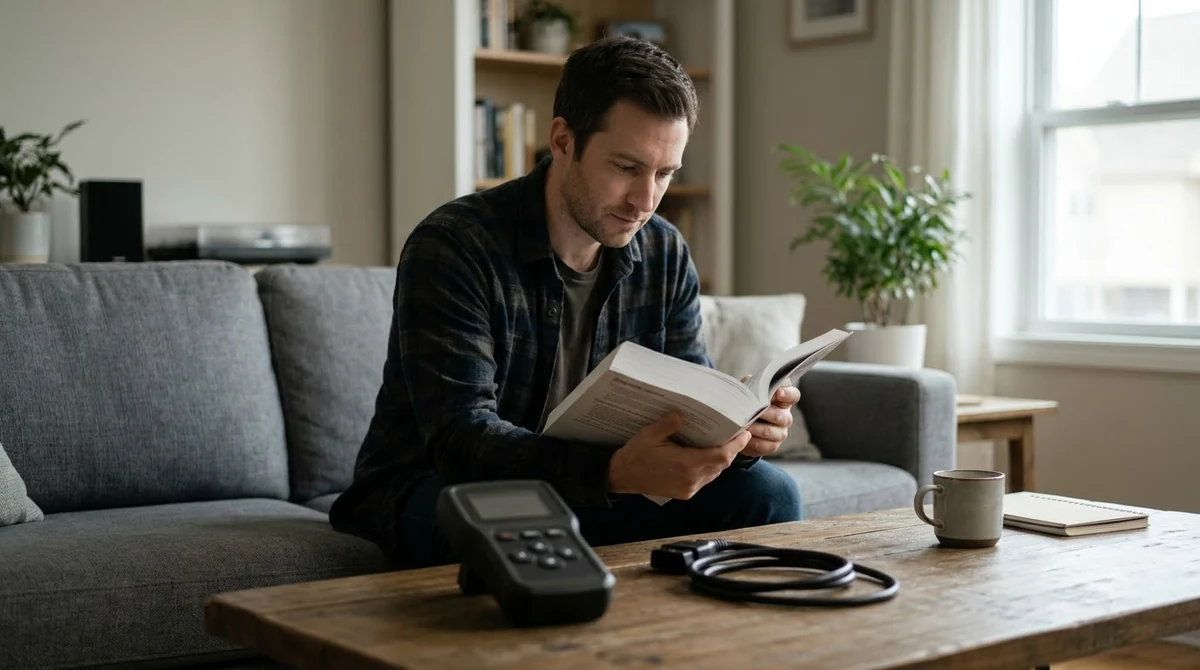
Before you learn how to reset check engine light, read the stored trouble code, because the code names the fault the light is reporting. Write it down, since it is your reference point after the repair. A low-cost tool makes this step easy, and reading and clearing codes with a handheld scanner shows one popular model.
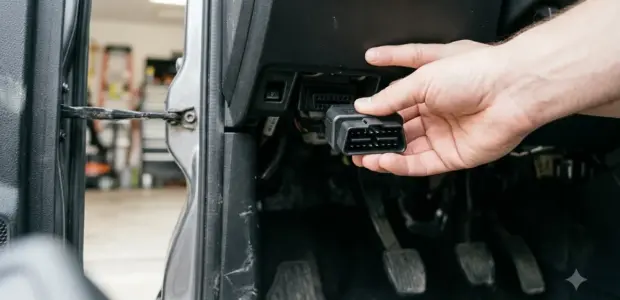
An OBD2 scan tool plugs into the OBD-II port and shows the stored codes. Without the code, you cannot tell whether the problem was fixed or only hidden. Many shops and parts stores will read codes for you, but a tool you own lets you check results at home.
- Connect the scan tool to the OBD-II port under the dashboard.
- Note every stored code and its description.
- Look up each code before you act on it, so you know which part or system it names.
Fix the Cause Before You Reset the Light
Repair the fault first, because a cleared code removes the record of what failed. If the repair is correct, the light goes off by itself after the system checks the component three times in a row. A loose cap is a classic example, covered in small EVAP leak diagnosis.
Before you decide how to reset check engine light, know that the EPA says the dashboard light turns off automatically when the system evaluates a component three consecutive times and no longer detects the initial problem. A fixed fault can clear itself over normal driving, with no reset needed. Ohio EPA advises keeping the codes in place after a repair, so the light can show you whether the fix worked. It also suggests telling your repair technician that you prefer the light stay on after repairs when possible.
Signs the fault is still there:
- The light stays on after several days of normal driving.
- The light returns soon after you cleared it.
- The engine runs rough, loses power, or shows another code.
How to Reset Check Engine Light With a Scan Tool
Learning how to reset check engine light with a scan tool clears stored codes and turns the light off without disconnecting the battery. Clear codes only after the repair is done, because the reset does not fix anything by itself.
- Confirm the repair is complete and the fault is gone at its source.
- Turn the ignition on with the engine off, then connect the scan tool to the OBD-II port.
- Open the trouble code menu and choose the option to erase codes.
- Wait for the tool to confirm the erase, then turn the ignition off and back on.
- Drive the car normally, then check the readiness status before any emissions test.
Once you know how to reset check engine light, remember that clearing codes also resets the readiness monitors, so the drive cycle has to start again. Ohio EPA notes that using a scan tool to reset readiness means the drive cycle process must be started over.
How Clearing Codes Affects Readiness Monitors
Learning how to reset check engine light by clearing codes sets the readiness monitors back to not ready, which can cause an emissions test to fail. Ohio EPA advises about two to three days of normal driving, with both highway and city miles, before you test.
The vehicle runs up to 11 diagnostic checks, called readiness monitors, on emission controls in the engine, fuel and transmission systems. Each check runs only under certain driving conditions. Ohio EPA’s readiness fact sheet explains that once codes are erased or the battery is disconnected, the computer reports systems as not ready, and the vehicle can be rejected from testing until the checks finish.
| Monitor status | What it means |
|---|---|
| Complete | The on-board computer has run this monitor. |
| Not Complete | The computer has not run this monitor yet. |
| N/A | The manufacturer did not equip this vehicle with the monitor. |
| Unsupported | The monitor was equipped but is no longer present, and Ohio E-Check requires it to be corrected before a pass. |
Requirements on how many incomplete monitors a station accepts vary by state and program. Check your local inspection rules before you plan a test date. Ohio EPA also notes that the readiness monitors section of the vehicle inspection report shows the status at inspection.
Battery Disconnect: A Weaker Option
Without a scan tool, disconnecting the battery is another way to reset check engine light: it also clears codes and turns the light off. It does not show you which monitors are ready, so you are left guessing when the car can pass a test.
Ohio EPA notes that a battery disconnect clears diagnostic trouble codes and restarts the drive cycle each time the computer is reset. Plan on two to three days of mixed driving afterward, and expect older vehicles to need longer.
| Method | Clears codes | Shows readiness status |
|---|---|---|
| Scan tool | Yes | Yes |
| Battery disconnect | Yes | No |
When the Light Returns or Stays On
If the light comes back after you learn how to reset check engine light, the fault is still present, and more repair work may be needed. Ohio EPA says the same thing: if the light does not turn off after a correct repair, more repairs may be required.
- The light returns after a few days of normal driving.
- The light stays on after a repair you believe was correct.
- The light appears with rough running, power loss or another code.
Treat a flashing light as urgent and have the car checked before you clear anything. Other common codes, such as P0420, P0171 and P0300, have their own repair paths and are covered in our other guides.
Frequently Asked Questions
Can I reset the check engine light myself?
Yes, knowing how to reset check engine light with an OBD2 scan tool lets you clear stored codes yourself. Read the code first and fix the fault, because clearing a code does not repair anything. If the light returns, the cause is still there.
Will the light turn off on its own?
Sometimes, so you may not need to know how to reset check engine light at all. The EPA says the light turns off automatically when the system evaluates a component three consecutive times and no longer detects the initial problem. That only happens after a correct repair.
Will resetting the light fix the problem?
No. Learning how to reset check engine light removes the stored code and the light, not the cause. If the fault remains, the system will detect it again and the light will come back.
Will clearing codes make me fail an emissions test?
It can. Clearing codes sets the readiness monitors to not ready, and many inspection programs need enough monitors complete before a pass. Ohio EPA recommends driving for two to three days before testing. Check your state’s rules before you learn how to reset check engine light.
Does the reset change by brand, such as Toyota, Honda, BMW or Ford?
The basic method for how to reset check engine light is the same on each brand: read the code, repair the fault, then clear it with a scan tool. Menu names and monitor procedures differ, so use your owner’s manual for the exact steps on your vehicle.
Should I disconnect the battery instead of using a scanner?
You can, but learning how to reset check engine light with a scanner is cleaner, since a battery disconnect clears codes without showing readiness status, and it restarts the drive cycle. A scan tool gives you more control and lets you check the monitors before testing.
How long should I drive after a reset?
Ohio EPA advises about two to three days of normal driving, including highway and city miles, for the monitors to set to ready. Older vehicles may need more time, so check the status with a scan tool before you test.
If the light flashes or returns with the car running rough, stop driving and have a technician read the codes before any reset. Learning how to reset check engine light before a repair only hides the problem and may leave the car unready for emissions testing.
