
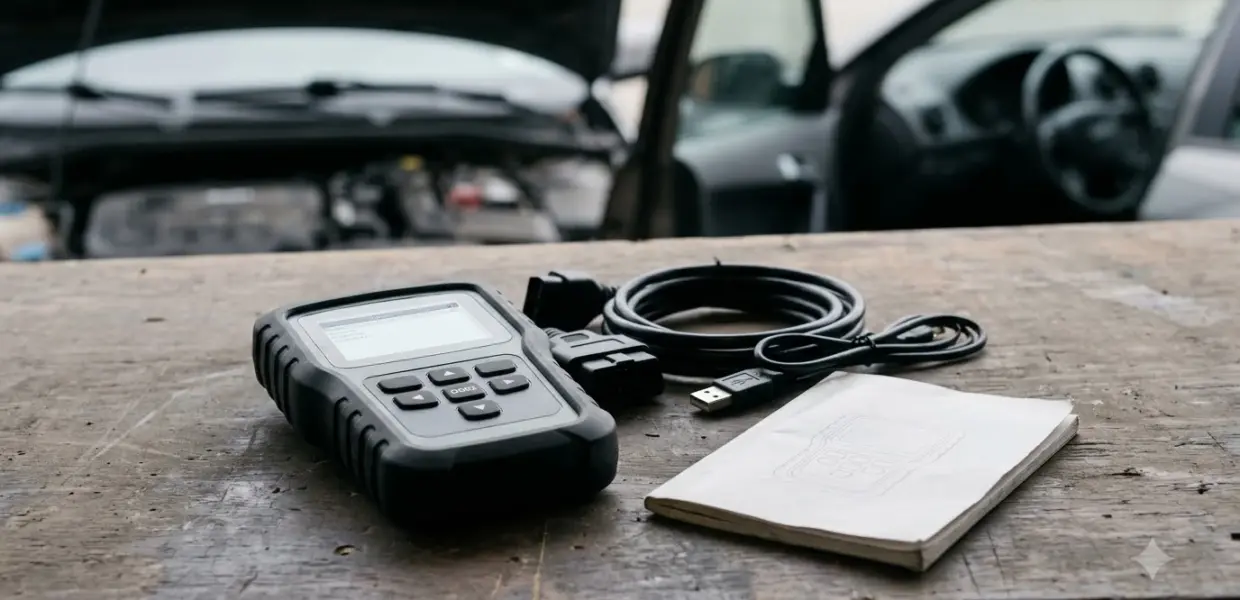

A P0234 code means your turbocharger or supercharger has pushed boost pressure above the limit the engine computer allows. The engine control module (ECM) sets the code and limits engine power to protect the engine from damage.
Most cases trace back to a stuck wastegate, a faulty boost control part, or a sensor or hose problem. Test the cause before you replace the turbocharger, and treat the code as urgent.
What the P0234 code means
A P0234 code is set when boost pressure goes higher than the calibrated limit for the current operating conditions. The full generic name is Turbocharger/Supercharger “A” Overboost Condition, so the code applies to forced-induction engines that use a turbocharger or supercharger.
The ECM compares measured boost with the limit it expects for that moment. When actual pressure exceeds the limit, the module logs the fault and cuts power. According to DeFy Diagnostics’ P0234 overview, the condition is boost higher than the calibrated limit, and the check engine light comes on with it.
Fleetrabbit words the same fault as boost pressure above the allowed maximum, with the module cutting power to protect the engine. Because the ECM cuts power, many drivers notice a loss of performance before they see any dramatic failure. A P0234 code is a warning about pressure, not a code to clear and forget.
Why boost pressure goes too high
Most P0234 cases trace back to a wastegate or boost control part that cannot open or close as commanded. The wastegate is a valve that lets exhaust bypass the turbine so boost stays within the target.
When the wastegate sticks or its control parts fail, boost can climb past the limit, and the ECM reads that pressure as an overboost fault.
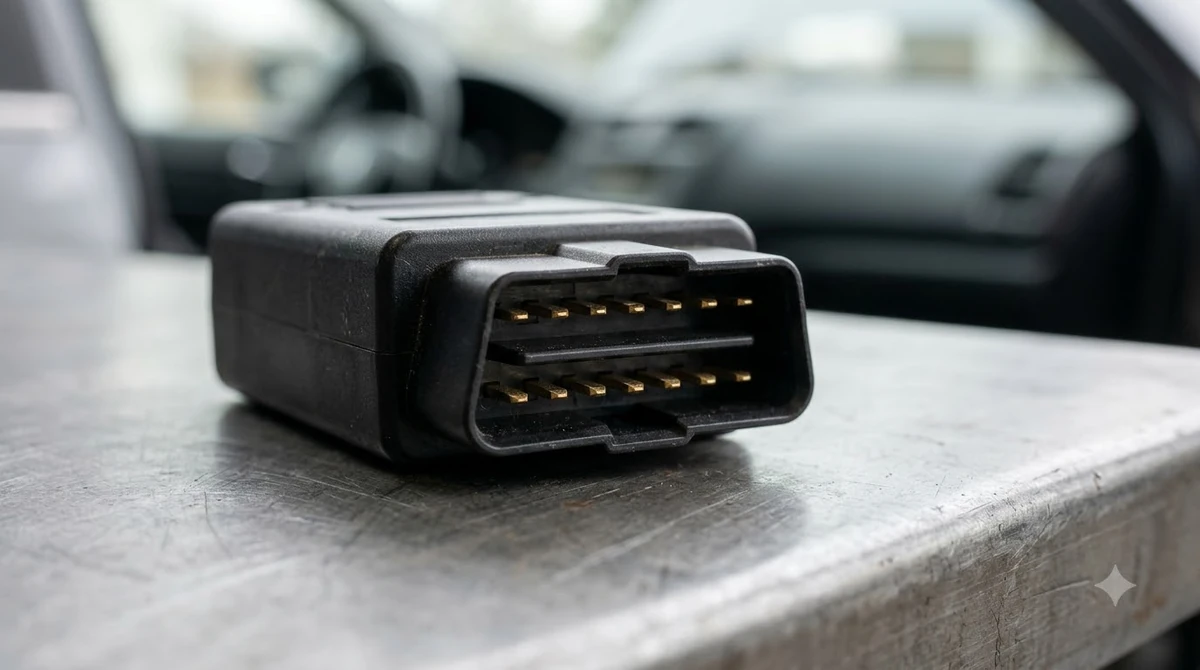
Wastegate and solenoid faults
The most cited fault is a wastegate or its actuator that is stuck closed, has seized linkage, or works with a boost control solenoid that has failed. Test these parts first, because the turbocharger itself is usually the last suspect.
Sensor, hose and tuning causes
A boost or manifold absolute pressure (MAP) sensor that reads incorrectly makes the ECM react to a pressure that is not really there. The same logic applies to the other causes below, which change what the system sees or how it responds.
- A boost or MAP sensor reporting the wrong pressure, or wiring faults to the sensor
- Cracked, kinked, loose or leaking boost hoses and control lines
- Aftermarket tuning that raises the boost target above factory limits
Symptoms you can notice
The most common P0234 symptoms are a lit check engine light, reduced power, and limp mode that cuts power under hard acceleration. Symptoms can come and go, so note when they happen.
- Check engine light on, sometimes with other warning lights
- Reduced power or limp mode, which makes merging and towing unsafe
- Power cuts under hard acceleration
- A whistling noise under load
- Knocking or pre-ignition under load, which is explained in the guide to causes of engine knocking
- Additional stored codes, which can point toward the cause
Stored companion codes help narrow the cause.
How serious is a P0234 code
Treat a P0234 code as high severity, because overboost can stress pistons, the head gasket and turbo seals. DeFy Diagnostics rates the code High.
Another guide, Fleetrabbit’s P0234 overboost guide, says to treat a P0234 code as an immediate assessment, not a next-service item. Both sources point the same way, so do not plan to wait for the next oil change.
Stop driving and arrange a tow or a shop visit if a flashing check engine light appears, the engine makes loud noise, power drops sharply, or you smell burning. Limp mode can make even a short merge or a light trailer tow unsafe, so do not push the vehicle to test it.
How to diagnose a P0234 code
Start by comparing commanded boost with actual boost while the code is active, then rule out sensor and leak problems before testing the wastegate. Each step rules out one cause before you spend money on parts.
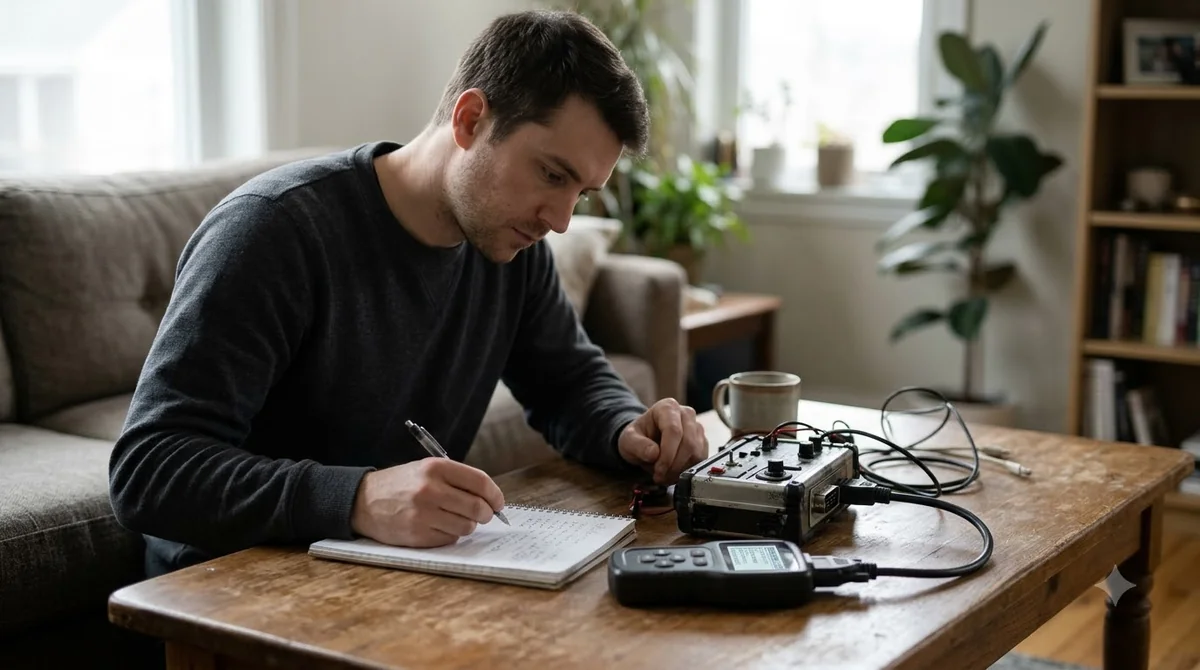
- Check for companion codes alongside this code, especially electrical codes that can point to a sensor or wiring fault.
- Compare actual boost with the target. One guide suggests that boost running about 0.2 to 0.3 bar above target means the overboost is real.
- Check the boost sensor against a mechanical gauge to rule out a false reading before ordering parts.
- Inspect hoses, piping and vacuum lines for cracks, leaks, kinks or misrouting.
- Test the wastegate actuator with a hand vacuum pump, sweeping it through its range and checking for smooth movement.
- For electronic actuators, command them open and closed with a bidirectional OBD2 scan tool, then check the connector and harness.
- Check linkage travel. Consider the turbocharger itself only after every step above passes.
A mechanical boost gauge gives a reading that does not depend on the car’s own sensor, so it shows whether the sensor or the boost itself is wrong. The exact test procedure varies by vehicle, and actuator locations differ by make and model. Check the manufacturer’s service information for your model before you start, and follow it over any generic step that does not match what you see.
Common fixes by cause
Each P0234 cause calls for a different repair, so match the fix to the test result rather than replacing the turbo first. The table maps each cause to the check that confirms it.
| Cause | Check that confirms it | Typical next step |
|---|---|---|
| Stuck wastegate or seized linkage | Sweep the actuator by hand and check linkage travel | Free the linkage or replace the actuator |
| Failed boost control solenoid | Command the solenoid with a scan tool and check the connector | Replace the solenoid after the fault is confirmed |
| Faulty boost or MAP sensor | Compare the sensor reading with a mechanical gauge | Replace the sensor if it reads wrong |
| Leaking or kinked hoses | Inspect the hoses and pressure test the charge system | Repair or replace the damaged hose or pipe |
| Aftermarket tune raising boost | Review the tune and its boost targets | Return to factory targets or correct the tune |
| Turbocharger itself | Only after the wastegate, solenoid, sensor and plumbing pass | Turbo repair or replacement |
Costs depend on parts and labor, so this guide lists no prices. Ask a shop for a written estimate that names the confirmed cause before you approve any repair.
Mistakes to avoid when reading a P0234 code
Clearing this code without a test usually brings the code back, because the cause is still there.
- Clearing the code and driving on without a test
- Replacing the turbocharger before checking the wastegate and solenoid
- Ignoring hose leaks or kinks, which can distort what the sensor reads
- Trusting a sensor reading without comparing it with a mechanical gauge
- Overlooking a recent tune or boost change
This guide covers the generic P0234 meaning and the common causes. It does not give repair steps for a specific make or model, and the opposite low-boost condition is covered in the P0299 turbo underboost code guide. Use the service information for your vehicle when a step does not match what you see.
Frequently Asked Questions
Can I drive with a P0234 code?
Driving is not advised. Sources treat this code as an immediate assessment, and you should stop if the check engine lamp flashes, the engine makes loud noise, power drops sharply, or you smell burning. Limp mode makes merging and towing unsafe, so arrange a tow or a shop visit.
Does a P0234 always mean a bad turbo?
No. The code reports overboost, and the cause can be a stuck wastegate, a failed boost control solenoid, a faulty sensor, or a leaking hose. Testing those parts comes first, because the turbocharger is usually the last suspect in the diagnosis order.
Can a bad boost sensor set P0234?
Yes. A faulty boost or MAP sensor can report a pressure that does not match reality, which can trigger the overboost fault. Compare the sensor reading with a mechanical gauge before you order parts, so you do not replace a good sensor.
Will clearing the code fix P0234?
No. Clearing removes the stored code, but if the wastegate, solenoid, sensor or hose fault remains, the code and symptoms return. Clear the code only after the cause is repaired, so the system can confirm the fix.
Can aftermarket tuning cause P0234?
Yes. One source lists aftermarket tuning that raises the boost target as a cause. If your vehicle has been tuned or its boost was changed, review those settings before you test the hardware, because the system may simply be running the new target.
How is P0234 different from low boost?
P0234 is overboost, meaning there is too much boost. Low boost is the opposite condition and is logged under a different code, so confirm the exact code on your scan tool before you start diagnosis.
Start with the simpler checks: read the companion codes, compare boost with a gauge, and inspect the hoses. That order rules out the simpler faults before you pay for a turbocharger, and it gives you a clear reason for any repair you approve.
