
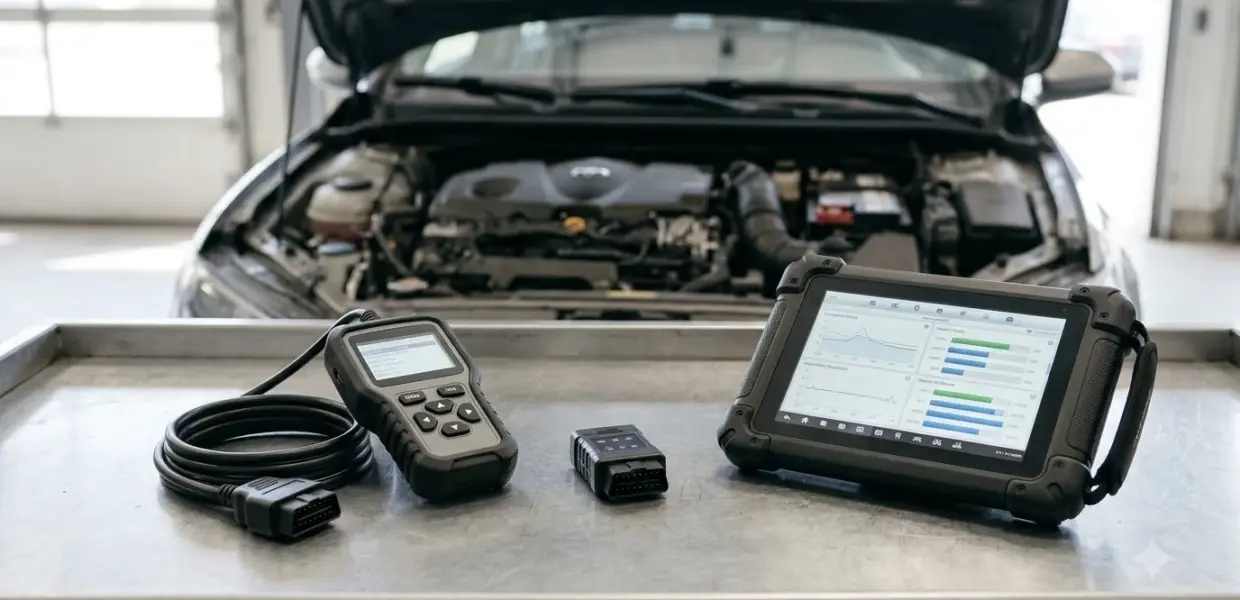

P0305 is the OBD-II code for a misfire in cylinder 5. It means the engine computer has detected that the fifth cylinder is not firing properly, which can cause rough running and a lit check engine light.
The fix depends on which part is failing, so a step-by-step check works better than guessing. Get the car checked soon, and do not clear the code before recording the stored data.
What P0305 Means
P0305 means the engine control module has detected misfires in cylinder 5, the cylinder numbered five on the engine. A misfire happens when the air and fuel in a cylinder do not burn at the right time, so that cylinder adds little or no power. The code points to the cylinder rather than to a specific part.
The P0300 to P0308 range covers random misfires (P0300 random misfire code) and misfires in each numbered cylinder, including P0304 for cylinder 4. Carista’s P0305 code reference describes the same issue as an ignition, fuel or compression problem that stops cylinder 5 from firing properly, so the symptoms below help you judge how serious the problem is.
If your scan also shows a second misfire code, write it down. A second cylinder code points to a different cylinder, so the two problems may need separate checks.
Typical Symptoms
Drivers usually notice a p0305 problem through how the engine feels. Common signs include:
- Rough idle, with the engine shaking at a stop
- Loss of power and hesitation when you accelerate
- Lower fuel economy than usual
- A raw fuel smell from the exhaust
- A check engine light that stays on or flashes
Common Causes of a Cylinder 5 Misfire
The most common cause of P0305 is a worn or fouled spark plug in cylinder 5, followed by a failing ignition coil or a leaking fuel injector. The code only shows which cylinder misfires, not which part failed, so the causes below all need checking.
- A worn or fouled spark plug in cylinder 5
- A failing ignition coil that does not send a strong spark
- A clogged, leaking or dead fuel injector for cylinder 5
- A mechanical fault such as a burnt valve or low compression
| Possible cause | What it affects | First check |
|---|---|---|
| Spark plug | Spark inside cylinder 5 | Inspect for wear, fouling or damage |
| Ignition coil | Voltage that reaches the plug | Check spark and ignition supply voltage |
| Fuel injector | Fuel delivery to cylinder 5 | Injector balance test and fuel trims |
| Valve or compression fault | Sealing of cylinder 5 | Relative compression and leakage tests |
Start With the Spark Plug and Coil
Remove the cylinder 5 spark plug and inspect it for wear, fouling or damage. Compare it with the plugs in the other cylinders. If every plug looks the same, the cause is probably wider than one cylinder. Because the code names only cylinder 5, swapping parts without testing can waste money and leave the misfire in place.
Spark plugs and coils are usually checked first because they are the cheapest parts on the list. Check them before you buy a fuel injector or start engine work. If you want to test the coil yourself, this guide to ignition coil testing shows the basic checks, and a look at spark plug replacement cost shows what a plug job can run.
Fuel Injector and Valve Causes
A fuel injector that is clogged, leaking or dead changes how much fuel reaches cylinder 5, and the engine computer reads the uneven combustion as a misfire. A burnt valve or low compression weakens the cylinder seal, so the cylinder cannot make full power even when the spark is good.
How Technicians Narrow Down a Cylinder 5 Misfire
A technician saves the freeze frame data first, runs a relative compression test, and moves to ignition or fuel checks only if that cylinder passes. GM’s misfire diagnostic bulletin lays out this order of tests for codes P0300 to P0308.
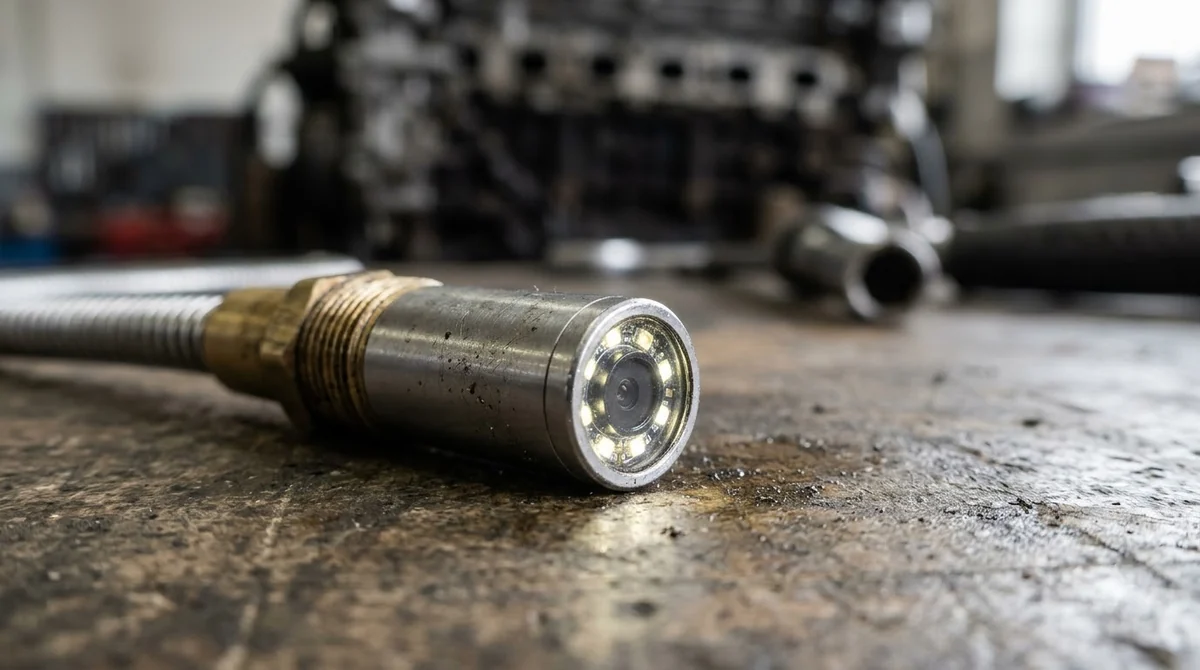
- Save the freeze frame records from the scan tool before you clear any code.
- Run the relative compression test on cylinder 5.
- If cylinder 5 fails, run a cylinder leakage test and note where the air escapes: intake, exhaust or crankcase.
- If no leak shows up, look for valve train problems or a bent connecting rod.
- If the compression test passes, check spark, ignition supply voltage and the spark plug.
- Then check the injector balance, fuel trims and fuel quality.
Compression and Leak Checks
A leakage test shows whether cylinder 5 holds pressure. The place where the air escapes tells the technician which area to inspect next, so the leak location matters as much as the test result. If a leak is found, the next look goes to the valve train or a bent connecting rod, which is engine work rather than a quick parts swap.
Ignition and Fuel Checks
When compression passes, the fault is usually in ignition or fuel delivery. Check the spark, the ignition supply voltage to the coils and injectors, and the spark plug condition. Injector balance results and fuel trims on each bank show whether the engine runs rich or lean, and fuel quality is also on the bulletin’s checklist.
The order of these checks matters because it avoids replacing parts that are not at fault. Each test narrows the search, and the result of one test decides which test comes next. A cheap plug or coil often explains the code, while a compression fault leads to a much bigger repair, which is why the compression result comes first.
When a Flashing Light Means Stop Driving
A P0305 with a steady check engine light means the car needs a check soon, while a misfire that keeps running can eventually damage the catalytic converter. Treat the light as a reason to act rather than wait. This explainer on a check engine light flashing covers what the blinking means.
Carista’s code reference warns that prolonged misfires will eventually damage the catalytic converter. If the light flashes, avoid hard acceleration, trailer towing and highway driving until a shop has looked at the car.
A misfire already lowers fuel economy, as noted above, and raw fuel in the exhaust is a sign that fuel is not burning properly. Keep trips short until the cause is fixed, and write down when the light flashes so the shop can match it to the stored data.
If the engine shakes badly at idle, power drops sharply, or you smell raw fuel from the exhaust, stop driving and consider arranging a tow. Those are signs that the misfire may be severe enough that more driving adds risk to the catalytic converter.
Repair Cost for P0305 and Next Steps
The cost to fix P0305 depends on which part fails, so a written diagnosis gives you a more useful estimate than the code alone. The code names the cylinder, not the part. A spark plug job and an injector replacement are very different, so ask which test confirmed the fault.
No verified US price range for this code is listed here. Compare written quotes from two shops before you approve work, and ask each shop to name the part it plans to replace and the test that points to it.
When you call a shop, describe when the misfire happens, such as only when the engine is cold or only under load. That detail helps a shop reproduce the fault.
- Ask which test confirmed the faulty cylinder.
- Ask for the freeze frame data and the compression result.
- Ask whether the catalytic converter was checked.
- Keep a copy of the written diagnosis for your records.
Frequently Asked Questions
Can a bad spark plug cause P0305?
Yes. A worn or fouled spark plug in cylinder 5 is one of the most common causes of this code, so it is usually the first part to inspect. Check the plug condition before you buy other parts.
Is P0305 the same as P0300?
No. P0300 is the general misfire code, while P0305 names cylinder 5 as the cylinder that misfires. The P0305 code tells you where to start looking.
Will clearing the code fix P0305?
No. Clearing the code only turns off the light for a while. The misfire continues until the cause is repaired, and the code can return if the fault is still present.
Can I check P0305 myself?
Yes, a basic OBD-II scanner and a spark plug inspection are within reach for most home mechanics. Compression, leakage and injector tests need more tools, so a shop may be the better choice for those steps.
Does P0305 always mean a new engine?
No. Ignition and fuel parts are common causes, and compression is only one possibility. The compression test is there to rule that cause in or out before any major repair is considered.
What should I tell the mechanic?
Tell them the code, the cylinder number, when the misfire happens and whether you can repeat it. These details help a shop reproduce the fault and choose the right first test.
Treat P0305 as a cylinder 5 problem to diagnose now, not a code to clear and forget.
