
A Honda Pilot check engine light means the engine computer has stored a fault. A steady light is less urgent, but a flashing light means you should pull over and turn off the engine.
The right next step for a Honda Pilot check engine light depends on whether the light flashes or stays on. Check the gas cap first, then read the stored code with an OBD II scanner or ask a shop to do it.
This guide covers general guidance from published repair sources. It does not replace your owner’s manual or a licensed mechanic’s diagnosis.
What a Honda Pilot Check Engine Light Means
A steady Honda Pilot check engine light means a fault is stored and the system is reporting it. AAA describes a steady light as a continuous problem that may also cause drivability issues or reduced fuel economy.
The two signals are not the same. Kelley Blue Book says a flashing light spells trouble and is different from a check engine light that is simply on. Not every warning light means a large repair bill, so the signal tells you how fast to act.
| Signal | What it usually means | What to do |
|---|---|---|
| Steady light | A continuous fault is stored and reported | Check the gas cap, then book a scan if it stays on |
| Flashing light | A potentially serious problem, which can include engine misfires | Reduce speed and load, then get it checked at once |
Think of the signal as a guide to timing. A steady light gives you time to check the cap and book a scan, while a flashing Honda Pilot check engine light calls for action now. If you cannot tell which one you are seeing, treat it as a flashing light until a shop confirms otherwise.
Check the Gas Cap First
A loose or faulty gas cap is one of the more common reasons a Honda Pilot check engine light comes on, according to Kelley Blue Book. The cap may need replacing or may just be loose.
AAA advises making sure the cap is tightly sealed, and says that if the light goes out after a few days, the cap was the problem. The check engine light guide from AAA covers the same first step.
Check the cap before you do anything else. The steps below take only a few minutes and cost nothing.
- Turn the engine off and open the fuel door.
- Remove the cap and inspect the rubber seal for cracks or wear.
- Refit the cap until it clicks, then drive a short distance.
- Replace the cap if the seal is damaged or the light stays on.
If the light goes off after a short drive or after a few days, the cause may have been the cap or a temporary condition. If it comes back, read the stored code instead of guessing at the repair. Minivan owners can follow the same steps in the Honda Odyssey check engine light guide.
Other Causes Behind the Light
Beyond the gas cap, Kelley Blue Book names a misfiring engine and temporary environmental changes, such as humidity, as possible triggers for a Honda Pilot check engine light.
- A misfiring engine, which the source gives as an example of a more serious issue.
- Humidity or another temporary change in the environment, which can trigger the light.
- Cases where the engine may be releasing excess pollutants or using too much fuel.
A Honda Pilot check engine light that clears by itself may have been temporary. A light that stays on or keeps returning needs a code read, so the cause is confirmed before parts are bought.
Misfires deserve more attention than a loose cap. AAA says a flashing light signals a potentially serious problem, so a flashing Honda Pilot check engine light should not wait for a cap check.
How to Read the Trouble Code With an OBD II Scanner
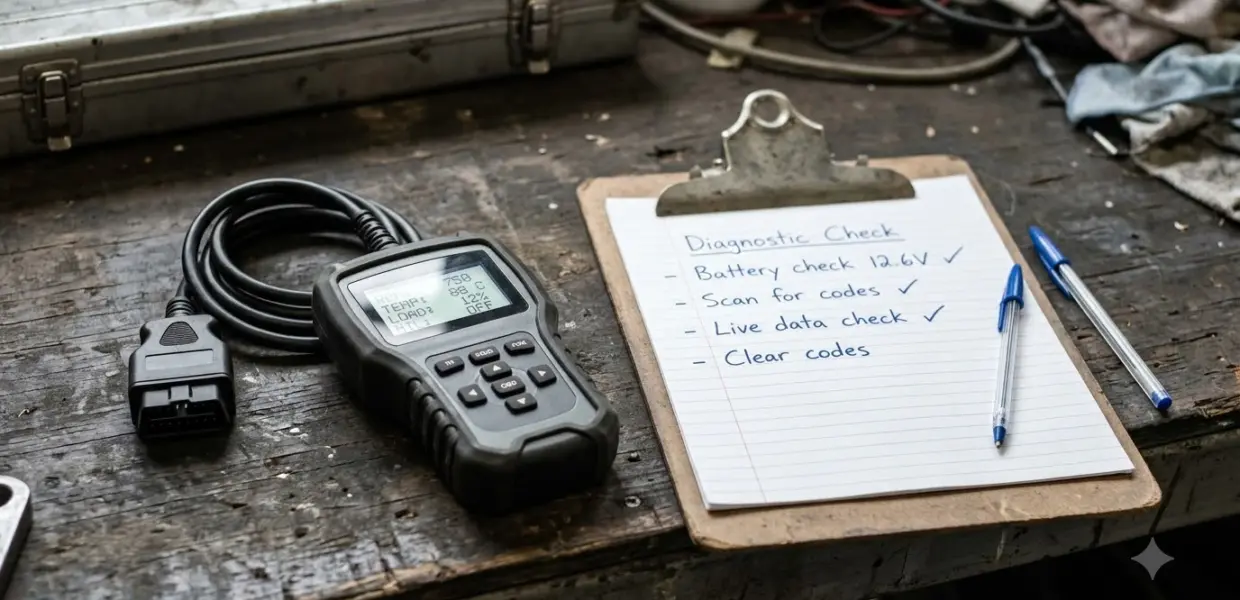
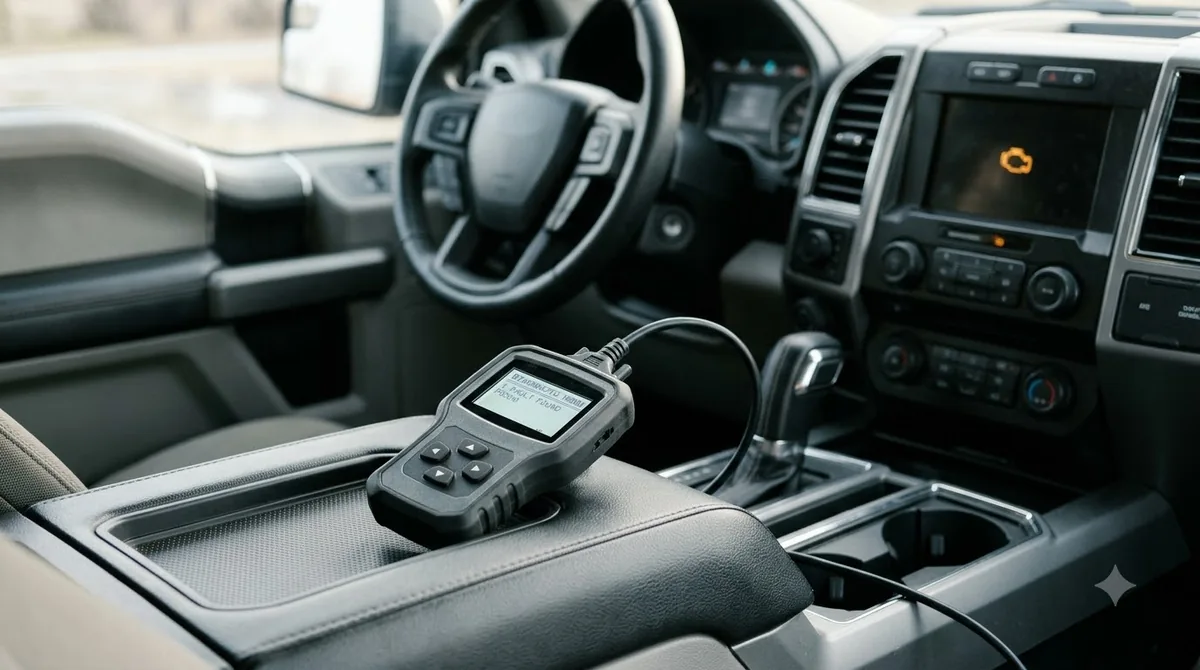
An OBD II scanner reads the stored engine code that explains why the Honda Pilot check engine light is on. Kelley Blue Book says you can buy a scanner and check the codes yourself.
A scanner connects to the vehicle’s OBD II port and shows the stored code. A code points to a fault area, but it does not always name the part that failed, so the code is only a starting point for any Honda Pilot check engine light repair.
- Turn the engine off and plug the scanner into the OBD II port.
- Turn the ignition on without starting the engine and read the stored codes.
- Write down every code before you clear anything.
- Look up the code or have a shop confirm it before buying parts.
Ask for the exact code, not only a summary, so you can look up what it means for your vehicle. Kelley Blue Book recommends a professional if you are not comfortable doing this yourself. Clearing a code without a repair only hides the fault until it returns.
When to Stop Driving and Get Service
Pull over and turn off the car when the Honda Pilot check engine light flashes, especially if oil or temperature warnings are also on. Kelley Blue Book says those conditions need service without delay.
AAA says a flashing light signals a potentially serious problem that requires immediate attention to prevent costly catalytic converter damage. Reduce speed and load, then head to a repair facility. If it keeps flashing for more than a minute or so, turn off the engine and have the car towed.
A steady light is different. AAA describes it as a continuous problem that may cause drivability issues or reduced fuel economy, so it can usually wait for a scan, but not indefinitely. Shoppers weighing a rival three-row SUV can see how the same warning plays out in the Highlander check engine light steps.
For a full explanation of the signals and the next steps, read Kelley Blue Book’s check engine guide. Do not keep driving on a flashing light to finish a trip. Call a tow or a shop instead.
What a Diagnostic Scan Costs
As of 2026-11-05, Kelley Blue Book puts the national average for a Honda Pilot check engine light diagnostic service at about $131 to $209. It does not give a date or source for that figure.
Shop prices depend on region and labor rates, so ask for a written quote before any work starts. A scan alone is usually the cheapest step, and it tells you whether a repair is needed at all.
Ask whether the fee covers only the code read or a full diagnosis. A code read tells you what the car is reporting, while a diagnosis tests the fault before any part is replaced.
Frequently Asked Questions
Can I reset the Honda Pilot check engine light myself?
You can clear the light with an OBD II scanner, but clearing it does not fix the fault. Note the code first, then have the cause checked. If the light returns soon after clearing, the fault is still there.
Does humidity really turn on the check engine light?
Kelley Blue Book says a change in humidity or another temporary environmental change can trigger the light. The light may go off by itself after a relatively short drive. If it stays on or returns, have the stored code read.
Why did the light come on after I refueled?
A loose or faulty gas cap is one of the more common reasons for the light, according to Kelley Blue Book. Tighten the cap until it clicks, inspect the seal, and replace the cap if the seal is damaged.
Is it safe to drive with a flashing check engine light?
AAA says a flashing light signals a potentially serious problem. Reduce speed and load, then get to a repair facility. If it keeps flashing for more than a minute or so, turn off the engine and have the car towed.
How much does a check engine light scan cost?
As of 2026-11-05, Kelley Blue Book estimates a national average of about $131 to $209 for a diagnostic service. The source does not date the figure, so ask the shop for its own quote.
Can I read the code without going to a dealer?
Yes. An OBD II scanner can read the stored code, and you can look it up yourself. A shop can confirm the diagnosis and explain the repair if the code is unclear.
Do not ignore a flashing Honda Pilot check engine light. Pull over first, then check the gas cap and read the code if the light stays on.