

The p0335 code means the engine computer has a fault in the crankshaft position sensor A circuit, so it is not getting a normal signal about crankshaft position. The check engine light comes on with it, and the car should not be driven until it has been checked.
Most faults behind this code come from damaged wiring, the sensor itself, or the reluctor ring. A careful visual inspection can rule out the cheaper causes before anyone buys a part.
What the P0335 Code Means
The P0335 code stands for “Crankshaft Position Sensor A Circuit Malfunction.” The powertrain control module sets it when the sensor signal is not normal. The code is generic, but other automakers may use the same number for a different fault, so the make and model matter when you look it up.
The crankshaft position sensor feeds the engine computer the information it uses for timing and fuel delivery. When that signal drops out or looks wrong, the computer records the fault and turns on the check engine light. A p0335 code is therefore a signal problem first, and the sensor is only one of several places the fault can start.
Symptoms You Will Notice With P0335
The code usually comes with a warning light and a change in how the engine starts or runs. The symptoms reported for it include:
- The check engine light is on.
- The car hesitates, bucks, or stalls.
- Trouble starting the vehicle, or a rough idle.
- Decreased fuel economy.
Note what the car was doing when the light came on, such as idling, cruising, or accelerating, and write it down for the technician. That detail often separates a loose connector from a failing sensor. A fault that appears only when the engine is hot, or only over bumps, tends to point to wiring rather than a dead sensor. If the car stalls while you are driving, treat the problem as urgent rather than waiting for the next symptom.
Stop Driving First
Once you see the p0335 code, stop driving. The mechanicbase repair reference says you should not drive once you see the P0335 trouble code, because a breakdown or a failed timing belt or chain can cause serious engine damage.
What to do now
Pull over somewhere safe and turn the engine off. Arrange a tow or a visit to a repair shop, and do not try to reach a shop several miles away on a fault that causes stalling.
The reason to stop is the risk of damage, not the code itself. Do not wait for the next symptom to decide whether the car is safe. A p0335 code can be caused by wiring that is only loose, but the car cannot tell you which cause it is, so the safe assumption is to stop until someone has checked it.
Common Causes of P0335
The reference lists five causes for P0335, and the order below reflects how often a shop finds each one first. Wiring and the connector come first because they are the cheapest to check.
- Damaged wiring or connector, including loose or corroded plugs at the sensor.
- A failed crankshaft position sensor.
- A broken reluctor ring, the toothed wheel the sensor reads.
- A bad timing belt or chain.
- A faulty PCM, which the reference calls rare.
Write down the readings you see and the step where each one differs from the service manual. That record lets a technician continue the work without repeating your checks. Because several causes share the same code, a new sensor does not fix a wiring or reluctor ring fault. That is why the inspection comes before the parts order, not after. The crankshaft sensor is only one link in a chain that also includes the connector, the harness, the reluctor ring and the computer.
How to Diagnose P0335
Diagnosis starts with all stored codes, not just the p0335 code, because other codes can point to the same wiring. The reference also recommends live RPM data and a check of the sensor’s 5-volt square wave pattern against the service manual.
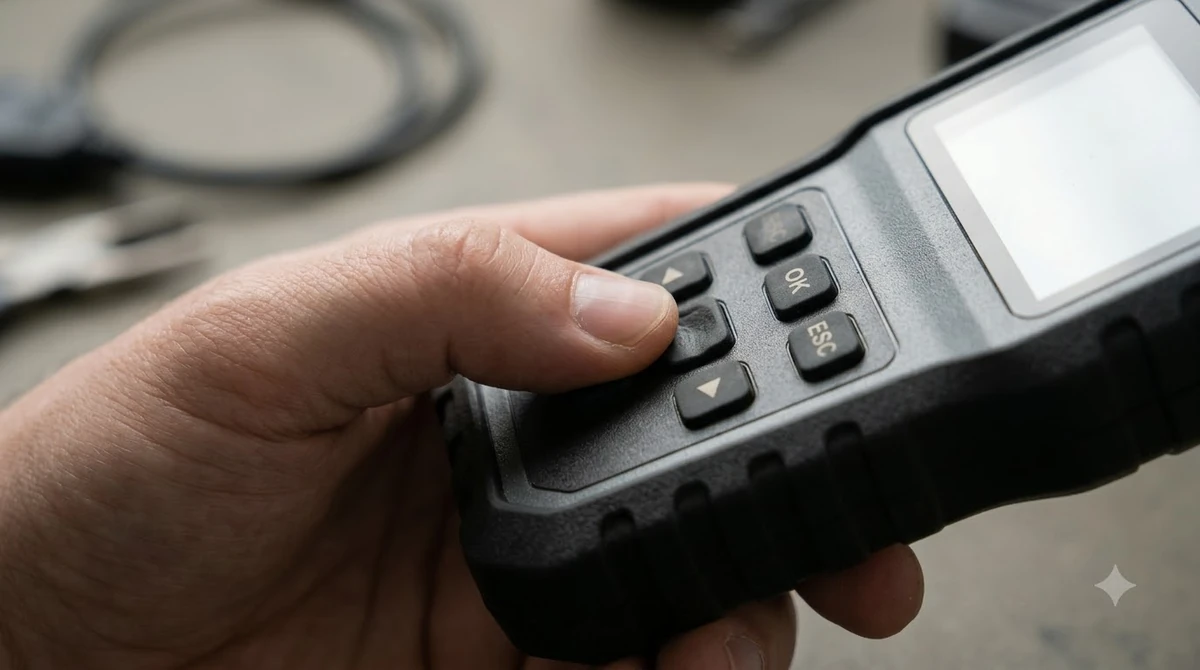
- Read all stored codes and write them down before clearing anything.
- Check live RPM data for a signal that drops to zero or jumps while the engine runs.
- Inspect the sensor wiring and connector for damage, corrosion, or a loose plug.
- Compare the sensor’s signal pattern with the reference in the service manual.
Keep the connector and wiring photos from the inspection, because they help a technician compare the same spot after a repair. A clean, dry connector with firm pins is a good sign, but only the scan data and the service manual can confirm the sensor is working. Compare the 5-volt square wave pattern with the manual only if you have the right tool, and let a shop do it otherwise. For a basic meter and wiring check you can do at home, see the crankshaft sensor signal test guide.
A flashing light means stop driving, and a steady light means a fault is stored and should be checked as soon as possible. Fueleconomy.gov’s maintenance tips advises having the vehicle inspected by a mechanic when the light comes on, which applies to this code as well.
How to Fix P0335
The fix depends on the cause the inspection finds. The reference lists five repairs, and the first one to try is the cheapest that matches what you found.
- Repair the damaged wiring or connector.
- Replace the crankshaft position sensor.
- Replace the reluctor ring.
- Replace the timing belt or chain.
- Update or replace the PCM, only after the other causes are ruled out.
Replace the sensor only after the wiring checks out
A sensor replacement is the right fix only when the wiring, connector and reluctor ring look sound. Otherwise the new part will set the same p0335 code, and you will have paid for a repair that did not address the fault.
Some vehicles need a relearn procedure after a sensor is replaced, and that step may need a professional scan tool. Check the service information for your model before you assume the job is finished.
Costs and When to Call a Shop
Repair costs for this fault vary by vehicle, region, and which cause is found, so this guide does not list a price. For general cost factors on the part itself, read the crankshaft position sensor replacement cost guide. Ask the shop to show the fault in the scan data before you approve the work. Ask for a written quote that names the cause the technician confirmed, not only the parts to replace. If the shop proposes a timing belt or chain repair, ask what test showed that part was at fault.
Call a shop when the inspection does not find a clear cause, when the code returns after a repair, or when the car stalls. A shop with a scan tool can read the live data and the sensor pattern, which a basic code reader cannot show.
Frequently Asked Questions
Can I drive with a p0335 code?
No. The mechanicbase reference says you should stop driving once you see the code, because a breakdown or a timing belt or chain failure can cause serious engine damage.
Is the p0335 code the same on every car?
No. The code is generic, but other automakers may use it for a different fault, so check the make and model before you follow a repair guide.
Does clearing the p0335 code fix the car?
No. Clearing the code is the last step, after the repair is confirmed. If the fault is still present, the light and the code return.
Can I replace only the sensor?
Only after the wiring and connector check out and the reluctor ring looks sound. Otherwise a new sensor will not fix a wiring or tone ring fault, and the p0335 code can come back.
Is a steady light different from a flashing one?
Yes. A steady light means a fault is stored and should be checked soon. A flashing light means stop driving, according to Fueleconomy.gov.
Can the p0335 code come back after a repair?
Yes, if the fault is still present. A wire or connector that only fails under heat, vibration or moisture can pass a quick check and set the code again, so test drive the car and rescan before you close the job.
Should I buy parts before the inspection?
No. The inspection is cheaper and it decides which part is needed. Buying a sensor first risks paying for a part that does not fix the p0335 code, and the old part is often needed for comparison.
Treat a P0335 code as a stop-and-inspect event, check wiring before buying parts, and get a written quote that names the confirmed cause.
