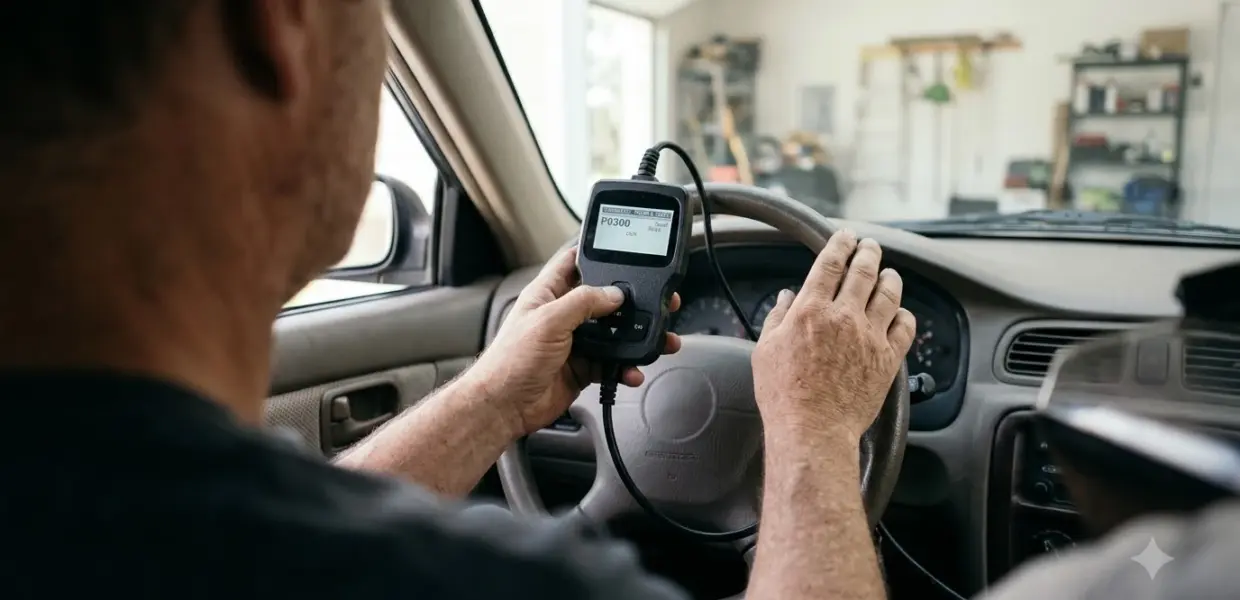

The Jeep Wrangler check engine light means the onboard system has stored a fault that needs service. A steady light and a flashing light call for different responses, so the first step is to check which one you see.
For a steady light, a loose gas cap is the simplest cause to check. A flashing light points to a severe misfire, and that needs prompt attention.
What a Steady or Flashing Jeep Wrangler Check Engine Light Means
A steady light means a fault is stored and service is needed, and the EPA says it does not require stopping the vehicle right away. A flashing light signals a severe misfire, which calls for quicker action.
The EPA’s consumer fact sheet on on-board diagnostics explains that the light tells you a problem has been detected. It is a prompt to get the vehicle checked, not a reason to panic. EPA consumer fact sheet on OBD sets out the basic meaning of each light state.
Even when the light goes off later, the stored fault is a useful record. Knowing which light state you saw helps you decide how urgent the visit is, and it is the first detail a technician will ask about. The flashing case is covered in what a flashing check engine light means.
Steady light
A steady Jeep Wrangler check engine light means the system has stored a fault and the vehicle needs a diagnosis. Do not wait for the light to go out on its own. Read the code or have a shop check it while the problem is still small. Stellantis truck drivers can read what the Ram 1500 check engine light means for the same advice applied to a pickup.
Flashing light
The EPA describes a flashing light as a rather severe level of engine misfire, and the driver should reduce speed and seek service as soon as possible. A flashing Jeep Wrangler check engine light is the one to take most seriously. Some third-party repair guides add that a long misfire can overheat and damage the catalytic converter.
Check the Gas Cap First
A loose or broken gas cap is one of the simplest causes to check, and it can turn on the light by itself. If your Jeep Wrangler check engine light came on after a fill-up, the cap is the first thing to inspect.
The Oregon DEQ on-board diagnostics guidance notes that a broken gas cap, or one not completely tightened, can cause the light. Its advice is simple: if the cap was not fully fastened, re-tighten it. Tighten the cap fully, then drive normally for a few days.
The EPA fact sheet says the light should go out within a few days after the cap is tightened. Once the cap is secure, the Jeep Wrangler check engine light should clear on its own, without a repair. If the cap is cracked or the seal looks worn, replacing it is a reasonable next step, because a damaged cap can keep the light on.
Common Causes Behind a Jeep Wrangler Check Engine Light
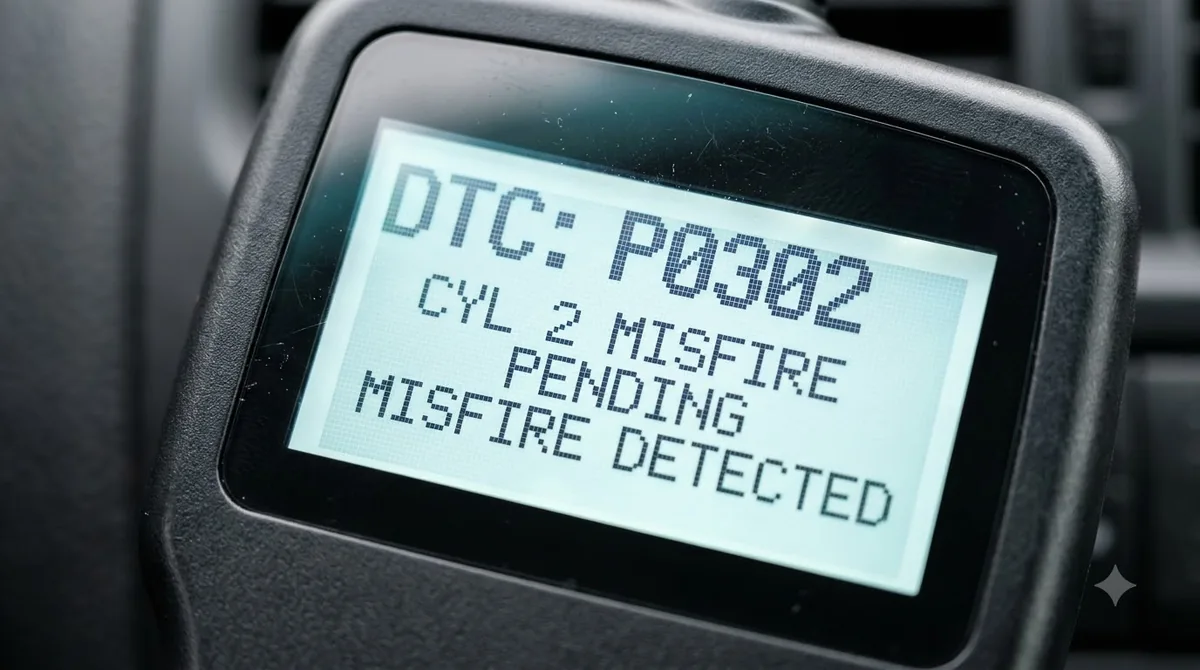
Misfires, lean codes, EVAP leaks, thermostat and sensor faults, and catalyst codes are the groups that third-party repair guides list most often for this light. The table below groups the codes by system so you can match your own code quickly.
| Code | What it means | Common causes listed by guides |
|---|---|---|
| P0300 | Random or multiple cylinder misfire | Worn spark plugs, faulty ignition coils, fuel injector problems, vacuum leaks, low compression |
| P0302 | Cylinder 2 misfire (P0301 to P0306 match cylinders 1 to 6) | The same causes, on that cylinder |
| P0171 and P0174 | System too lean, bank 1 and bank 2 | Vacuum leaks, low fuel pressure, dirty or faulty airflow sensor, exhaust leak ahead of the oxygen sensor |
| P0440 to P0456 | EVAP system leak or purge fault | Loose gas cap, cracked vapor hoses, faulty purge valve |
| P0128 | Engine not reaching operating temperature in time | Thermostat stuck open, low coolant, faulty coolant temperature sensor |
| P0335, P0340, P0201 | Crankshaft sensor, camshaft sensor, or cylinder 1 injector circuit fault | Failed sensor, or damaged wiring or connectors |
| P0420 and P0430 | Catalyst efficiency below threshold, bank 1 and bank 2 | Often follows earlier misfires, oil or coolant contamination, or exhaust leaks |
Third-party guides describe these as typical findings, not factory diagnoses for every model year. If the code is lean or EVAP, start with simple checks such as the gas cap and visible hoses. A misfire code calls for a check of spark and fuel delivery before parts are replaced.
When more than one code is stored, start with the earliest one. Guides note that catalyst codes often appear after a misfire or leak has already been present, so treating the first code usually makes the later ones easier to interpret. A Jeep Wrangler check engine light with several codes is a sign to get a full scan rather than chasing one part. Misfire codes are explained in P0300 random misfire code causes.
How to Read the Trouble Code
You can read the stored code with an OBD-II scanner, and the code points to the system that set the light, not always to the failed part. Reading the code yourself tells you what set the Jeep Wrangler check engine light, which gives you a clear starting point before you visit a shop.
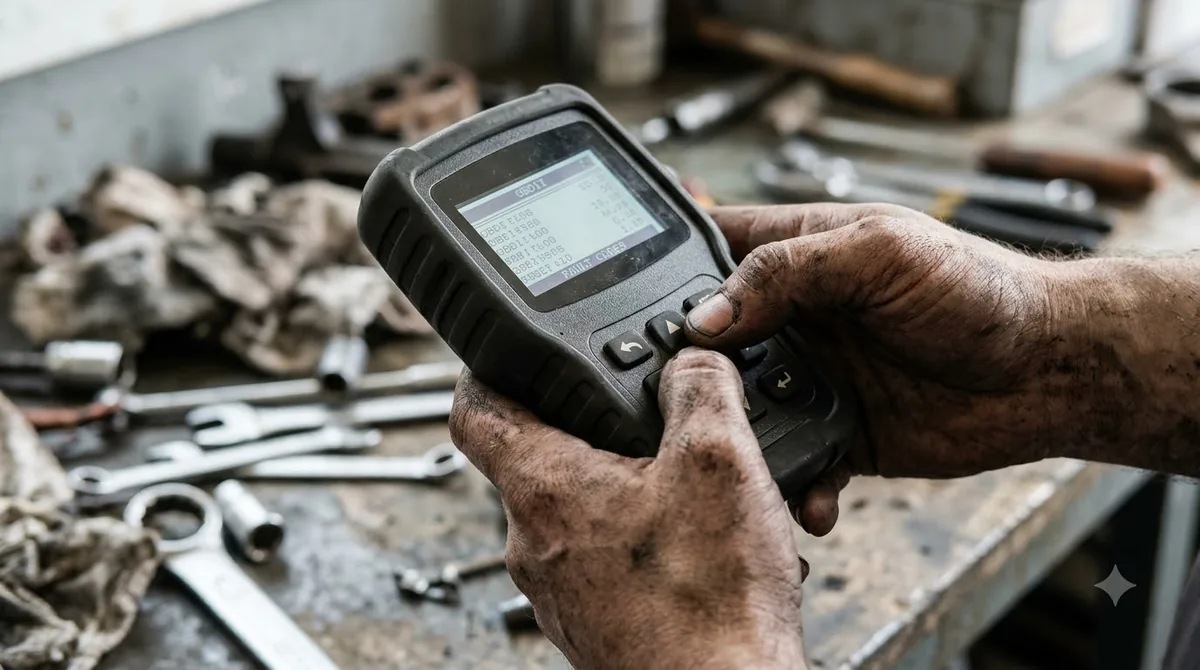
- Find the OBD-II port under the dashboard.
- Plug in the scanner and turn the key to ON without starting the engine.
- Write down every stored code the scanner shows, including any letters and numbers.
- Look up each code and compare it with the table above.
Forum and blog sources describe this key-to-ON method for reading codes, and it is a common first step. A code is still a starting point. A misfire code, for example, can have several causes, so a shop may need to test before replacing a part. Stellantis owners with a van rather than an SUV can follow these Pacifica engine light code steps.
Is It Safe to Keep Driving With the Light On?
A steady Jeep Wrangler check engine light usually allows careful driving to a shop, but a flashing light means you should reduce speed and get service as soon as possible. The EPA states that a steady light does not require stopping the vehicle.
Keep trips short while the light is steady, avoid hard acceleration, and watch the temperature gauge and any other warning lights. If the engine runs rough, loses power, or you smell fuel, stop driving and arrange a tow or a shop visit instead of a drive. The steady-light advice is much the same for Hyundai’s compact SUV, as laid out in what to do about a Tucson check engine light.
A flashing light is a different case. Some third-party repair guides say that continuing to drive through a severe misfire can damage the catalytic converter, so pull over when it is safe and arrange service. This section covers the light alone, and it does not replace a hands-on inspection by a technician. If an ABS lamp is lit as well, the Jeep Wrangler ABS light guide covers that separate warning.
Clearing the Light Without a Repair
Clearing the code without fixing the fault is a temporary fix, because the light returns when the system detects the same fault again. Clearing a Jeep Wrangler check engine light hides the symptom, not the cause.
Oregon DEQ explains that the OBD system turns the light off after several trips only when the fault condition no longer exists. A Jeep Wrangler check engine light that comes back after a clear is still reporting a real condition, so read the code again instead of clearing it repeatedly. The steps in how to reset a check engine light explain clearing after a repair.
Frequently Asked Questions
Will the Jeep Wrangler check engine light go off by itself?
Yes, if the fault no longer exists. Oregon DEQ says the vehicle’s OBD system can turn the check engine light off after several trips once the condition is gone. A fault that is still present keeps the light on, so the light is not a reliable sign that the problem is solved.
How long does the light take to go off after I tighten the gas cap?
The EPA fact sheet says the light should go out within a few days after the cap is tightened. If the Jeep Wrangler check engine light stays on after that, read the stored code or have a shop check the emissions system, because the cap may not be the only cause.
Should I read the code before going to a shop?
Yes. The code shows which system set the light, which gives the shop a starting point and can shorten the diagnosis. Write the code down exactly before you clear anything, because the shop will ask for it.
Does the owner’s manual list codes for my model year?
Your owner’s manual or a dealer can confirm the codes that apply to your model year and engine. The code list in this article is a general reference from third-party guides, not a Jeep factory list, so use the manual for final confirmation of any Jeep Wrangler check engine light code.
Can a flashing light wait until the weekend?
It should not wait. The EPA describes a flashing light as a rather severe engine misfire, so reduce speed and get the vehicle checked as soon as possible. Some third-party guides warn that a severe misfire can damage the catalytic converter.
If the Jeep Wrangler check engine light is steady and the gas cap is tight, give it a few days and read the code before you pay for parts. If it flashes, choose a shop visit over a long drive, because a delayed repair can turn a small fault into a larger one.