
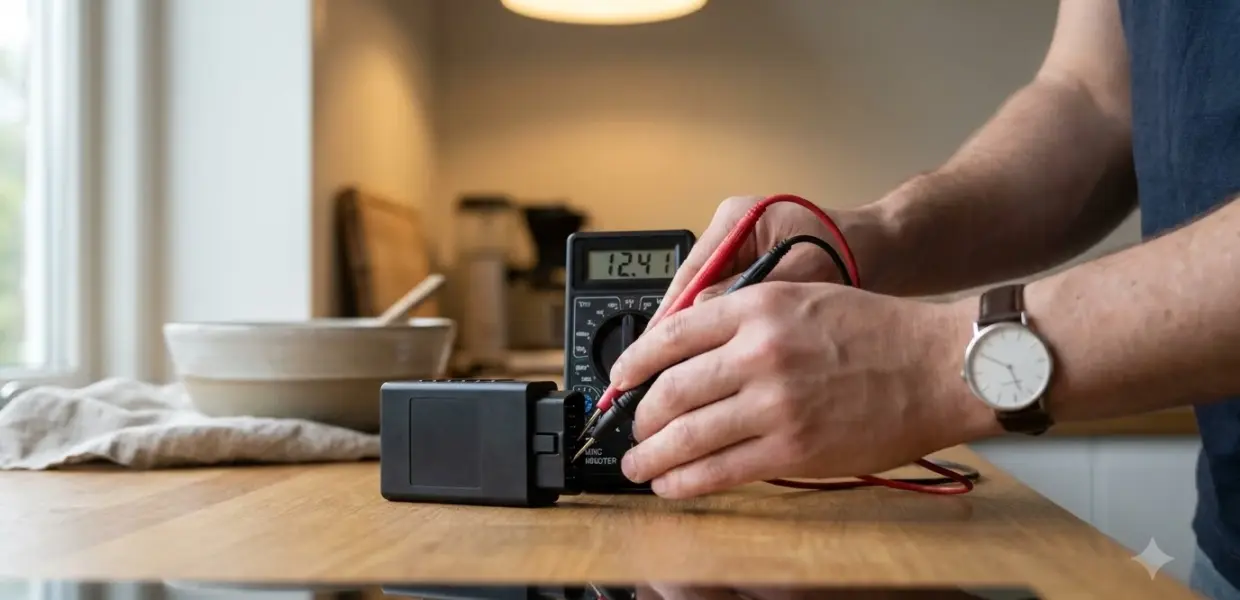

The p0030 code means the engine control module found a fault in the heater control circuit of the Bank 1 Sensor 1 oxygen sensor. The code is not critical on its own, but it still needs a proper check.
The heater warms the sensor so it can report exhaust data quickly after a cold start. Check the battery, the wiring and the fuse before you buy an oxygen sensor.
What the P0030 Code Means
The p0030 code means the engine control module detected a fault in the heater circuit of the primary oxygen sensor on Bank 1, according to Kelley Blue Book.
Kelley Blue Book titles the code HO2S Heater Control Circuit, Bank 1 Sensor 1. HO2S is the heated oxygen sensor, the sensor that the engine computer heats so it can read exhaust gases.
Sensor 1 sits between the engine and the catalytic converter, where it monitors the exhaust, according to Kelley Blue Book’s P0030 code page. The sensor does not work properly when it is cold, which is why it has a heater. Sensor 1 is the upstream sensor, and Bank 1 is the side of the engine that holds cylinder 1. Related heater-circuit codes include the P0135 code and the P0036 code, so read the full code text on your report. The word control in the code name points to the path the engine computer uses to switch that heater, so a fault can sit on the computer side as well as the sensor side.
Common Causes Behind the Heater Fault
The p0030 code is usually caused by a high-resistance or open heater element, a wiring fault, or a failed heater driver inside the engine computer. Kelley Blue Book lists these causes:
- A faulty heater element, often with high resistance or an open circuit
- A failed heater driver inside the engine control module
- Power-side or ground-side problems in the heater circuit
- Wiring faults between the engine control module and the sensor
- A failed oxygen sensor
Kelley Blue Book calls a faulty engine control module relatively rare, so treat it as the last suspect after the wiring, power and sensor checks. That order also tends to save money, because a battery, fuse or wiring fault is usually simpler to correct than a computer fault.
Symptoms of the P0030 Code and How Serious It Is
A p0030 code usually turns on the Check Engine Light and can slow the sensor’s response for the first few minutes of driving. Kelley Blue Book lists these symptoms:
- Check Engine Light on
- Slow sensor response for the first three to five minutes of running
- Reduced engine performance
- Lower fuel economy
The slow response matters because the engine computer can switch to a fixed fuel mixture until the sensor warms up. That is a reason to fix the fault rather than live with it. A cold engine is when the slow response shows most, so a p0030 code may feel worse on short trips than on a long drive.
Kelley Blue Book says the code is not critical: “The P0030 code isn’t a critical code because it won’t cause immediate damage to your engine.” It also says you can still drive the car, but it should be examined, since further damage to the engine or exhaust parts is possible over time.
How to Diagnose the P0030 Code in Order
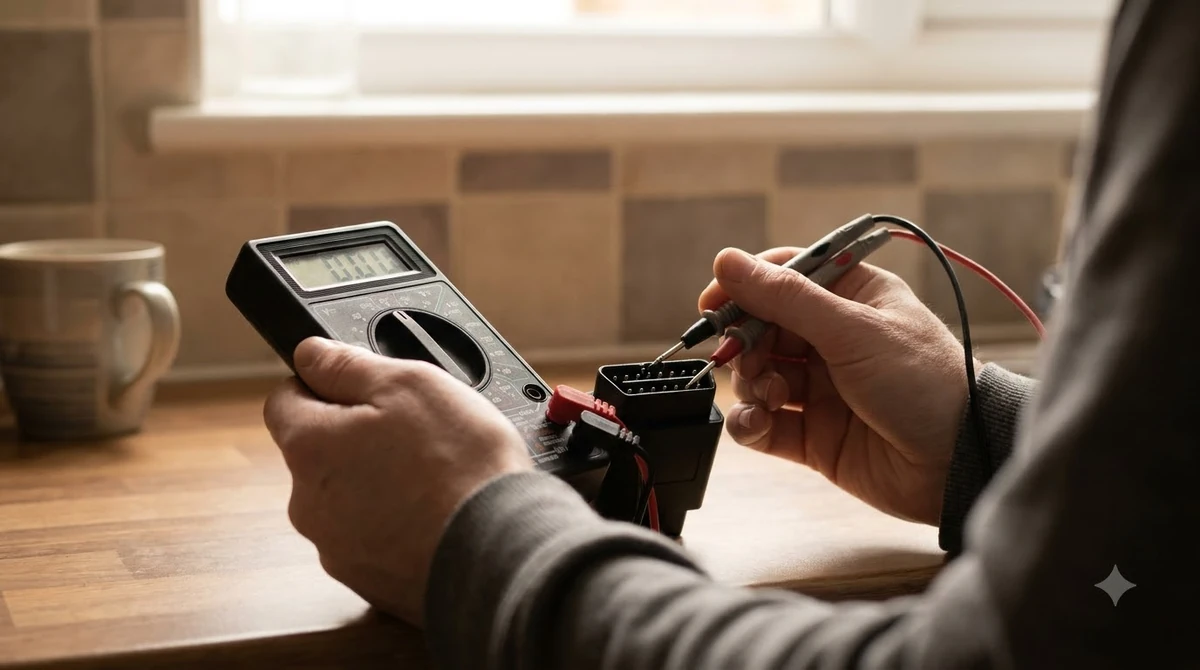
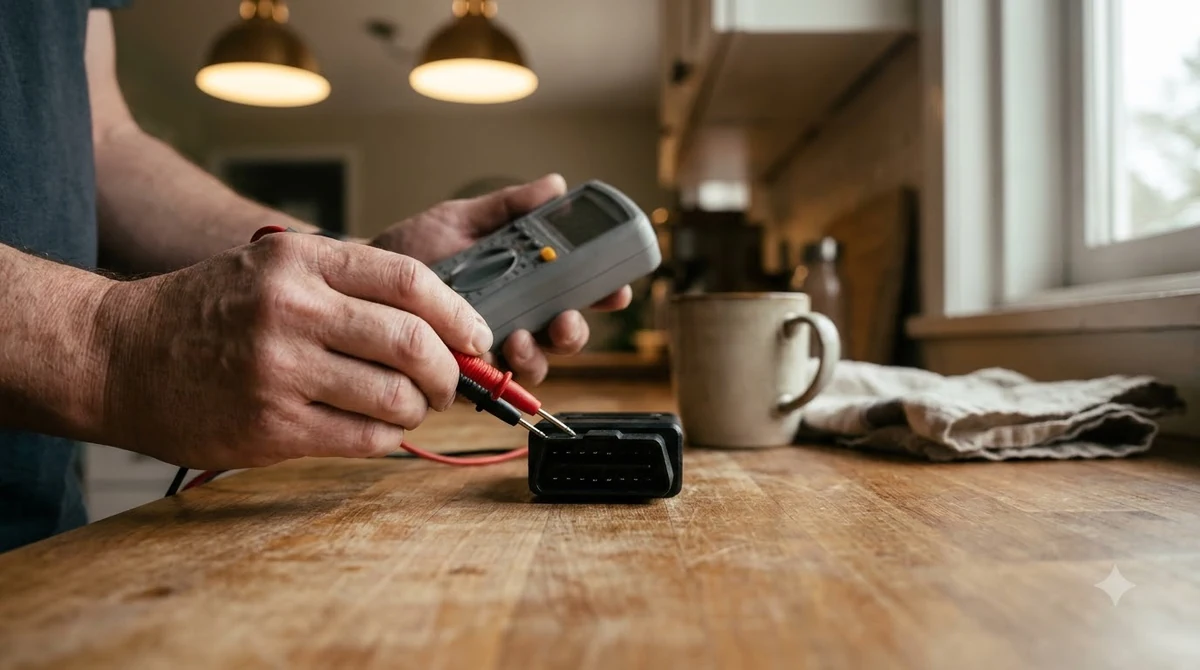
Reset the code and test-drive the car first, then check the battery, the wiring and the sensor voltage, because these checks come before any part purchase. Use a multimeter and your vehicle’s service information for the readings. Kelley Blue Book suggests this sequence:
- Reset the code and test-drive the car to see whether the code returns.
- Check the sensor’s voltage and ground with a multimeter.
- Check the heater supply voltage. Kelley Blue Book says a reading below 12 volts may mean the battery needs replacing (see how to test a battery with a multimeter).
- If the battery is fine, assess the engine control module and its heater driver.
- If the control module tests good, replace the Sensor 1 oxygen sensor.
Work only on a cool exhaust, and follow your vehicle’s service information before you unplug any connector near the exhaust.
| Check | What a fault points to | Next step |
|---|---|---|
| Heater supply voltage below 12 volts | Battery or charging problem | Test or replace the battery, then retest |
| Sensor voltage and ground | Open or short in the sensor wiring | Repair the wiring, then retest |
| Heat-damaged wiring | Harness damage near the exhaust | Replace the damaged section |
| Blown fuse in the heater circuit | Open circuit | Find the cause before replacing the fuse |
| Heater driver in the computer | Fault after the other checks pass | Have a technician assess the computer |
What a Manufacturer Bulletin Shows for P0030
A 2018 Jaguar Land Rover bulletin hosted on NHTSA’s site checks the sensor wiring first and replaces the sensor only if no wiring fault is found. Bulletin LTB01191NAS2, dated 21 August 2018, covers the case where the p0030 code is stored.
Its vehicle range is narrow. It lists the Discovery 2017 to 2018 with the 3.0-liter TDV6 diesel, the Range Rover Velar 2018 with the 2.0-liter Ingenium diesel, and the Range Rover Sport and Range Rover 2016 to 2018 with the TDV6 diesel, in North America. The workshop steps are:
- Inspect the heated oxygen sensor wiring for a short or open circuit.
- If a short or open is found, repair the wiring before continuing with the bulletin.
- If no short or open is found, replace the heated oxygen sensor.
After the work, the bulletin calls for clearing the codes, switching the ignition on and off three times, and reading the codes again. If the code is still stored after a wiring repair, the bulletin moves to the sensor replacement step.
The bulletin’s SDD diagnostic procedure applies to 2016 model year vehicles only, and it is written for trained technicians, not do-it-yourselfers. Check that your make, model, year and engine match before you apply any of these steps to your car.
How to Fix the P0030 Code and When to Stop
Fix the fault you find: repair heat-damaged wiring or a blown fuse, and replace the Sensor 1 oxygen sensor only after the other checks come back normal.
Kelley Blue Book says the repair usually includes inspecting and replacing heat-damaged wiring, checking for blown fuses, and testing the control circuit for open resistance. Once an open is repaired, the oxygen sensor is usually replaced. Before you buy one, read how to test an O2 sensor and compare the oxygen sensor repair cost. The same source advises against doing this repair yourself.
Clearing the p0030 code without a fix does not solve anything. It only turns the light off for a while, and the engine computer can set the code again when it next checks the heater circuit. If the fault is still there, the code comes back during the test drive.
Stop and see a technician if the code returns after a reset, if the heater supply still reads below 12 volts after battery testing, or if you find damaged wiring near the exhaust.
Frequently Asked Questions
Can I drive with a p0030 code?
Yes, you can usually still drive the car, according to Kelley Blue Book. The code is not critical and does not cause immediate engine damage, but the car should be examined because further damage to the engine or exhaust parts is possible over time.
Is the p0030 code the same as P0135?
No. Both codes involve a heated oxygen sensor, but they are separate codes, so read the full code text on your scan report before you order parts. Kelley Blue Book describes the p0030 code as a heater control circuit fault for Bank 1 Sensor 1.
Will clearing the p0030 code fix it?
No. Clearing the code only shows whether the fault comes back after a test drive. Kelley Blue Book recommends the reset for that purpose, while the wiring, battery and engine control module still need testing. A code that returns soon after clearing means the fault is still present.
Do I always need a new oxygen sensor?
No. Kelley Blue Book says the oxygen sensor is usually replaced, but only after the battery, wiring and control module checks point to the sensor. Heat-damaged wiring or a blown fuse can cause the code without a sensor fault, so a new sensor on its own may not clear the problem.
When should I see a technician?
See a technician if the code returns after a reset, if the heater supply reads below 12 volts after battery testing, or if you find damaged wiring near the exhaust. The diagnosis involves the engine control module, so a professional check is the safer route.
A p0030 code is a good reason to check the cheap items first. Test the battery and wiring before you spend money on a sensor, and keep your scan report in case the code returns. Note when the light came on, since the stored code and the conditions help a shop find the fault faster, and avoid long delays because the code can affect fuel economy and exhaust parts over time.
