

Cruise control not working usually comes down to a blown fuse, a faulty brake pedal switch, a failed speed sensor or damaged wiring. Start with the cheap checks, but treat any brake-related fault as urgent.
The brake switch deserves the most attention, because a fault in it can stop cruise from cancelling when you press the pedal. Book a diagnosis if the basic checks find no cause.
This guide gives general diagnostic steps. Brake and electrical repairs carry real risk, so have a qualified technician work on the brake system or wiring.
What Causes Cruise Control Not Working?
Most cruise control not working problems come from one of five causes. Each one affects a different part of the system, so the symptom often points to the likely fault.
- Blown fuse: a short or fault can blow the cruise fuse, and the system will not run without it.
- Defective brake pedal switch: it feeds the cruise system, so a failure can make the car read the brakes as applied.
- Faulty speed sensor: wheel or differential sensors feed cruise control, and a failure often triggers an ABS or check engine light.
- Electrical problems: damaged wiring, bad connectors or low voltage can interfere with the system.
- Faulty control switch: a worn cruise lever or steering-wheel buttons can prevent the system from engaging.
Newer cars with adaptive cruise can also disable the feature when a radar or camera is blocked by dirt or debris, so cruise control not working may simply mean a dirty sensor. Check the dashboard for a sensor message before assuming a serious fault.
Check the Fuse and Warning Lights First
When cruise control not working, a blown fuse is the quickest fault to rule out, and the owner’s manual shows where it sits. Work through these steps before you replace any parts.
- Find the cruise control fuse in the owner’s manual and inspect it. A replacement fuse costs a few dollars and takes seconds to fit.
- Look for an ABS or check engine light on the dashboard, since a faulty speed sensor often sets one. A brake-related lamp is a separate warning, covered in this guide to a brake light on the dashboard.
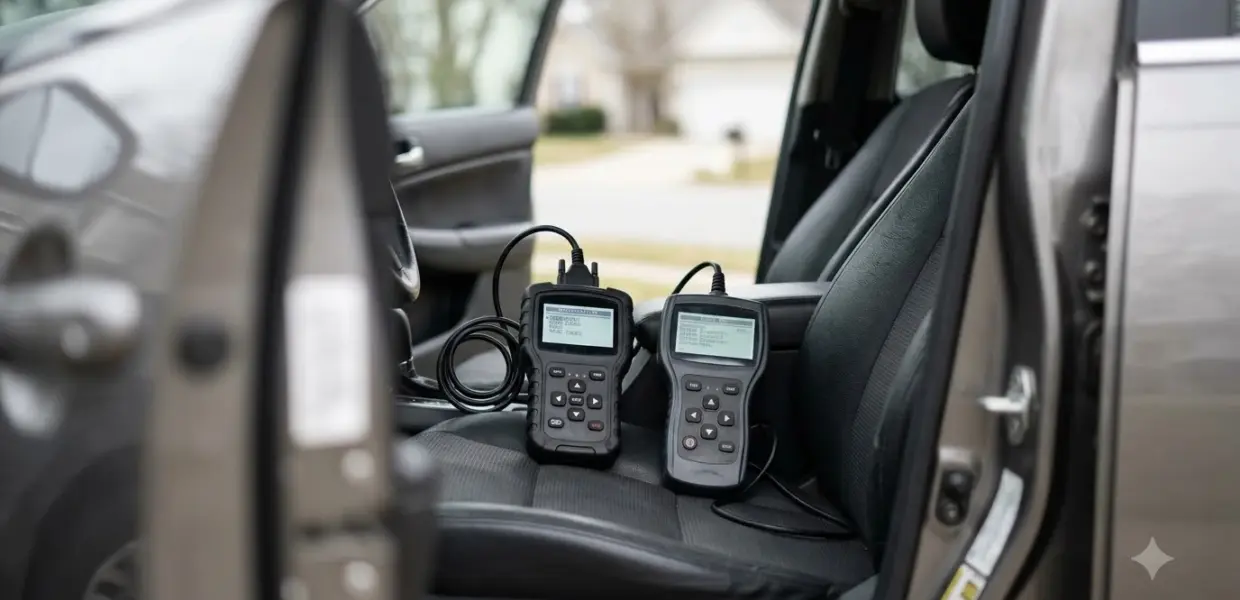
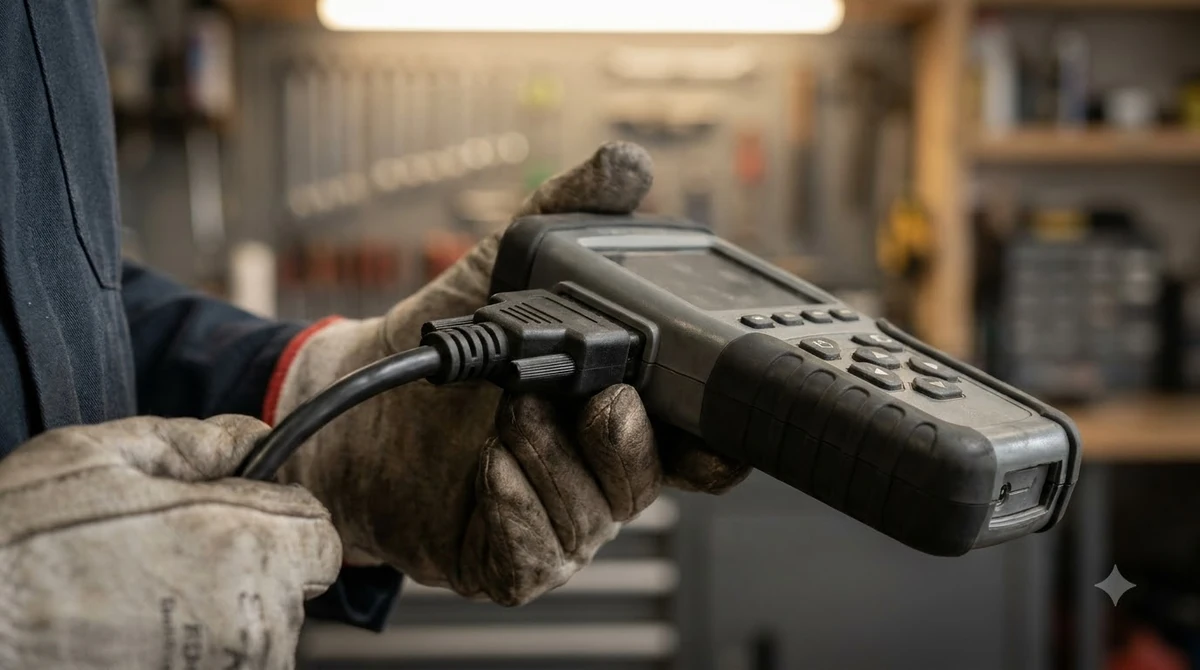
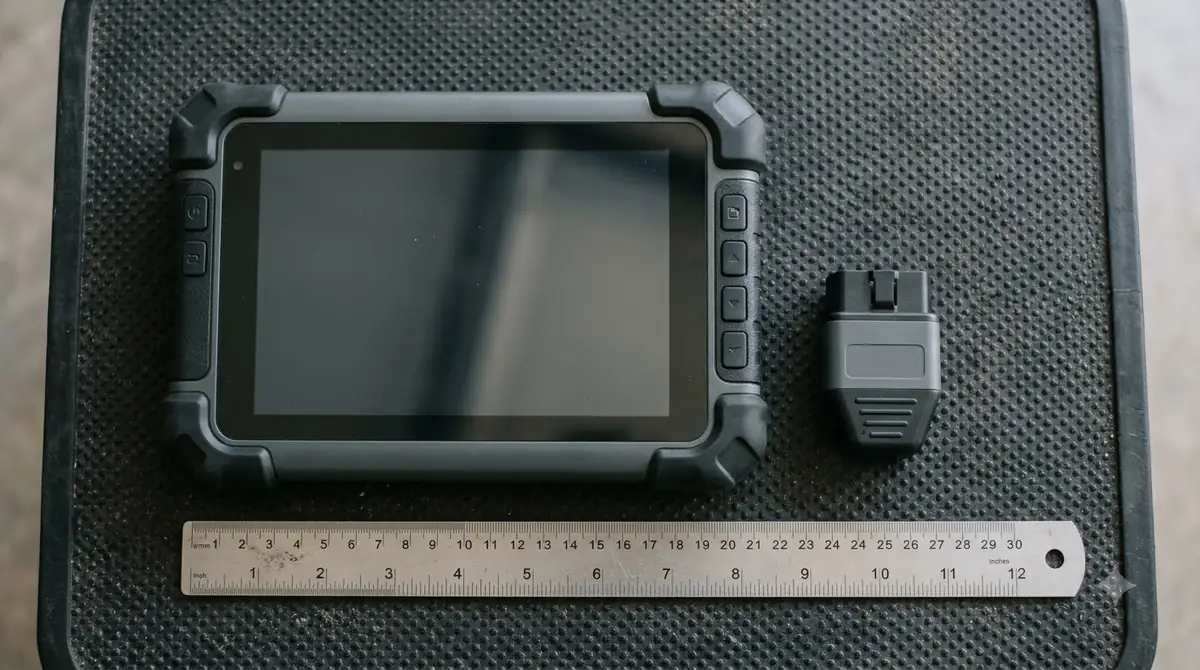
- Plug in one of the OBD2 code readers and look for cruise-related trouble codes. Not every cruise fault sets a code, so a clean scan does not rule out a fault.
- If the check engine light is on (see what the MIL means), read the codes before assuming cruise is at fault, because most models disable cruise while it is lit.
If the fuse is intact and no codes appear, move on to the brake switch and the speed sensor, since cruise control not working often traces back to one of them. A fuse that blows again usually means a short that needs tracing, not another fuse. Note how the problem shows up, such as whether cruise will not engage or drops out while driving, because that detail helps a technician narrow the fault.
Why a Faulty Brake Switch Is a Safety Problem
A failed brake pedal switch is one reason for cruise control not working, since it can stop the system from cancelling when you press the brake, which raises the risk of a crash. The same switch also controls your brake lights.
Cruise control is designed to disengage the moment the brake pedal is pressed. The brake switch tells the system that the brakes are in use. When it fails, the car may read the brakes as applied and shut cruise off, or it may fail to cancel cruise at all.
A federal recall shows how serious this failure can be. According to NHTSA’s record for recall 11V-415, a 2012 Isuzu N-Series truck with a gasoline engine had an engine control module calibration error. That error did not detect brake pedal switch failure, so braking did not cancel cruise. The fix was an ECM reprogram at no charge. The recall covers that model only, so it does not describe how your car is built. It does show that a brake switch fault can leave cruise control not working as designed even when the rest of the car seems normal.
Until a technician confirms the switch works, avoid cruise control on roads where you may need to brake suddenly.
Speed Sensors, Wiring and Steering-Wheel Controls
A failed wheel speed sensor can leave cruise control not working and make the speedometer act strangely. Damaged wiring, loose connectors and low voltage can also cause the problem.
Wheel and differential speed sensors feed the cruise system and also support traction control. A failed sensor often shows up as an ABS light, a check engine light or a speedometer reading that jumps or drops. Treat those symptoms as a clue to the speed sensor, not only to the cruise switch, when cruise control stops working alongside them. A speedometer that fails outright has its own causes, covered in this guide to a speedometer not working.
Wiring problems are harder to spot. Look for chafed insulation, corroded pins and loose plugs, especially near the steering column and in the engine bay.
If the buttons are on the steering wheel, a worn clock spring behind the wheel can be the cause. Clock spring work involves the airbag circuit, so leave it to a technician. If the airbag lamp is also lit, read why the airbag light comes on.
Older Cars: Vacuum Hoses, Actuators and Throttle Cables
On older vehicles, cracked vacuum hoses, a failed actuator or a broken throttle cable can cause cruise control not working entirely. An actuator failure can cost more than $700 on some vehicles, as of 2026-11-06.
Vacuum-operated systems use hoses to move the actuator that controls the throttle. A cracked or disconnected hose lets air leak in, and the system then cannot hold speed. Inspect the hoses for cracks, soft spots and loose clamps, and listen for a hiss near the engine.
Cable-operated systems depend on the throttle cable linking the actuator to the throttle body. A stretched or broken cable can prevent cruise from holding speed. Cars with electronic throttle control have no such cable, so this section applies only to older mechanical systems.
How Much Does Cruise Control Repair Cost?
For cruise control not working, a fuse costs a few dollars, while a brake switch or cruise control component runs about $125 to $350 with parts and labor, as of 2026-11-06.
| Repair | Typical cost (as of 2026-11-06) | Notes |
|---|---|---|
| Replacement fuse | A few dollars | Simple DIY job once the fuse is located |
| Brake pedal switch or cruise control component | About $125 to $350 | Parts and labor, third-party estimate |
| Actuator on some vehicles | More than $700 | Older systems, where parts can be harder to find |
These figures come from MechanicBase, a third-party repair site. Your price depends on make, model, shop rates and region, so get a written quote before you approve the work.
When to Stop Using Cruise Control and Call a Mechanic
Stop using cruise control if it does not cancel when you press the brake, since cruise control not working in that way is a safety fault. Book a diagnosis soon. Brake-related faults have also led to recalls on other vehicles.
Cruise control is designed to disengage when the brake pedal is pressed. If yours stays engaged after braking, or the brake light stays on, treat it as a safety fault rather than a comfort issue.
The same type of risk appears in a different vehicle. NHTSA’s record for recall 20V-567 covers 128,269 Freightliner Cascadia P4 trucks built from 2017 to 2021. A pressure switch could keep the brake lights on, and some owners reported cruise control rendered inoperative. The recall covers that truck only.
Book a diagnosis if cruise control:
- Stays engaged after you brake
- Will not engage even though the fuse is intact
- Comes on with an ABS or check engine light
- Leaves a brake light on after you release the pedal
Frequently Asked Questions
Can I still drive with cruise control not working?
Yes. Cruise is a convenience feature, and you can drive normally and use the brakes as usual. Avoid using cruise until it is fixed, especially if it does not cancel when you press the brake, and have a technician check the brake switch soon.
Does a blown cruise fuse fix itself?
No. When cruise control not working is caused by a blown fuse, the fuse usually signals a short or fault in the circuit, so replacing it without finding the cause can blow it again. A technician can trace the wiring if the fuse keeps failing.
Does a check engine light stop cruise control?
In most models, yes. A lit check engine light disables cruise control, so cruise control not working may be a side effect of another fault, even if cruise itself is not the cause. Read the trouble codes to find the underlying fault.
Can I replace the brake switch myself?
Brake switch work affects the brake lights and the signal that cancels cruise. A qualified technician should test and replace it, then confirm that the brake lights and cruise cancel both work correctly. Do not guess at this repair, because a wrong fix can leave the brake lights or the cancel signal unreliable.
Do I need an OBD2 scanner for cruise control problems?
A scanner can reveal related trouble codes when cruise control not working, but not every cruise fault sets one. Use it alongside the fuse, warning light and brake checks rather than as the only test, and read any stored codes before you replace parts.
Start with the fuse, the warning lights and a scan, since those checks are fast and cheap. Never leave a brake switch fault unresolved, because cruise control not working in that way is a crash risk. If the basic checks find nothing, a diagnosis is a better use of money than replacing parts one by one.
