
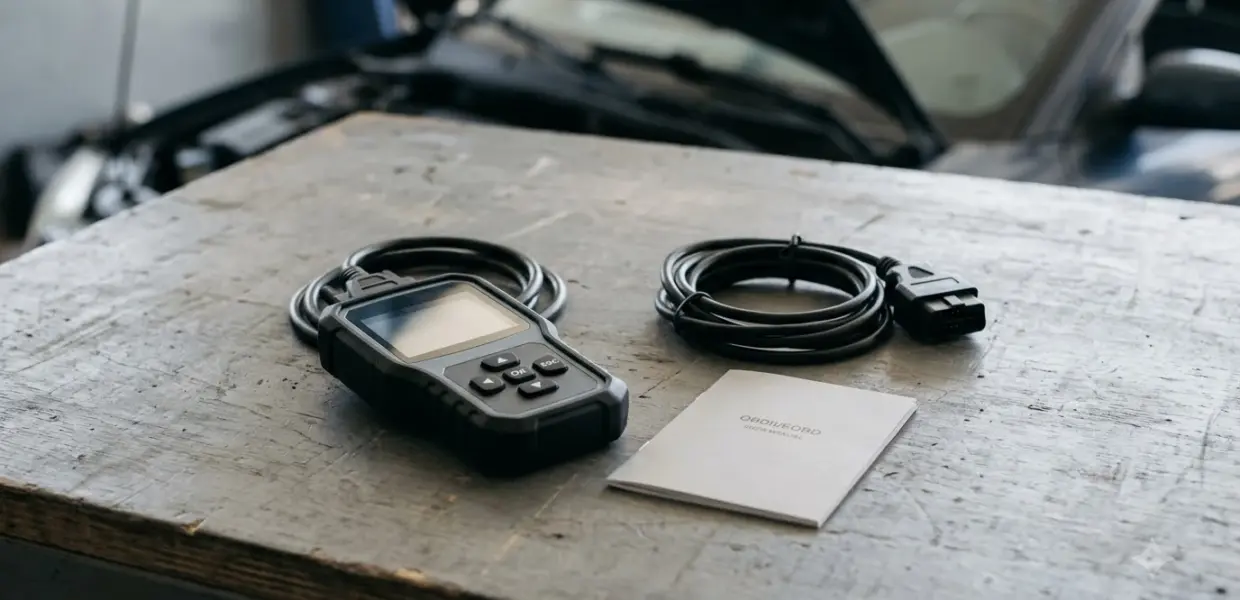

A p0451 code means the engine computer has received an erratic or out-of-range signal from the evaporative (EVAP) fuel tank pressure sensor. As of 2026-11-06, repair guides point to the sensor, its wiring, the vent path and the fuel cap as the first places to check.
The code often causes no change in how the car drives, so it is easy to put off. Check the cheap items first, then decide whether the sensor needs replacing.
What the p0451 Code Means
According to KBB’s code guide, P0451 is defined as Evaporative Emission System Pressure Sensor/Switch, meaning the computer cannot trust the reading from the EVAP pressure sensor.
The EVAP system captures fuel vapors from the tank and routes them back into the engine to be burned, instead of letting them escape. The pressure sensor lets the engine computer check that this system is holding pressure as designed. A p0451 code therefore points to a problem in that monitoring, not to a failed engine part.
Some guides list the code under a longer name, Evaporative Emission Control System Pressure Sensor Range/Performance. Both names describe the same sensor problem. If a scan tool shows that longer name, you are still looking at a p0451 code.
The p0451 code does not name a single failed part. It describes a signal problem, which is why the sections below start with the cheap checks.
What Sets a p0451 Code
The engine computer sets a p0451 code when the EVAP pressure sensor sends an inaccurate or erratic voltage signal, or when pressure readings fall outside the manufacturer’s accepted range.
The repair guide from iCarsoft describes a typical sensor range of about -8 to +8 kPa, or an equivalent voltage. It also says sensor voltage should fall between 0.5 V and 4.5 V, with the engine computer supplying a 5 V reference. Those numbers are typical values, not a specification for your car.
Because the limits depend on the make, model and year, the service manual for your vehicle is the final reference for pass and fail values.
A p0451 code can also come from something other than the sensor. A loose cap or a small vent leak changes the pressure the sensor reads, so the computer may flag the sensor even when the sensor itself is sound.
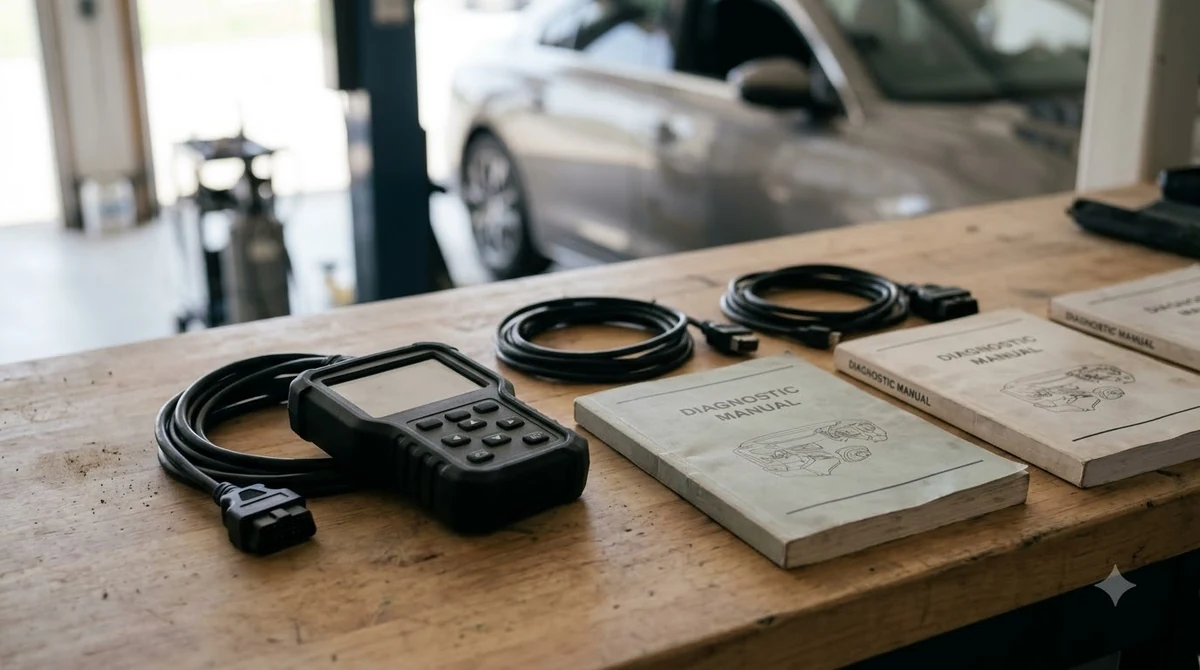
Common Causes of a p0451 Code
The causes repair guides name most often are a faulty EVAP pressure sensor, damaged wiring, a blocked vent line and a loose or damaged fuel cap, according to iCarsoft and KBB.
The list below runs from the sensor itself to the parts around it. Use it as a checklist, not a ranking, because the sources do not rank causes by how often they occur.
- A faulty fuel tank pressure sensor or sending unit, as listed on KBB.
- An open or shorted sensor circuit, or damaged and corroded connectors.
- A blocked or restricted EVAP vent line, which can also set the P0446 vent control code.
- A loose or damaged fuel cap, or a small EVAP leak such as the one behind the P0442 code.
- An engine computer software or hardware fault, checked after the others.
The fuel cap deserves a closer look. The EPA on-board diagnostics fact sheet, published in 1997, says a cap that is not fully tightened after refueling lets the OBD system detect a vapor leak. The same document says the dashboard light should go out within a few days after the cap is tightened.
The fact sheet also says that a light caused by a loose cap is not an indication of a faulty OBD system. A loose cap is still a leak, so tightening or replacing it is the cheapest first step. Our guide to the check engine light from a loose gas cap covers that case in more detail.
How to Diagnose a p0451 Code
Read the stored codes, then check the cap, wiring and vent lines before buying a sensor. A healthy sensor should read between 0.5 V and 4.5 V.
KBB advises against do-it-yourself diagnosis because the process is multi-step. If you work through the steps below, bring your notes to a shop so the technician can start from your findings.
- Scan the engine computer for all stored codes. KBB says related codes often follow P0451, so address them in the order they were stored.
- Check the fuel cap. Make sure it is tight and undamaged, then tighten or replace it and retest.
- Inspect the sensor connector, wiring and vent lines for damage, corrosion or blockage. KBB and iCarsoft both list these checks.
- Measure sensor voltage with a multimeter. The reading should fall between 0.5 V and 4.5 V, with a 5 V reference from the engine computer.
- Smoke-test the EVAP system to find leaks, and clear any vent line blockage. iCarsoft lists both steps.
- If the code remains, inspect the charcoal canister, purge valve, and vacuum and vapor hoses. The purge valve replacement cost guide shows what that part runs. Repair each fault and retest until the code clears, as KBB describes.
Before you start, write down when the light came on, whether you refueled recently, and whether you smell gasoline near the car. These details help the technician decide whether to begin with the cap or the wiring.
Replacing the sensor before testing the wiring can waste money. A good sensor on a broken circuit still sets the same code.
Gasoline vapors are involved, so keep sparks and open flames away from the fuel system while you work.
What a p0451 Code Repair Costs
As of 2026-11-06, one repair-shop guide lists an EVAP pressure sensor at $60 to $150 and a fuel cap at $20 to $50.
| Repair | Estimate cited by iCarsoft, as of 2026-11-06 |
|---|---|
| EVAP pressure sensor | $60 to $150 |
| Wiring repair | $50 to $150 |
| Fuel cap | $20 to $50 |
| EVAP vent line cleaning | $50 to $100 |
| Engine computer (ECM) update | $0 to $150 |
These figures come from a single repair-shop blog rather than a parts price list, so read them as rough ranges. The KBB page on this code gives no dollar figures at all.
Repair quotes often split the total into parts, labor and diagnosis. Ask for each line before you approve the work, so you can see whether a sensor, a cap or a wiring repair is being priced.
The totals change with labor rates, the sensor location on your vehicle and regional prices. A written estimate from a local shop, based on a scan and a test, is the number that counts for your car.
The cheaper items come first for a reason. A cap or vent line check costs far less than a sensor replacement, so working down the list can save money when the cause is a simple leak.
Does a p0451 Code Affect Driving or Emissions Tests?
KBB says the code often has no impact on vehicle performance or driveability. The usual sign is the check engine light, and the system can also let a gasoline smell reach you.
iCarsoft lists more symptoms in some cases. Watch for these signs:
- Check engine light on.
- A fuel odor near the vehicle.
- A fuel pump that shuts off repeatedly while refueling.
- A failed emissions test.
KBB notes that the system can release harmful, unpleasant gasoline vapors, so get the car checked if you smell gasoline. Treat the fuel pump symptom as a reason to book a shop visit soon.
Emissions rules vary by state and by testing program, so check your local requirement before the next inspection date. A loose cap is one of the fastest fixes to try before that visit.
Frequently Asked Questions
Is a p0451 code serious?
A p0451 code is usually not an immediate engine emergency, since KBB says it often has no impact on performance or driveability. It still deserves a check, because the EVAP system releases gasoline vapors and other codes can appear with it.
Can I keep driving with a p0451 code?
KBB says the code often has no effect on driveability, so a short delay for diagnosis is usually acceptable. Get the car checked sooner if you smell gasoline, see other warning lights, or the fuel pump shuts off while refueling.
Will tightening the gas cap clear a p0451 code?
It might, but not necessarily. The EPA fact sheet describes a loose cap triggering vapor-leak detection, and the light can go out within a few days after tightening. The fact sheet does not name P0451 specifically, so confirm with a scan.
Can I clear a p0451 code myself?
A scanner can clear the stored code, but KBB says to repair the cause and retest until the code clears. Clearing it alone does not fix a sensor, a wiring fault or a leak, so the code may return.
Does a p0451 code always mean a bad sensor?
No. KBB lists an open or shorted sensor circuit as a cause, and iCarsoft lists wiring, vent lines, the fuel cap and the engine computer. The sensor is one of several possible causes, so testing comes before replacement.
If the p0451 code returns after the cap, wiring and vent checks, book a shop smoke test next. A small leak or a weak sensor is hard to confirm by eye, and the test gives a clearer answer before you spend money on parts.
