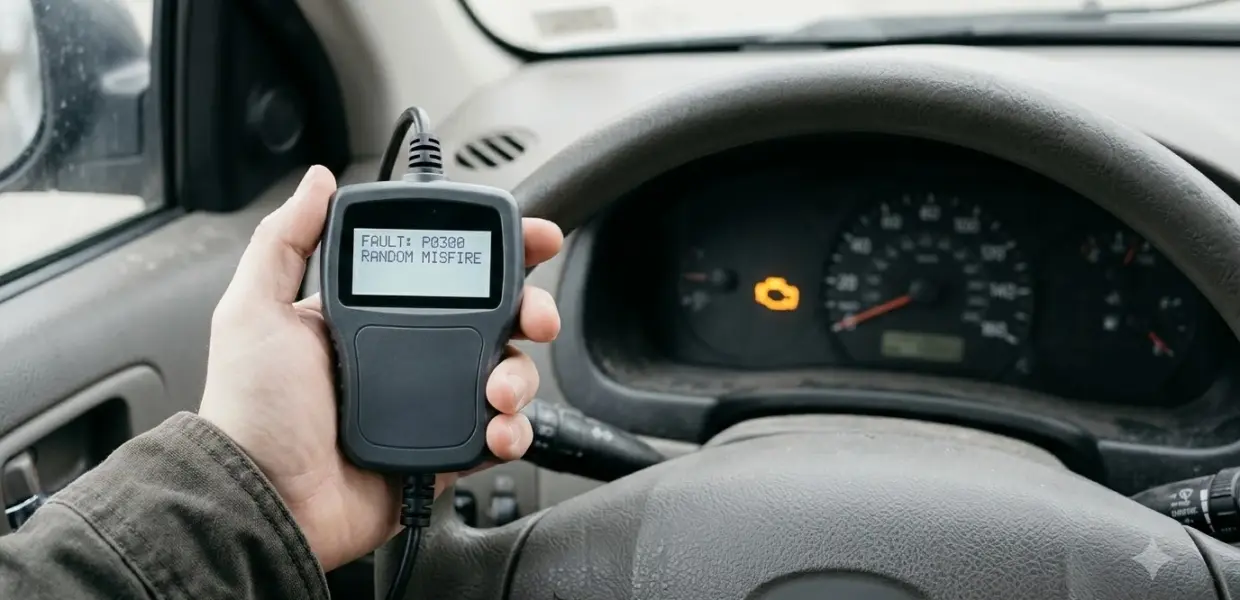

A Jeep Cherokee check engine light means the onboard diagnostic system has detected a fault. A steady light calls for a check soon, while a flashing light signals a severe problem that needs prompt action.
A loose gas cap is one common cause, but a misfire can damage the engine or catalytic converter. Check whether your Jeep Cherokee check engine light is steady or flashing first, then decide whether to keep driving or stop.
What the Check Engine Light Means on a Jeep Cherokee
A steady check engine light means the onboard diagnostic system has detected a problem that needs attention soon, according to the EPA’s OBD guidance. The Jeep Cherokee check engine light is a warning from the vehicle’s computer, not a diagnosis. It confirms that a stored fault exists, but it does not name the failed part.
A scanner reads the stored trouble code, and that code narrows the search. Simple checks such as the gas cap come first, because they cost little and address the most common trigger.
If the fault clears, the computer turns the light off on its own. The EPA describes this as the system doing its job, not as a sign that the system failed. A light that keeps returning, though, means the cause is still present and needs a closer look.
Steady vs. Flashing: How Urgent Is It?
A steady light calls for a check soon, but a flashing light signals a severe problem and calls for stopping as soon as it is safe. The two patterns carry different levels of urgency, so reading how the Jeep Cherokee check engine light behaves matters as much as noticing it is on.
| Light | What the EPA says | What KBB says |
|---|---|---|
| Steady | A problem is detected. Have it serviced soon if it stays on after a few short trips. | A steady light is different from a flashing one. The cause can be as simple as a loose fuel cap, so get a professional diagnosis. |
| Flashing | A severe problem, such as a catalyst-damaging misfire. You can still drive, but should minimize time on the road. | “A flashing check engine light spells trouble.” Pull over and turn off the engine. |
The two sources differ on driving with a flashing Jeep Cherokee check engine light. The EPA’s OBD brochure says you can still drive safely for a short distance, while KBB says to pull over and shut the engine off. For a Cherokee, follow the stricter advice and stop when it is safe.
Common Causes Behind the Light
A loose or faulty gas cap is one of the more common causes of the light, according to KBB. The gas cap is also the cheapest place to start for a Jeep Cherokee check engine light, and our guide to a check engine light caused by a loose gas cap covers the details. Tighten it, drive several short trips, and see whether the Jeep Cherokee check engine light goes off.
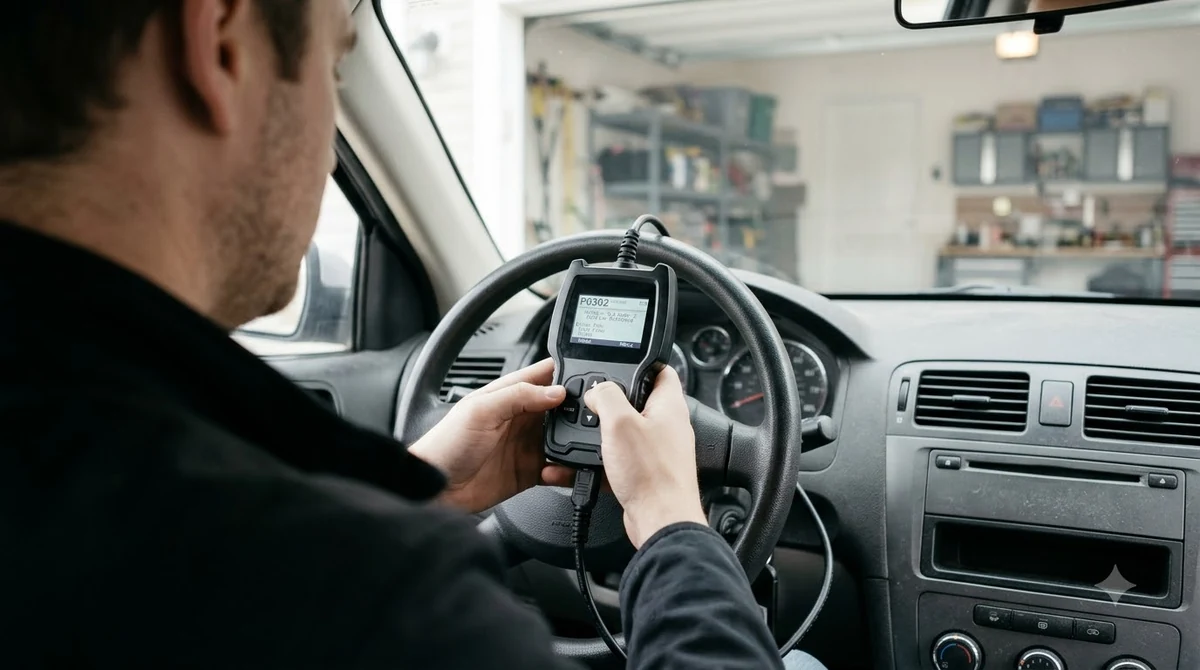
- A loose or missing gas cap, which the EPA names as a common trigger.
- Humidity or a temporary weather change, which KBB says can trigger the light and may clear after a drive.
- Excess emissions, high fuel use or a misfire, which KBB lists as reasons the light can come on.
- Misfire codes P0300 to P0304, which NHTSA lists among codes a technician may find on 2015 KL Cherokee vehicles with the 2.4L engine.
A misfire is the most serious item on this list. The EPA says a severe misfire can damage the catalytic converter, so do not wait on a blinking light tied to a misfire code. See what a flashing check engine light means for the general rules.
Known Bulletin for the 2014-2015 Cherokee 2.4L
NHTSA posts a powertrain control module (PCM) reflash for 2014 and 2015 KL Jeep Cherokee vehicles with the 2.4L engine, dated May 20, 2016, because some customers see the Jeep Cherokee check engine light come on. The bulletin is listed as TSB 18-004-16 REV. A and covers sales codes ED6 and ED8.
The NHTSA bulletin 10141271 lists the codes a technician may find. For 2015 KL vehicles, the list includes P0300 through P0304, P0456, P0335 and P2172, along with several other codes.
The repair is a PCM reprogram with the latest software. The bulletin says to connect a battery charger so voltage does not drop below 13.2 volts, and does not climb above 13.5 volts, during the flash. If the flash is interrupted, restart it from the beginning.
This bulletin covers only 2014 and 2015 KL Cherokee vehicles with the 2.4L engine. Other model years and engines are not covered here (for a different Cherokee part, see the Jeep Cherokee battery size guide), so ask a dealer to check the VIN before assuming the repair applies to your vehicle.
What a Diagnostic Check Costs
As of 2026-11-06, KBB puts the national average for a check engine light diagnosis at about $131 to $209, a figure that covers all vehicles and not only Jeeps. That range is a starting estimate for a Jeep Cherokee check engine light scan, not a quote for your vehicle, and local shop rates can sit above or below it.
- Dealers usually charge a service fee for the check, and KBB gives no dollar amount for it.
- KBB says it never hurts to ask the fee question if you have a long-standing relationship with a dealership.
- Some independent mechanics diagnose the problem for free.
- Many auto parts stores offer free diagnostics, which is the cheapest first step.
KBB reports no Jeep Cherokee-specific repair price range for this problem, so the total cost depends on the cause the scan finds. Ask for the diagnosis fee in writing before you approve any repair.
Reading the Code Yourself
An OBD-II scanner reads the stored trouble code behind a Jeep Cherokee check engine light, which gives you a starting point before any repair. The EPA says the technician connects the scanner to a small connector, usually found under the dashboard, and then reads the stored codes. The technician then confirms the cause with tests before any part is replaced.
- Find the diagnostic connector, which the EPA says is usually under the dashboard.
- Plug in the scanner and follow its prompts to read the stored codes.
- Write down the code, then look it up and compare it with the bulletin list above.
- Clear the code only after you have recorded it, because clearing erases the stored fault.
Our guide to resetting the check engine light the right way goes deeper. KBB says the light can also be reset by letting it go off on its own, by cycling the ignition, or by disconnecting the battery. If the Jeep Cherokee check engine light stays on or returns, the problem likely still exists, and covering the light with tape does not fix it. Jeep Renegade owners can compare the steps in our Jeep Renegade check engine light guide.
When to Book a Shop Visit
Book a shop visit if the Jeep Cherokee check engine light stays on after several short trips following a gas cap fix, or if another warning appears with it. Those two signs mean the cause is not solved by the simplest check.
The EPA says that if the Jeep Cherokee check engine light does not go out after a few short trips following gas cap replacement or tightening, a qualified technician should service the vehicle soon, because delay can lead to more expensive damage. KBB adds that a temperature or oil pressure warning showing with the light is a major problem and needs service without delay.
Use the 2015 bulletin only as a starting point when your Jeep Cherokee check engine light is on. It covers 2014 and 2015 KL Cherokee vehicles with the 2.4L engine, so a different year or engine needs its own check.
Frequently Asked Questions
Will a Jeep Cherokee check engine light go off on its own?
Sometimes. The EPA says the light turns off once the computer no longer detects the problem. KBB says a light triggered by humidity may clear after a drive, but a light that keeps returning still needs a diagnosis.
Can I drive with a steady check engine light?
Usually yes for normal driving, but the EPA says a Jeep Cherokee check engine light that stays on should be serviced soon. Check the gas cap first, then book a diagnosis if the light remains after several short trips.
Does a flashing light always mean serious engine failure?
Not always, but the EPA treats a blinking Jeep Cherokee check engine light as a severe problem, such as a misfire that can damage the catalytic converter. Stop driving as soon as it is safe and avoid high speeds or heavy loads until the cause is found.
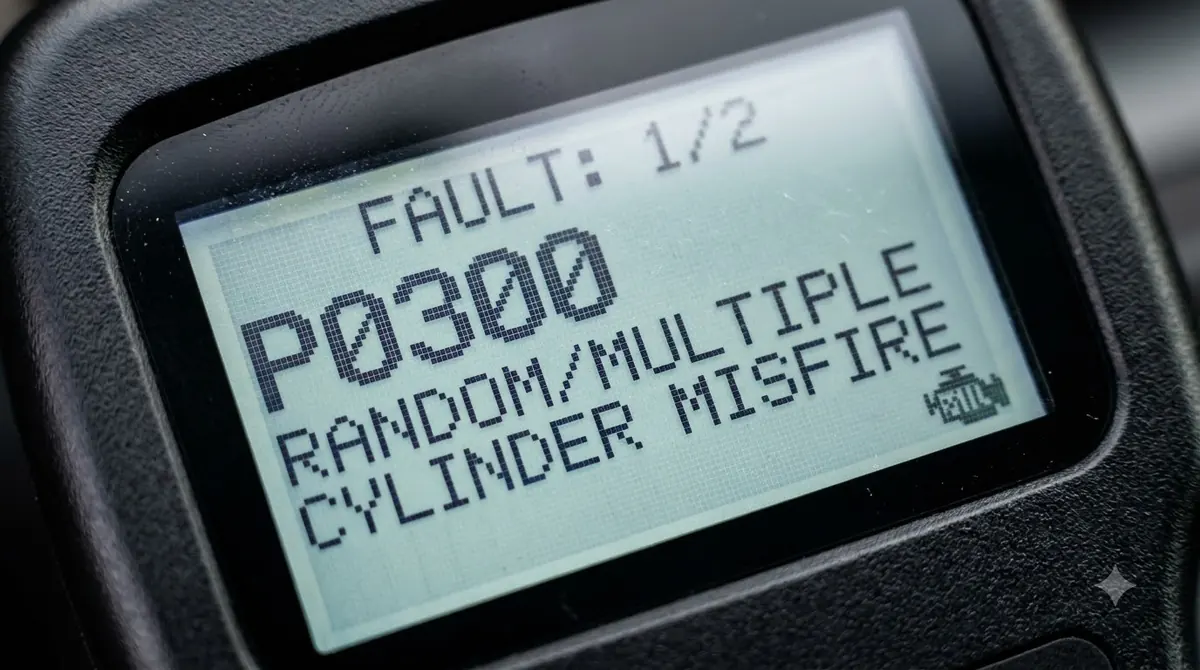
What does a P0300 code mean?
The P0300 code is a random or multiple cylinder misfire code, the same wording shown on the scanner in the photo above. NHTSA lists P0300 among codes for the 2015 KL Cherokee bulletin, so a misfire is one possible cause, but the scan result alone does not name the failed part.
Does clearing the code fix the problem?
No. Clearing a code erases the stored fault, but the underlying cause stays in place. KBB says the light may come back, and covering it with tape does not repair anything.
Who should diagnose the light?
An owner with an OBD-II scanner can read the code, and a qualified technician can confirm the cause. KBB says either a scanner or a professional mechanic can diagnose the problem, and many parts stores scan codes at no charge.
A flashing Jeep Cherokee check engine light is a reason to stop driving soon, not a reason to wait. If your Cherokee is outside the 2014 to 2015 2.4L range, use the bulletin only as background and have a technician confirm the cause.